• Research
  • Strategic Europe
  • About
  • Experts
Carnegie Europe logoCarnegie lettermark logo
EUUkraine
  • Donate
{
  "authors": [],
  "type": "pressRelease",
  "centerAffiliationAll": "",
  "centers": [
    "Carnegie Endowment for International Peace"
  ],
  "collections": [],
  "englishNewsletterAll": "",
  "nonEnglishNewsletterAll": "",
  "primaryCenter": "Carnegie Endowment for International Peace",
  "programAffiliation": "",
  "programs": [
    "Middle East"
  ],
  "projects": [],
  "regions": [
    "North Africa",
    "Egypt",
    "Algeria",
    "Morocco",
    "Bahrain",
    "Saudi Arabia",
    "Yemen"
  ],
  "topics": [
    "Political Reform"
  ]
}
REQUIRED IMAGE

REQUIRED IMAGE

Press Release

Press Release: Top-Down Political Reform in Arab World Prolongs Stagnation

Despite passing considerable economic and social reforms Arab regimes continue to avoid substantive political reforms that would jeopardize their own power. Reformers in ruling establishments recognize the need for change to increase economic competitiveness, but the preferred process of “managed reform” is leading to further political stagnation.

Link Copied
Published on Dec 12, 2007

WASHINGTON, Dec 12— Despite passing considerable economic and social reforms Arab regimes continue to avoid substantive political reforms that would jeopardize their own power. Reformers in ruling establishments recognize the need for change to increase economic competitiveness, but the preferred process of “managed reform” is leading to further political stagnation, says a new paper from the Carnegie Endowment for International Peace.

In Incumbent Regimes and the “King's Dilemma” in the Arab World: Promise and Threat of Managed Reform, Carnegie Senior Associates Marina Ottaway and Michele Dunne argue that emerging, reform-minded leaders in Arab nations face a dilemma—globalization and better public access to information are prompting calls for modernization, yet history shows that even limited reforms introduced from the top often increase, rather than decrease, bottom-up demand for more radical change, as in the case of the Iranian revolution. To contend with this threat, Arab regimes are attempting to control the process of change through “managed reforms”: the introduction of formal, institutional reform without the transfer of real power (Bahrain and Egypt); substantive improvements in citizens' rights without institutional reform (Morocco); or the limited participation of legitimate opposition groups (Yemen and Algeria).

Key Conclusions:

  • There is growing awareness in the Arab world that reforms are necessary to create a viable, competitive economy. Oil is no longer seen as an inexhaustible source of revenue that gives governments an infinite capacity to manipulate their citizens.
  • Pressure from the United States and Europe to introduce reforms has been inconsistent and has favored managed reforms, sending signals that external expectations are not very high, and that external actors can be easily appeased.
  • Further political stagnation is the likely scenario for most Arab regimes, characterized by limited change rather than an uncontrolled slide into an uncertain future. The power of reformists remains limited in most countries, as they have generally failed to convince the population that they are serious about change, resulting in tarnished reputations.
  • To be successful, regime reformers need to find allies in civil societies or moderate parties. Some reformers could decide that a competitive political environment would benefit their political future—yet a more participatory reform process could prove unpredictable.

“The evidence so far is that the top-down process is having very little effect, making at best a marginal difference on specific issues but not leading to the redistribution of power that a true process of democratization and even liberalization would entail. For domestic advocates of managed reform and for outsiders seeking to promote change alike, the lesson appears to be that political reform can never be risk free: Too much close management perpetuates authoritarianism, and unmanaged processes have unpredictable outcomes.”

###


NOTES

  • To read this Carnegie Paper, go to www.carnegieendowment.org/middleeast
    Direct link to PDF:
    www.carnegieendowment.org/files/cp88_ruling_parties_final1.pdf
    Direct link to the Arabic translation:
    www.carnegieendowment.org/programs/arabic/michele_marina_december07.pdf

  • Marina Ottaway is a senior associate in the Democracy and Rule of Law Program and director of the Carnegie Middle East Program. Her upcoming publication, Beyond the Façade: Political Reform in the Arab World(co-edited with Julia Choucair-Vizoso), will be released in January 2008.

  • Michele Dunneis a senior associate and editor of the Carnegie Endowment's Arab Reform Bulletin . A specialist on Middle East affairs, formerly at the State Department and White House, Dunne's most recent publication is Egypt—Don't Give Up on Democracy Promotion (Policy Brief, July 2007).

  • The Carnegie Middle East Programcombines in-depth local knowledge with incisive comparative analysis, Carnegie's Middle East Program examines politics in the Arab world. The Program studies extensively attempts at political reform, through detailed country studies and the exploration of key cross-cutting themes. The Program has special expertise in Islamist participation in pluralistic politics throughout the region.

  • The Arab Reform Bulletinaddresses political developments and reform in the Middle East. Sent monthly, it offers analysis from Arab, American, and European political experts, as well as news synopses and annotated resource guides. The Arab Reform Bulletin is published in English and Arabic.

  • Press Contact: Trent Perrotto, 212/939-2372, tperrotto@ceip.org
Political ReformNorth AfricaEgyptAlgeriaMoroccoBahrainSaudi ArabiaYemen

Carnegie does not take institutional positions on public policy issues; the views represented herein are those of the author(s) and do not necessarily reflect the views of Carnegie, its staff, or its trustees.

More Work from Carnegie Europe

  • Commentary
    Strategic Europe
    Taking the Pulse: What Issue Is Europe Ignoring at Its Peril in 2026?

    2026 has started in crisis, as the actions of unpredictable leaders shape an increasingly volatile global environment. To shift from crisis response to strategic foresight, what under-the-radar issues should the EU prepare for in the coming year?

      Thomas de Waal
  • Commentary
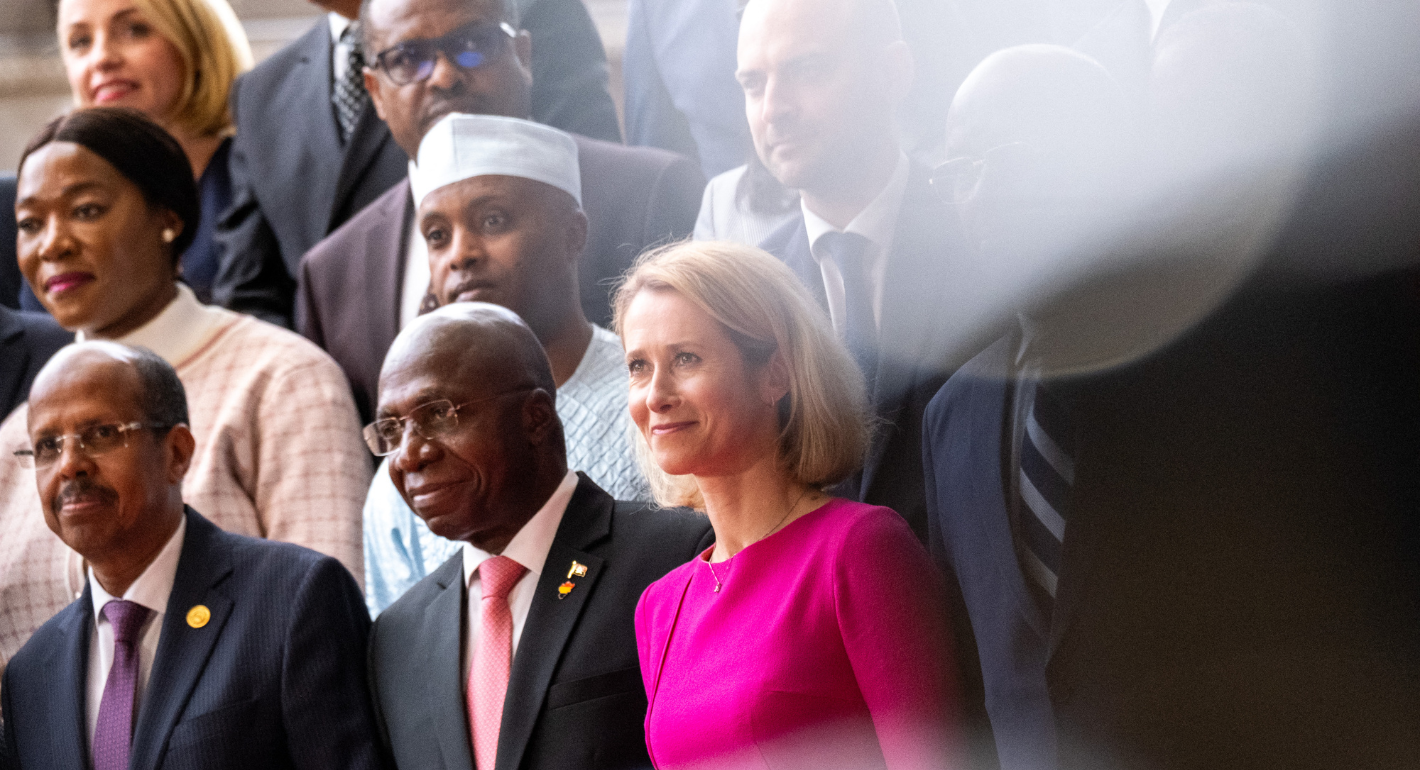
    Can Europe and Africa Mend Fences?

    Despite the strategic importance of relations between the EU and the African Union, deep divisions remain between the blocs. At their upcoming summit, both partners should strive to build a mutually beneficial cooperation.

      Marta Martinelli

  • Commentary
    Strategic Europe
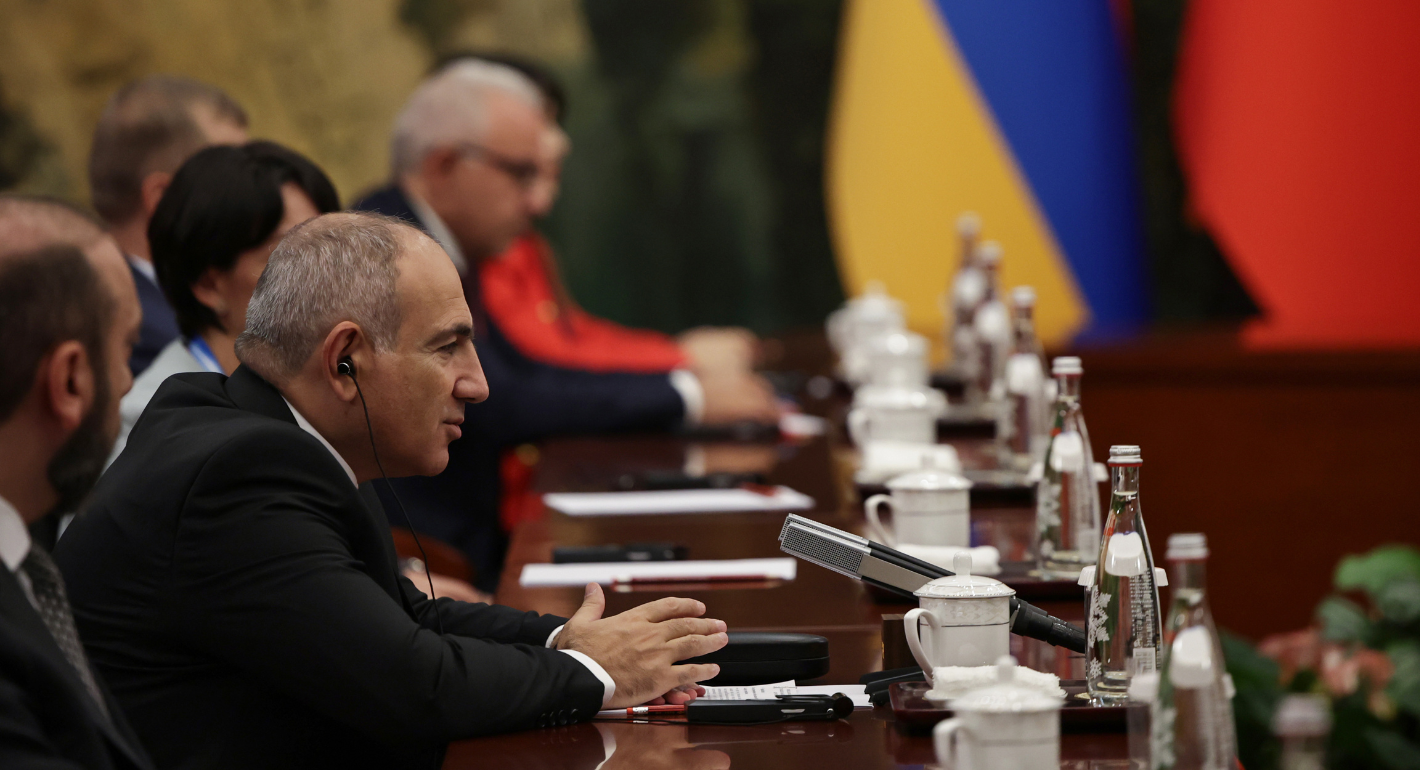
    Armenia’s Election Is a Foreign Affair

    As the 2026 Armenian election approaches, Prime Minister Nikol Pashinyan is facing fierce opposition from both Russia and the diaspora. He will need the help of Europe, the United States, and regional neighbours to advance his ambitious foreign policy. 

      Thomas de Waal

  • Moldova Election Russia Europe
    Article
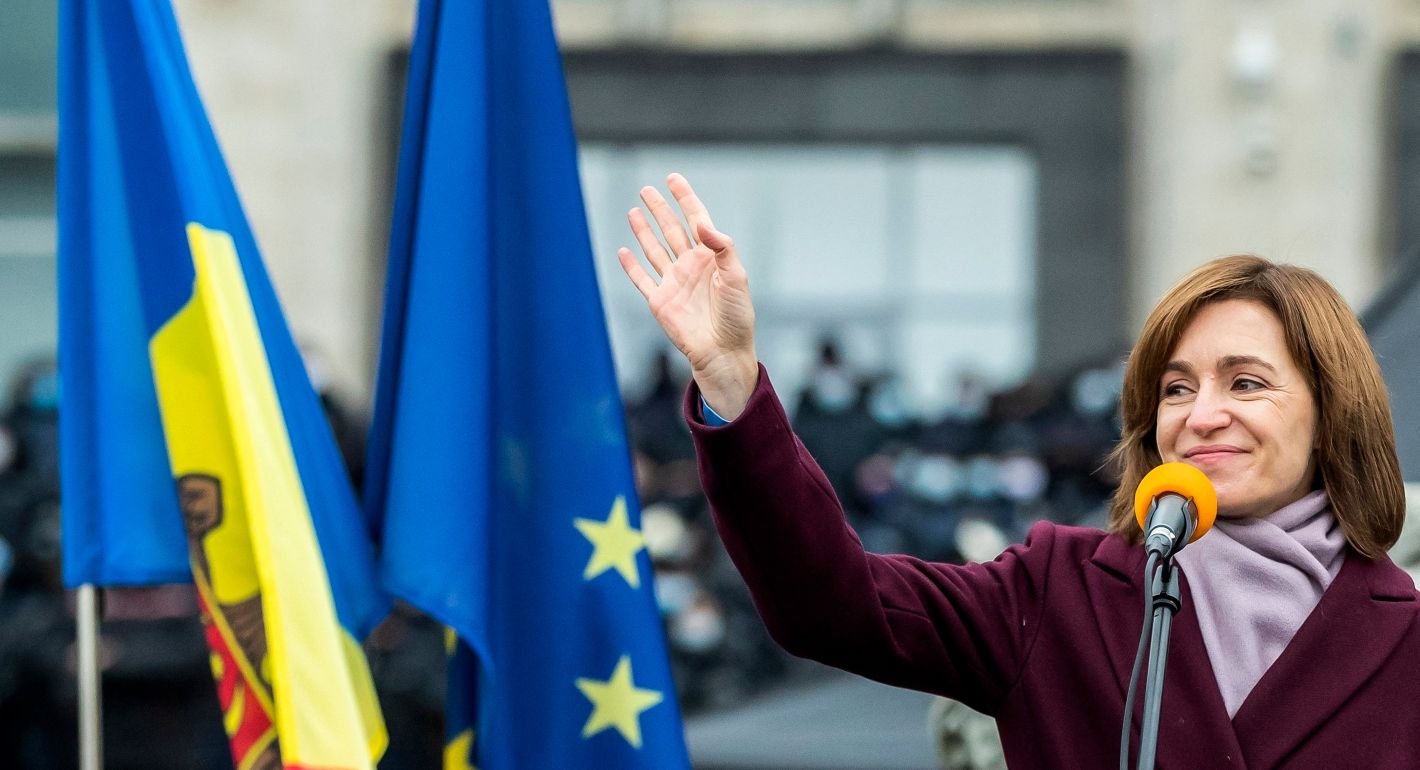
    Moldova’s Election Is a Test for Russian Influence in Europe

    Moldova’s parliamentary election is make-or-break for the country’s European future. The outcome will test whether Chișinău will stay on the EU accession path or fall prey to Russia’s multi-domain interference campaign.

      Oana Popescu-Zamfir

  • Meloni - Trump - Far right - Italy - US - Populism
    Paper
    The European Radical Right in the Age of Trump 2.0

    Europe’s radical-right parties felt empowered by Trump’s return to the White House, but their ability to reshape politics is constrained by divisions and a lack of vision. Pro-EU political forces can still forge the bloc’s future if they stop chasing the radical right.

      Rosa Balfour, Stefan Lehne, Elena Ventura

Get more news and analysis from
Carnegie Europe
Carnegie Europe logo, white
Rue du Congrès, 151000 Brussels, Belgium
  • Research
  • Strategic Europe
  • About
  • Experts
  • Projects
  • Events
  • Contact
  • Careers
  • Privacy
  • For Media
  • Gender Equality Plan
Get more news and analysis from
Carnegie Europe
© 2026 Carnegie Endowment for International Peace. All rights reserved.