• Research
  • Strategic Europe
  • About
  • Experts
Carnegie Europe logoCarnegie lettermark logo
EUUkraine
  • Donate
{
  "authors": [],
  "type": "pressRelease",
  "centerAffiliationAll": "",
  "centers": [
    "Carnegie Endowment for International Peace"
  ],
  "collections": [],
  "englishNewsletterAll": "",
  "nonEnglishNewsletterAll": "",
  "primaryCenter": "Carnegie Endowment for International Peace",
  "programAffiliation": "",
  "programs": [],
  "projects": [],
  "regions": [],
  "topics": [
    "Economy",
    "Trade"
  ]
}
REQUIRED IMAGE

REQUIRED IMAGE

Press Release

International Labor Migration in a Globalizing Economy

Robert E. B. Lucas finds in a new report that the net impact of migration is positive for the migrants and high-income countries, and more gains are feasible. At the same time, he finds more ambiguous effects on developing countries, which may suffer from growing brain-drain; only temporary migration among southern hemisphere countries seemed to provide clear benefits.

Link Copied
Published on Oct 14, 2008

WASHINGTON, Oct 14—As globalization spread dramatically over the last twenty years, migration expanded less rapidly than either trade or foreign investment. Yet migration remains contentious, often being blamed for income stagnation, even as some economists praise it as the fastest route to raising world incomes. The reality is more limited and nuanced.

Money sent by migrants to their home countries can promote rapid growth in developing regions, and the withdrawal of laborers can induce higher wages or less underemployment for those left behind. However, the flow of money can dry up quickly and unexpectedly, as has happened recently in Mexico.

Robert E. B. Lucas finds in a new report that the net impact of migration is positive for the migrants and high-income countries, and more gains are feasible. At the same time, he finds more ambiguous effects on developing countries, which may suffer from growing brain-drain; only temporary migration among southern hemisphere countries seemed to provide clear benefits.

Key findings:

  • Impact on world income: Some economic simulations have suggested that even a 3 percent expansion in global migration could increase world incomes more than a complete liberalization of all trade. However, migrants are increasingly dependent on commercialized intermediaries with access to visas and transportation—calling into question the actual financial gains for migrants, their host countries, and their countries of origin.
  • Impact on recipient countries: In some cases, migration can accelerate technical progress or force changes in industrial activities—such as an increase in labor-intensive forms of agriculture. Migration can have mixed effects for the fiscal balance—providing greater tax revenue, while placing increased burden on state support programs.
  • Impact on sending countries: Remittances from migrants back to their home countries can promote rapid growth in developing regions, and the withdrawal of laborers can induce higher wages or less underemployment for those left behind. However, remittance flows can decline quickly and unexpectedly, as currently observed in Mexico. Migration of highly skilled workers can become problematic through “brain-drain” of talented healthcare workers and educators in developing regions.
  • Relationship between trade and migration: Subsidies in many industrialized countries often protect the sectors in which migrants seek work. There is little or no coherence between the trade and migration policies adopted by higher-income countries. Better internal coordination is necessary to reconcile the two agendas.
  • Policy implications: Many countries prefer a policy of temporary migration, in which migrants contribute to the local economy but depart before they become dependents. But such programs should be better managed, as reports of abuse and exploitation by recruiters and intermediaries become more common. Effective contracting schemes will require better oversight to improve worker conditions, increased transparency, and bilateral cooperation between the host and recipient nations.

Lucas concludes:

“The net potential gains to migrants entering the industrialized countries are extremely high. Yet the impacts of any additional migrations on the incomes of those left at home and of natives in the host countries are more ambiguous. While migrants are clearly the big winners, others may even lose.”

###


bullet
NOTES

  • Click here for a direct link to the PDF.
  • Robert E. B. Lucas is a professor of Economics at Boston University. His research has included work on internal and international migration, employment and human resources, income distribution and inter-generational inequality, international trade and industry, the environment, and sharecropping. He has served as chief technical adviser to the Malaysia Human Resource Development Program, and director of undergraduate studies and the M.A. program in Economics at Boston University. He is also a Research Affiliate at the MIT Center for International Studies. His latest book, International Migration and Economic Development: Lessons from Low-Income Countries, was published by Edward Elgar Press in 2005.
  • The Carnegie Trade, Equity, and Development Program undertakes analysis and promotes policies and strategies to make global economic integration work for more countries and more people. The Program focuses on developing countries and its ground level approach is unique among think tanks and development institutions.
  • Press Contact: Trent Perrotto, 202/939-2372, tperrotto@ceip.org
EconomyTrade

Carnegie does not take institutional positions on public policy issues; the views represented herein are those of the author(s) and do not necessarily reflect the views of Carnegie, its staff, or its trustees.

More Work from Carnegie Europe

  • Commentary
    Strategic Europe
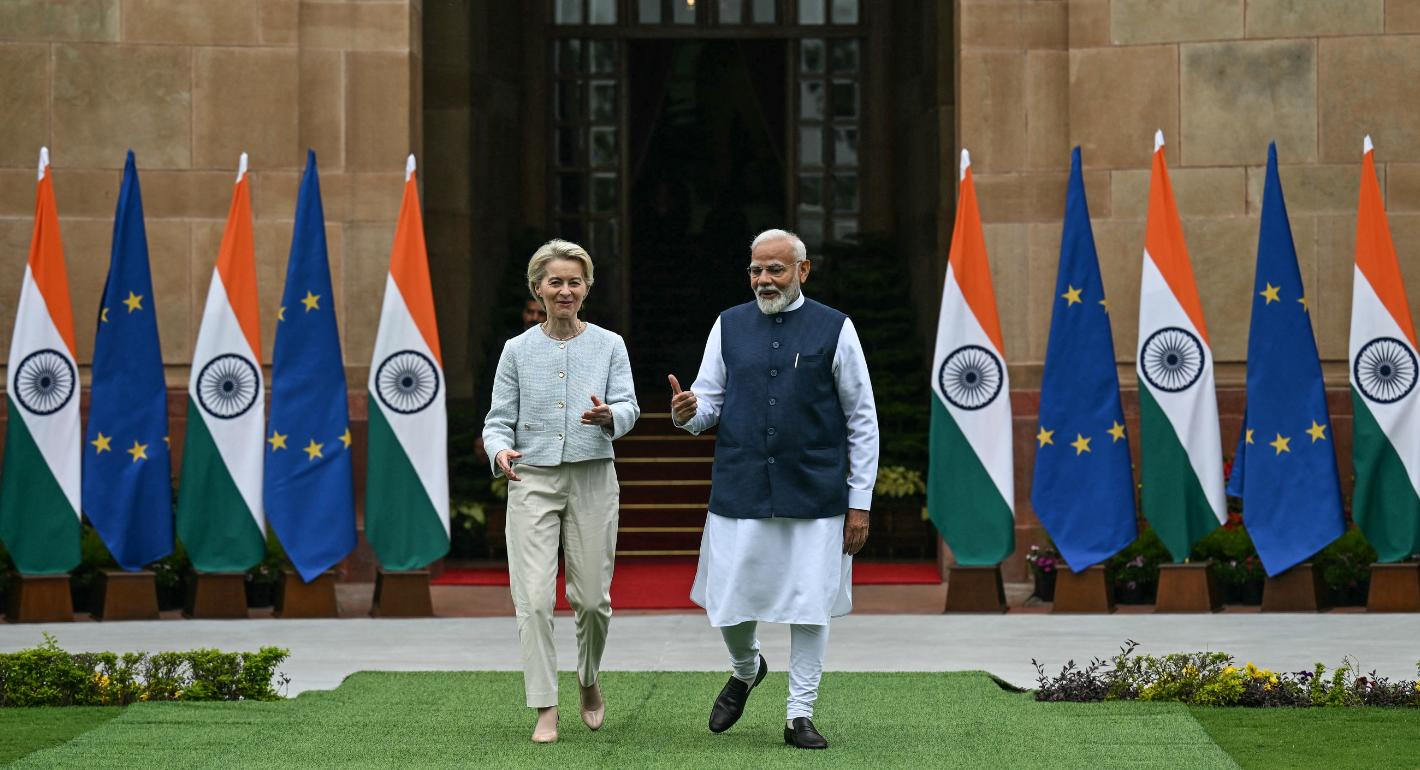
    The EU and India in Tandem

    As European leadership prepares for the sixteenth EU-India Summit, both sides must reckon with trade-offs in order to secure a mutually beneficial Free Trade Agreement.

      Dinakar Peri

  • Commentary
    Can Europe Trust the United States Again?

    In Donald Trump’s second term in office, the transatlantic relationship that helped define the postwar European project and global order appears broken. Is it time for Brussels to chart its own path?


      Nathalie Tocci, Jan Techau
  • Commentary
    Strategic Europe
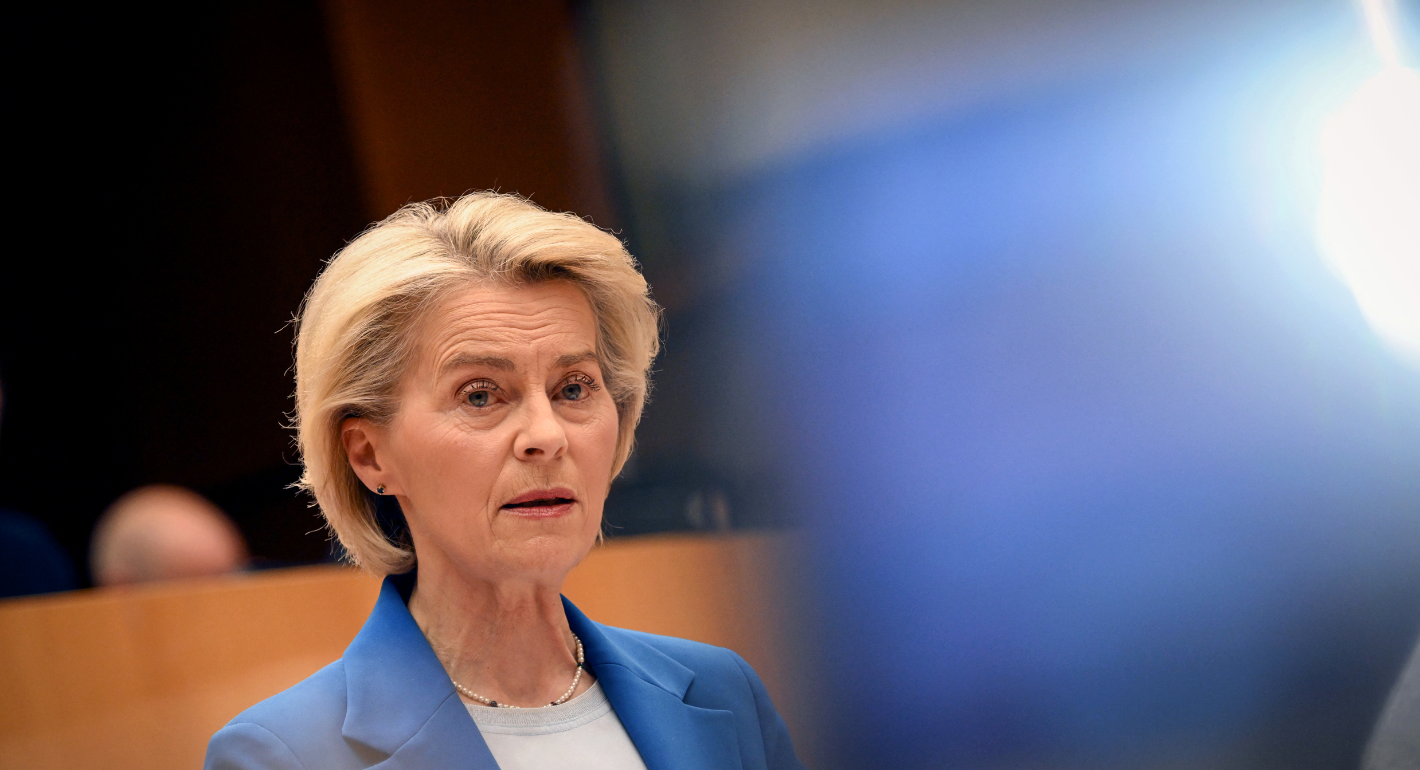
    Taking the Pulse: Is the EU Too Weak to Be a Global Player?

    Beset by an increasingly hostile United States, internal divisions, and the threat of Russian aggression, the EU finds itself in a make-or-break moment. U.S. President Donald Trump calls it a decaying group of nations headed by weak leaders. Is Europe able to prove him wrong?

      Thomas de Waal

  • Commentary
    Strategic Europe
    Taking the Pulse: Are Europe’s New Asylum Policies a Betrayal of its Values?

    Hard-line approaches to asylum policy are increasingly common, with crackdowns proposed even by parties that traditionally hold liberal views on migration. Does this shift represent a break with Europe’s fundamental values?

      Thomas de Waal
  • Commentary
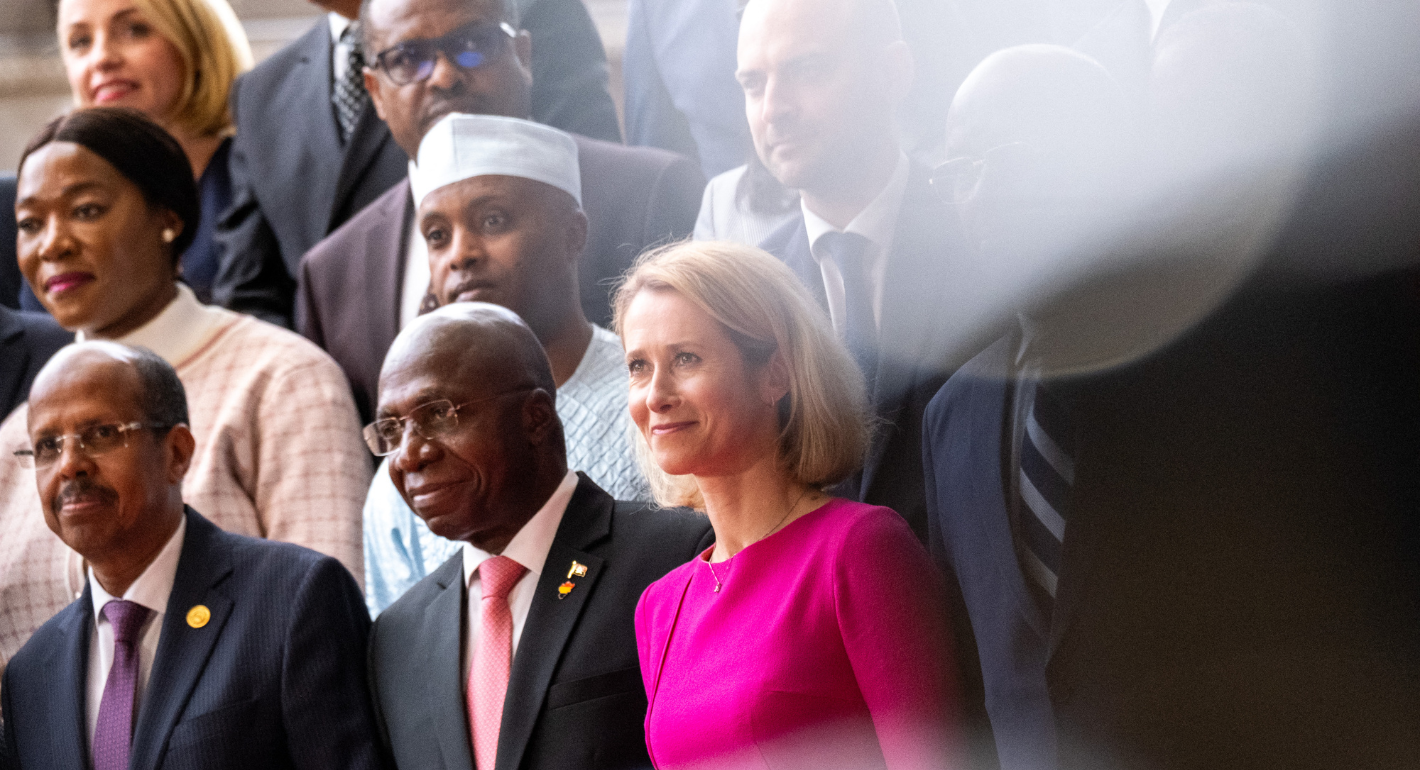
    Can Europe and Africa Mend Fences?

    Despite the strategic importance of relations between the EU and the African Union, deep divisions remain between the blocs. At their upcoming summit, both partners should strive to build a mutually beneficial cooperation.

      Marta Martinelli

Get more news and analysis from
Carnegie Europe
Carnegie Europe logo, white
Rue du Congrès, 151000 Brussels, Belgium
  • Research
  • Strategic Europe
  • About
  • Experts
  • Projects
  • Events
  • Contact
  • Careers
  • Privacy
  • For Media
  • Gender Equality Plan
Get more news and analysis from
Carnegie Europe
© 2026 Carnegie Endowment for International Peace. All rights reserved.