• Research
  • Strategic Europe
  • About
  • Experts
Carnegie Europe logoCarnegie lettermark logo
EUUkraine
  • Donate
{
  "authors": [],
  "type": "pressRelease",
  "centerAffiliationAll": "",
  "centers": [
    "Carnegie Endowment for International Peace"
  ],
  "collections": [],
  "englishNewsletterAll": "",
  "nonEnglishNewsletterAll": "",
  "primaryCenter": "Carnegie Endowment for International Peace",
  "programAffiliation": "",
  "programs": [],
  "projects": [],
  "regions": [
    "North America",
    "South America",
    "East Asia",
    "Eastern Europe"
  ],
  "topics": [
    "Economy"
  ]
}
REQUIRED IMAGE

REQUIRED IMAGE

Press Release

Job creation should lead post-crisis agenda

There is no single solution to the effects of the financial crisis on middle-income countries, but, introducing fundamental labor markets reforms to create high-paying jobs will be the key to restarting economic growth.

Link Copied
Published on Jul 13, 2009

WASHINGTON, July 13—There is no single solution to the effects of the financial crisis on middle-income countries, but, introducing fundamental labor markets reforms to create high-paying jobs will be the key to restarting economic growth, according to a new report by Carnegie’s Alejandro Foxley, the former foreign and finance minister of Chile.  

Labor reform is always politically contentious, but the current crisis, by illustrating the dangers of ignoring necessary long-term reforms, has made it easier to reach consensus on the need for action. If policy makers undertake the right reforms, middle-income countries could achieve higher growth, better standards of living, and more effective government.

Key points:

  • Critical reforms include improving access to education and on-the-job training, reducing the costs of hiring and firing workers, and increasing the number of women in the workforce.
  • Unemployment is likely to remain high in middle-income countries as the crisis continues, threatening the stability of governments across Latin America, East Asia, and Eastern Europe.
  • Governments must resist the temptation to take populist shortcuts that make it appear that they are dealing with the crisis when they are not, and should instead be clear and consistent in their pursuit of reform.
  • Sustainable growth requires a balance between exports and domestic demand. East Asian economies that relied heavily on exports for growth have been hit harder by the crisis than Latin American countries that emphasized domestic demand.
  • Diversified trade offers some protection against economic shocks. Middle-income countries should diversify not only their exports but also the markets to which they export.

Foxley concludes:

“There are no magic formulas, no shortcuts, no miracles, and no ‘models’ as far as development is concerned. Economic growth and development is a several-decades-long proposition that requires consistent policies, persistence in moving in a certain direction, and adaptability to shocks and changes and the opportune correction of policy mistakes.”

###


NOTES

  • Click here to read the full report

  • Alejandro Foxley is a senior associate in the Carnegie International Economics Program, and at the Corporación de Estudios para Latinoamérica (CIEPLAN) in Santiago, Chile. Before joining Carnegie, Foxley was minister of foreign affairs of the Republic of Chile (2006–2009).

  • The Carnegie International Economics Program (IEP) monitors and analyzes short- and long-term trends in the global economy, including macroeconomic developments, trade, commodities, and capital flows, and draws out policy implications. The initial focus of the Program will be the global financial crisis and the policy issues raised. Among other research, the Program will examine the ramifications of the rising weight of developing countries in the global economy.

  • The International Economic Bulletin draws on the expertise of Carnegie's global centers to provide a candid view of the economic crisis and its political implications. Addressing the momentous challenges of the economic downturn will require objectivity, and the ability to analyze the political dimensions of reforms around the world. Experts on Russia, China, the Middle East, and Africa weigh in on how policy makers in each region can do more to counteract the crisis.

  • Press Contact: Jessica Jennings, 202/939-2265, jjennings@ceip.org

EconomyNorth AmericaSouth AmericaEast AsiaEastern Europe

Carnegie does not take institutional positions on public policy issues; the views represented herein are those of the author(s) and do not necessarily reflect the views of Carnegie, its staff, or its trustees.

More Work from Carnegie Europe

  • Commentary
    Strategic Europe
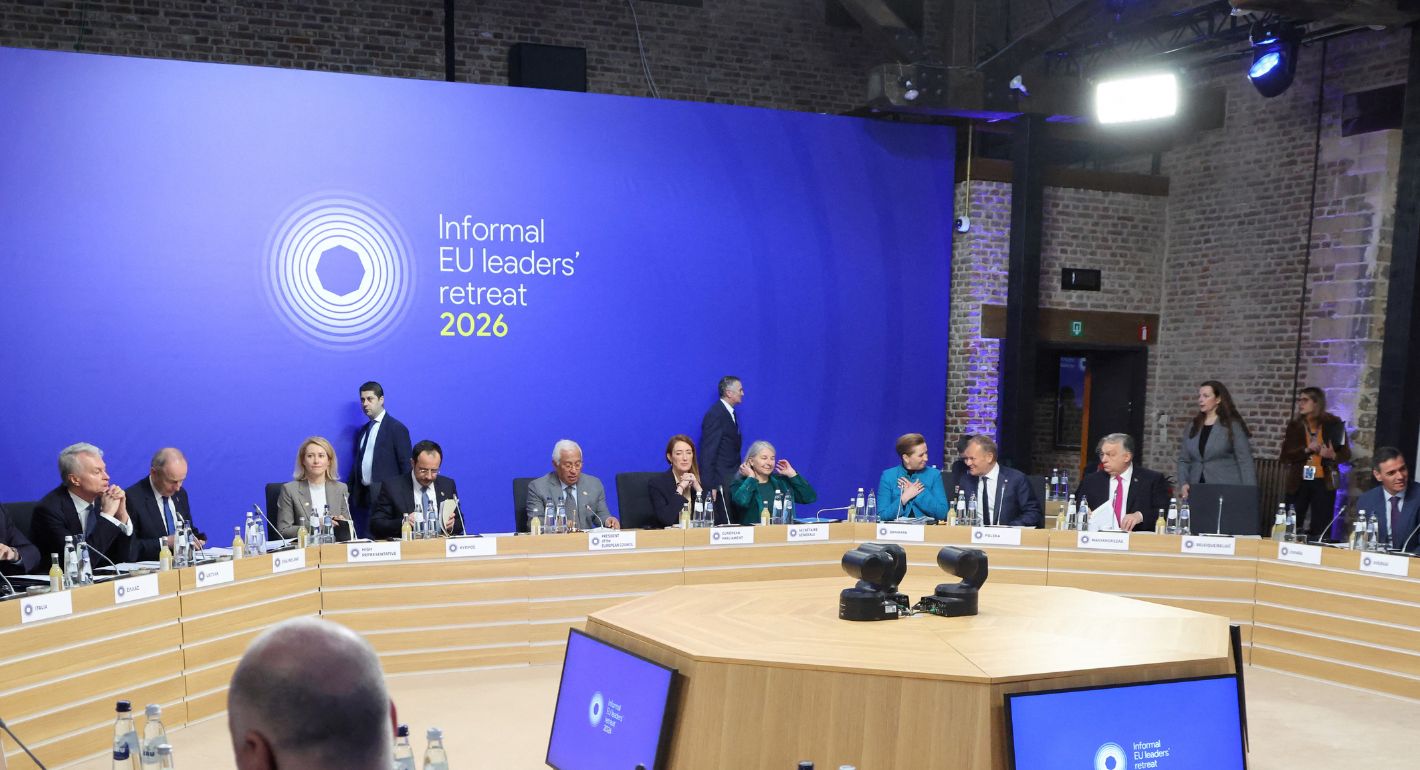
    How Europe Can Survive the AI Labor Transition

    Integrating AI into the workplace will increase job insecurity, fundamentally reshaping labor markets. To anticipate and manage this transition, the EU must build public trust, provide training infrastructures, and establish social protections.

      Amanda Coakley

  • Commentary
    Strategic Europe
    Taking the Pulse: Can the EU Attract Foreign Investment and Reduce Dependencies?

    EU member states clash over how to boost the union’s competitiveness: Some want to favor European industries in public procurement, while others worry this could deter foreign investment. So, can the EU simultaneously attract global capital and reduce dependencies?

      • Rym Momtaz

      Rym Momtaz, ed.

  • Commentary
    Strategic Europe
    Europolis, Where Europe Ends

    A prophetic Romanian novel about a town at the mouth of the Danube carries a warning: Europe decays when it stops looking outward. In a world of increasing insularity, the EU should heed its warning.

      Thomas de Waal

  • Commentary
    Strategic Europe
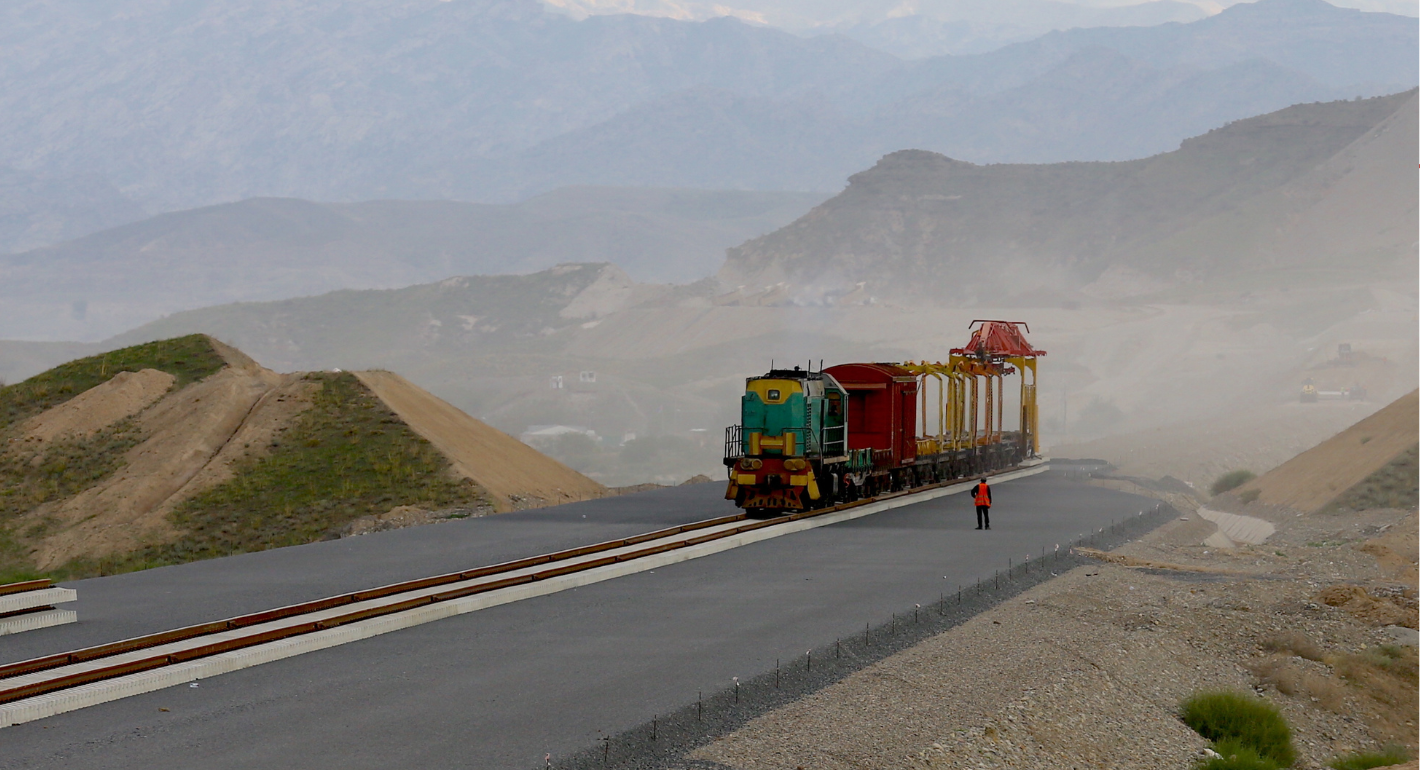
    Europe Falls Behind in the South Caucasus Connectivity Race

    The EU lacks leadership and strategic planning in the South Caucasus, while the United States is leading the charge. To secure its geopolitical interests, Brussels must invest in new connectivity for the region.

      Zaur Shiriyev

  • Commentary
    Strategic Europe
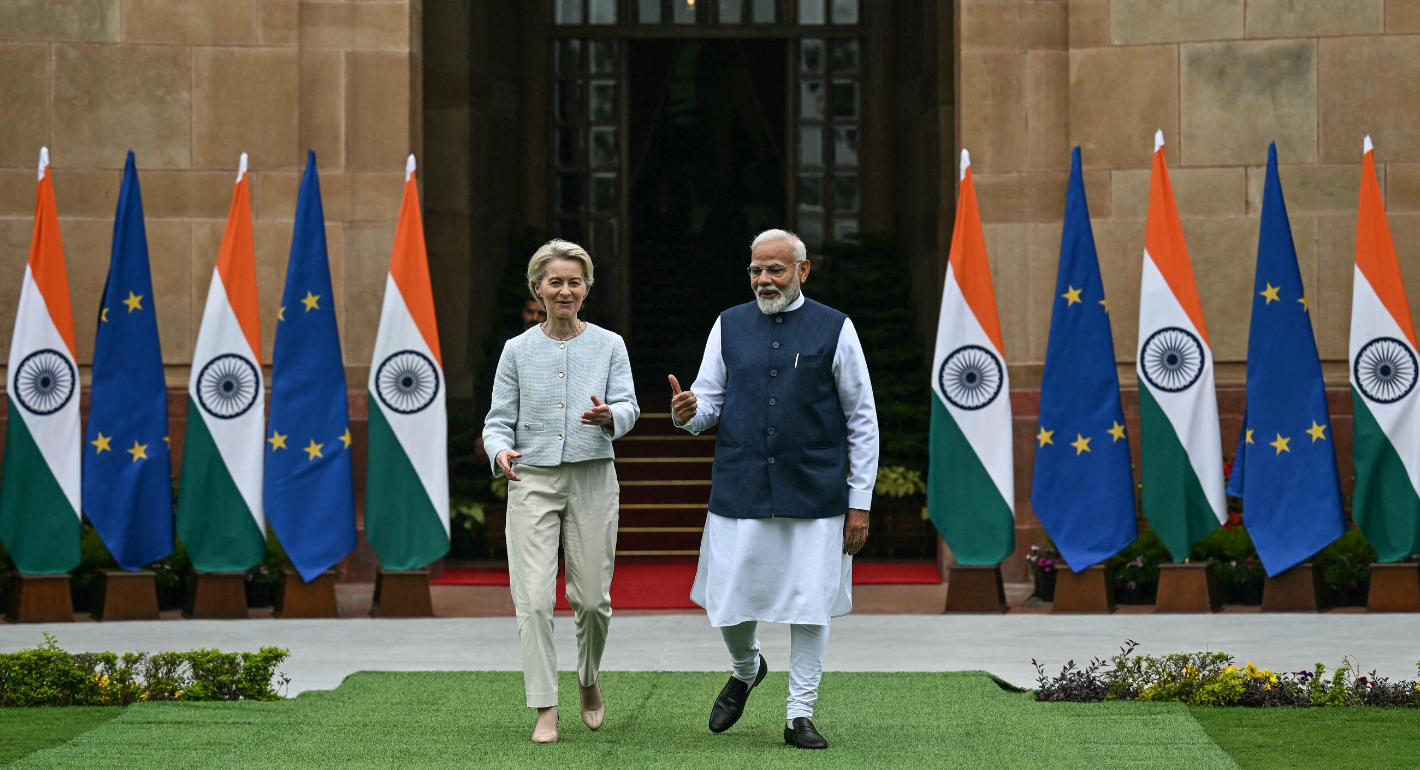
    The EU and India in Tandem

    As European leadership prepares for the sixteenth EU-India Summit, both sides must reckon with trade-offs in order to secure a mutually beneficial Free Trade Agreement.

      Dinakar Peri

Get more news and analysis from
Carnegie Europe
Carnegie Europe logo, white
Rue du Congrès, 151000 Brussels, Belgium
  • Research
  • Strategic Europe
  • About
  • Experts
  • Projects
  • Events
  • Contact
  • Careers
  • Privacy
  • For Media
  • Gender Equality Plan
Get more news and analysis from
Carnegie Europe
© 2026 Carnegie Endowment for International Peace. All rights reserved.