Obama’s America, Better Than What Founders Imagined
The beauty of Obama's inauguration speech was not in any particular phrase, but in that the man in question and the country he leads were in so many ways far beyond what the Founders could have imagined.
Inaugural addresses are more like prayers than speeches. Their words tend to soar. They seek to inspire. They are lists of goals to which we aspire as a nation. They inevitably describe America as we might wish it to be.
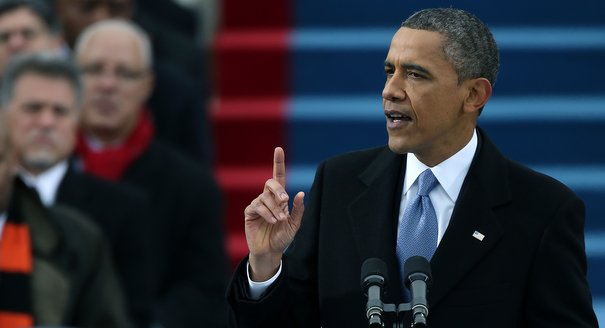
They are not blueprints. Their promises tend to be as ephemeral as the gusty winds that blew around President Barack Obama as he stood before the crowd of dignitaries and onlookers on Capitol Hill today at noon. And like those winds, his words glanced off and darted around the very real problems this president will face in trying to realize the goals he set.
Obama's words acknowledged the problems were there -- some of which were actually the faces in the crowd around him, some of which were their beliefs, some of which were the interests they represent, some of which were the broken system they are part of -- but for a moment at least, they were freed from the need to say exactly how we would break our logjams and rise to defuse the crises of which he spoke.
There will be a time for that later -- during his State of the Union speech February 12, during press conferences, during other addresses, guidance to his supporters and challenges to his opponents.
But Inaugural speeches, because they have been a tradition for so long, do have the effect of enabling us to see very real changes, to measure this moment against others. So once again we heard from an African-American president in a country for which racism has been a chronic disease since the days of its conception.
We had a man from humble beginnings assuming the most powerful role in the world. We had a president demanding equal rights for gay Americans and equal pay for women without fearing he was in so doing veering from the mainstream of American views or values -- and without celebrating the kind of progress we should have made on both fronts long, long ago.
We had a speech that was no longer addressing the concerns of a nation at war as have such addresses over the past decade. We had a speech that was not like his last Inaugural speech -- a call to action in a moment of acute crisis.
We also had a speech that devoted real attention to perhaps the greatest challenge the world faces at the moment: climate change.
We could hope, as we listened, that on this great issue, like others demanding answers now -- bringing our fiscal house in order, restoring equality of opportunity to our economy, ending our country's sick obsession with guns -- that future Inaugural addresses would be able to note the kind of material progress that we have seen with regard to combating racism or ending wars.
As such, today's speech did just what we might hope, capturing where we are and where we ought to be going. And it did it in the way our Founding Fathers envisioned, through the words of a man elected by the people of America to lead them.
The great beauty of the speech was not in any particular phrase, but in that the man in question and the country he leads were in so many ways far beyond what the Founders could have imagined. And that, despite our natural tendency to glorify our origins, that this America was in virtually every way better than the one they offered up to us.
Carnegie does not take institutional positions on public policy issues; the views represented herein are those of the author(s) and do not necessarily reflect the views of Carnegie, its staff, or its trustees.
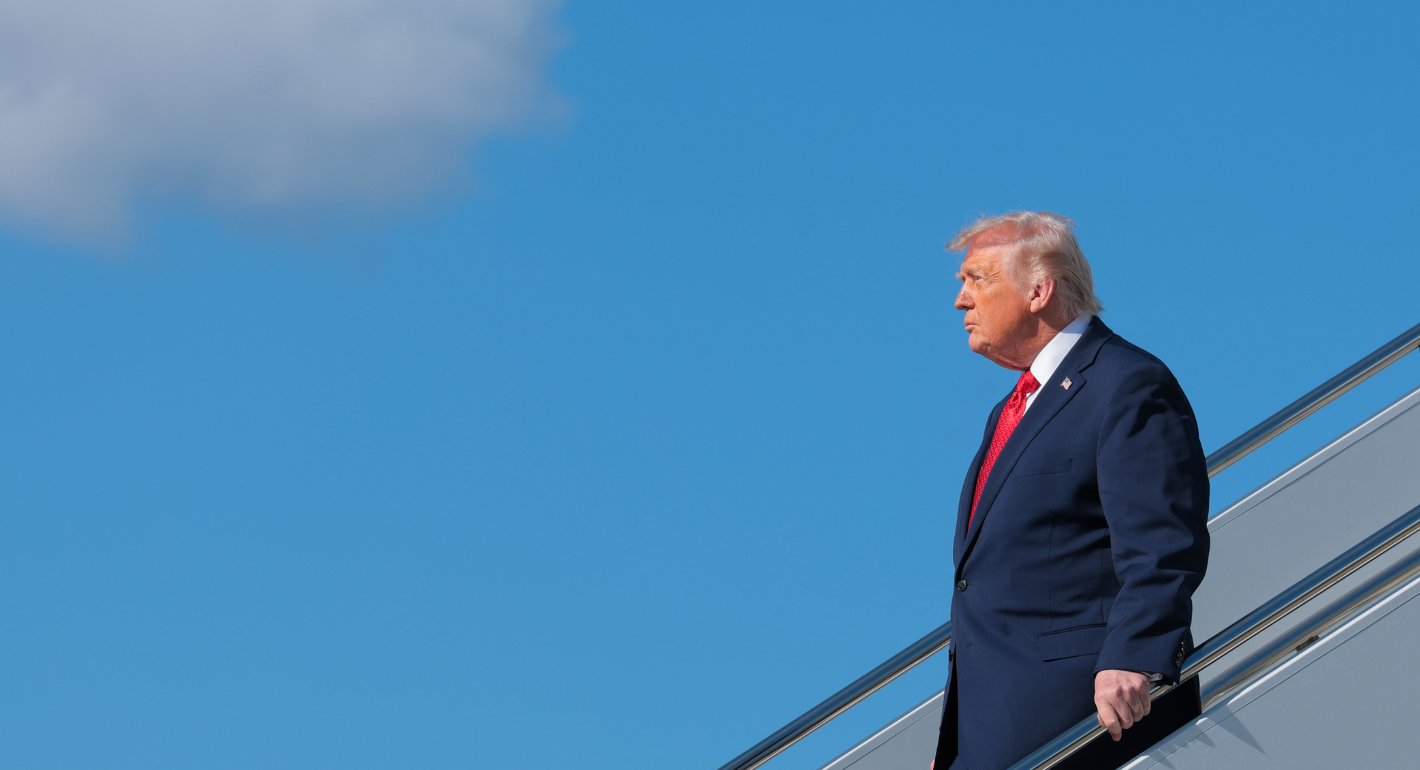
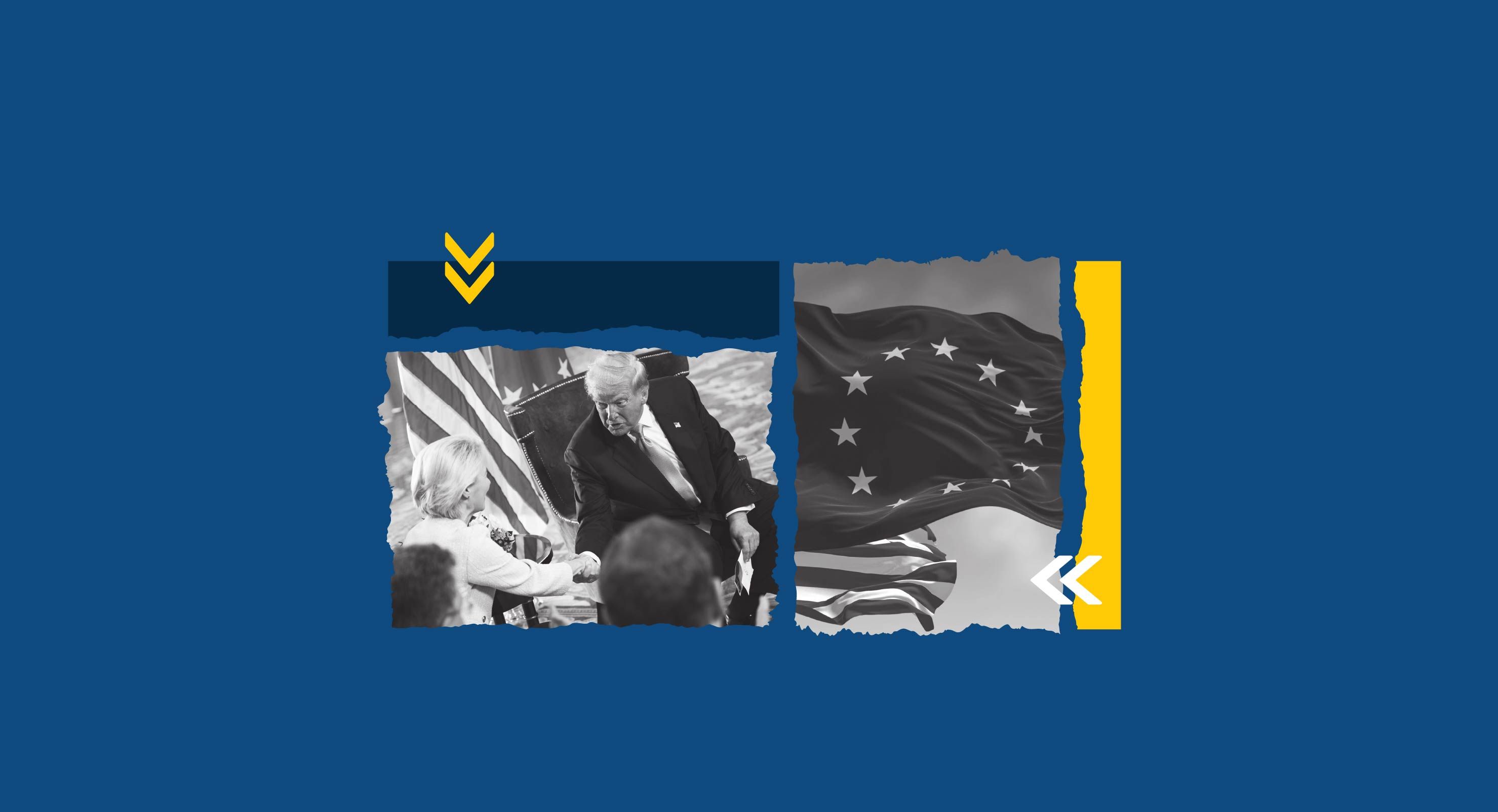
The hyper-personalized new version of global sphere-of-influence politics that Donald Trump wants will fail, as it did for Russia. In the meantime, Europe must still deal with a disruptive former ally determined to break the rules.
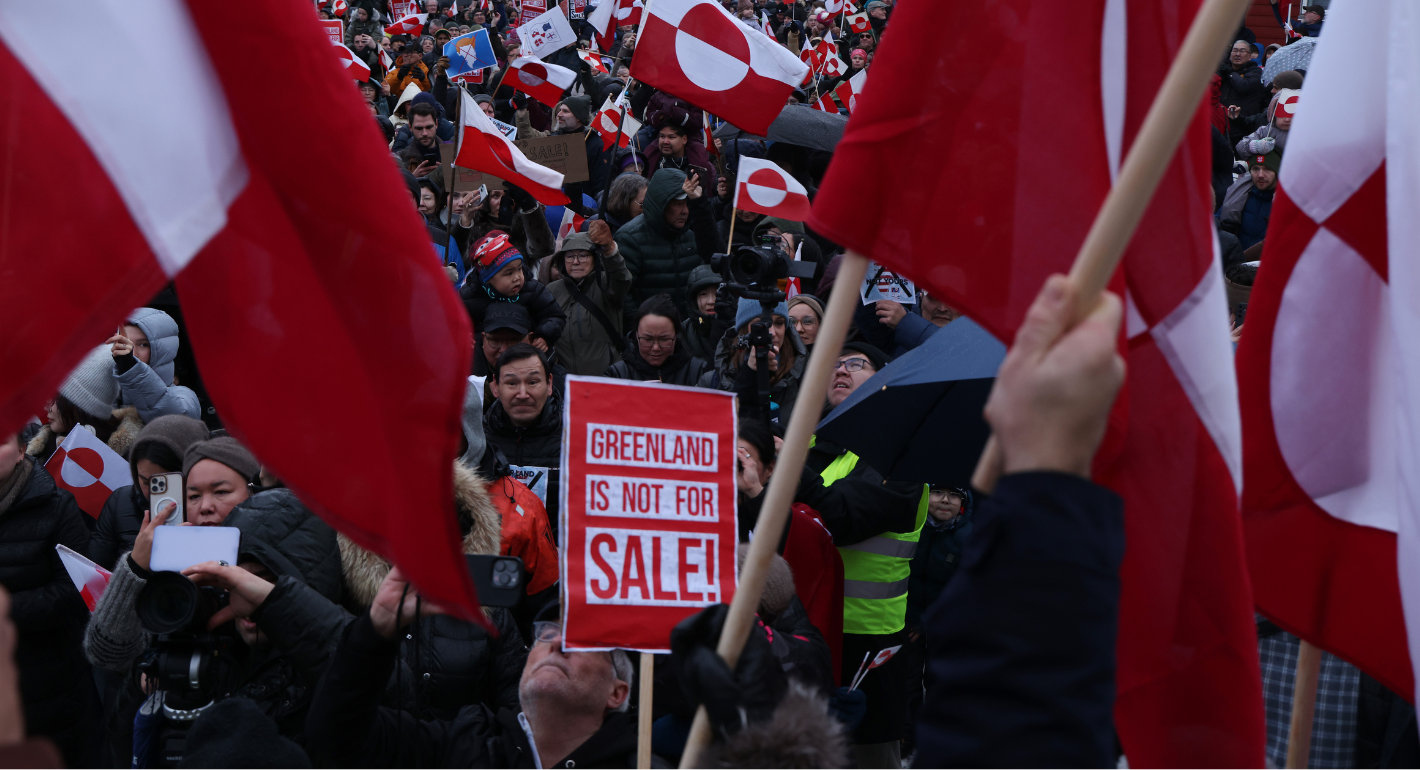
Between Greenland and U.S. interference in Europe’s democracies, transatlantic relations risk rising to an unprecedented level of crisis. Amid continued arguments on how Brussels should react, tough times lie ahead for European leaders.
2026 has started in crisis, as the actions of unpredictable leaders shape an increasingly volatile global environment. To shift from crisis response to strategic foresight, what under-the-radar issues should the EU prepare for in the coming year?
Europe is designing a new model of collective security that no longer relies on the United States. For this effort to succeed, solidarity between member states that have different threat perceptions is vital.
In Donald Trump’s second term in office, the transatlantic relationship that helped define the postwar European project and global order appears broken. Is it time for Brussels to chart its own path?