

Commentary
As European leadership prepares for the sixteenth EU-India Summit, both sides must reckon with trade-offs in order to secure a mutually beneficial Free Trade Agreement.
Dinakar Peri
{
  "authors": [],
  "type": "pressRelease",
  "centerAffiliationAll": "",
  "centers": [
    "Carnegie Endowment for International Peace"
  ],
  "collections": [],
  "englishNewsletterAll": "",
  "nonEnglishNewsletterAll": "",
  "primaryCenter": "Carnegie Endowment for International Peace",
  "programAffiliation": "",
  "programs": [],
  "projects": [],
  "regions": [],
  "topics": []
}
REQUIRED IMAGE
Ratan N. Tata, chairman of Tata Trusts, joins the board of trustees of the Carnegie Endowment for International Peace.
WASHINGTON—The board of trustees of the Carnegie Endowment for International Peace announced today the addition of Ratan N. Tata, chairman of Tata Trusts.
“We are extremely proud to welcome Ratan to our board of trustees,” said Harvey V. Fineberg, chairman of the board. “Ratan has an unparalleled knowledge of the global economy, as well as the business sector in one of the world’s most important emerging economies. He has enormous experience managing large organizations, and I know he will be a tremendous asset for Carnegie.”
Ratan N. Tata was the chairman of Tata Sons, the holding company of the Tata Group, from 1991 until his retirement at the end of 2012. He was also chairman of the major Tata companies, including Tata Motors, Tata Steel, Tata Consultancy Services, Tata Power, Tata Global Beverages, Tata Chemicals, Indian Hotels, and Tata Teleservices. During his tenure, the group’s revenues grew to over $100 billion annually.
Tata is chairman of two of the largest private-sector-promoted philanthropic trusts in India. He is also a member of the Indian Prime Minister’s Council on Trade and Industry.
Tata received a bachelor of architecture degree from Cornell University in 1962. He worked briefly with Jones and Emmons in Los Angeles before returning to India in late 1962. He completed the Advanced Management Program at Harvard Business School in 1975.
“We are honored to welcome Ratan to Carnegie’s board,” said Carnegie President Jessica T. Mathews. “As we continue to develop the world’s first truly global think tank, including establishing a South Asia Center in New Delhi, I can think of few better people to help us in that mission.”
View the full list of trustees.
Press Contact: Clara Hogan | +1 202 939 2233 | chogan@ceip.org
The Carnegie Endowment for International Peace is a unique global network of policy research centers in Russia, China, Europe, the Middle East, and the United States. Our mission, dating back more than a century, is to advance the cause of peace through analysis and development of fresh policy ideas and direct engagement and collaboration with decisionmakers in government, business, and civil society. Working together, our centers bring the inestimable benefit of multiple national viewpoints to bilateral, regional, and global issues.
Carnegie does not take institutional positions on public policy issues; the views represented herein are those of the author(s) and do not necessarily reflect the views of Carnegie, its staff, or its trustees.
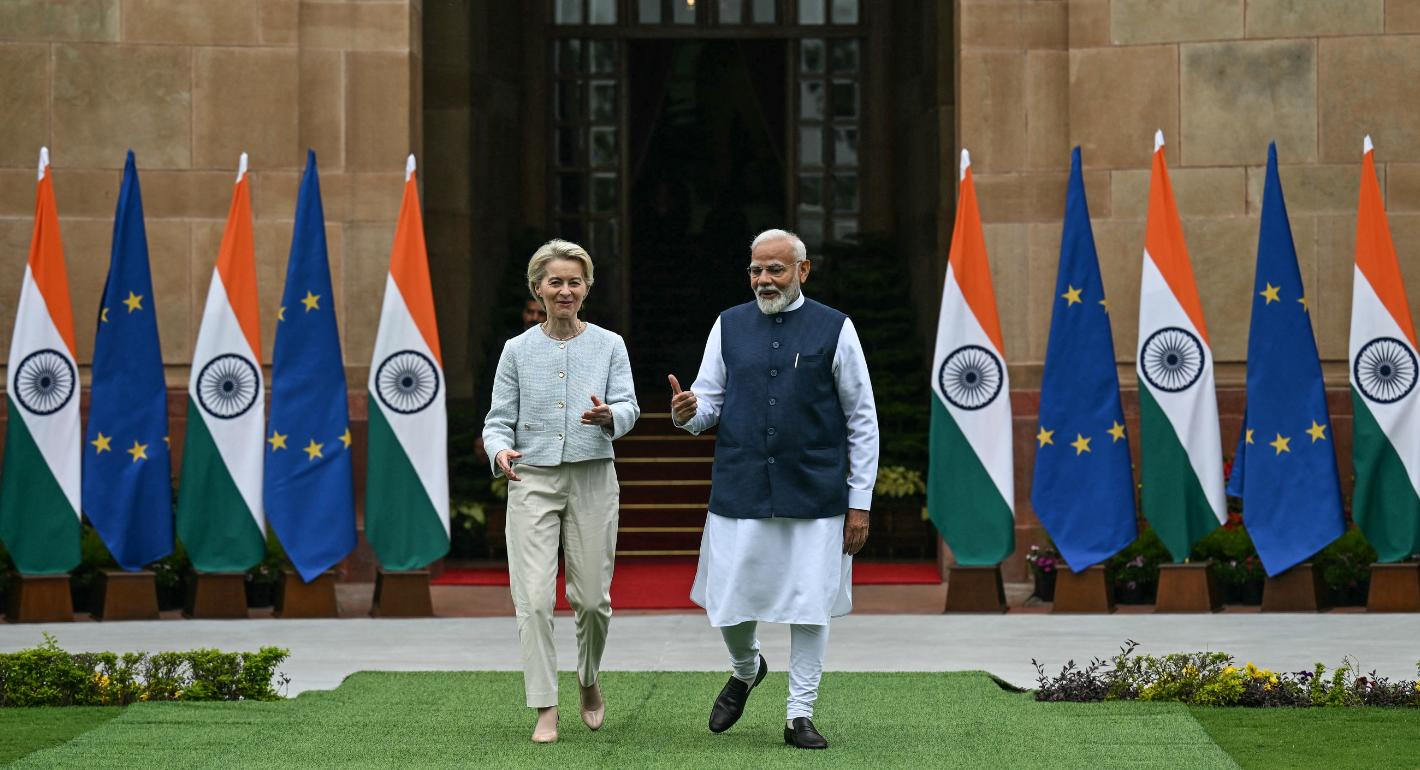
As European leadership prepares for the sixteenth EU-India Summit, both sides must reckon with trade-offs in order to secure a mutually beneficial Free Trade Agreement.
Dinakar Peri
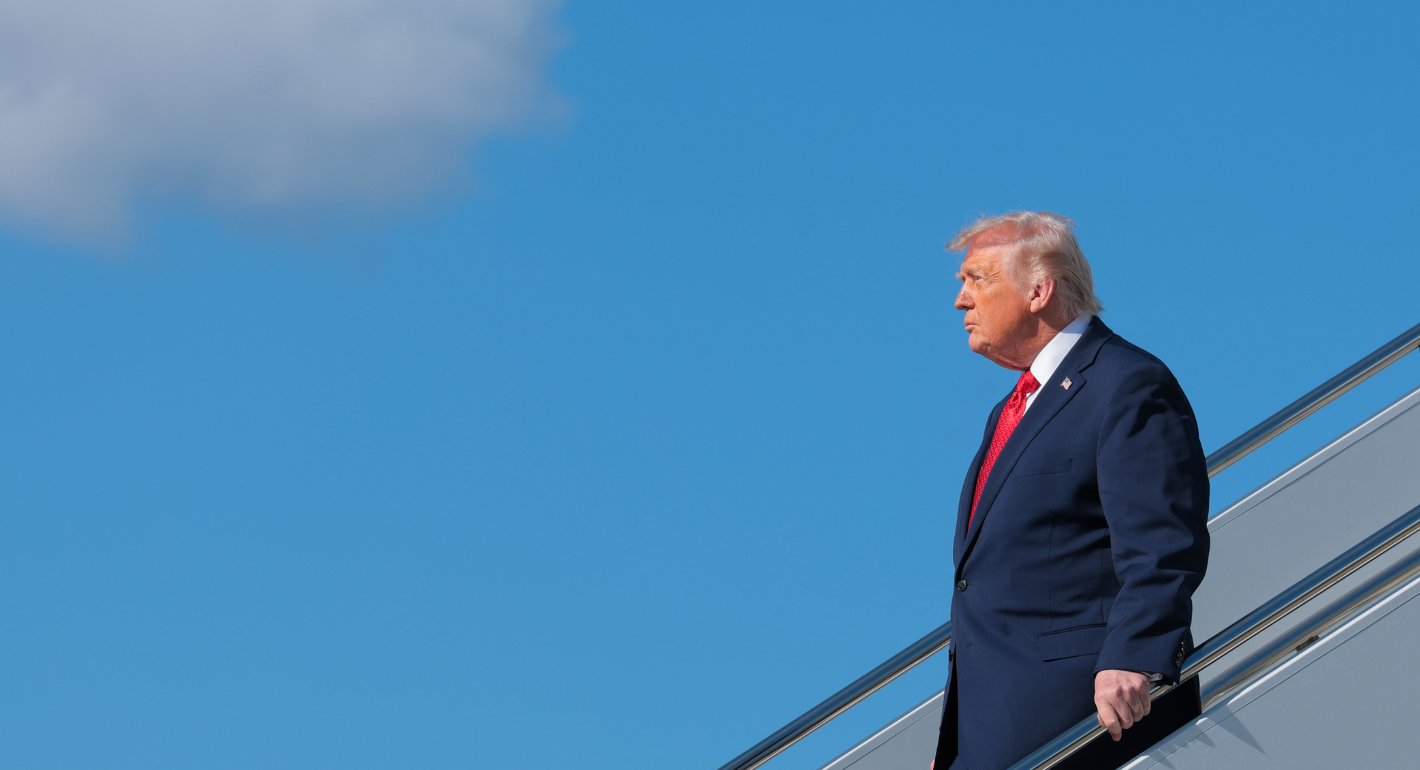
The hyper-personalized new version of global sphere-of-influence politics that Donald Trump wants will fail, as it did for Russia. In the meantime, Europe must still deal with a disruptive former ally determined to break the rules.
Thomas de Waal
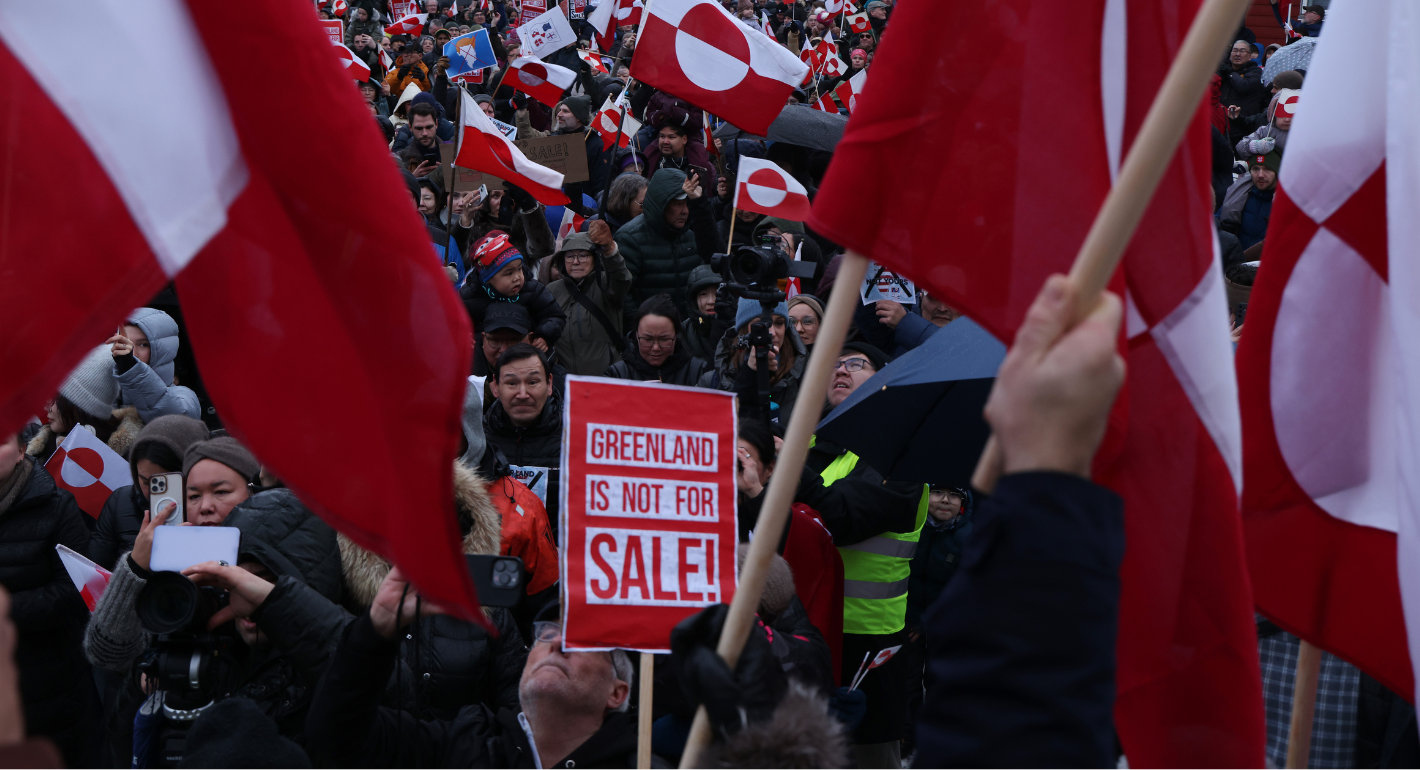
Between Greenland and U.S. interference in Europe’s democracies, transatlantic relations risk rising to an unprecedented level of crisis. Amid continued arguments on how Brussels should react, tough times lie ahead for European leaders.
Marc Pierini
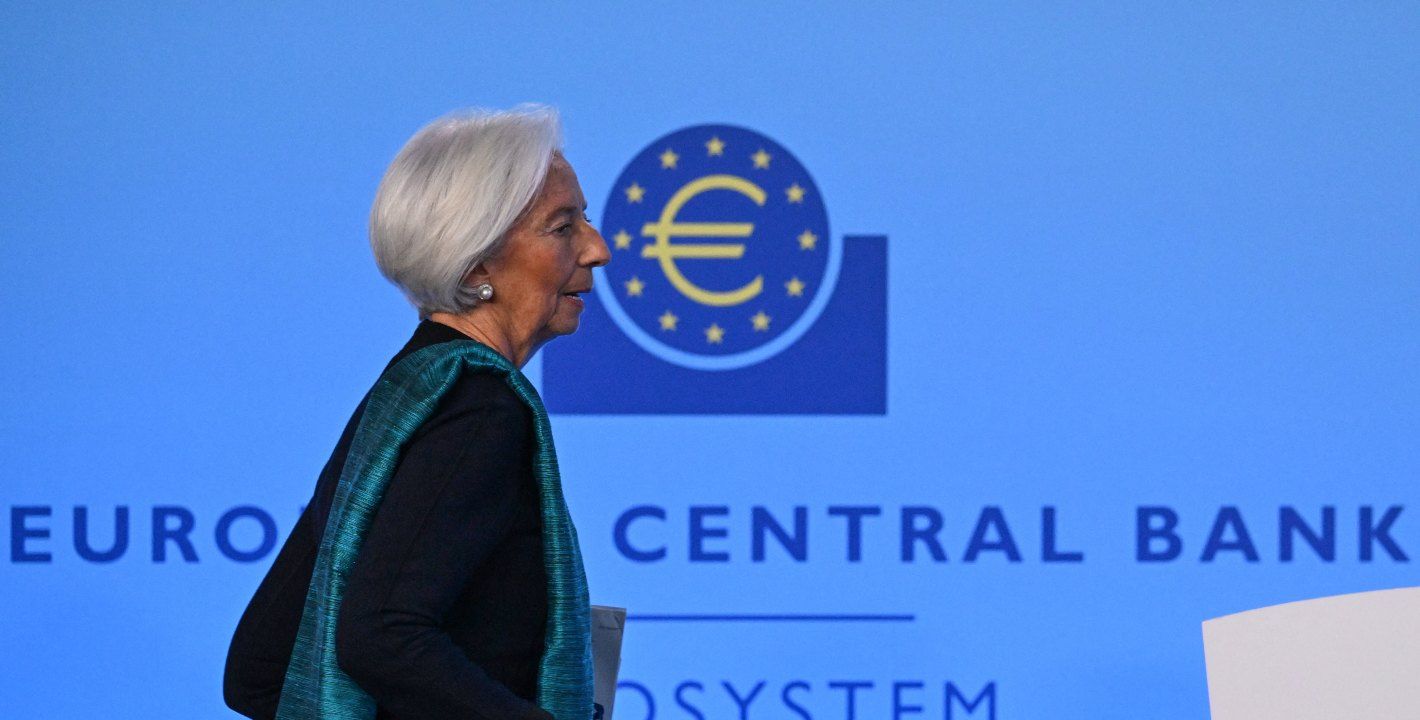
2026 has started in crisis, as the actions of unpredictable leaders shape an increasingly volatile global environment. To shift from crisis response to strategic foresight, what under-the-radar issues should the EU prepare for in the coming year?
Thomas de Waal
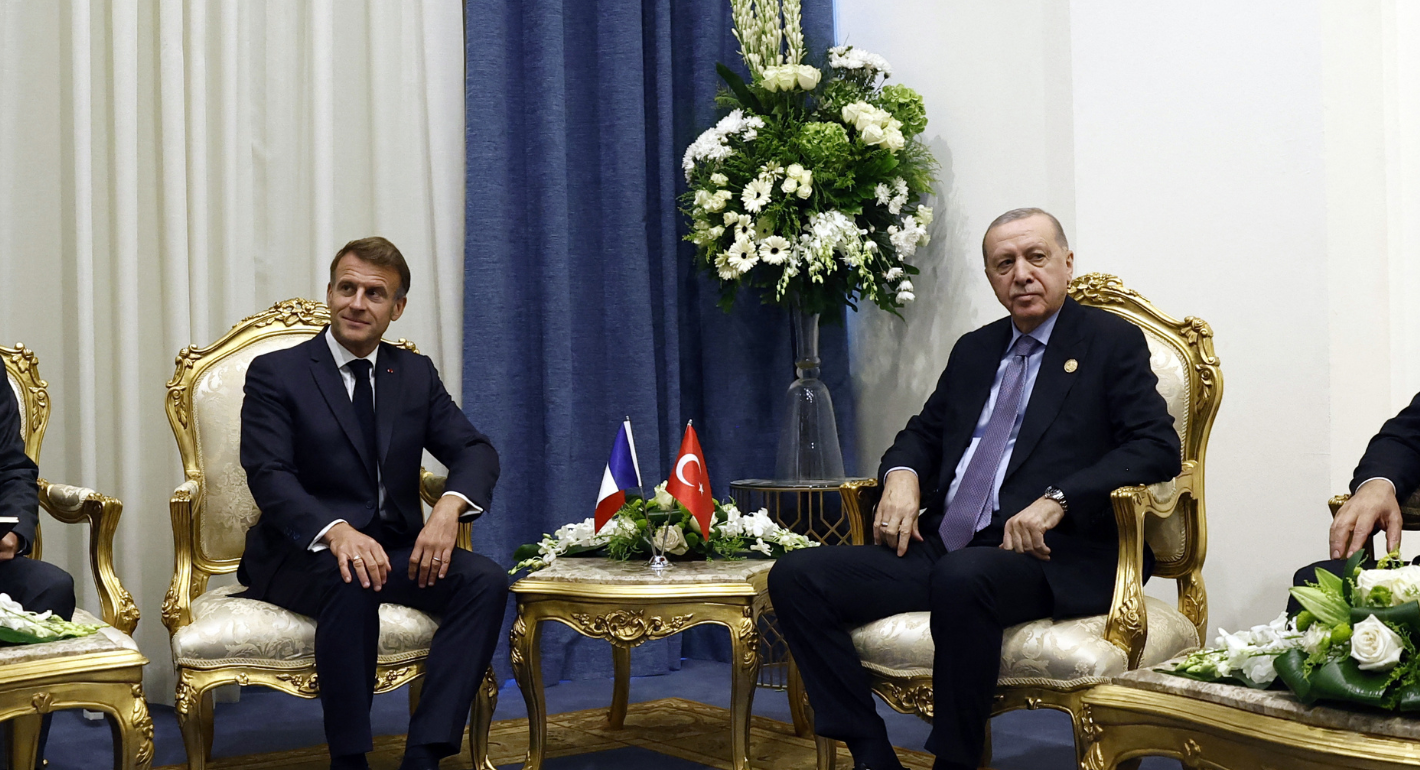
A renewal of relations between France and Turkey is vital to strengthen European strategic autonomy. To make this détente a reality, Paris and Ankara should move beyond personal friction and jointly engage with questions of Black Sea security.
Romain Le Quiniou