

Research
- +11
Frances Z. Brown, Nate Reynolds, Priyal Singh, …
{
  "authors": [
    "Frederic Wehrey"
  ],
  "type": "legacyinthemedia",
  "centerAffiliationAll": "dc",
  "centers": [
    "Carnegie Endowment for International Peace",
    "Malcolm H. Kerr Carnegie Middle East Center"
  ],
  "collections": [],
  "englishNewsletterAll": "menaTransitions",
  "nonEnglishNewsletterAll": "",
  "primaryCenter": "Carnegie Endowment for International Peace",
  "programAffiliation": "MEP",
  "programs": [
    "Middle East"
  ],
  "projects": [],
  "regions": [
    "North Africa",
    "Libya",
    "Maghreb"
  ],
  "topics": [
    "Political Reform",
    "Security",
    "Military"
  ]
}
Source: Getty
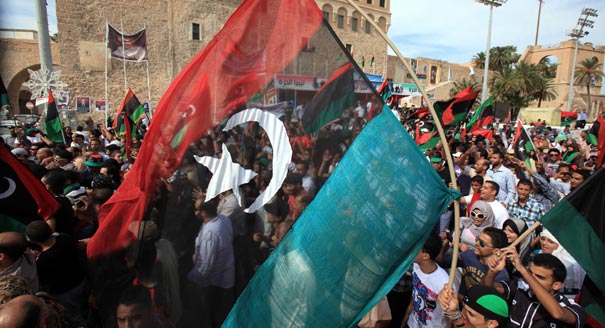
Grievances against Libya’s Zeidan government by the militias are not ideological but rather reflect the government’s inability to deliver services, its lack of transparency, and the way Zeidan governs.
Source: BBC World News America
Speaking on BBC World News America, Carnegie’s Frederic Wehrey discussed recent developments in Libya, including the abduction of the Prime Minister Ali Zeidan and the U.S. raid to capture senior al-Qaeda suspect Anas al-Liby. While there has been a real deterioration in security over the past nine months, Wehrey noted, the situation hasn’t turned into an all-out civil war. After the revolution, the army and police collapsed, allowing militias to have free reign since there was no institutional basis for force in the country. But even so, Wehrey said, “I think there is a sense of unity among Libyans that often gets overlooked and that’s why we haven’t seen the place collapse into something like Somalia or Bosnia yet.”
Although many of the Islamist groups in eastern Libya perhaps share the same world view with al-Qaeda, they are not organizationally linked, Wehrey argued, contending that Libya’s situation should not be read as part of a broader al-Qaeda expansion in North Africa. These Islamist groups in the east have their own local motives that are separate from al-Qaeda’s vision, Wehrey explained. Turning to the abduction of the Prime Minister, Wehrey noted that while the American raid may have been the catalyst, many of the militias are not Islamists and their grievances against the Zeidan government are not ideological but about reflect the inability of the government to deliver services, its lack of transparency, and the way Zeidan governs.
This interview was originally aired on BBC World News America.

Senior Fellow, Middle East Program
Frederic Wehrey is a senior fellow in the Middle East Program at the Carnegie Endowment for International Peace, where his research focuses on governance, conflict, and security in Libya, North Africa, and the Persian Gulf.
Recent Work

Frances Z. Brown, Nate Reynolds, Priyal Singh, …
Charles H. Johnson, Frederic Wehrey
Carnegie does not take institutional positions on public policy issues; the views represented herein are those of the author(s) and do not necessarily reflect the views of Carnegie, its staff, or its trustees.
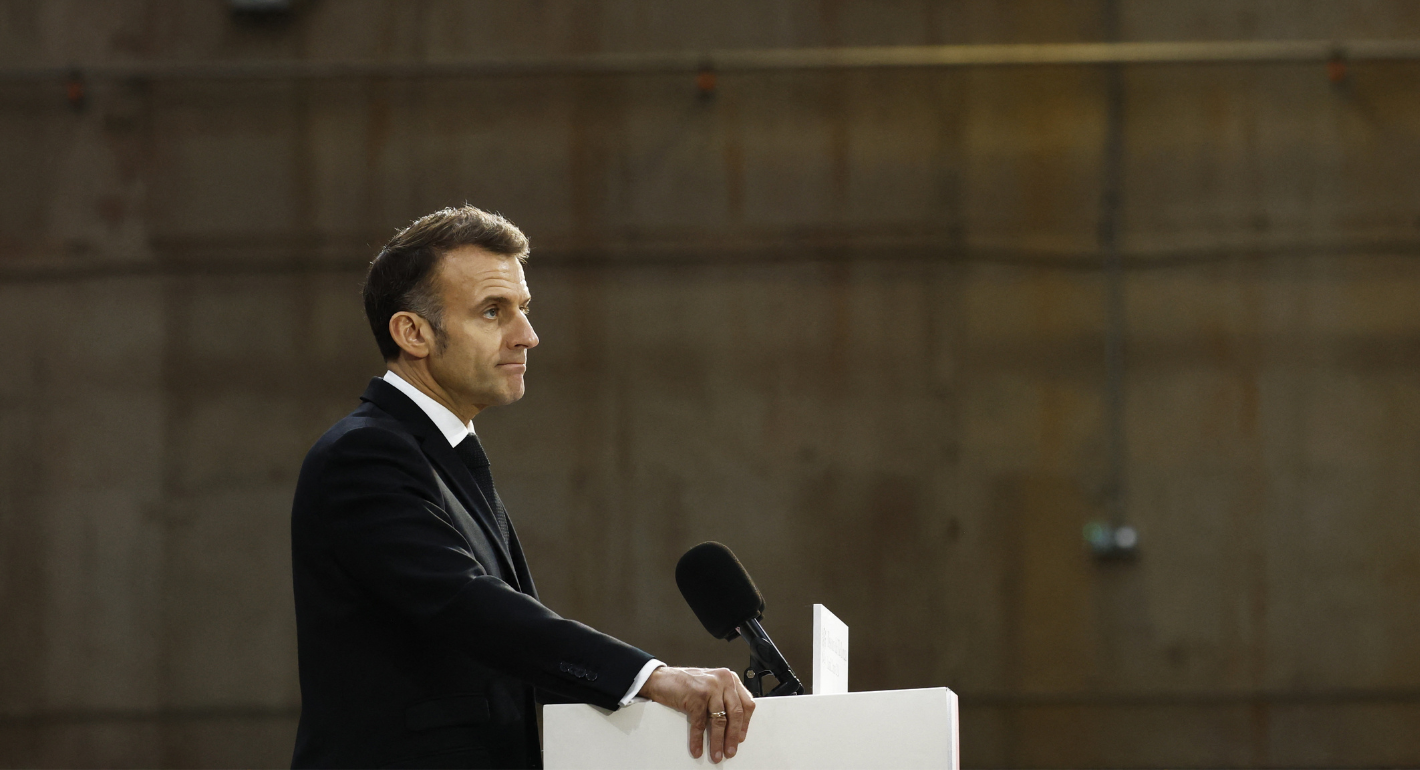
French President Emmanuel Macron has unveiled his country’s new nuclear doctrine. Are the changes he has made enough to reassure France’s European partners in the current geopolitical context?

Rym Momtaz, ed.
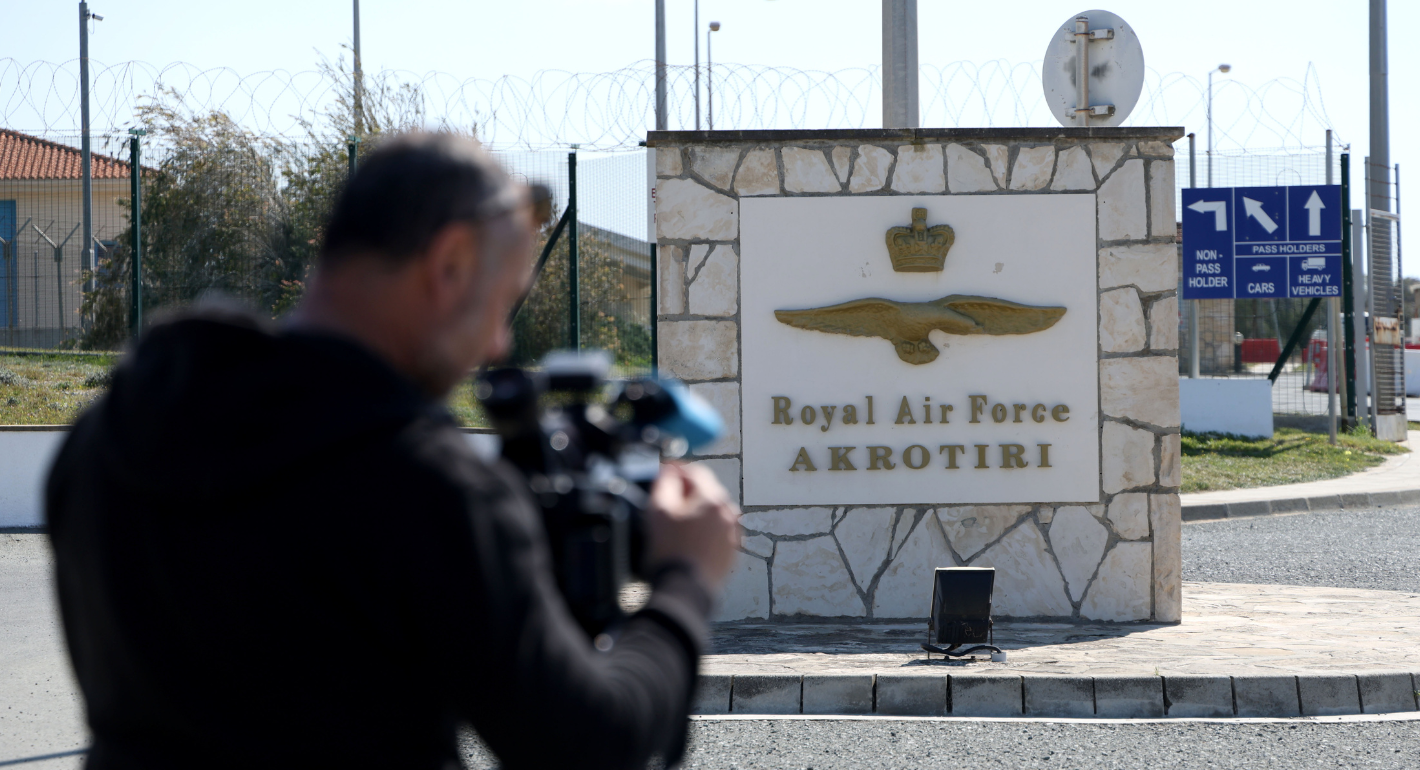
The drone strike on the British air base in Akrotiri brings Europe’s proximity to the conflict in Iran into sharp relief. In the fog of war, old tensions in the Eastern Mediterranean risk being reignited, and regional stakeholders must avoid escalation.

Marc Pierini
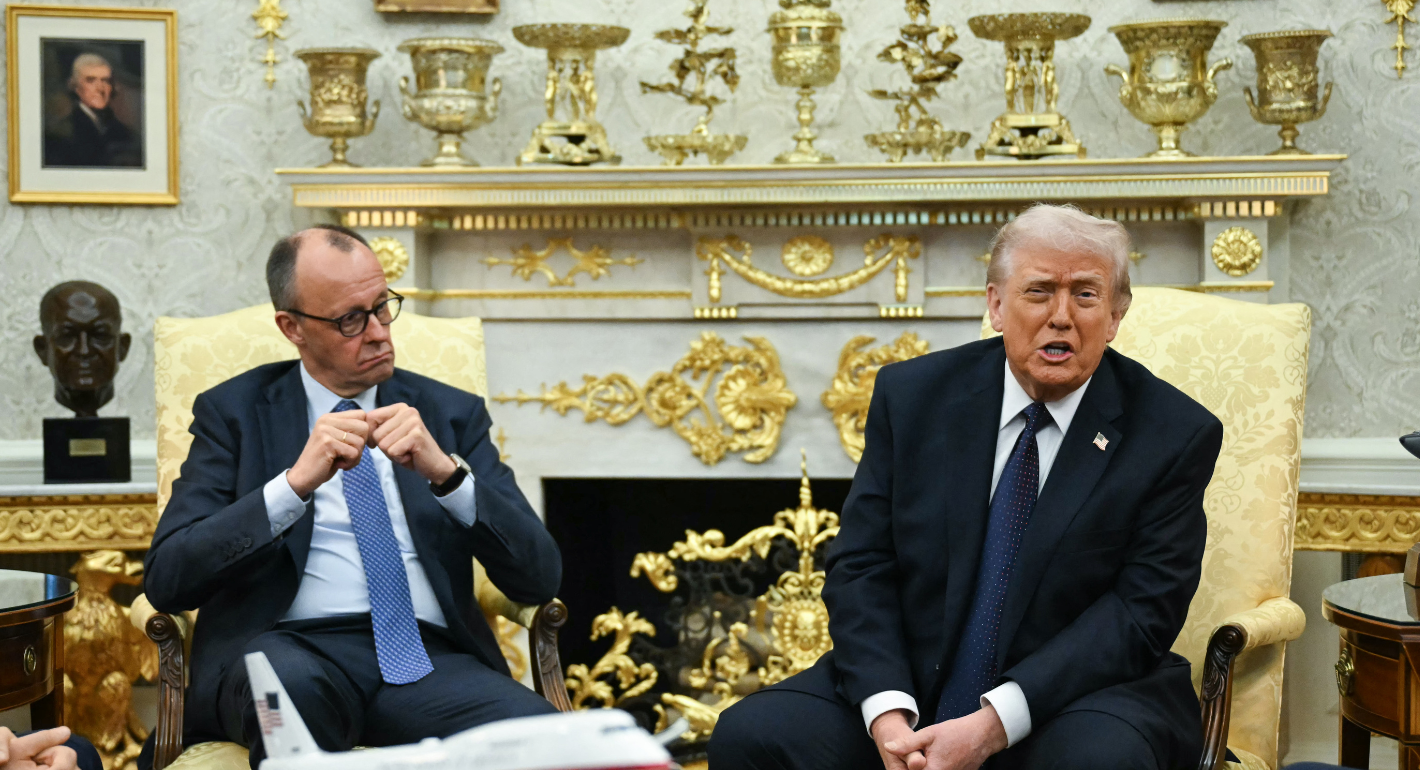
European reactions to the war in Iran have lost sight of wider political dynamics. The EU must position itself for the next phase of the crisis without giving up on its principles.

Richard Youngs
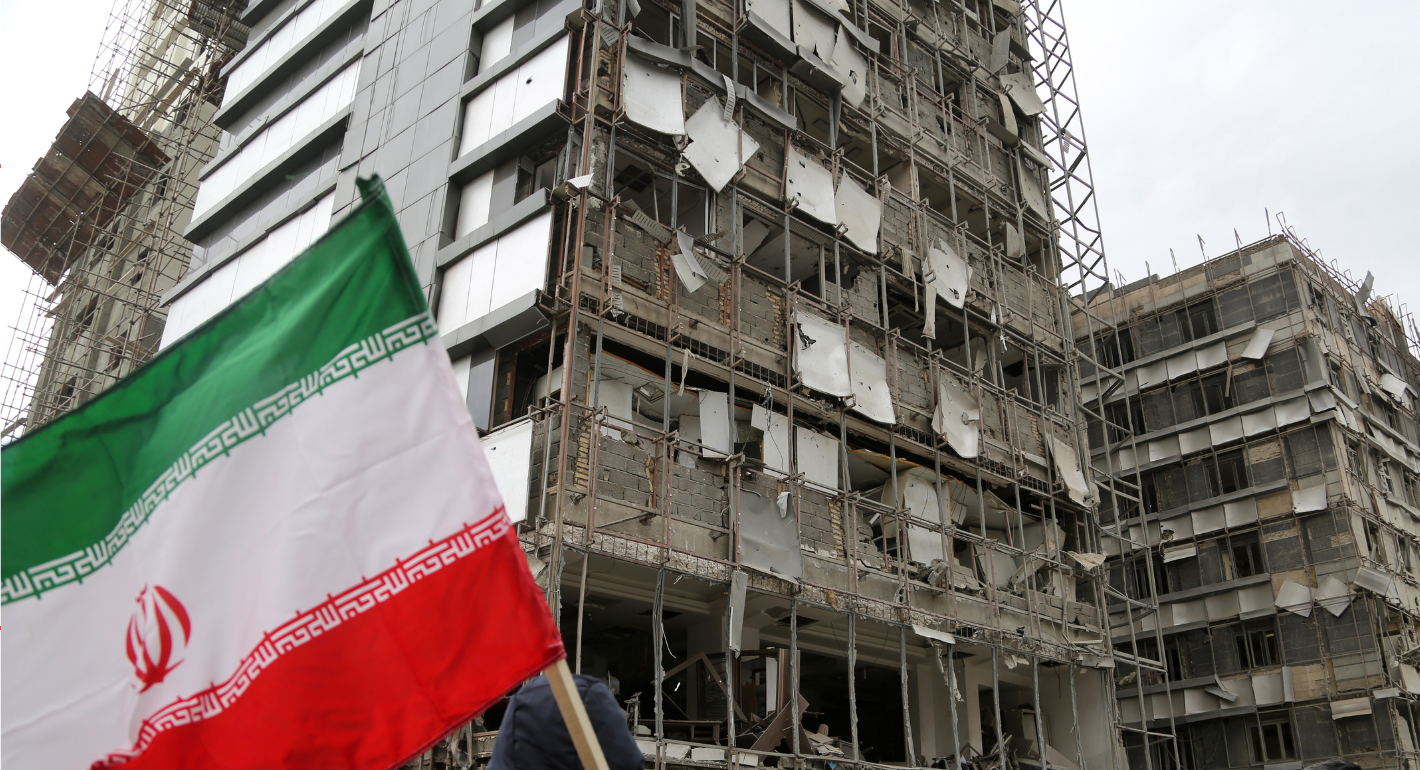
Europe’s reaction to the war in Iran has been disunited and meek, a far cry from its previously leading role in diplomacy with Tehran. To avoid being condemned to the sidelines while escalation continues, Brussels needs to stand up for international law.

Pierre Vimont
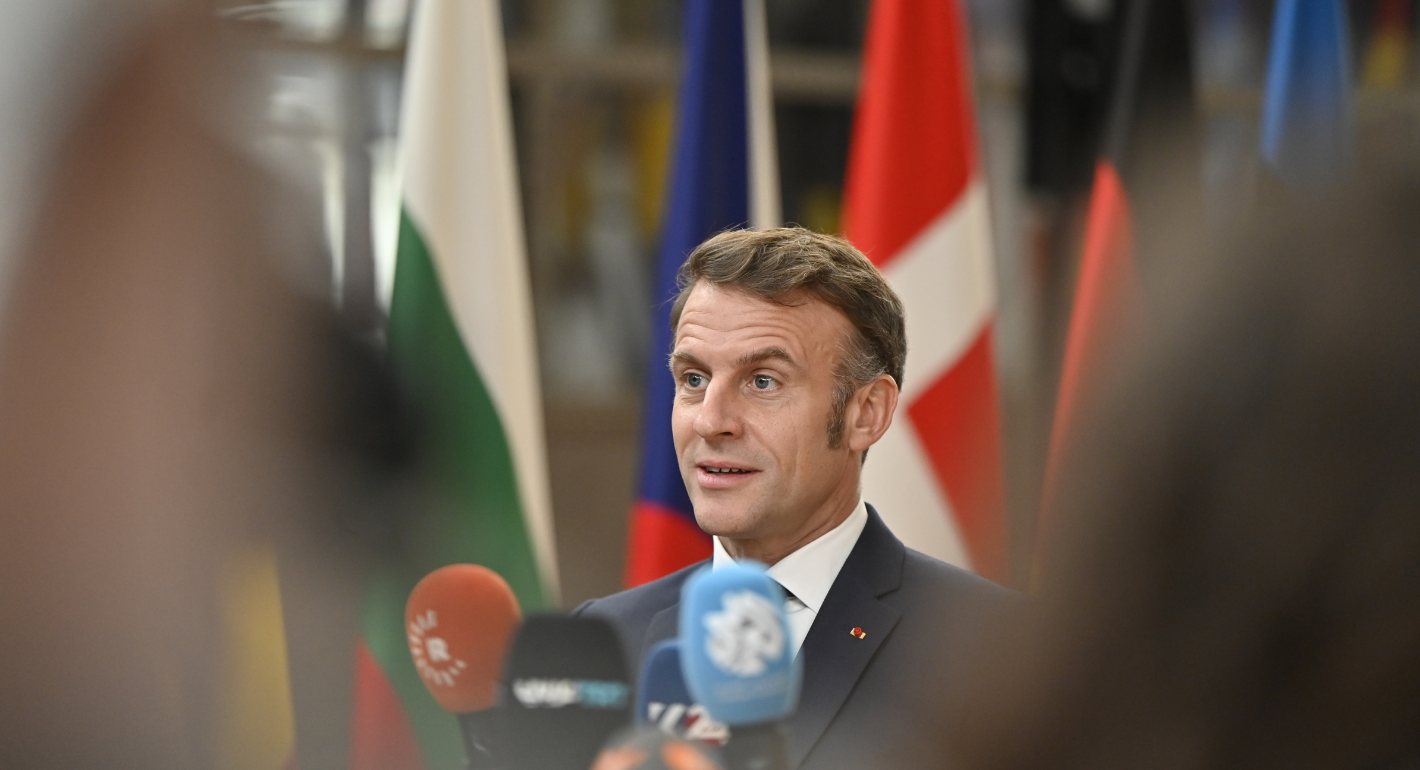
France has stopped clinging to notions of being a great power and is embracing the middle power moment. But Emmanuel Macron has his work cut out if he is to secure his country’s global standing before his term in office ends.
Rym Momtaz