

Commentary
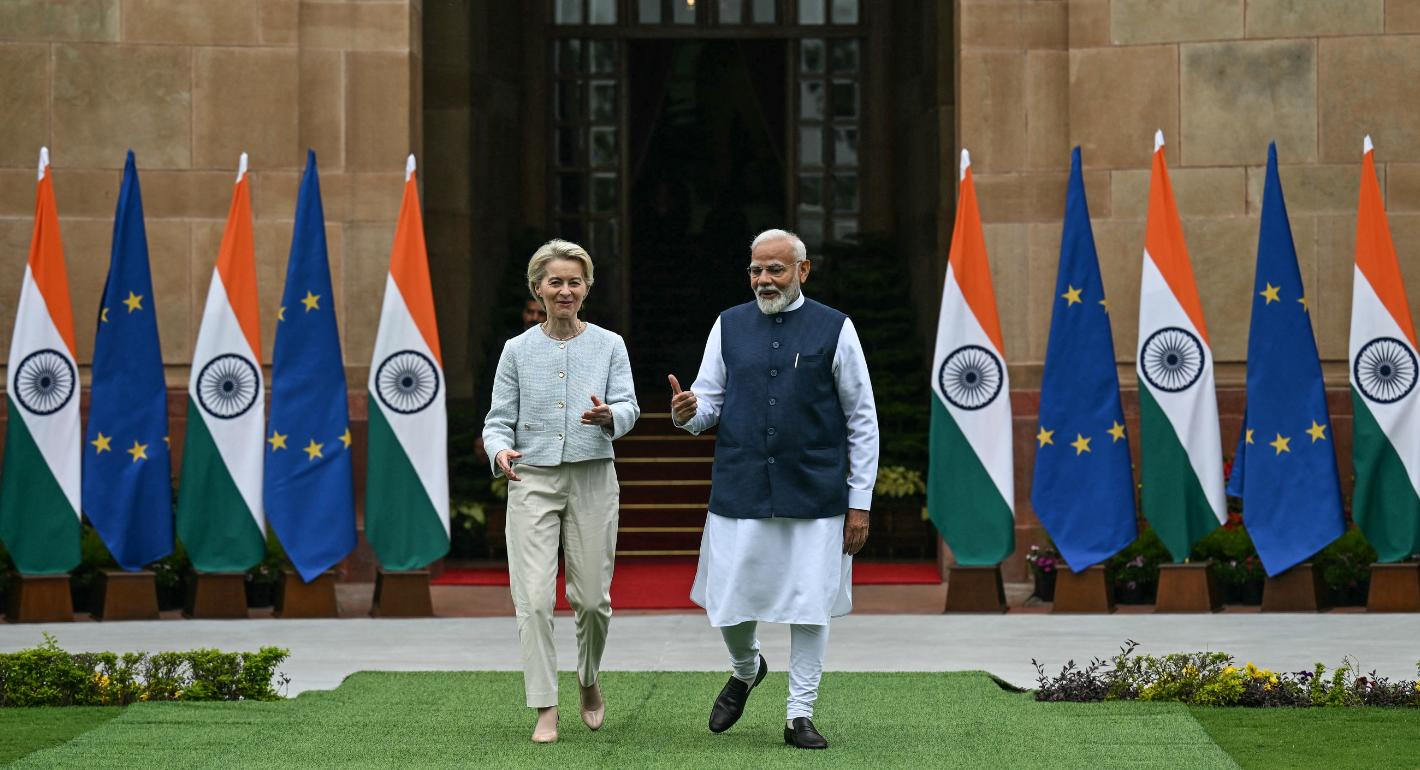
As European leadership prepares for the sixteenth EU-India Summit, both sides must reckon with trade-offs in order to secure a mutually beneficial Free Trade Agreement.
Dinakar Peri
{
  "authors": [
    "Karim Sadjadpour"
  ],
  "type": "legacyinthemedia",
  "centerAffiliationAll": "",
  "centers": [
    "Carnegie Endowment for International Peace",
    "Malcolm H. Kerr Carnegie Middle East Center"
  ],
  "collections": [],
  "englishNewsletterAll": "",
  "nonEnglishNewsletterAll": "",
  "primaryCenter": "Carnegie Endowment for International Peace",
  "programAffiliation": "",
  "programs": [
    "Middle East"
  ],
  "projects": [],
  "regions": [
    "Middle East",
    "Iran"
  ],
  "topics": [
    "Political Reform",
    "Economy",
    "Trade"
  ]
}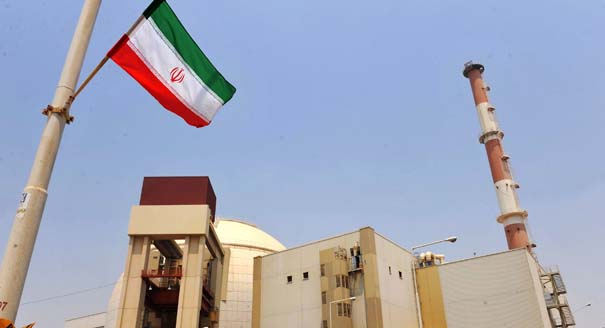
The Iranian nuclear program can at best provide only two percent of Iran’s energy needs. It is an economic catastrophe when compared to the lost foreign investment, oil revenue, and sanctions.
Source: Marketplace
The economic cost of Iran’s nuclear program, in terms of lost foreign investment, oil revenue, and sanctions is about $100 billion dollars, according to Carnegie’s Karim Sadjadpour. Speaking to the Marketplace, Sadjadpour said, “When you look at these enormous costs and you weigh it against what Iran’s nuclear program can really provide in terms of energy, it’s an economic catastrophe.”
“This is a nuclear program which can at best provide only two percent of Iran’s energy needs,” he said, “and in the process of building this nuclear program, they’ve cannibalized their main source of revenue, which is oil and gas.”
Carnegie does not take institutional positions on public policy issues; the views represented herein are those of the author(s) and do not necessarily reflect the views of Carnegie, its staff, or its trustees.
As European leadership prepares for the sixteenth EU-India Summit, both sides must reckon with trade-offs in order to secure a mutually beneficial Free Trade Agreement.

Dinakar Peri
In Donald Trump’s second term in office, the transatlantic relationship that helped define the postwar European project and global order appears broken. Is it time for Brussels to chart its own path?


Nathalie Tocci, Jan Techau
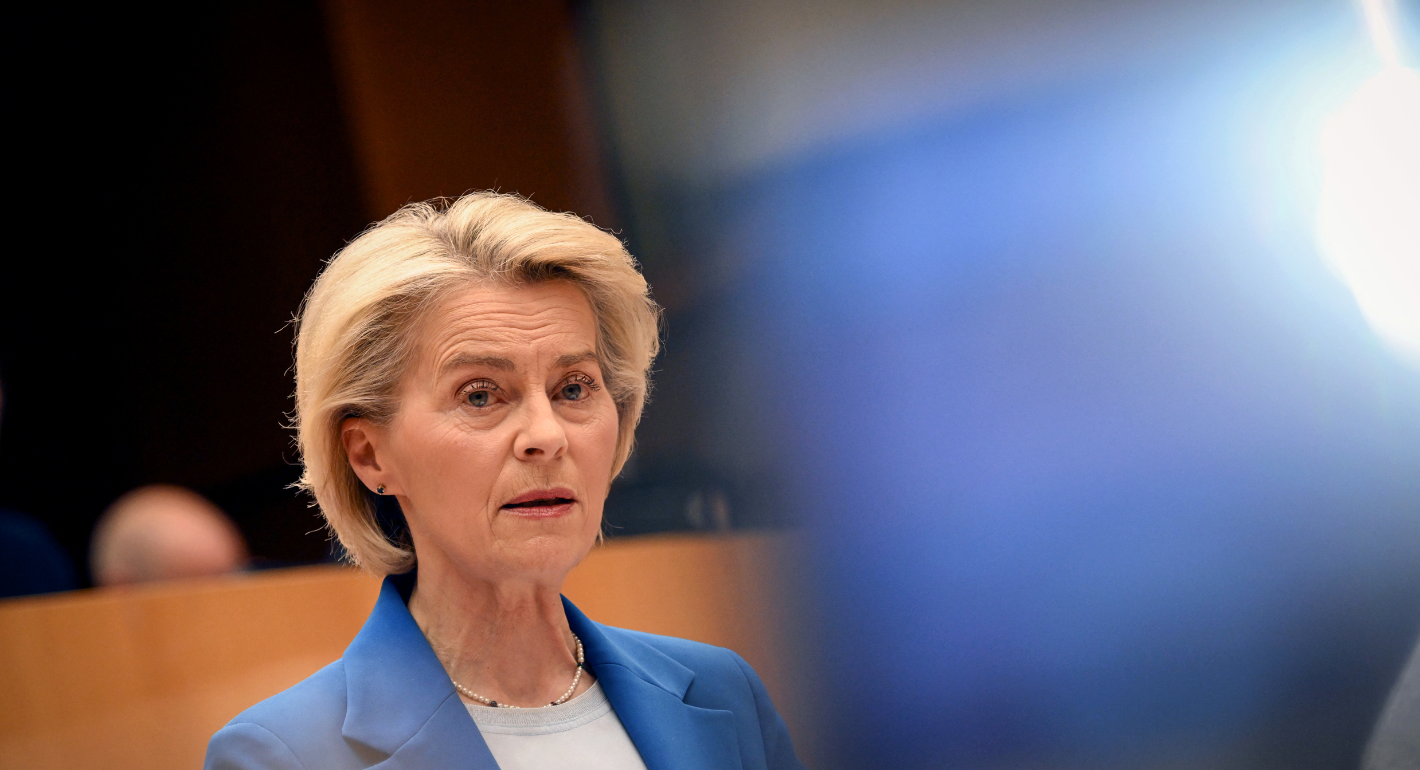
Beset by an increasingly hostile United States, internal divisions, and the threat of Russian aggression, the EU finds itself in a make-or-break moment. U.S. President Donald Trump calls it a decaying group of nations headed by weak leaders. Is Europe able to prove him wrong?
Thomas de Waal
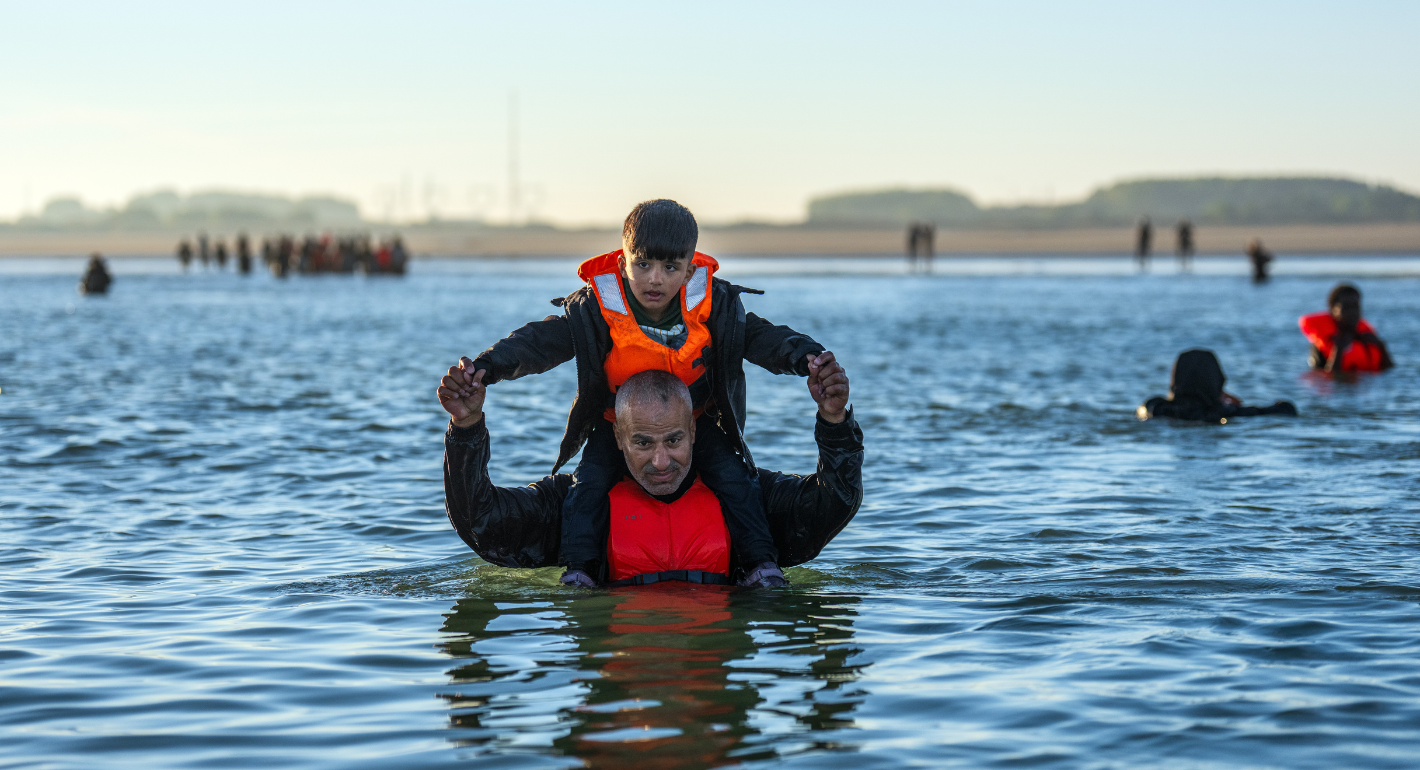
Hard-line approaches to asylum policy are increasingly common, with crackdowns proposed even by parties that traditionally hold liberal views on migration. Does this shift represent a break with Europe’s fundamental values?
Thomas de Waal
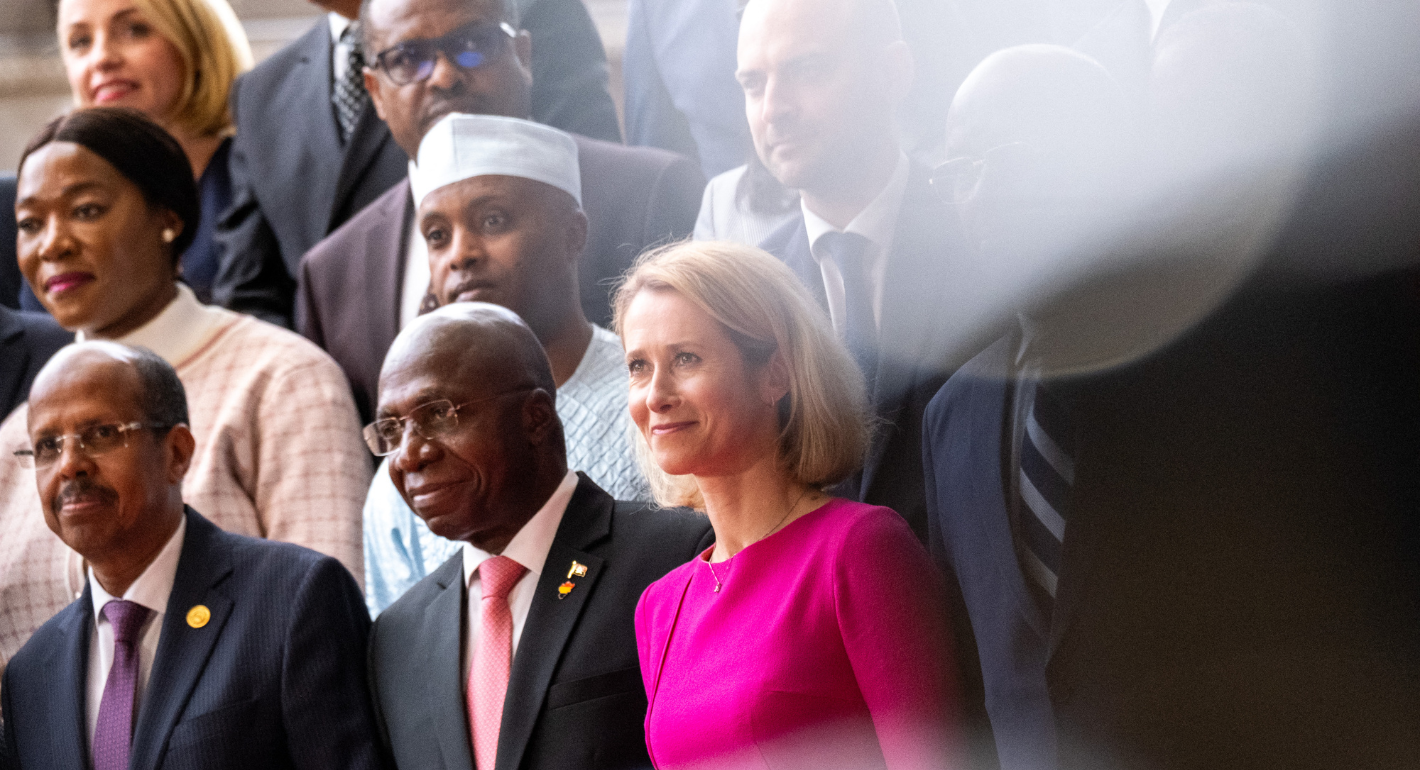
Despite the strategic importance of relations between the EU and the African Union, deep divisions remain between the blocs. At their upcoming summit, both partners should strive to build a mutually beneficial cooperation.

Marta Martinelli