

Commentary
As European leadership prepares for the sixteenth EU-India Summit, both sides must reckon with trade-offs in order to secure a mutually beneficial Free Trade Agreement.
Dinakar Peri
{
  "authors": [],
  "type": "pressRelease",
  "centerAffiliationAll": "",
  "centers": [
    "Carnegie Endowment for International Peace",
    "Carnegie Russia Eurasia Center",
    "Malcolm H. Kerr Carnegie Middle East Center",
    "Carnegie China"
  ],
  "collections": [],
  "englishNewsletterAll": "",
  "nonEnglishNewsletterAll": "",
  "primaryCenter": "Carnegie Endowment for International Peace",
  "programAffiliation": "",
  "programs": [],
  "projects": [],
  "regions": [],
  "topics": []
}
REQUIRED IMAGE
The Honorable William J. Burns, former U.S. deputy secretary of state, begins today as president of the Carnegie Endowment for International Peace. Ambassador Burns is Carnegie’s ninth president in its 105-year history.
Prior to joining Carnegie, Burns served as deputy secretary of state for more than three years, only the second serving career diplomat to hold the title. He holds the rank of career ambassador, the highest in the U.S. Foreign Service. Among other posts during his 33-year diplomatic career, he served as undersecretary for political affairs from 2008 to 2011, ambassador to Russia from 2005 to 2008, assistant secretary of state for Near Eastern affairs from 2001 to 2005, and ambassador to Jordan from 1998 to 2001.
Accepting the position, Burns said, “I am delighted to be coming to Carnegie and honored to follow in the footsteps of Jessica Mathews. Since announcing my retirement from the State Department in April, I have thought long and hard about what I wanted to do next. And I believe that Carnegie, with its five centers around the world and superb staff and scholars, offers an extraordinary opportunity to be able to continue to play an important and constructive role in global affairs from outside government service.”
Harvey V. Fineberg, chairman of Carnegie’s Board of Trustees, said, “We are all very enthusiastic about the prospect of Bill’s leadership at Carnegie. He will bring an unparalleled grasp of international affairs and respect from across the political spectrum, as well as an extraordinary network of relationships and connections to the highest levels of governments around the world.”
Jessica Tuchman Mathews has stepped down as president after 18 years in the post. She will continue at Carnegie as a distinguished fellow, researching and writing on U.S. foreign policy and the global agenda.
At a farewell gala in honor of Mathews on Monday night that was attended by dignitaries from the foreign policy community, U.S. Secretary of State John Kerry said, “I don’t know of anyone in our generation who can match Jessica’s breadth of vision, her ability to see the whole picture—to take into account the economic, technological, cultural, political, and security dimensions of any problem and distill them all into a single narrative that makes complete sense. [She’s] the Stephen Hawking of public policy—always several steps ahead of everyone else.”
The Carnegie Endowment for International Peace is a unique global network of policy research centers in Russia, China, Europe, the Middle East, and the United States. Our mission, dating back more than a century, is to advance the cause of peace through analysis and development of fresh policy ideas and direct engagement and collaboration with decisionmakers in government, business, and civil society. Working together, our centers bring the inestimable benefit of multiple national viewpoints to bilateral, regional, and global issues.
The latest University of Pennsylvania worldwide think tank rankings placed Carnegie #3 in the world and #1 for most innovative policy ideas out of 6,600 institutions. The Carnegie Middle East Center in Beirut and the Carnegie Moscow Center were both named #1 in their respective regions.
Carnegie does not take institutional positions on public policy issues; the views represented herein are those of the author(s) and do not necessarily reflect the views of Carnegie, its staff, or its trustees.
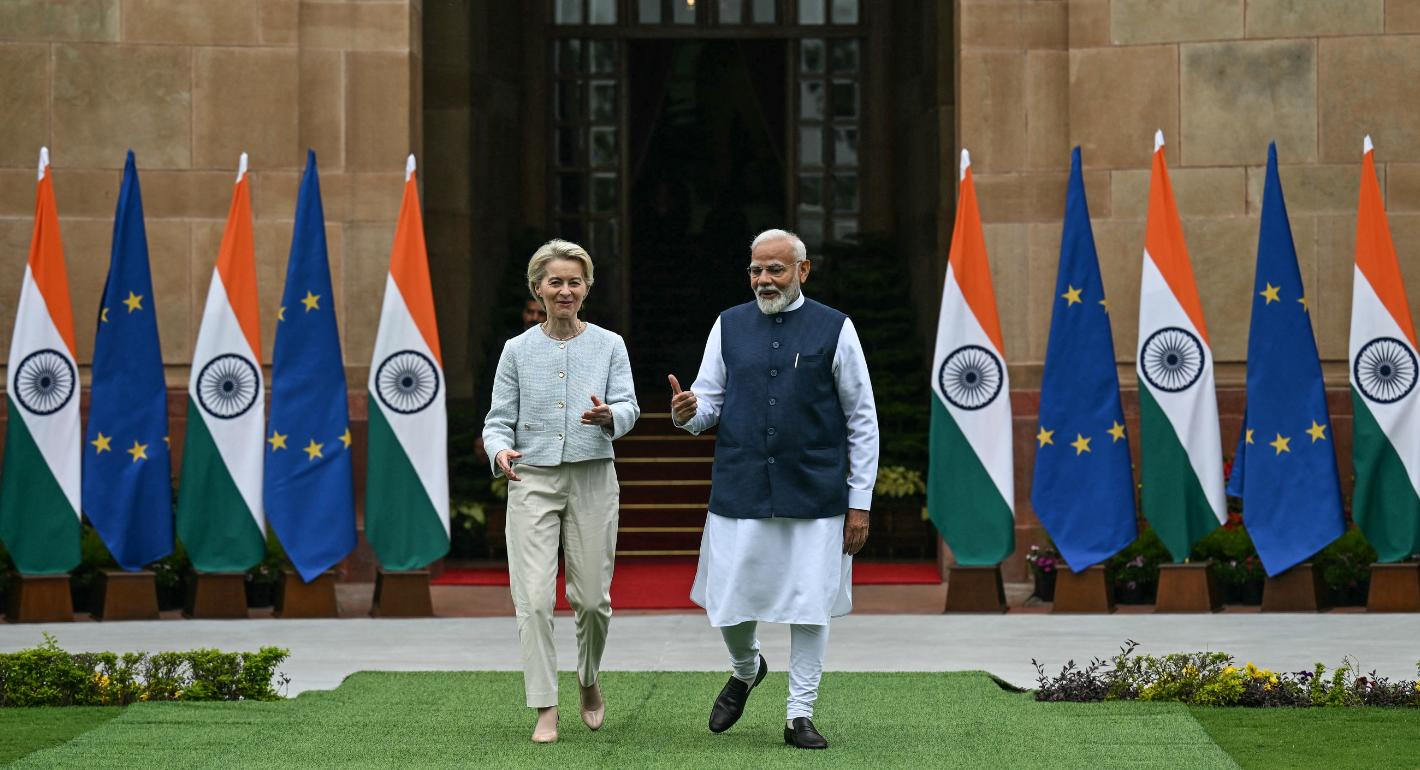
As European leadership prepares for the sixteenth EU-India Summit, both sides must reckon with trade-offs in order to secure a mutually beneficial Free Trade Agreement.
Dinakar Peri
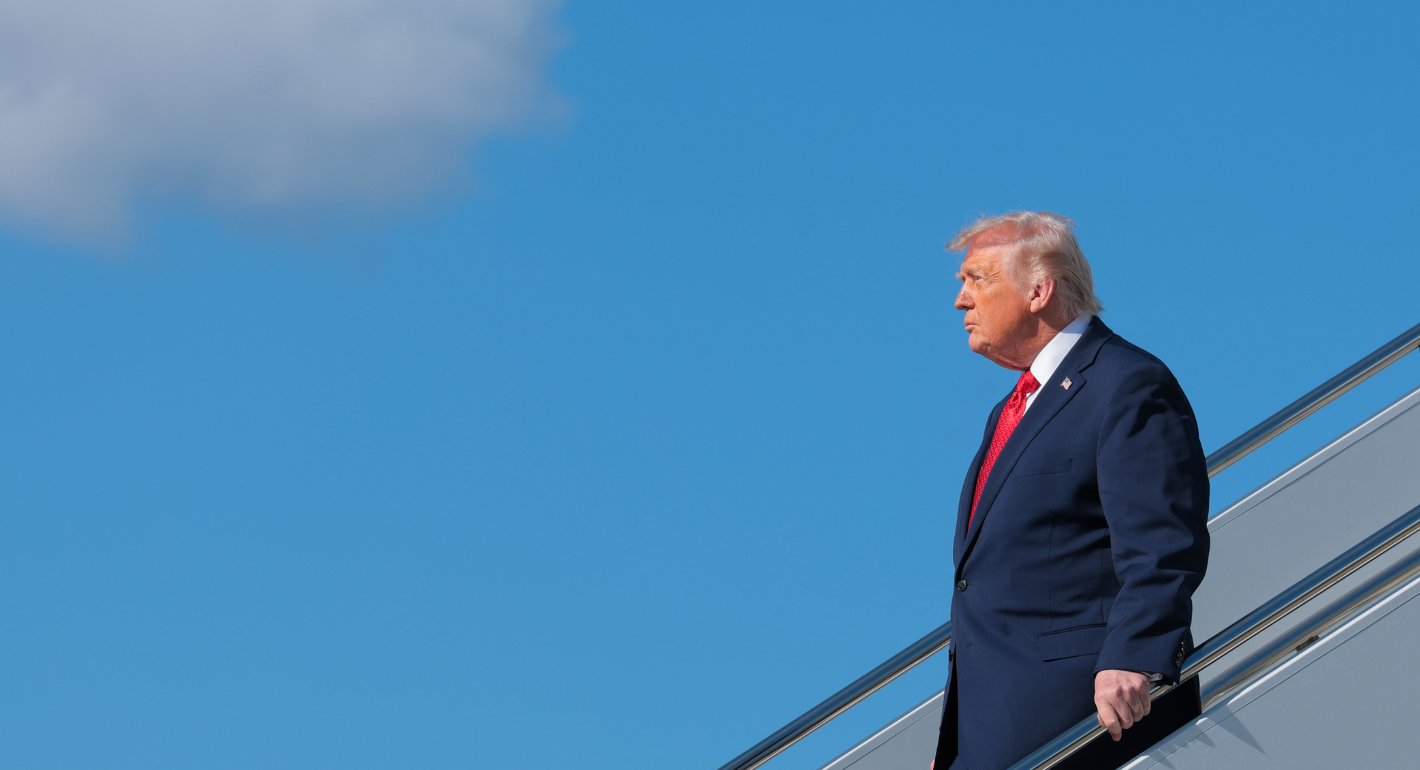
The hyper-personalized new version of global sphere-of-influence politics that Donald Trump wants will fail, as it did for Russia. In the meantime, Europe must still deal with a disruptive former ally determined to break the rules.
Thomas de Waal
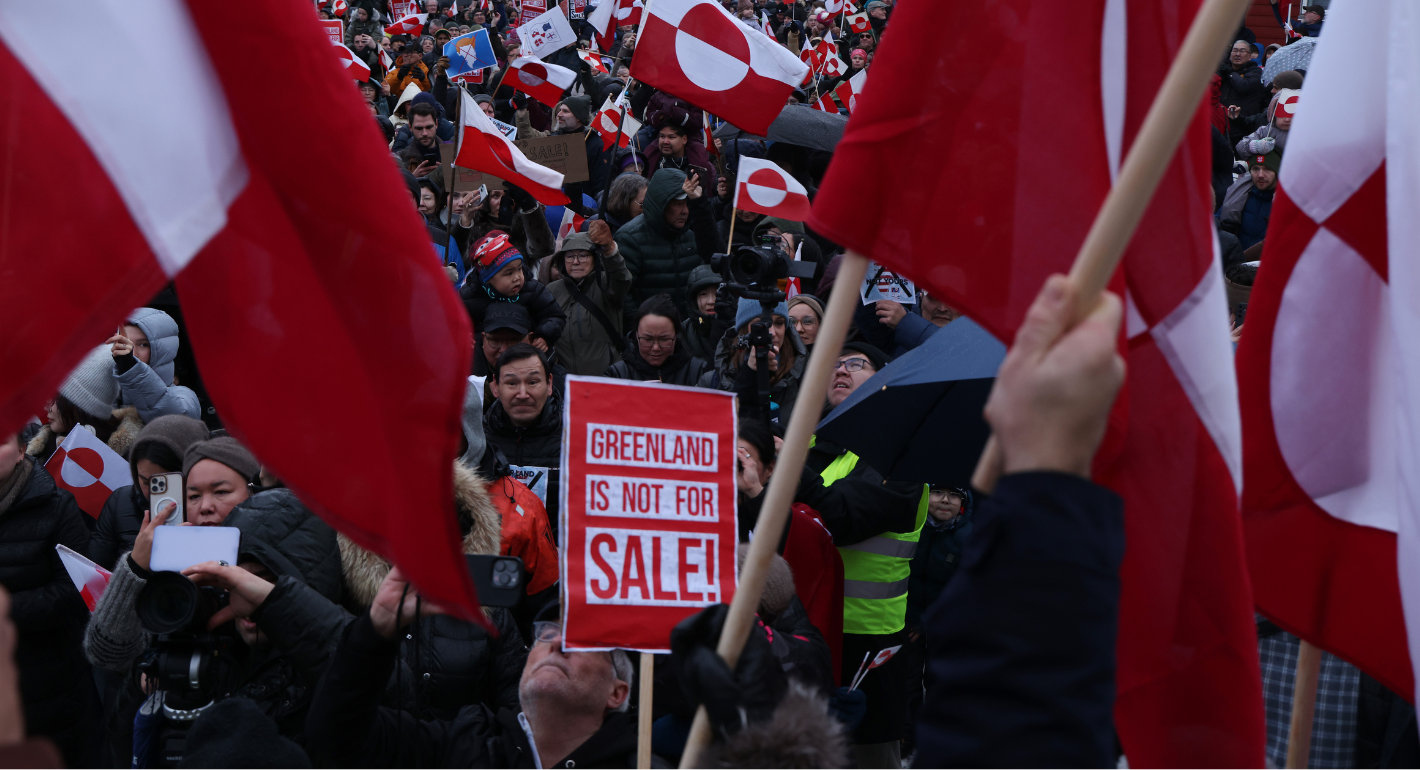
Between Greenland and U.S. interference in Europe’s democracies, transatlantic relations risk rising to an unprecedented level of crisis. Amid continued arguments on how Brussels should react, tough times lie ahead for European leaders.
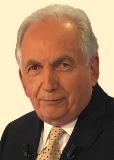
Marc Pierini
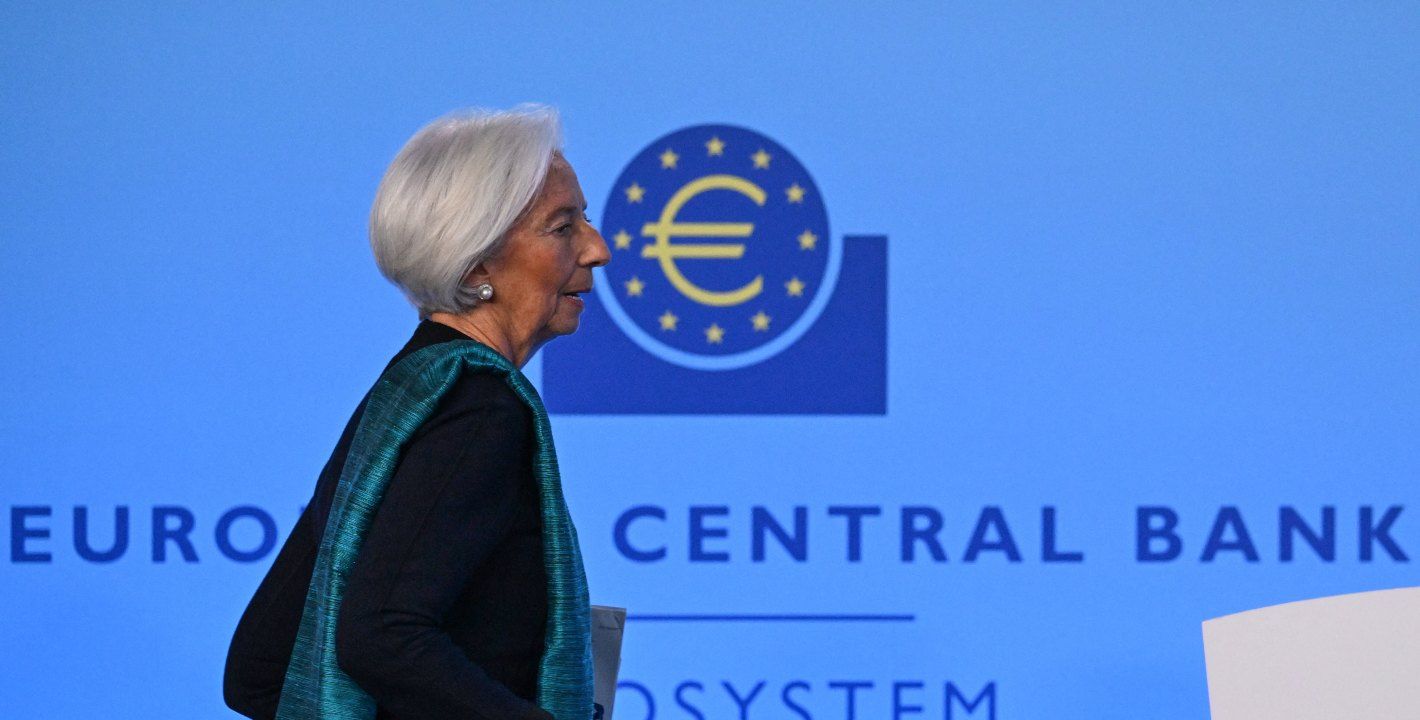
2026 has started in crisis, as the actions of unpredictable leaders shape an increasingly volatile global environment. To shift from crisis response to strategic foresight, what under-the-radar issues should the EU prepare for in the coming year?
Thomas de Waal
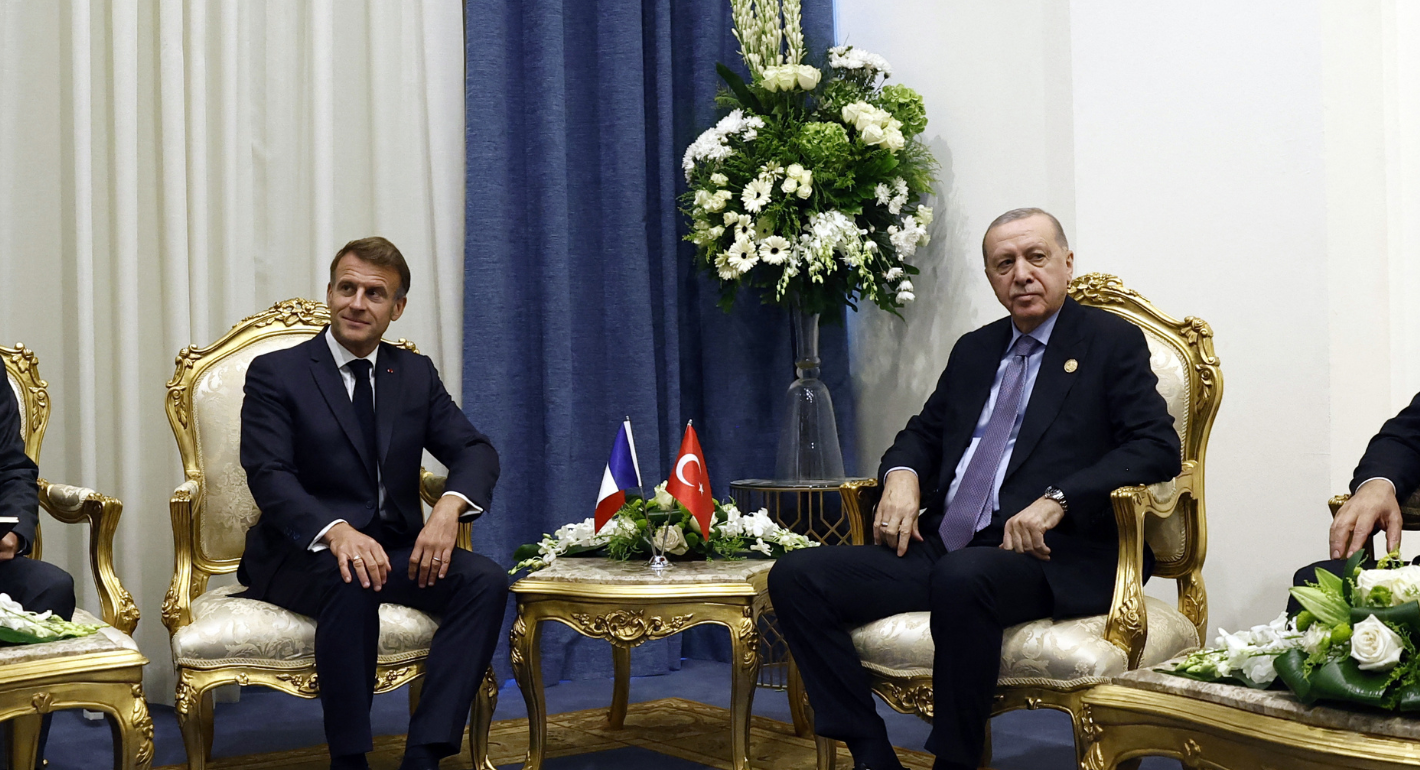
A renewal of relations between France and Turkey is vital to strengthen European strategic autonomy. To make this détente a reality, Paris and Ankara should move beyond personal friction and jointly engage with questions of Black Sea security.
Romain Le Quiniou