

Commentary
As European leadership prepares for the sixteenth EU-India Summit, both sides must reckon with trade-offs in order to secure a mutually beneficial Free Trade Agreement.
Dinakar Peri
{
  "authors": [
    "Paul Stronski"
  ],
  "type": "other",
  "centerAffiliationAll": "",
  "centers": [
    "Carnegie Endowment for International Peace"
  ],
  "collections": [],
  "englishNewsletterAll": "",
  "nonEnglishNewsletterAll": "",
  "primaryCenter": "Carnegie Endowment for International Peace",
  "programAffiliation": "",
  "programs": [
    "Russia and Eurasia"
  ],
  "projects": [],
  "regions": [
    "Caucasus",
    "Russia",
    "Georgia"
  ],
  "topics": [
    "Foreign Policy"
  ]
}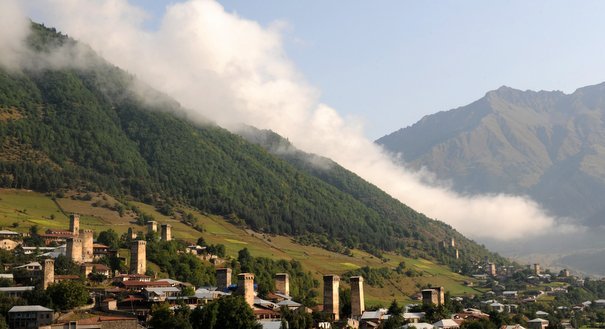
Russia’s military intervention and recent withdrawal from Syria have had far-reaching effects. Georgia is watching closely as events unfold.
Source: Accent
Russia’s stated objective of fighting terrorism was not its main objective from the start. Russia’s campaign focused mostly on shoring up the Assad regime with attacks on the more moderate opposition rebels in Syria. Russia’s real objectives in Syria seem to be securing the Asad regime’s ability to survive and jumpstarting diplomatic negotiations on Syria with Russia at the table. It achieved those objectives. Russia also withdrew in part because of the enormous costs of the campaign. Russia is already funding another war in Ukraine and has enormous obligations due to the need to integrate Crimea into the Russian economy. This is occurring at a time when the Russian economy is in severe trouble due to persistently low oil prices. The withdrawal was announced before the Russian public became aware of the true costs of this war – a war that was not universally popular.
On the withdrawal of Russian troops leading to the end of sanctions, I doubt it, particularly regarding U.S. sanctions. They are in place because of the annexation of Crimea and the war in Ukraine. As long as those issues remain unresolved, U.S. sanctions will continue. Regarding European sanctions, that is a bit more complex. EU unity over sanctions is fraying, but that has less to do with Syria and more to do with internal European issues and certain countries concerns about the economic impact of sanctions to European businesses.
The biggest recruiting tool for extremist groups is disenfranchisement. When minority groups feel oppressed and either economically or socially disenfranchised, they are more likely to fall prey to extremist messages. In addition to offering contractual military service to people in the Pankisi Gorge, any efforts to improve the economy and employment opportunities beyond the military would be a good idea. It is also important not to marginalize any ethnic groups in the country. Marginalization of Muslim minorities often pushes youth towards extremism, so it is not just what the government can do in the short term, but what it can do to make sure that Georgian society remains open, pluralistic and tolerant of all citizens of Georgia.
Carnegie does not take institutional positions on public policy issues; the views represented herein are those of the author(s) and do not necessarily reflect the views of Carnegie, its staff, or its trustees.
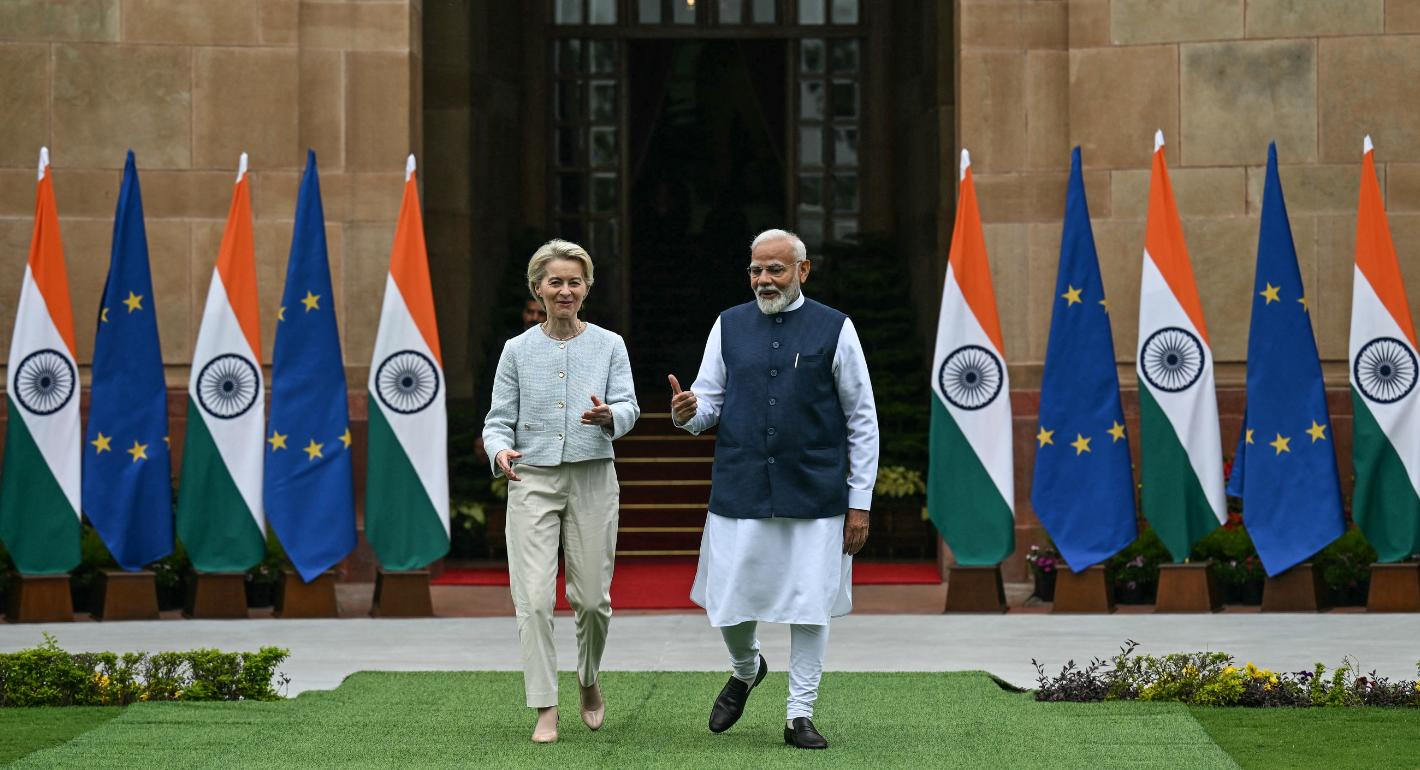
As European leadership prepares for the sixteenth EU-India Summit, both sides must reckon with trade-offs in order to secure a mutually beneficial Free Trade Agreement.

Dinakar Peri
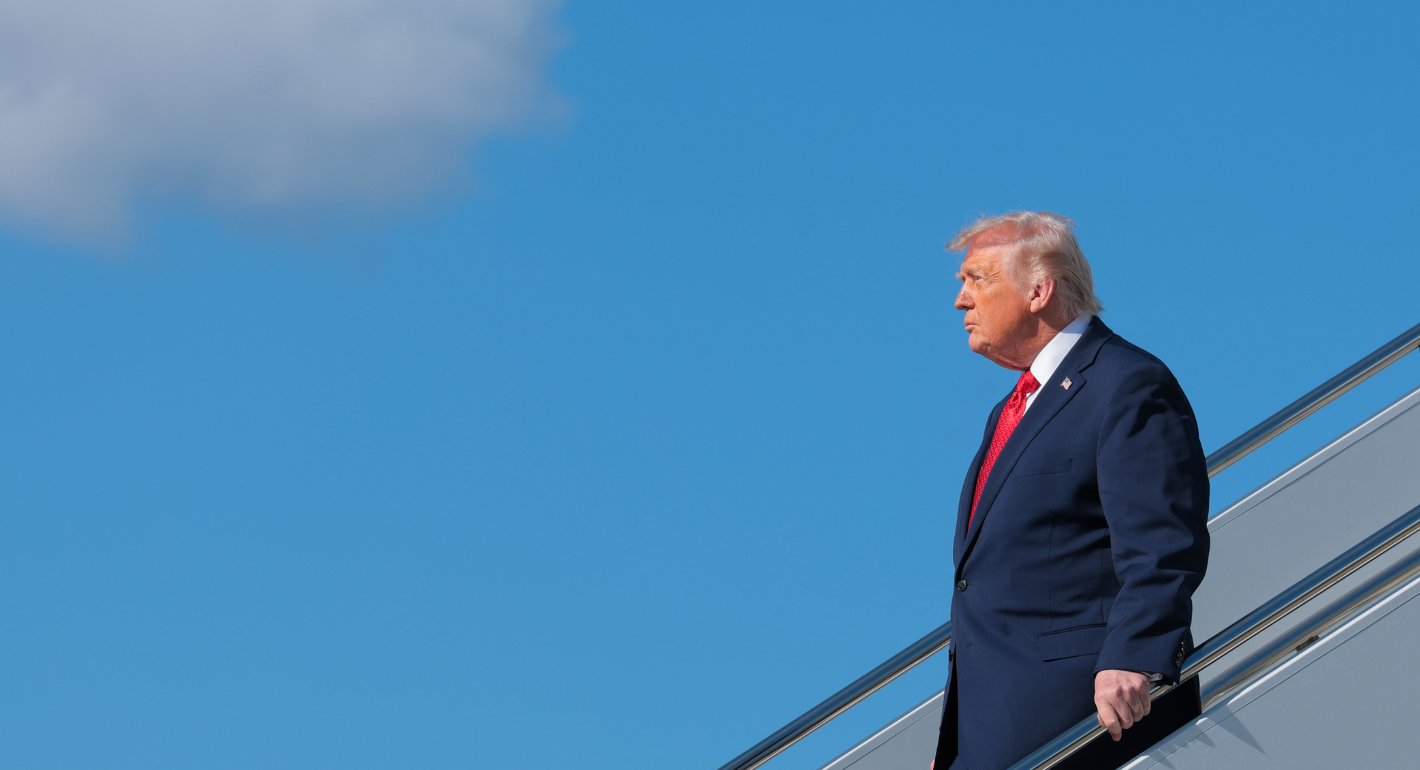
The hyper-personalized new version of global sphere-of-influence politics that Donald Trump wants will fail, as it did for Russia. In the meantime, Europe must still deal with a disruptive former ally determined to break the rules.

Thomas de Waal
2026 has started in crisis, as the actions of unpredictable leaders shape an increasingly volatile global environment. To shift from crisis response to strategic foresight, what under-the-radar issues should the EU prepare for in the coming year?
Thomas de Waal
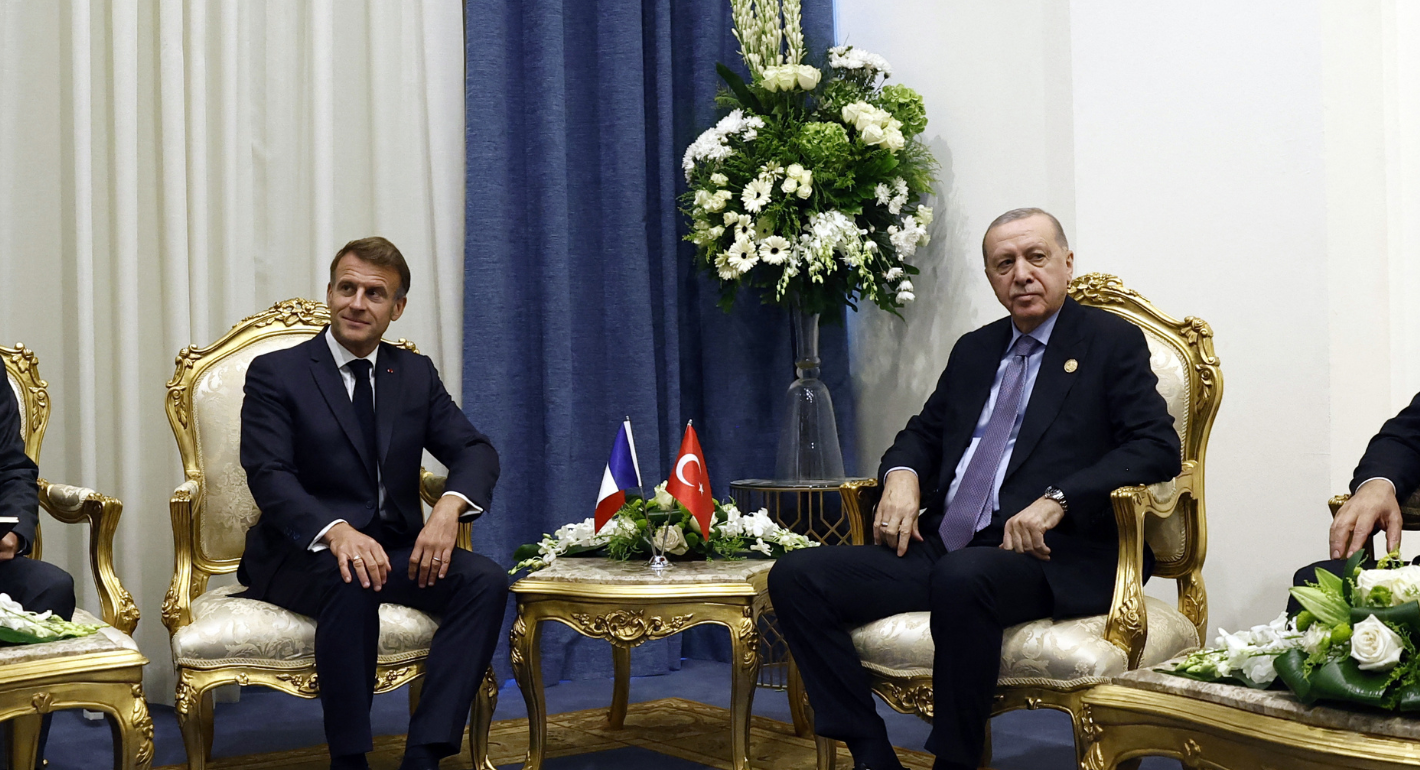
A renewal of relations between France and Turkey is vital to strengthen European strategic autonomy. To make this détente a reality, Paris and Ankara should move beyond personal friction and jointly engage with questions of Black Sea security.
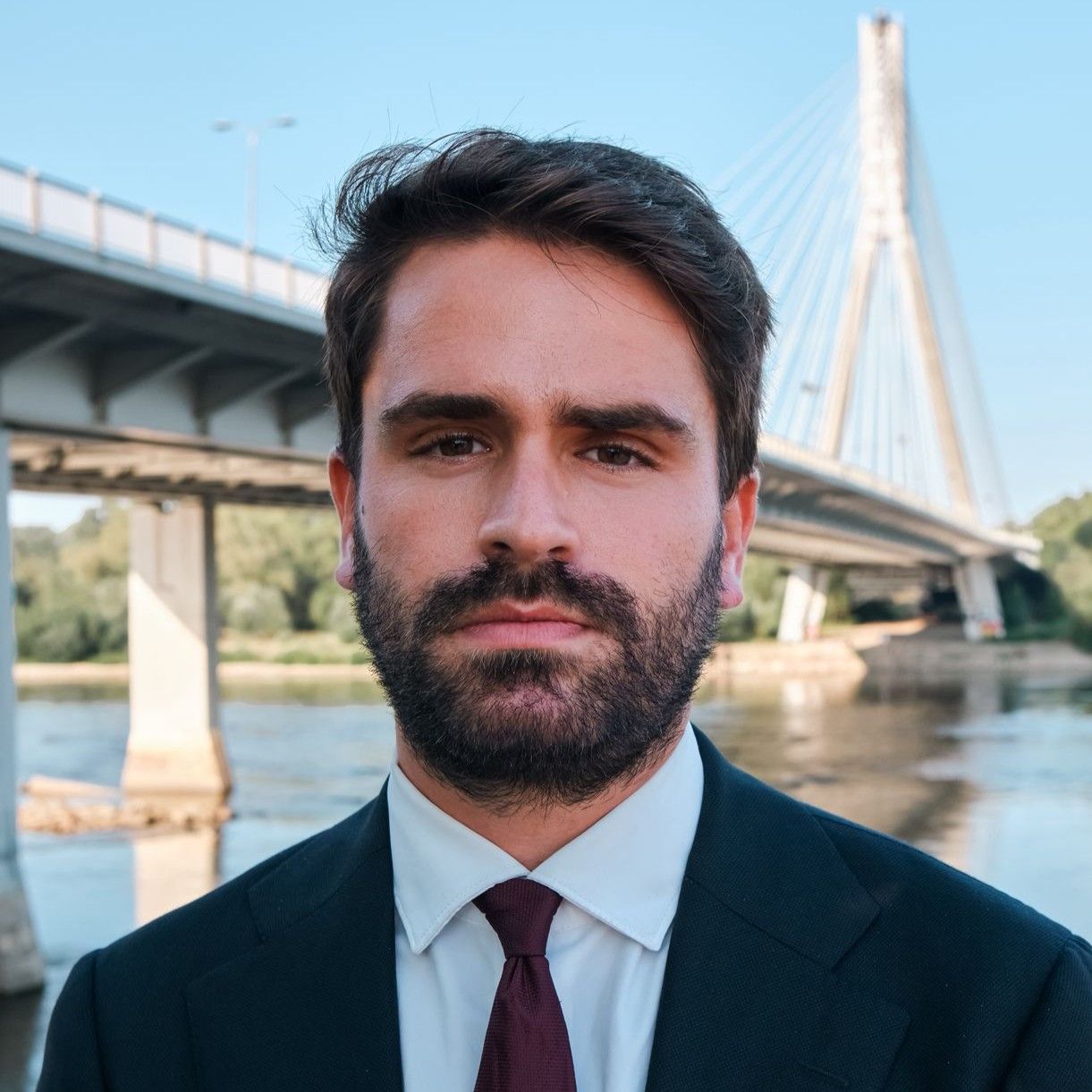
Romain Le Quiniou
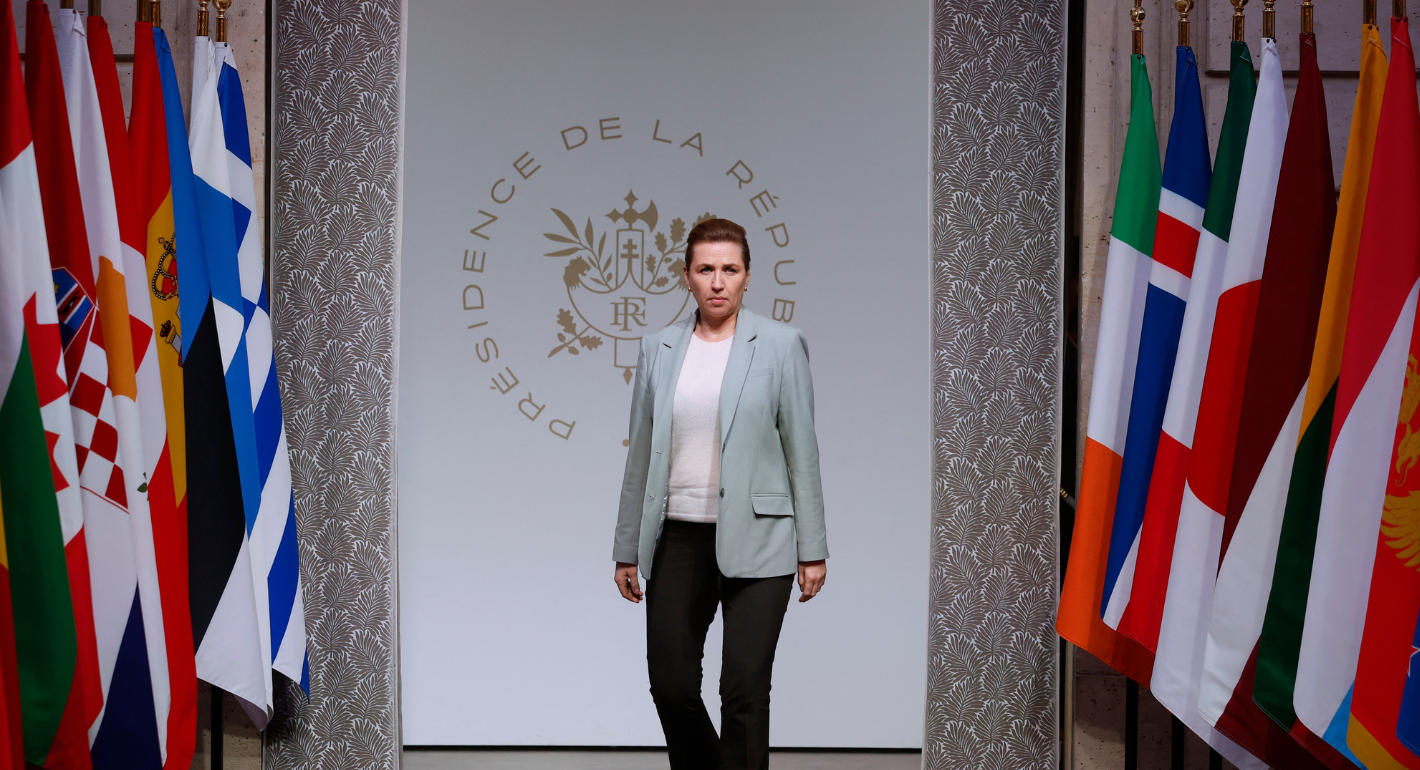
Europe is designing a new model of collective security that no longer relies on the United States. For this effort to succeed, solidarity between member states that have different threat perceptions is vital.

Erik Jones