

• Research
  • Strategic Europe
  • About
  • Experts
Carnegie Europe logoCarnegie lettermark logo
EUUkraine
  • Donate
{
  "authors": [
    "Richard Sokolsky",
    "Aaron David Miller"
  ],
  "type": "legacyinthemedia",
  "centerAffiliationAll": "",
  "centers": [
    "Carnegie Endowment for International Peace"
  ],
  "collections": [],
  "englishNewsletterAll": "",
  "nonEnglishNewsletterAll": "",
  "primaryCenter": "Carnegie Endowment for International Peace",
  "programAffiliation": "",
  "programs": [],
  "projects": [],
  "regions": [
    "North America",
    "United States"
  ],
  "topics": [
    "Political Reform",
    "Foreign Policy"
  ]
}

Source: Getty

In The Media

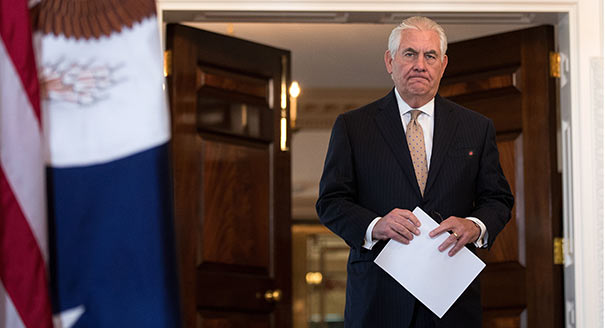
The Incredible Shrinking Rex Tillerson: Can the Secretary of State Reclaim His Job?

Without a reasonably close relationship with the president and authority conferred by the White House, it matters little or not at all how talented the nation’s chief diplomat may be. He or she cannot succeed.

Link Copied
By Richard Sokolsky and Aaron David Miller
Published on Jun 30, 2017

Source: USA Today

Defending his boss recently against charges that he’s heading up an incredible shrinking State Department, strategic adviser R.C. Hammond opined that the Secretary Rex Tillerson is thinking like a cowboy. Comparing words to bullets, he said “You carry a revolver with only six shots, and you don’t waste your bullets.”

Fair enough. Successful secretaries of State husband their resources and invest in issues that are strategic and strike at the right time. But five months in, and based on our long tenures at the State Department under both Republican and Democratic administrations, it seems pretty clear that at least in five cases, Tillerson’s gun jammed or the rounds he fired went wide of their mark. Presumably he has yet to use the sixth bullet — a frank conversation with the president about his presumed aspirations to be a consequential secretary of State. Will he?

Tillerson reportedly is at the boiling point over everything from leaks to personnel. When it comes to his core diplomatic mission, he is struggling for leverage or even a role on several key foreign policy issues confronting the nation....

Read the full text

This article was originally published in USA Today.

About the Authors

Richard Sokolsky

Nonresident Senior Fellow, Russia and Eurasia Program

Richard Sokolsky is a nonresident senior fellow in Carnegie’s Russia and Eurasia Program. His work focuses on U.S. policy toward Russia in the wake of the Ukraine crisis.

Aaron David Miller

Senior Fellow, American Statecraft Program

Aaron David Miller is a senior fellow at the Carnegie Endowment for International Peace, focusing on U.S. foreign policy.

Authors

Richard Sokolsky
Nonresident Senior Fellow, Russia and Eurasia Program
Richard Sokolsky
Aaron David Miller
Senior Fellow, American Statecraft Program
Aaron David Miller
Political ReformForeign PolicyNorth AmericaUnited States

Carnegie does not take institutional positions on public policy issues; the views represented herein are those of the author(s) and do not necessarily reflect the views of Carnegie, its staff, or its trustees.

More Work from Carnegie Europe

  • Commentary
    Strategic Europe
    Europe and the Arab Gulf Must Come Together

    The war in Iran proves the United States is now a destabilizing actor for Europe and the Arab Gulf. From protect their economies and energy supplies to safeguarding their territorial integrity, both regions have much to gain from forming a new kind of partnership together.

      • Rym Momtaz

      Rym Momtaz

  • Commentary
    Strategic Europe
    Taking the Pulse: Is France’s New Nuclear Doctrine Ambitious Enough?

    French President Emmanuel Macron has unveiled his country’s new nuclear doctrine. Are the changes he has made enough to reassure France’s European partners in the current geopolitical context?

      • Rym Momtaz

      Rym Momtaz, ed.

  • Commentary
    The Iran War’s Dangerous Fallout for Europe

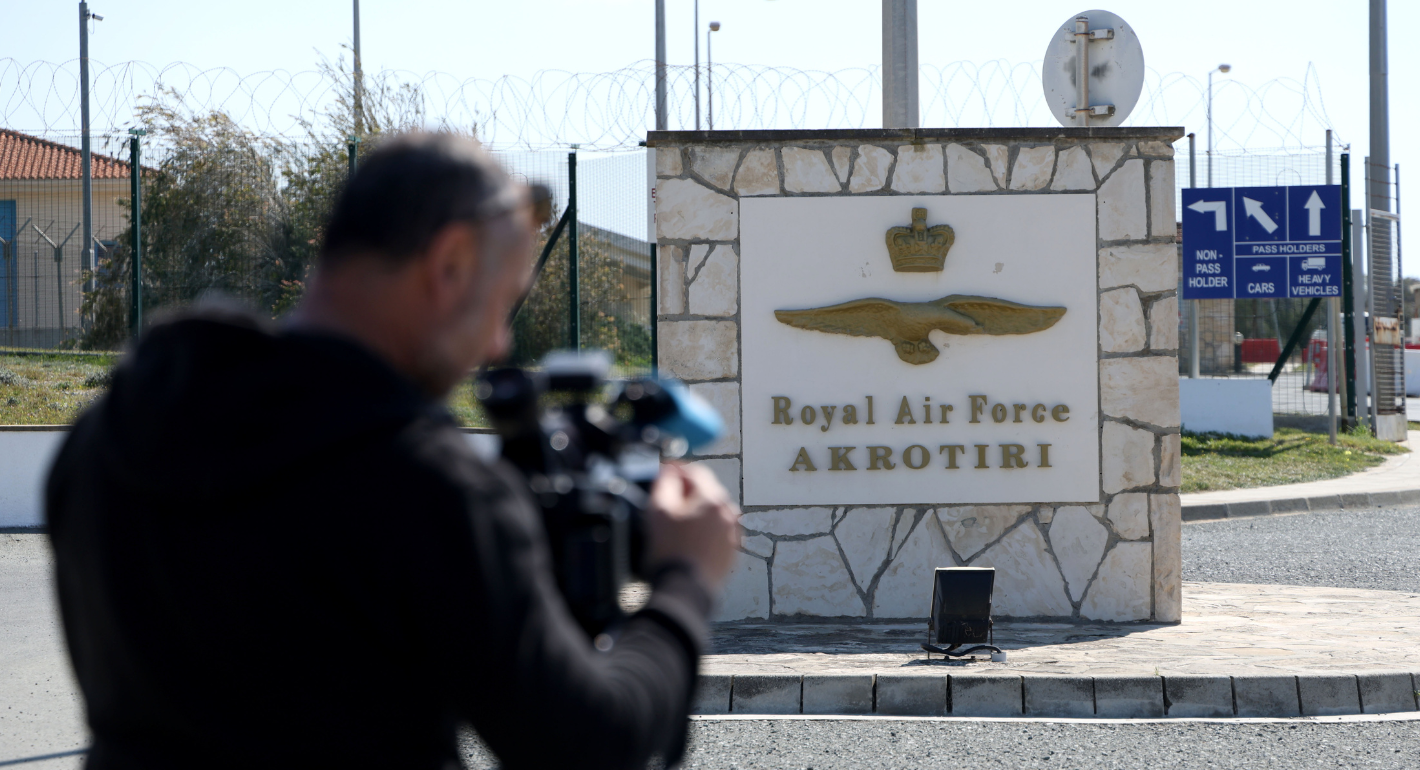
    The drone strike on the British air base in Akrotiri brings Europe’s proximity to the conflict in Iran into sharp relief. In the fog of war, old tensions in the Eastern Mediterranean risk being reignited, and regional stakeholders must avoid escalation.

      Marc Pierini

  • Commentary
    Strategic Europe
    The EU Needs a Third Way in Iran

    European reactions to the war in Iran have lost sight of wider political dynamics. The EU must position itself for the next phase of the crisis without giving up on its principles.

      Richard Youngs

  • Trump United Nations multilateralism institutions 2236462680
    Article
    Resetting Cyber Relations with the United States

    For years, the United States anchored global cyber diplomacy. As Washington rethinks its leadership role, the launch of the UN’s Cyber Global Mechanism may test how allies adjust their engagement.

      • Christopher Painter

      Patryk Pawlak, Chris Painter

Get more news and analysis from
Carnegie Europe
Carnegie Europe logo, white
Rue du Congrès, 151000 Brussels, Belgium
  • Research
  • Strategic Europe
  • About
  • Experts
  • Projects
  • Events
  • Contact
  • Careers
  • Privacy
  • For Media
  • Gender Equality Plan
Get more news and analysis from
Carnegie Europe
© 2026 Carnegie Endowment for International Peace. All rights reserved.