

Commentary
European reactions to the war in Iran have lost sight of wider political dynamics. The EU must position itself for the next phase of the crisis without giving up on its principles.
Richard Youngs
{
  "authors": [
    "Milan Vaishnav",
    "Madhav Khosla"
  ],
  "type": "legacyinthemedia",
  "centerAffiliationAll": "dc",
  "centers": [
    "Carnegie Endowment for International Peace"
  ],
  "collections": [],
  "englishNewsletterAll": "ctw",
  "nonEnglishNewsletterAll": "",
  "primaryCenter": "Carnegie Endowment for International Peace",
  "programAffiliation": "SAP",
  "programs": [
    "South Asia"
  ],
  "projects": [],
  "regions": [
    "South Asia",
    "India"
  ],
  "topics": [
    "Political Reform",
    "Democracy",
    "Economy",
    "Trade",
    "Civil Society"
  ]
}
Source: Getty
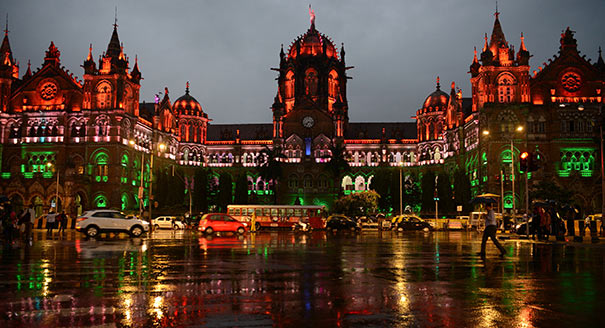
Seventy years ago, independent India was born. Having shaken off the yoke of the British Empire, the country embarked on what was—and remains—the world’s most radical democratic experiment.
Source: Foreign Affairs
Seventy years ago, independent India was born. Having shaken off the yoke of the British Empire, the country embarked on what was—and remains—the world’s most radical democratic experiment. Never before had a nation with such a low per capita level of income extended universal voting rights to its citizens; throw in varied topography, unparalleled ethnic and religious diversity, the inheritance of a socially rigid and unequal caste system, and the fact that India resides in a fractious geopolitical neighborhood, and its flourishing democracy looks even more remarkable. Today, the country features more than 1,000 political parties. Women participate in the electoral process in larger numbers than their male counterparts. Historically disadvantaged groups, such as Dalits (formerly “untouchables”), are reshaping politics and gaining social mobility.
But the Indian democratic experiment is marred by a central flaw. Indian democracy has worked well during elections. But—as the historian Ramachandra Guha has noted—democracy between elections is much less robust. It is commonplace to observe that democracy is not just about voting, and it is in this respect that modern India is coming up short. The Indian democratic project is held back, in short, by ineffectual governance and a patchy record on civil liberties.
In part, the reason is that India’s democratic journey is an inversion of the standard Western process of democratization. In most examples of the latter, such as the United Kingdom, or even the United States, a reasonably strong and centralized state was in place before democratic norms and institutions were codified. This state had powers one associates with modern sovereign regimes: a monopoly on the use of force, an ability to extract tax revenue, and a system to deliver (basic) public services. In most historical Western examples, democracy was laid atop these foundations, even then, only brick by gradual brick. In the United States, for instance, women waited over a century for even the de jure right to the vote.
India experienced no such gradual sequencing. After the British departed in 1947, India’s leaders were pressed to fulfill dual objectives: preserve the new nation’s unity and satisfy citizens’ longing for political freedom. These weighty decisions took place against a backdrop of the bloody partition of the subcontinent. For the key protagonists in India’s independence movement, therefore, immediate universal suffrage and continuity with British institutions was a short-term solution for survival, as well as a long-term statement of national principle.
This legacy defines India to this day and is the basis of the first vital threat to its democracy: a bureaucratic state that is heavy on paperwork and light on essential services. This is a direct inheritance of empire: to manage their far-flung colony, the British employed relatively few people and extraordinary volumes of paperwork. These twin realities—minimal staffing and excessive red tape—still characterize Indian governance. About 31 million cases are pending in India’s judicial system, winding their way through a creaky and poorly resourced process. More than a quarter of police posts sit vacant.
And, like the British Empire before it, the Indian state compounds the shortage of human capital with a Kafkaesque regulatory maze of bureaucratic procedure. According to the World Bank’s 2017 ease of doing business indicators, India ranks 130 out of 190 countries, sandwiched between Cabo Verde and Cambodia. The state's regulatory heavy-handedness, in turn, creates a readymade avenue for politicians and bureaucrats to trade favors in exchange for bribes or campaign cash.
The second vital threat to Indian democracy comes from the state’s own mixed record on civil liberties. Though this is partly the consequence of weak state capacity and an ineffectual system of law enforcement and administration, the deeper cause is ideological. In twenty-first-century India, sedition remains a jailable offense, defamation attracts both civil and criminal penalties and homosexuality is a crime. To be sure, the existence and enforcement of these laws predate the current government of Prime Minister Narendra Modi. But here is also where state-led backslide may be greatest. The rising Hindu majoritarianism of Modi’s Bharatiya Janata Party—evident in anti-Muslim mob violence, a rise in lynchings in the name of protecting cows (held holy by some Hindus), and nationalist rhetoric—has gathered speed as the BJP’s footprint has rapidly expanded under Modi’s leadership. The problem is not simply that these divisive and sometimes violent transgressions undermine individual freedom and rule of law—it is that the state has granted such attacks moral legitimacy. Quite frequently, opposition parties have acquiesced in these violations of fundamental civil liberties.
With India three decades away from its centennial birthday, the time to address these shortcomings is overdue. A familiar lament is that India—pluralistic and fractious—is not more like China, where an autocratic central state “gets things done.” But this critique gets it backwards; it flows from a misreading of India’s history and present infirmities. India’s problem is not too much democracy—it is that democracy is too often conflated with voting. But democratic norms and practices must extend to clean governance and individual rights between elections as well. To borrow a phrase from independent India’s first prime minister, Jawaharlal Nehru: India’s tryst with destiny has been successful because of its democratic nature, not in spite of it. Instead, its current leadership must grapple with the nation’s most pressing dilemma: reforming a state that is active in places where it should not be, yet too often absent in places it should.

Director and Senior Fellow, South Asia Program
Milan Vaishnav is a senior fellow and director of the South Asia Program and the host of the Grand Tamasha podcast at the Carnegie Endowment for International Peace. His primary research focus is the political economy of India, and he examines issues such as corruption and governance, state capacity, distributive politics, and electoral behavior. He also conducts research on the Indian diaspora.
Madhav Khosla
Carnegie does not take institutional positions on public policy issues; the views represented herein are those of the author(s) and do not necessarily reflect the views of Carnegie, its staff, or its trustees.
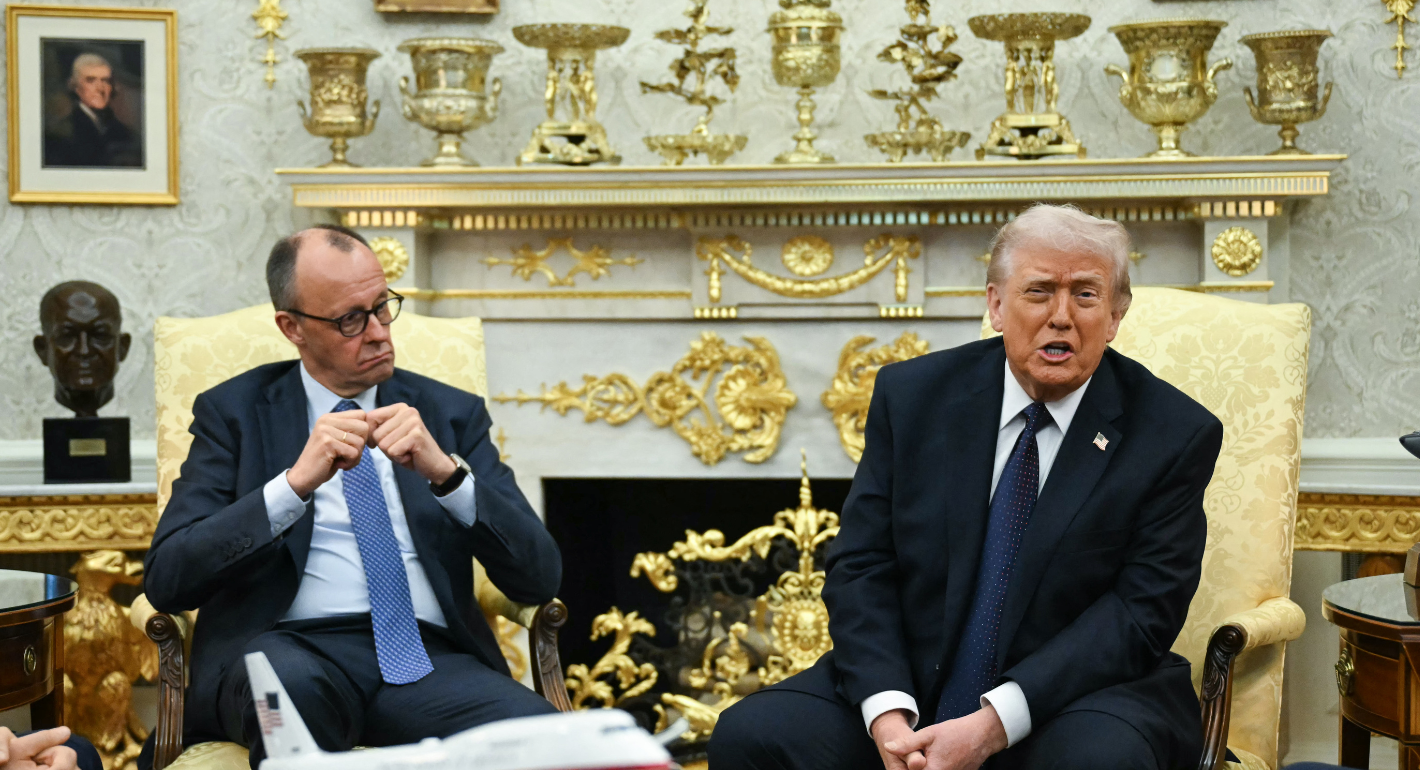
European reactions to the war in Iran have lost sight of wider political dynamics. The EU must position itself for the next phase of the crisis without giving up on its principles.

Richard Youngs
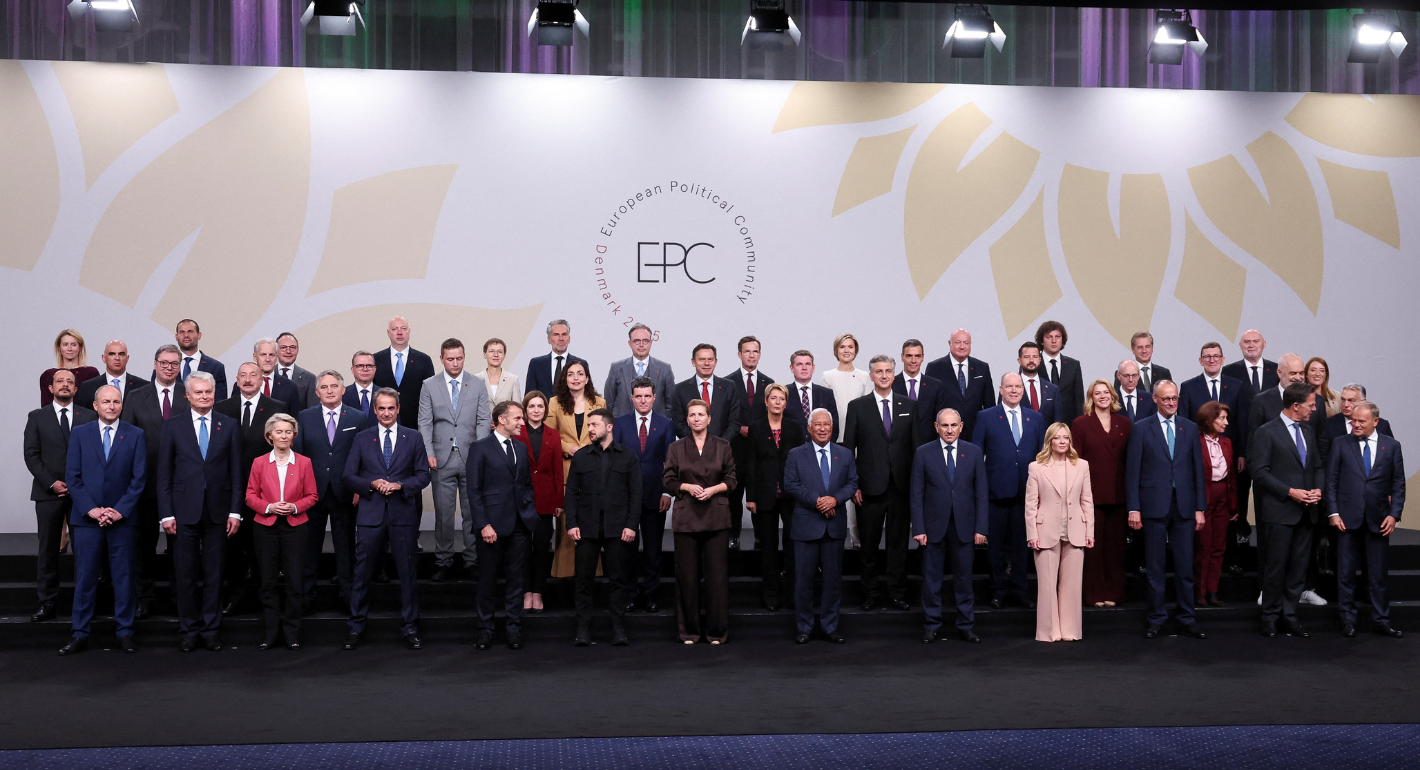
Europe isn’t as weak in the new geopolitics of power as many would believe. But to leverage its assets and claim a sphere of influence, Brussels must stop undercutting itself.

Dimitar Bechev

New thinking is needed on how global civil society can be protected. In an era of major-power rivalry, competitive geopolitics, and security primacy, civil society is in danger of getting squeezed – in some countries, almost entirely out of existence.

Richard Youngs, ed., Elene Panchulidze, ed.
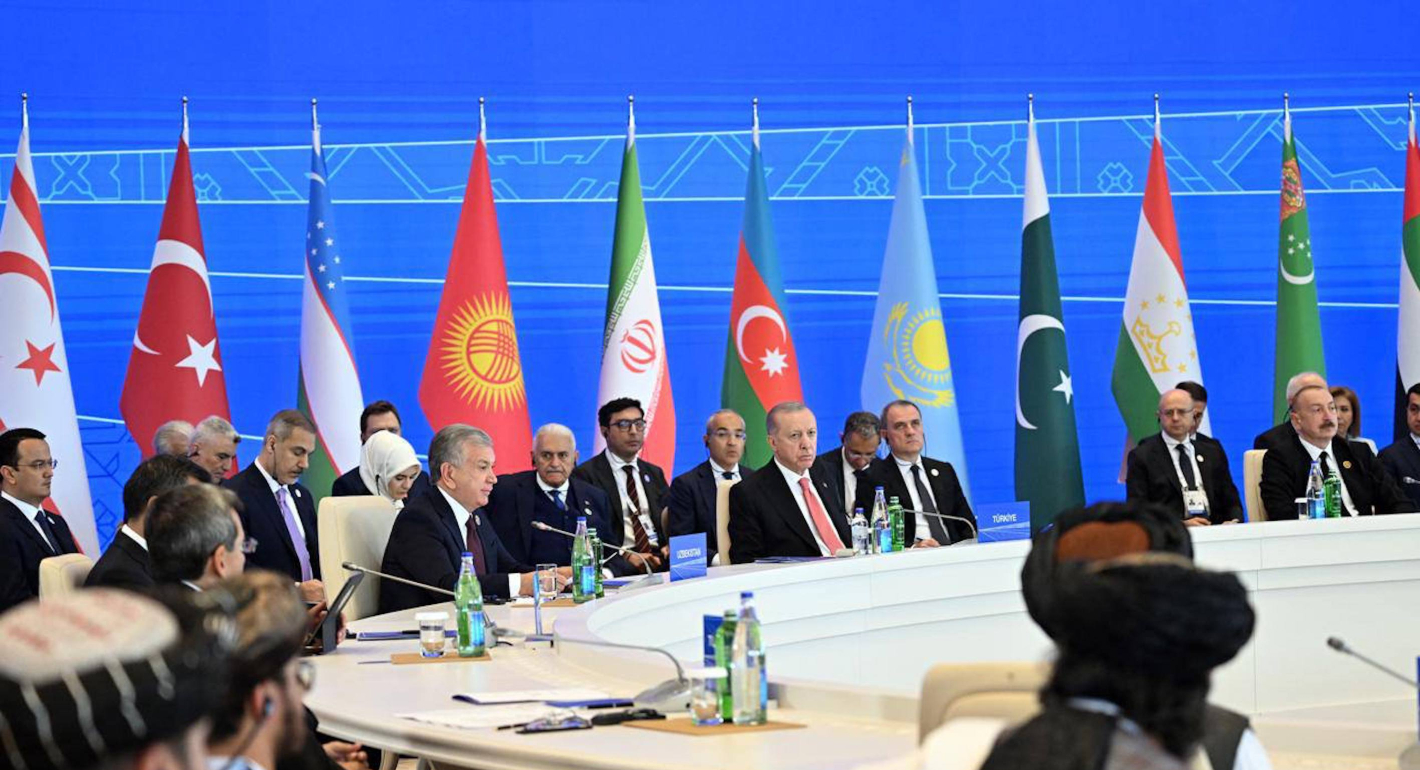
Over the past two decades, regional collaboration in the South Caucasus has intensified. Turkey and the EU should establish a cooperation framework to accelerate economic development and diversification.



Feride İnan, Güven Sak, Berat Yücel
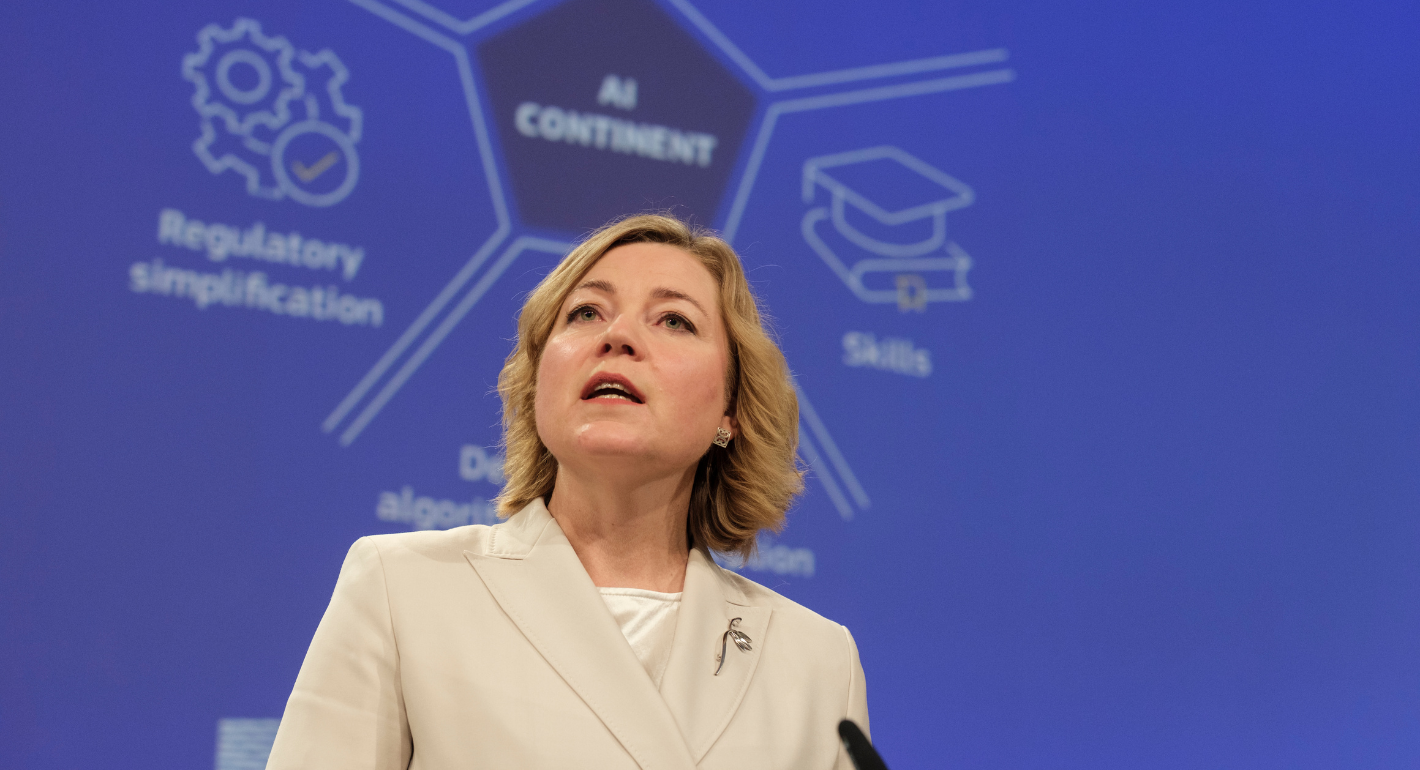
Integrating AI into the workplace will increase job insecurity, fundamentally reshaping labor markets. To anticipate and manage this transition, the EU must build public trust, provide training infrastructures, and establish social protections.

Amanda Coakley