

Commentary
As European leadership prepares for the sixteenth EU-India Summit, both sides must reckon with trade-offs in order to secure a mutually beneficial Free Trade Agreement.
Dinakar Peri
{
  "authors": [],
  "type": "pressRelease",
  "centerAffiliationAll": "",
  "centers": [
    "Carnegie Endowment for International Peace"
  ],
  "collections": [],
  "englishNewsletterAll": "",
  "nonEnglishNewsletterAll": "",
  "primaryCenter": "Carnegie Endowment for International Peace",
  "programAffiliation": "",
  "programs": [],
  "projects": [],
  "regions": [],
  "topics": []
}
REQUIRED IMAGE
The Carnegie Endowment for International Peace announced today that former U.S. secretary of commerce Penny Pritzker has been elected chairman of the Board of Trustees. She will succeed the current chair, Harvey V. Fineberg, in May.
WASHINGTON—The Carnegie Endowment for International Peace announced today that former U.S. secretary of commerce Penny Pritzker has been elected chairman of the Board of Trustees. She will succeed the current chair, Harvey V. Fineberg, in May.
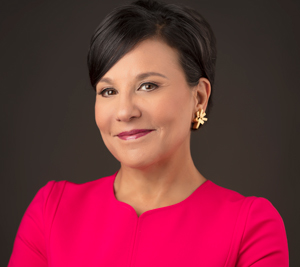
“I am honored to follow in Harvey Fineberg’s extraordinary footsteps as chair of the Board of Trustees at the Carnegie Endowment for International Peace,” said Pritzker. “There is no more important moment to rededicate ourselves to the work of international peace and no more important moment to demonstrate the value of independent, global insights and ideas. I had the good fortune to serve alongside Bill in government and can think of no wiser, more experienced, or more respected diplomatic voice to lead this historic institution. I look forward to doing everything I can to support his efforts to unleash the full potential of Carnegie’s global network and broaden its reach into new areas like technology and geoeconomics.”
“It has been an honor to lead the board over the past five years and especially satisfying to hand over the baton to Penny Pritzker. The board has benefited enormously from her vision and energy over the past year, and I am confident that Penny’s leadership will propel Carnegie ever closer to fulfilling Andrew Carnegie’s original vision of a more peaceful and prosperous world,” said Harvey Fineberg.
Pritzker is chairman of the investment firm PSP Partners and previously served as the secretary of commerce from 2013 to 2017. Pritzker was a core member of then president Barack Obama’s economic team and served as the country’s chief commercial advocate, leading the administration’s trade and investment promotion efforts. During her tenure, she launched SelectUSA, the first federal program to attract foreign direct investment to the United States, which facilitated $23 billion in investment. Pritzker also developed the agency’s first comprehensive digital and data agenda, negotiated the U.S.-EU Privacy Shield, chaired the Presidential Ambassadors for Global Entrepreneurship (PAGE) program, and served as the administration’s point person on manufacturing. She also developed the first workforce and skills development agenda for the Commerce Department, ensuring federal training expenditures are job driven, strengthen regional workforce development efforts, and facilitate new research on the value of apprenticeships to employers.
Pritzker earned JD and MBA degrees from Stanford University and a bachelor’s degree in economics from Harvard University. She and her husband, Dr. Bryan Traubert, have two children and reside in Chicago.
“Harvey has been the very best guide and partner I could have hoped for in my first three years at Carnegie. His intellectual acuity, bottomless decency, and clear vision set an impossibly high standard for me and my colleagues at Carnegie,” said Carnegie President William J. Burns. “I am thrilled that Harvey and his fellow trustees chose Penny as his successor. My admiration for Penny and her leadership as a public servant, entrepreneur, and philanthropist knows no bounds, and I look forward very much to the opportunity to work together again on some of the most consequential threats and opportunities for international peace in the years ahead.”
Press Contact: Meshal DeSantis | +1 202 939 2233 | mdesantis@ceip.org
Carnegie does not take institutional positions on public policy issues; the views represented herein are those of the author(s) and do not necessarily reflect the views of Carnegie, its staff, or its trustees.
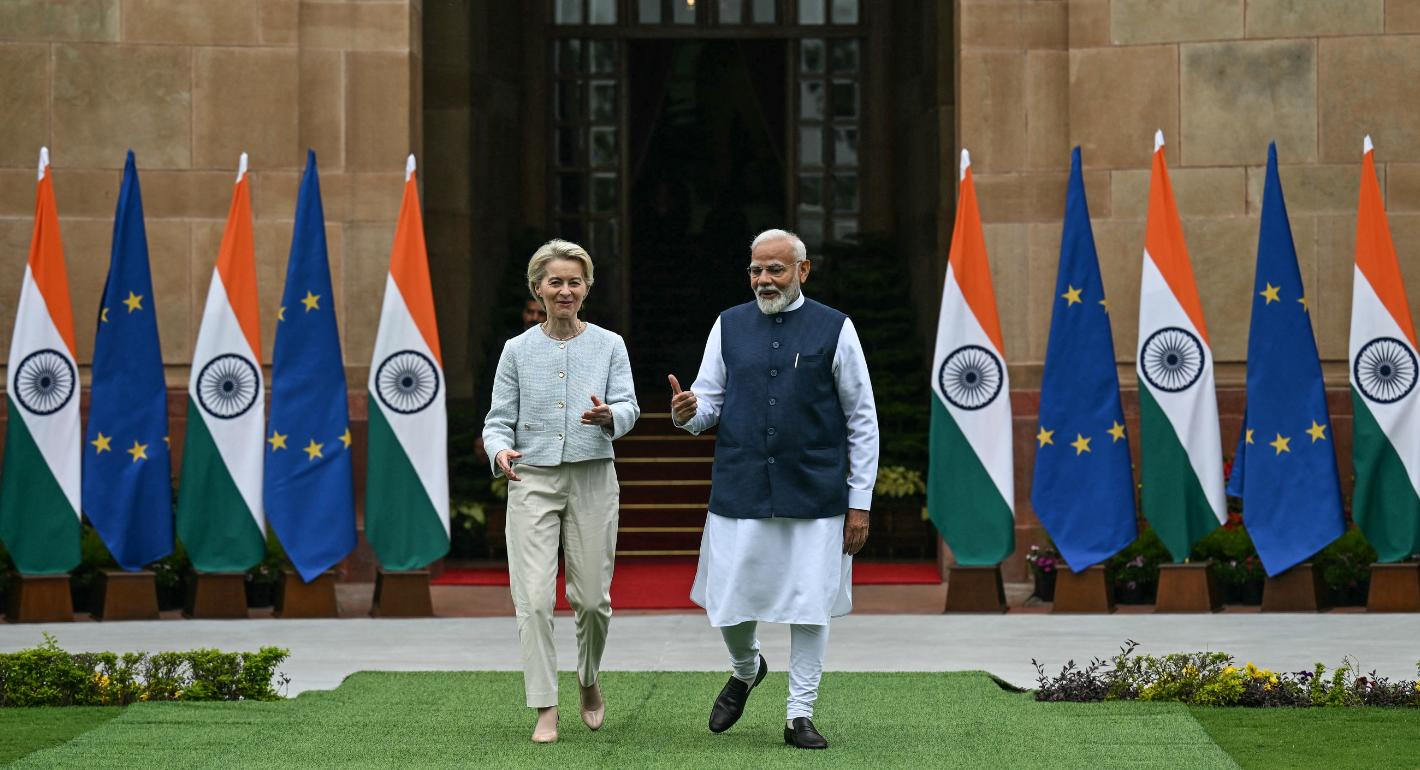
As European leadership prepares for the sixteenth EU-India Summit, both sides must reckon with trade-offs in order to secure a mutually beneficial Free Trade Agreement.

Dinakar Peri
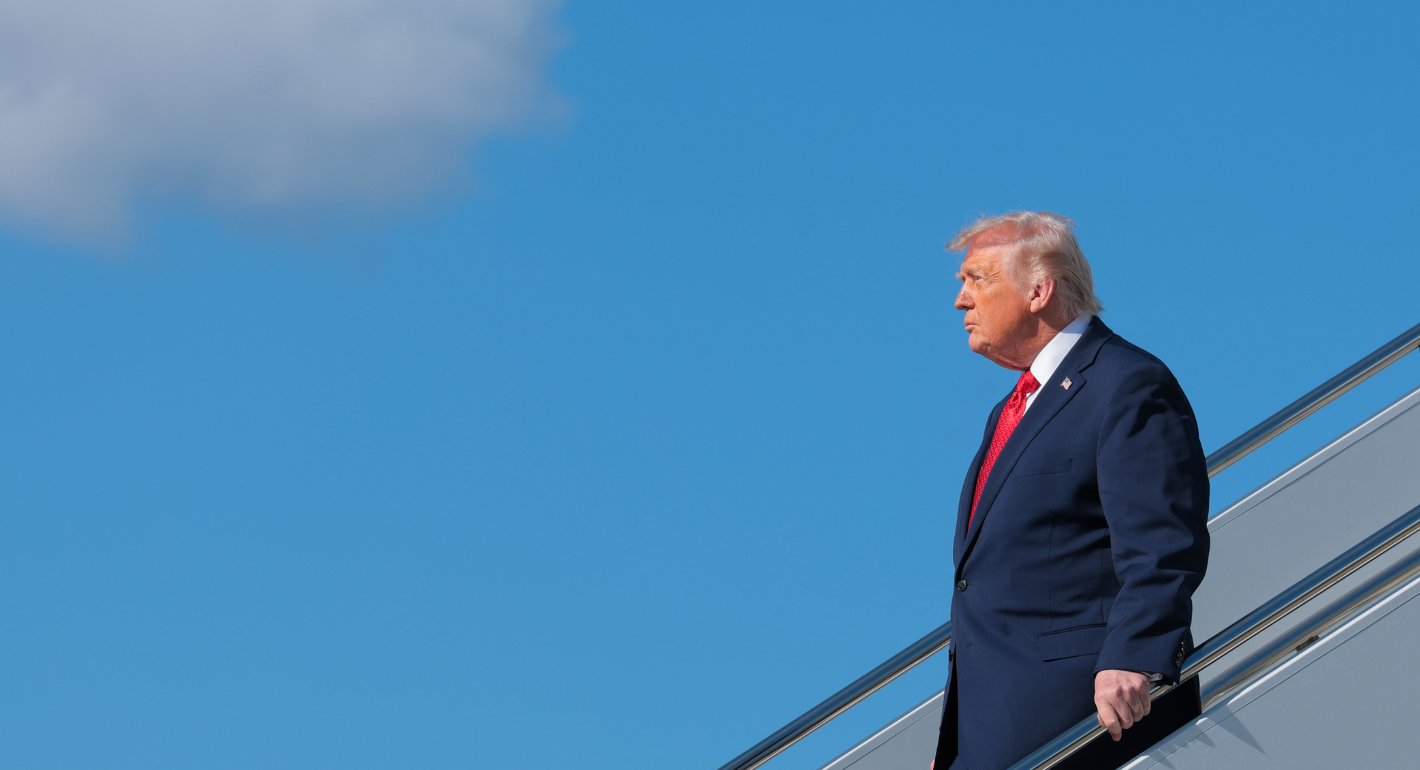
The hyper-personalized new version of global sphere-of-influence politics that Donald Trump wants will fail, as it did for Russia. In the meantime, Europe must still deal with a disruptive former ally determined to break the rules.
Thomas de Waal
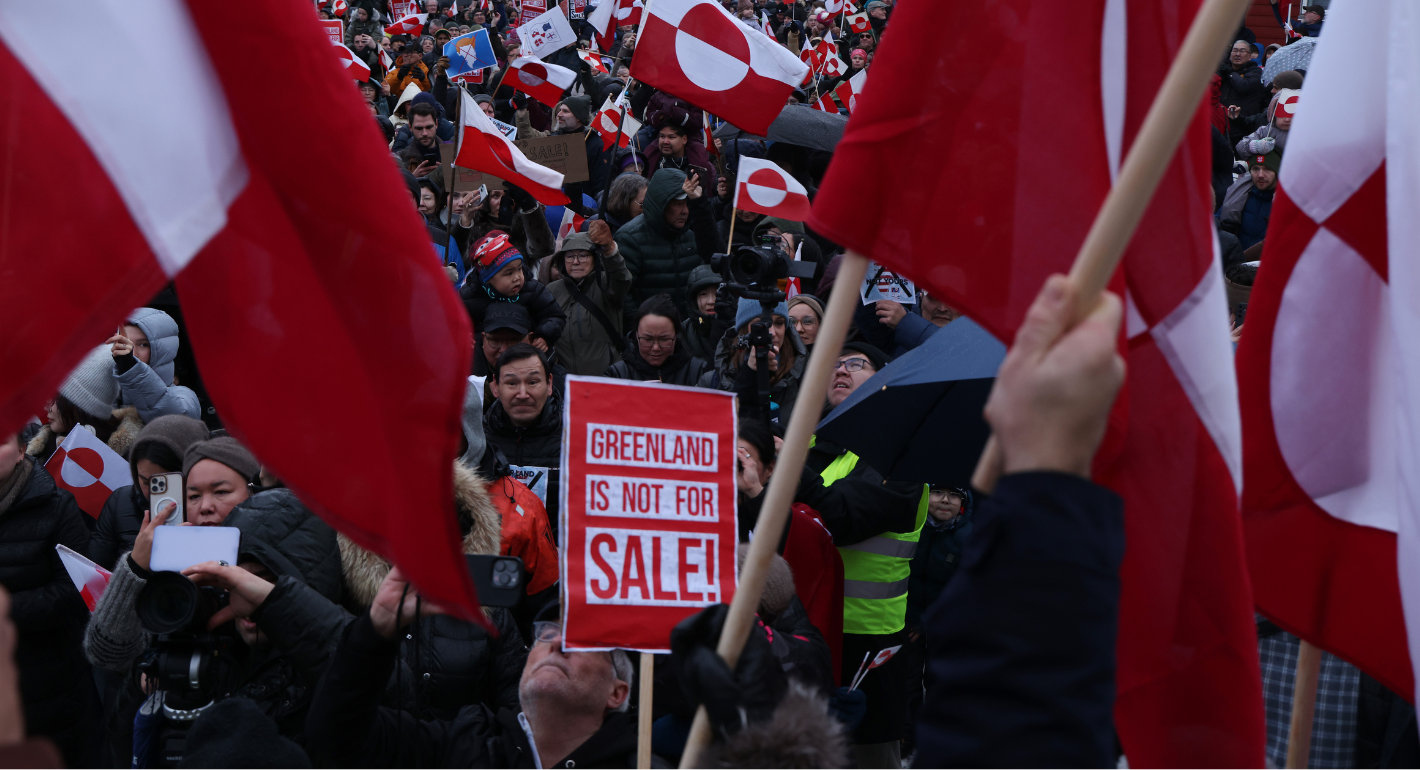
Between Greenland and U.S. interference in Europe’s democracies, transatlantic relations risk rising to an unprecedented level of crisis. Amid continued arguments on how Brussels should react, tough times lie ahead for European leaders.
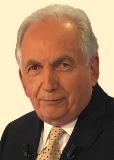
Marc Pierini
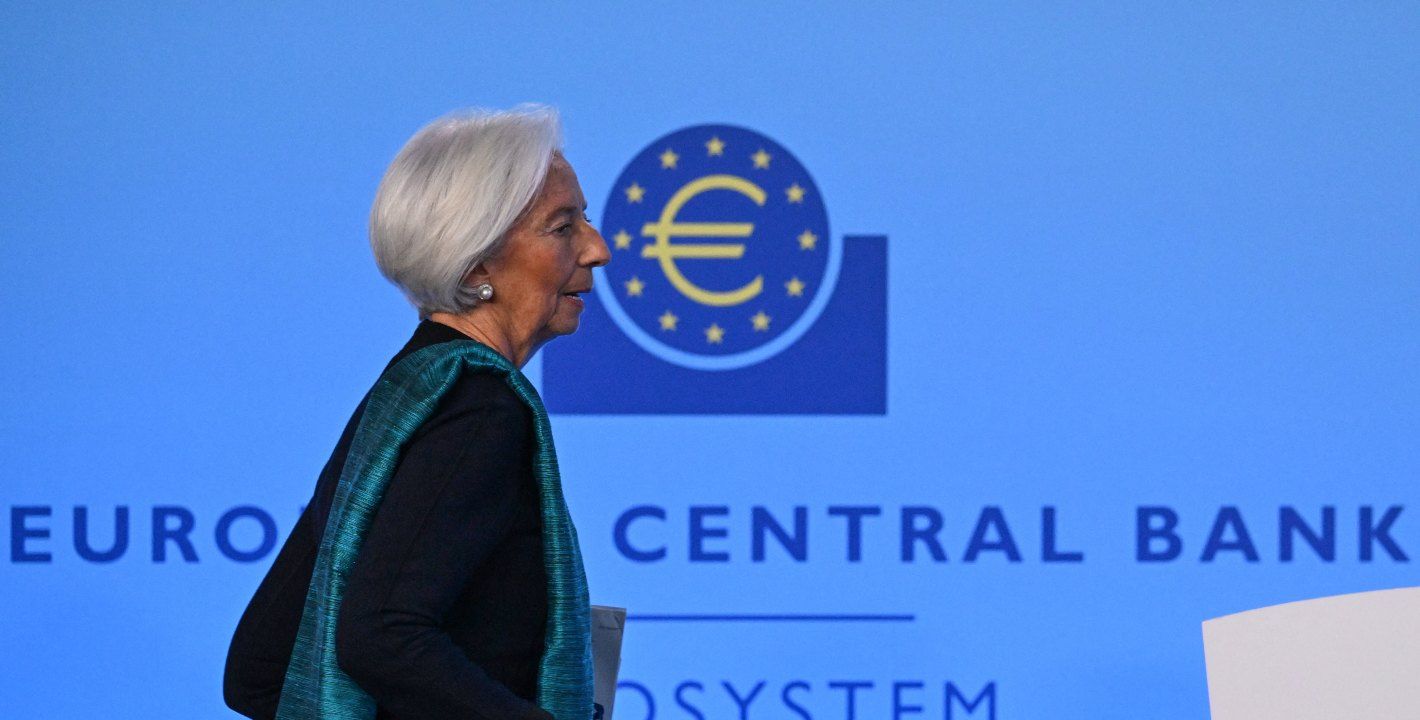
2026 has started in crisis, as the actions of unpredictable leaders shape an increasingly volatile global environment. To shift from crisis response to strategic foresight, what under-the-radar issues should the EU prepare for in the coming year?
Thomas de Waal
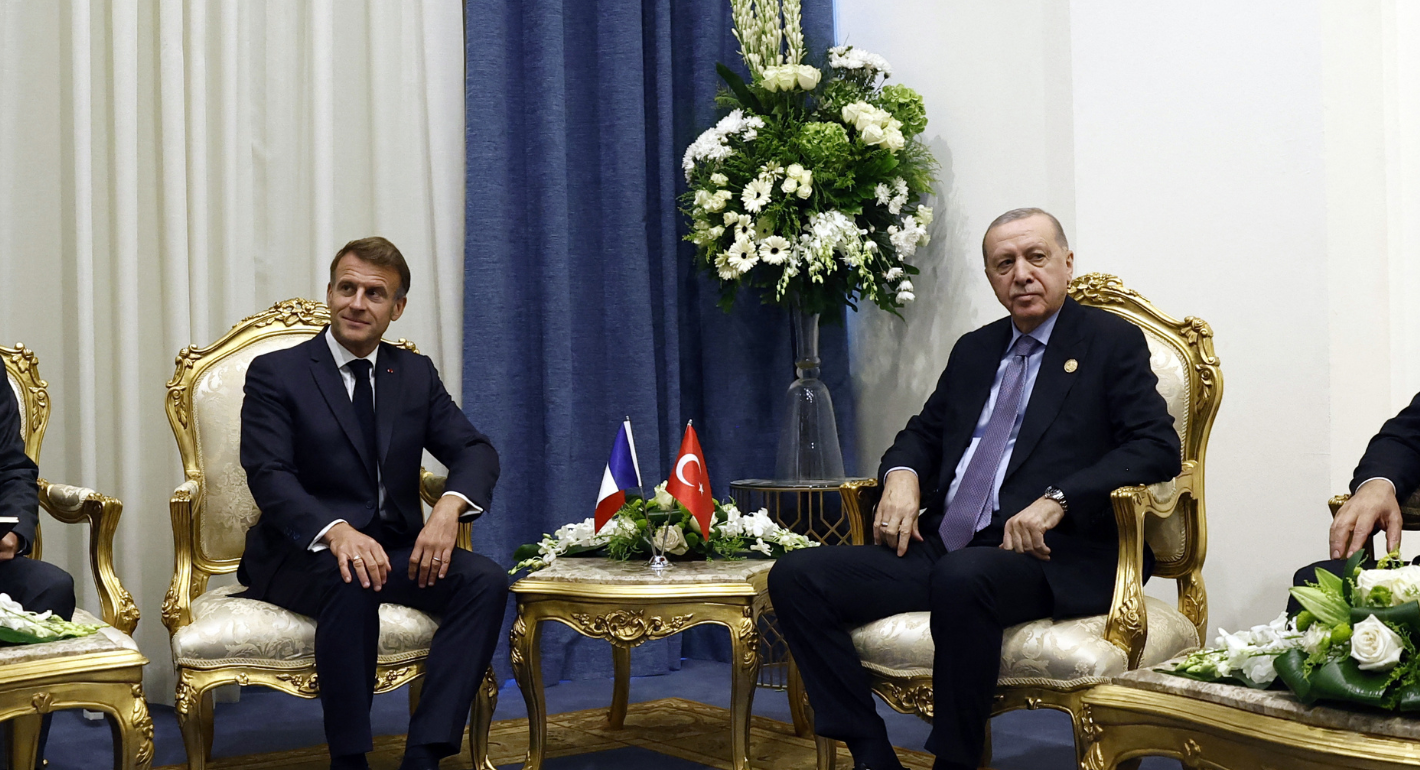
A renewal of relations between France and Turkey is vital to strengthen European strategic autonomy. To make this détente a reality, Paris and Ankara should move beyond personal friction and jointly engage with questions of Black Sea security.
Romain Le Quiniou