

Commentary
As European leadership prepares for the sixteenth EU-India Summit, both sides must reckon with trade-offs in order to secure a mutually beneficial Free Trade Agreement.
Dinakar Peri
{
  "authors": [
    "Brett McGurk"
  ],
  "type": "legacyinthemedia",
  "centerAffiliationAll": "",
  "centers": [
    "Carnegie Endowment for International Peace"
  ],
  "collections": [],
  "englishNewsletterAll": "",
  "nonEnglishNewsletterAll": "",
  "primaryCenter": "Carnegie Endowment for International Peace",
  "programAffiliation": "",
  "programs": [],
  "projects": [],
  "regions": [],
  "topics": []
}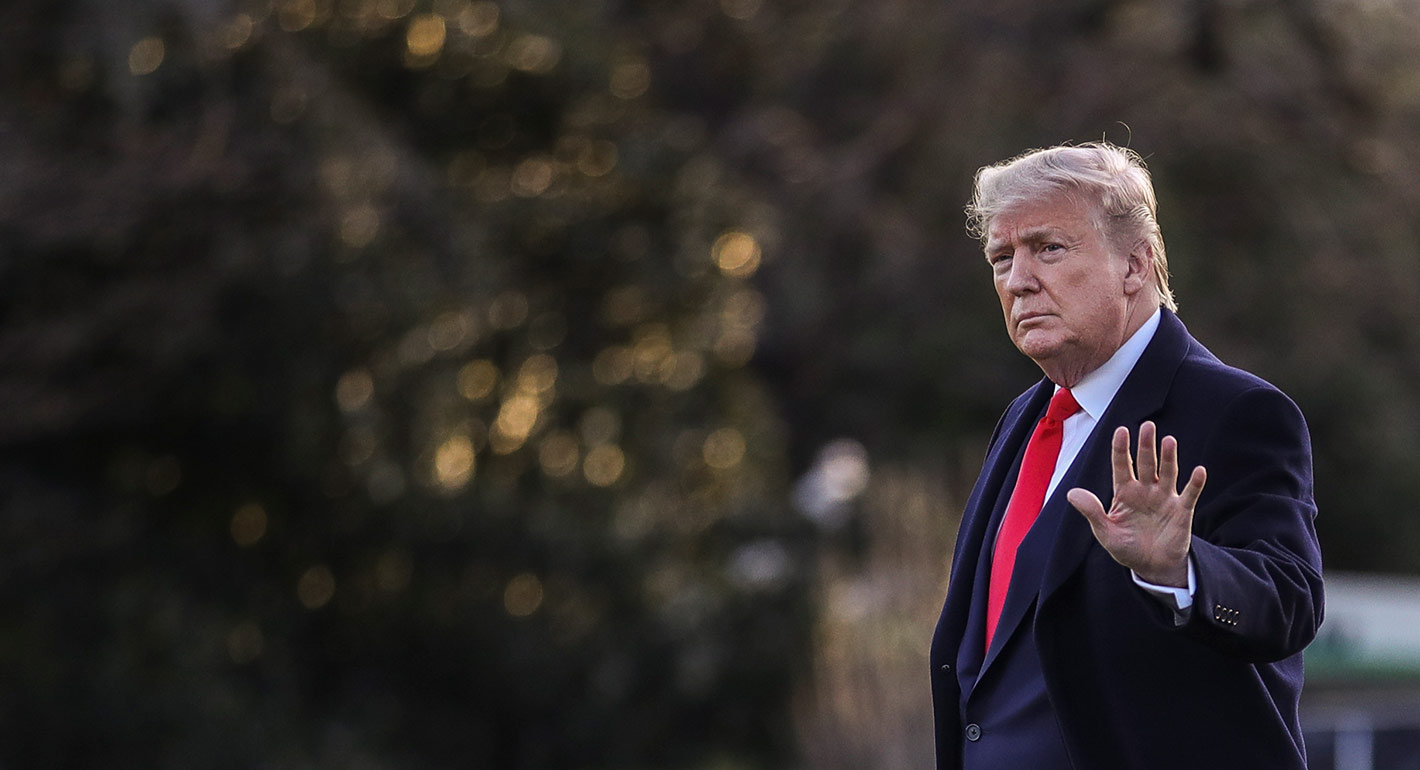
The Trump White House runs a foreign policy with irreconcilable objectives, no internal coherence, and no pretense of gaming out critical decisions before they are taken.
Source: Foreign Affairs
Shortly after taking office, U.S. President Dwight D. Eisenhower gathered senior advisers in the White House solarium to discuss policy toward the Soviet Union. In attendance was his hawkish secretary of state, John Foster Dulles, who had been a vocal critic of Harry Truman’s policy of containment and instead advocated an offensive policy whereby the United States would seek to “roll back” Soviet influence across Europe and Asia.
Afternoon light from the southern exposure would have contrasted with the darkening mood inside the White House. Diplomacy to end the Korean War was deadlocked. The United States was entering a nuclear arms race with the Soviet Union. Joseph Stalin was dead, but Eisenhower’s calls for dialogue with Moscow had gone unanswered. Defense spending seemed unsustainable.
Carnegie does not take institutional positions on public policy issues; the views represented herein are those of the author(s) and do not necessarily reflect the views of Carnegie, its staff, or its trustees.
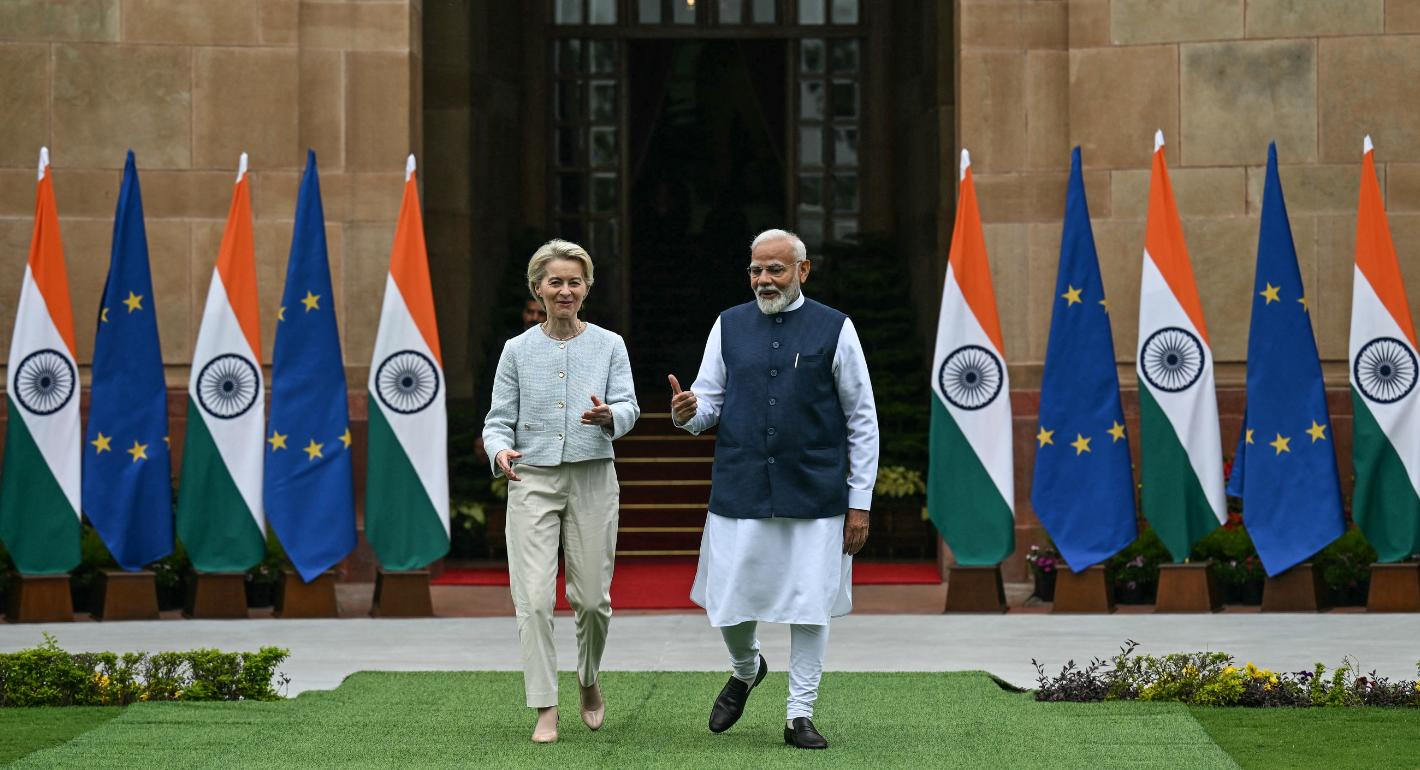
As European leadership prepares for the sixteenth EU-India Summit, both sides must reckon with trade-offs in order to secure a mutually beneficial Free Trade Agreement.

Dinakar Peri
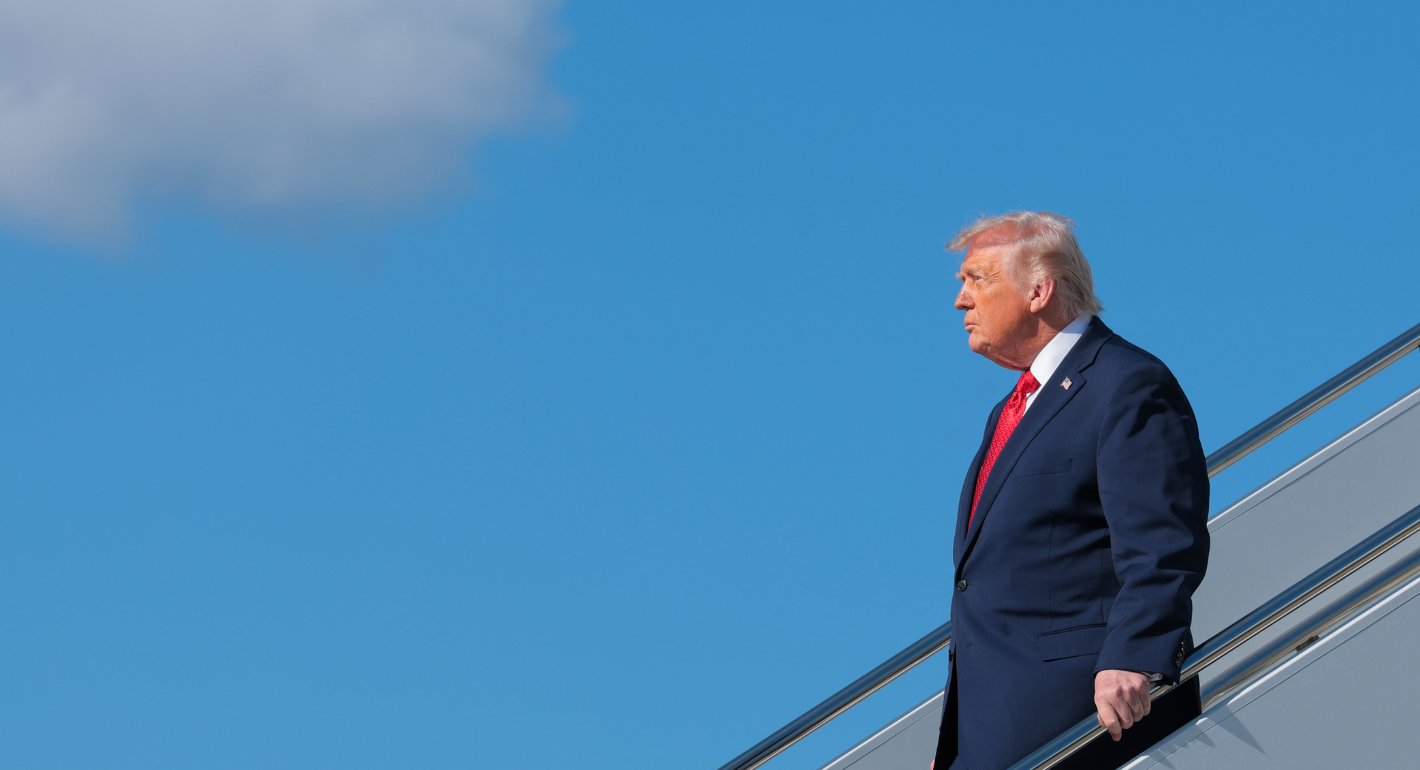
The hyper-personalized new version of global sphere-of-influence politics that Donald Trump wants will fail, as it did for Russia. In the meantime, Europe must still deal with a disruptive former ally determined to break the rules.

Thomas de Waal
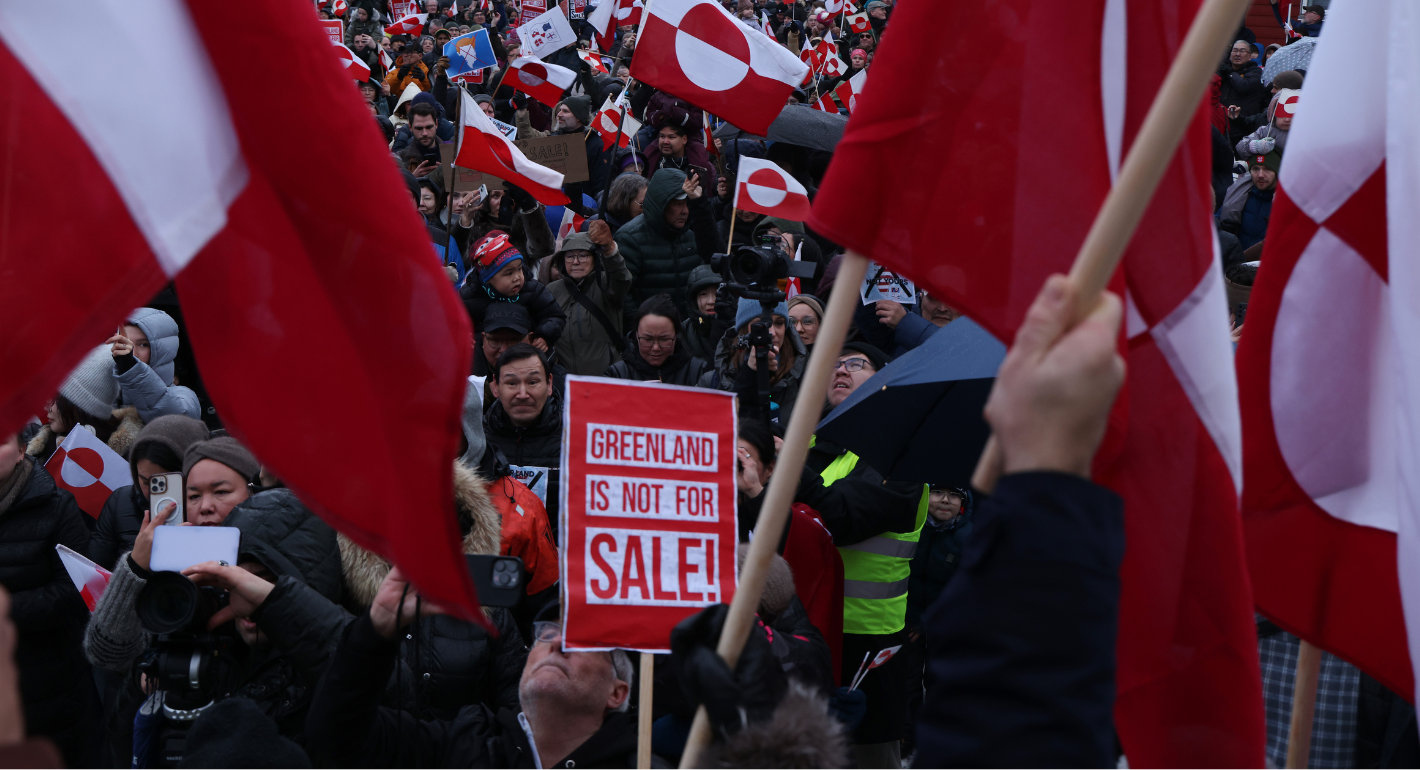
Between Greenland and U.S. interference in Europe’s democracies, transatlantic relations risk rising to an unprecedented level of crisis. Amid continued arguments on how Brussels should react, tough times lie ahead for European leaders.

Marc Pierini
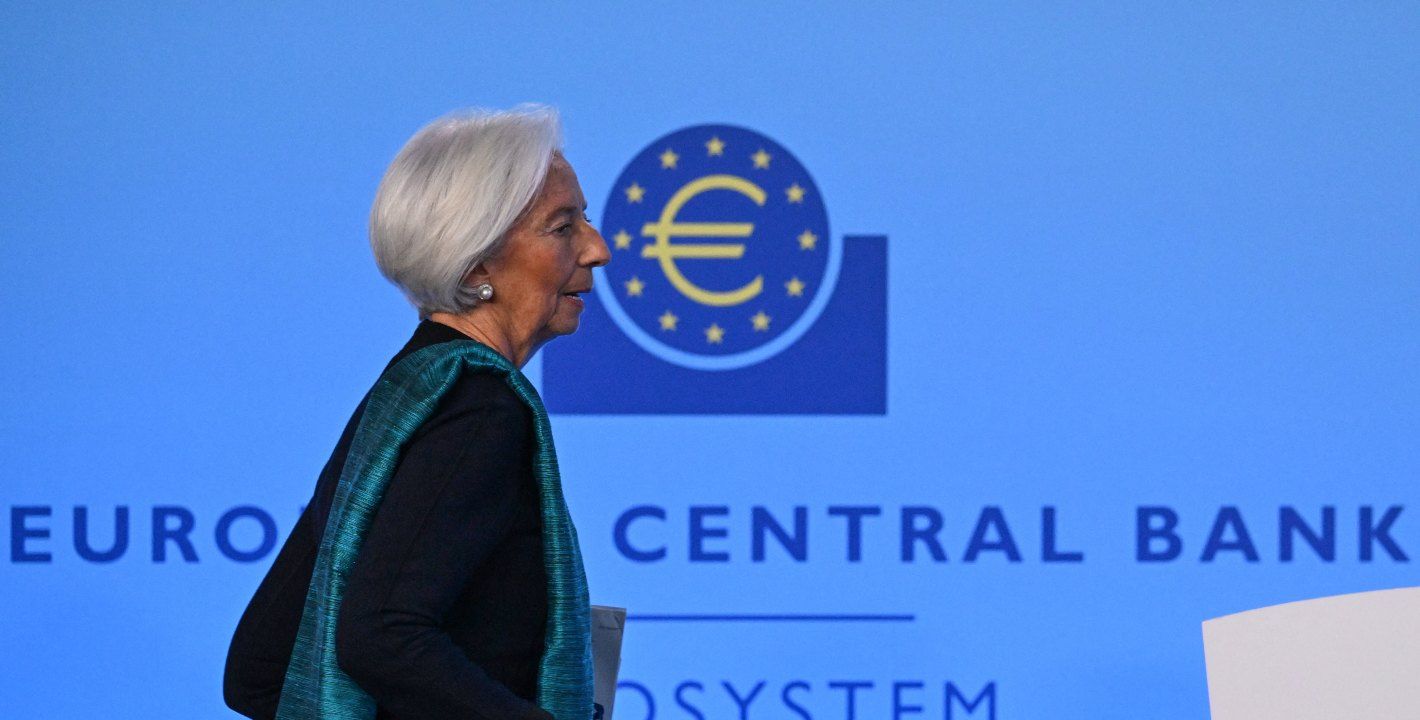
2026 has started in crisis, as the actions of unpredictable leaders shape an increasingly volatile global environment. To shift from crisis response to strategic foresight, what under-the-radar issues should the EU prepare for in the coming year?
Thomas de Waal
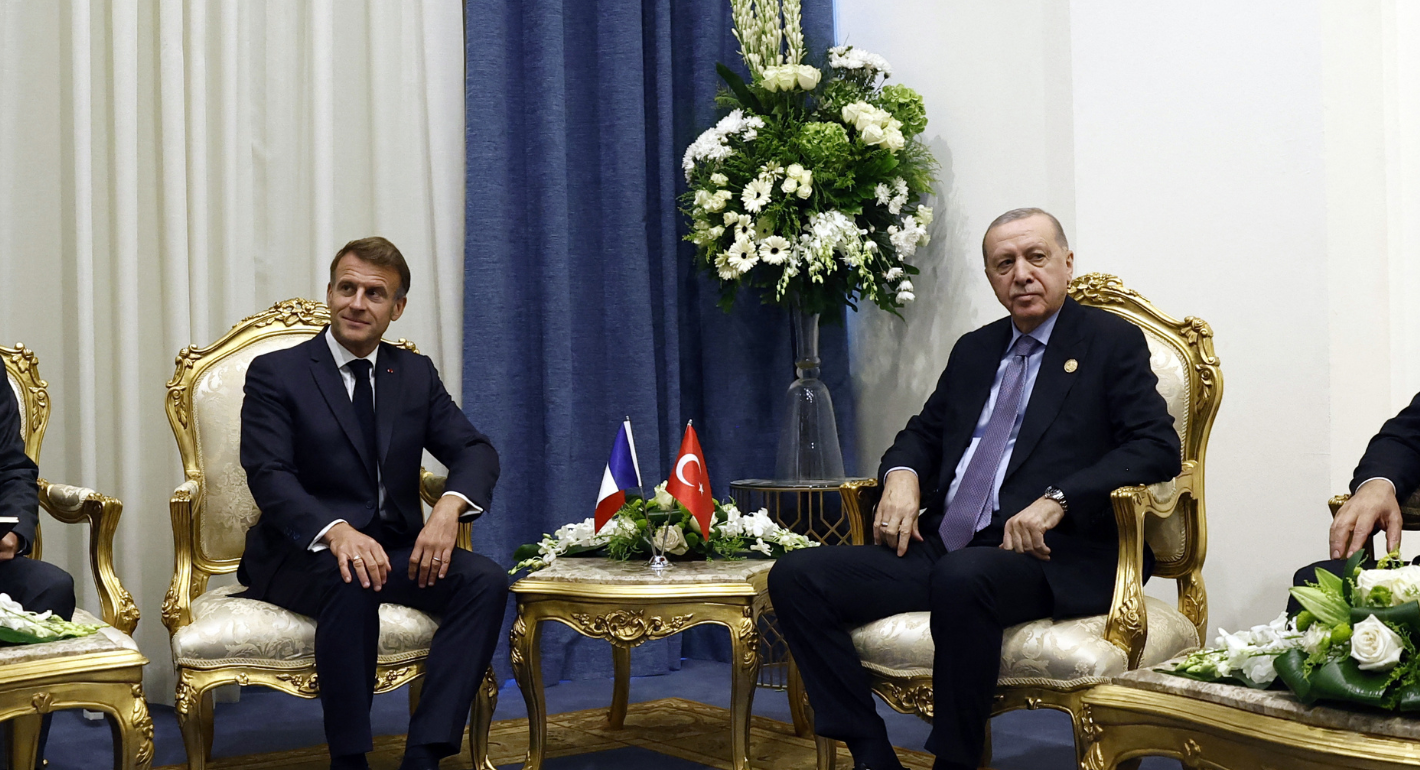
A renewal of relations between France and Turkey is vital to strengthen European strategic autonomy. To make this détente a reality, Paris and Ankara should move beyond personal friction and jointly engage with questions of Black Sea security.
Romain Le Quiniou