

Commentary
As European leadership prepares for the sixteenth EU-India Summit, both sides must reckon with trade-offs in order to secure a mutually beneficial Free Trade Agreement.
Dinakar Peri
{
  "authors": [
    "Gautam I. Menon"
  ],
  "type": "commentary",
  "centerAffiliationAll": "",
  "centers": [
    "Carnegie Endowment for International Peace",
    "Carnegie India"
  ],
  "collections": [
    "Coronavirus"
  ],
  "englishNewsletterAll": "",
  "nonEnglishNewsletterAll": "",
  "primaryCenter": "Carnegie India",
  "programAffiliation": "",
  "programs": [],
  "projects": [],
  "regions": [
    "South Asia",
    "India"
  ],
  "topics": [
    "Political Reform"
  ]
}
Early in the outbreak, government researchers forecast several high-risk scenarios that were downplayed or ignored in public messaging.
Like the rest of the world, India has endured dramatic upheaval during the coronavirus pandemic. The country’s first confirmed cases were three students who returned from Wuhan, China, in the middle of January. From that point, the total number of cases increased modestly until a spike on March 4, when twenty-two were reported in a single day. The number of new cases has since steadily climbed, even after the nationwide lockdown was imposed on March 24.
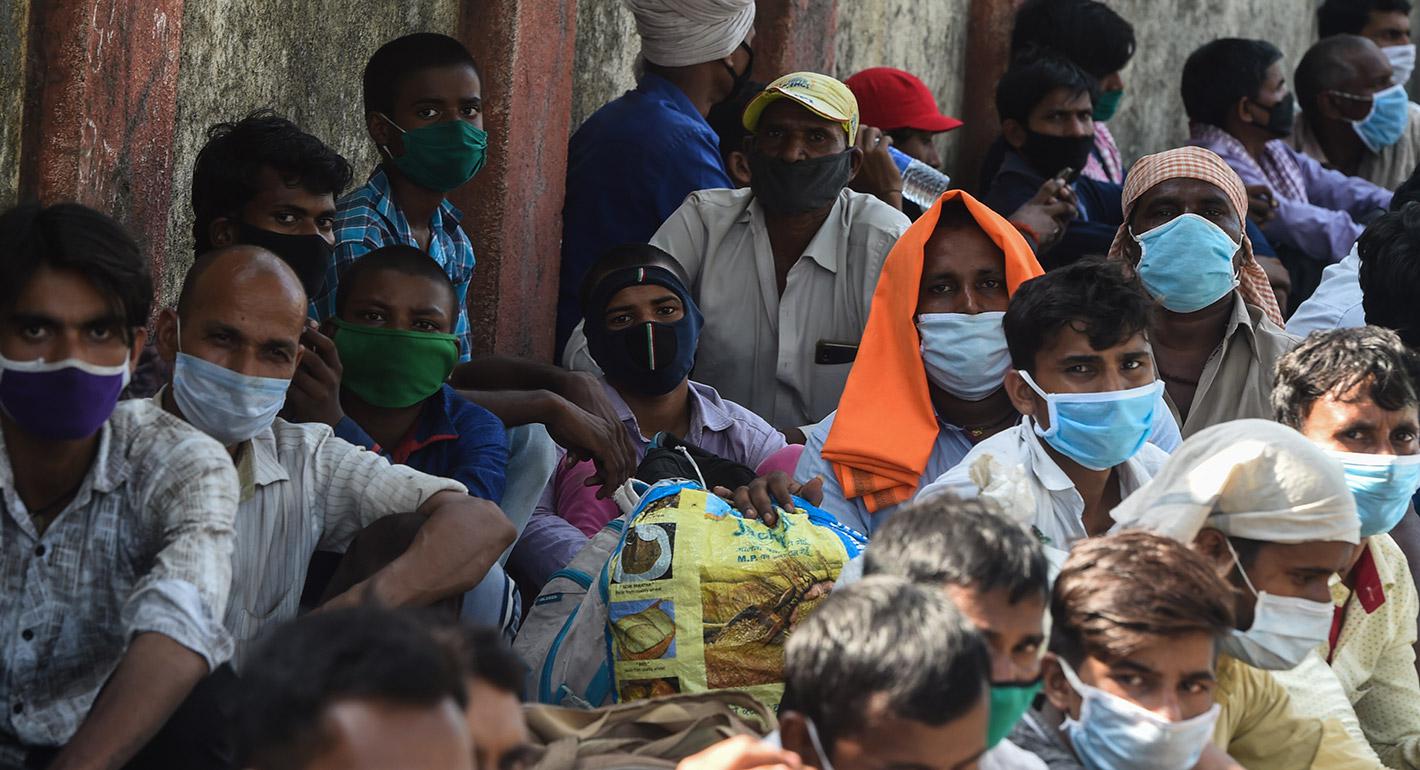
The Indian state’s inability to protect its most vulnerable citizens was a grave, and perhaps avoidable, policy failure. The lockdown was announced on short notice, catching many government officials by surprise. It seems almost certain that the government did not fully anticipate the breadth of the social and economic fallout, affecting the country’s poor and marginalized most of all. But the impact did not need to be this devastating. Indian government researchers had projected that less extreme measures could help curtail the virus, but their work may not have been factored into the policymaking process.
The first domestic models to assess the impact of the pandemic came from the Indian Council of Medical Research (ICMR), which falls under India’s Ministry of Health and Family Welfare. The ICMR employed a classic epidemiological model for the coronavirus that divided the population into categories: susceptible, exposed, infected, and recovered. This mathematical model was governed by rules for determining how the numbers in each category change over time.
The ICMR study had two parts. First, it examined the effect of entry restrictions on travelers from coronavirus-affected countries. While epidemiologists have known that quarantines and similar measures can delay but not fully avert an epidemic, the efficacy of screening is less established. The ICMR model found that at least 75 percent of all imported cases would need to be detected to significantly shift the onset of a domestic outbreak. As the researchers point out, “Any containment strategy focused on symptomatic infections, no matter how comprehensively [sic], tends to be negated by the asymptomatic infections that escape detection, and can go on to cause onward transmission in the community.”
Second, the authors asked whether quarantining just those patients who tested positive for the coronavirus after showing symptoms could help stem the pandemic’s spread, assuming that the disease had already spread to a handful of major metropolitan areas in India. They then explored a range of scenarios for how rapidly caseloads in these cities would rise based on different assumed values for how quickly the virus was spreading. Their estimates suggested that 1–10 percent of the local population would be infected, even with such government interventions. The model projected that if one in two people who tested positive were to be quarantined within three days of developing symptoms, the total number of people infected could be very significantly reduced.
While this model was not publicly released before publication, it should have been available to government policymakers as early as February. Yet through March and much of April, the ICMR continued to insist in its daily briefings that the virus was under control. It repeatedly maintained that community transmission—the spread of infections that cannot be traced to an original, imported case—was not occurring. At the same time, its own model took community transmission for granted. The singular public-facing emphasis on tracking imported cases and their contacts continued, despite findings in the ICMR’s paper that leakages in airport screening would inevitably miss cases. Finally, on March 20, the government expanded the testing regime to include anyone reporting severe respiratory distress and influenza-like symptoms. Whether these guidelines are being adhered to, given India’s low levels of testing overall, is unclear.
ICMR was the first to make a realistic estimate for the potential scale of cases in India, to point out that screening at airports was likely to be imperfect, and to suggest that the identification and quarantining at least of symptomatic patients, irrespective of their origins, might slow the spread of the disease. Unfortunately, the government appears to have ignored these recommendations, concentrating for too long on only imported cases and their contacts, rather than casting a wider net.
Perhaps more worryingly, India’s health ministry has presented projections in recent press conferences that seem unmoored from any epidemiological understanding and whose underlying models have not been discussed in the public domain—a stark lack of transparency compared to other democracies confronting the coronavirus pandemic. India can, and should, do better.
Gautam I. Menon is a professor of physics and biology at Ashoka University, Sonepat, and the Institute of Mathematical Sciences, Chennai. The views expressed are his own.
Carnegie does not take institutional positions on public policy issues; the views represented herein are those of the author(s) and do not necessarily reflect the views of Carnegie, its staff, or its trustees.
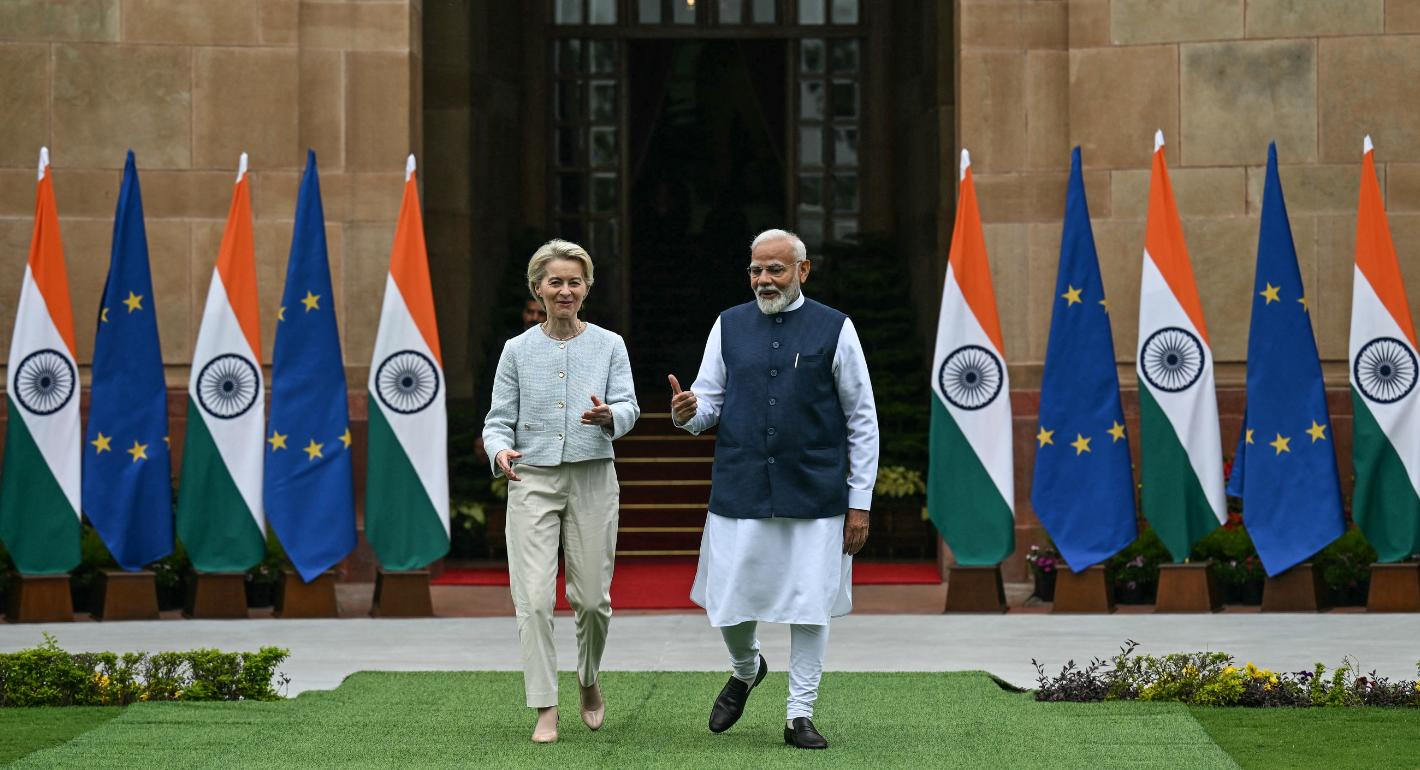
As European leadership prepares for the sixteenth EU-India Summit, both sides must reckon with trade-offs in order to secure a mutually beneficial Free Trade Agreement.

Dinakar Peri
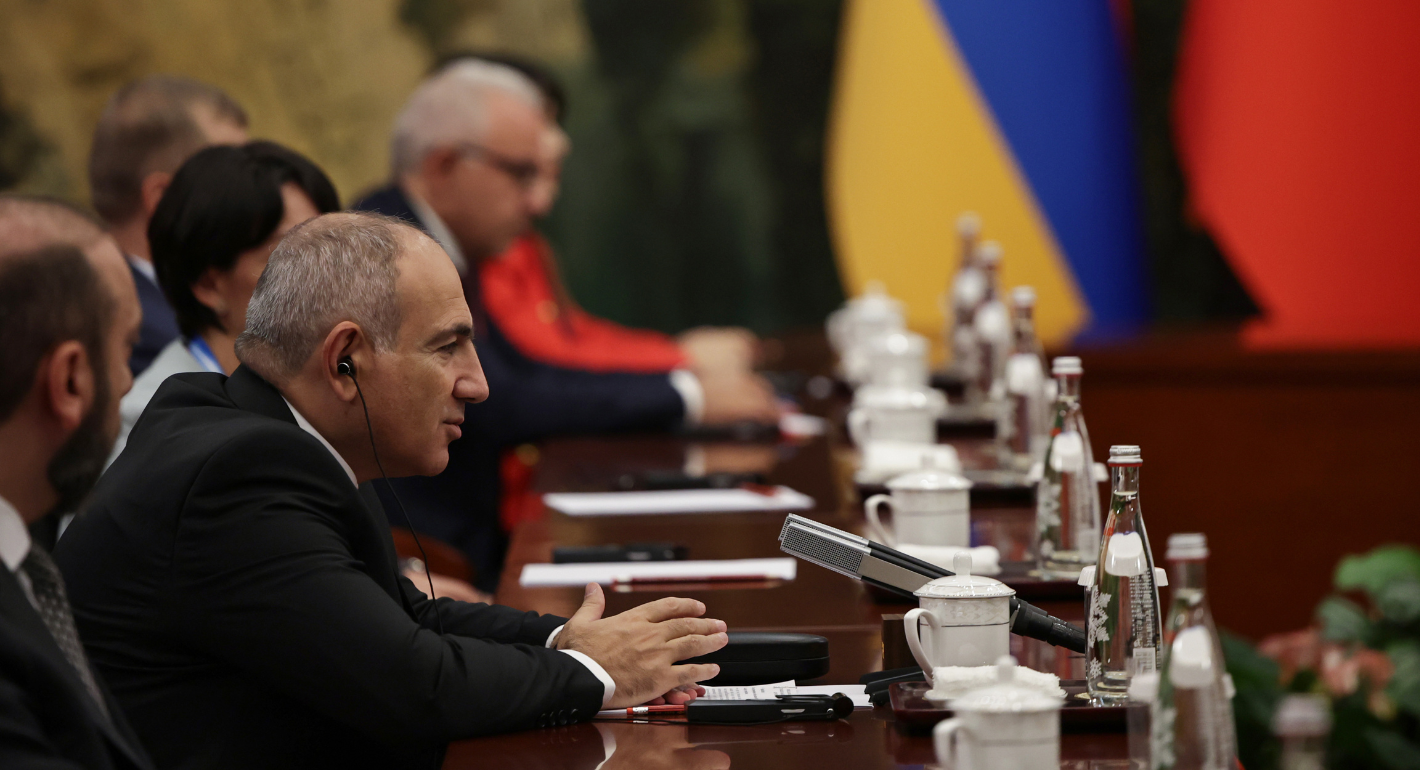
As the 2026 Armenian election approaches, Prime Minister Nikol Pashinyan is facing fierce opposition from both Russia and the diaspora. He will need the help of Europe, the United States, and regional neighbours to advance his ambitious foreign policy.

Thomas de Waal
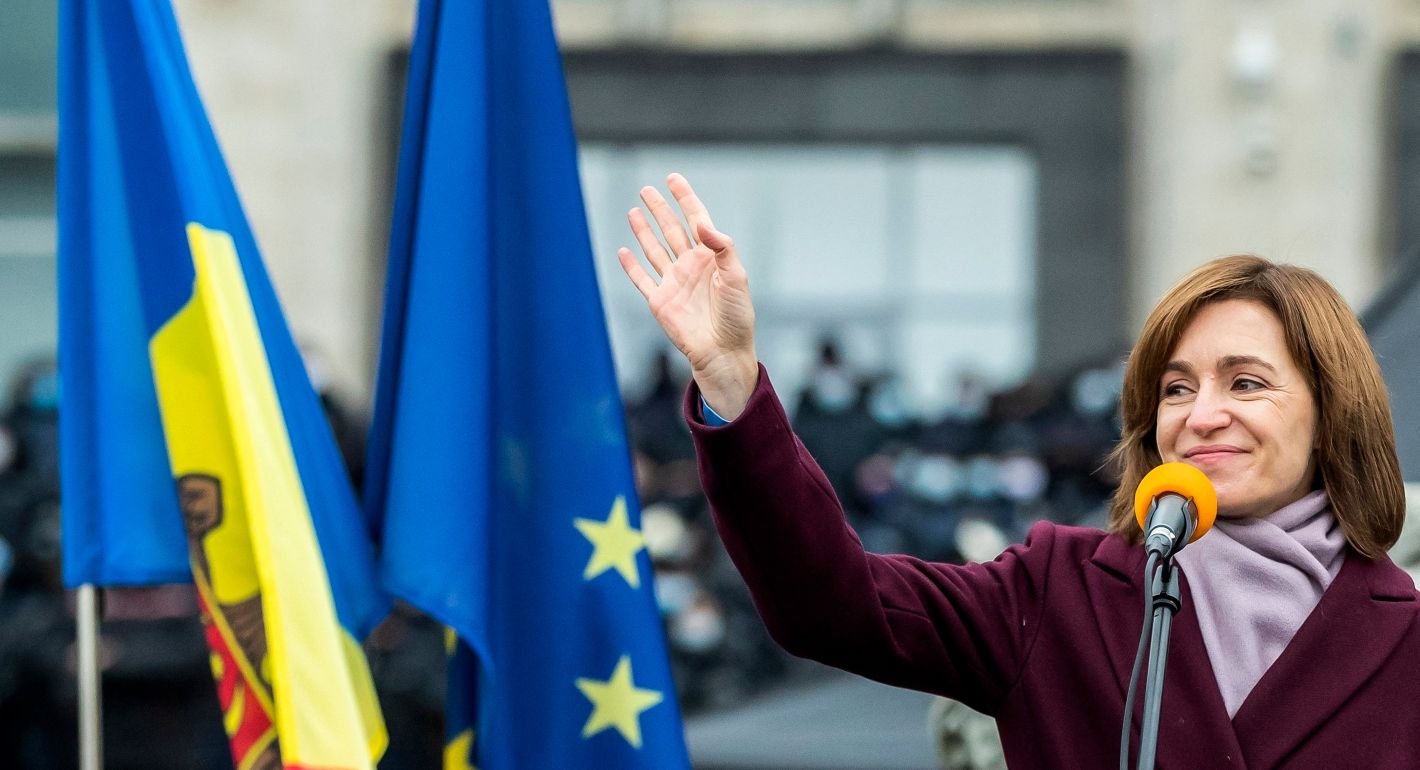
Moldova’s parliamentary election is make-or-break for the country’s European future. The outcome will test whether Chișinău will stay on the EU accession path or fall prey to Russia’s multi-domain interference campaign.

Oana Popescu-Zamfir
Europe’s radical-right parties felt empowered by Trump’s return to the White House, but their ability to reshape politics is constrained by divisions and a lack of vision. Pro-EU political forces can still forge the bloc’s future if they stop chasing the radical right.


Rosa Balfour, Stefan Lehne, Elena Ventura
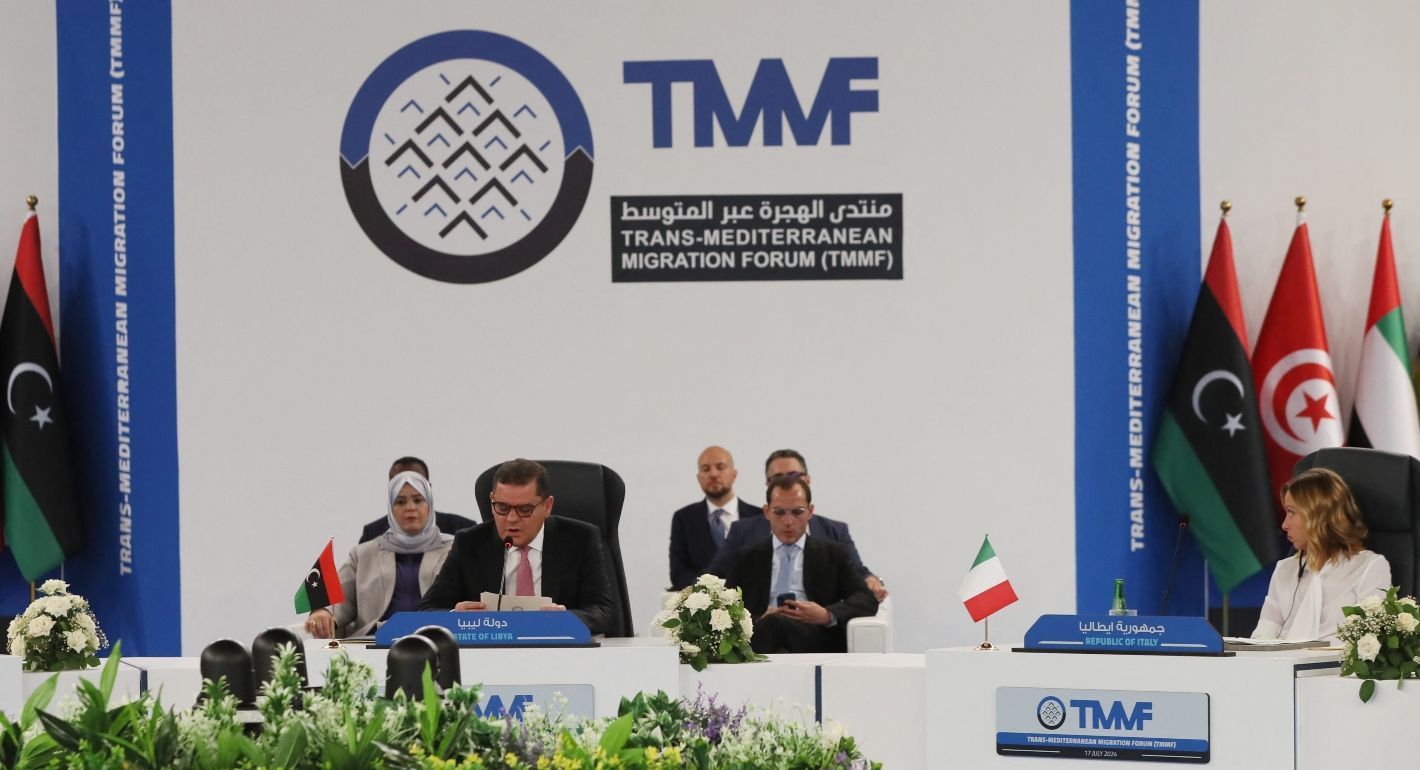
As the EU prepares a new pact for its Southern neighborhood, the union should balance economic and security interests with support for civil society, political reforms, and inclusive governance.

Hussein Baoumi