

Commentary
As European leadership prepares for the sixteenth EU-India Summit, both sides must reckon with trade-offs in order to secure a mutually beneficial Free Trade Agreement.
Dinakar Peri
{
  "authors": [
    "Darshana M. Baruah",
    "Satyendra Prasad",
    "Denghua Zhang"
  ],
  "type": "questionAnswer",
  "centerAffiliationAll": "",
  "centers": [
    "Carnegie Endowment for International Peace",
    "Carnegie China"
  ],
  "collections": [
    "Carnegie China Commentaries"
  ],
  "englishNewsletterAll": "",
  "nonEnglishNewsletterAll": "",
  "primaryCenter": "Carnegie Endowment for International Peace",
  "programAffiliation": "",
  "programs": [],
  "projects": [],
  "regions": [
    "Southeast Asia",
    "East Asia",
    "China"
  ],
  "topics": [
    "Foreign Policy"
  ]
}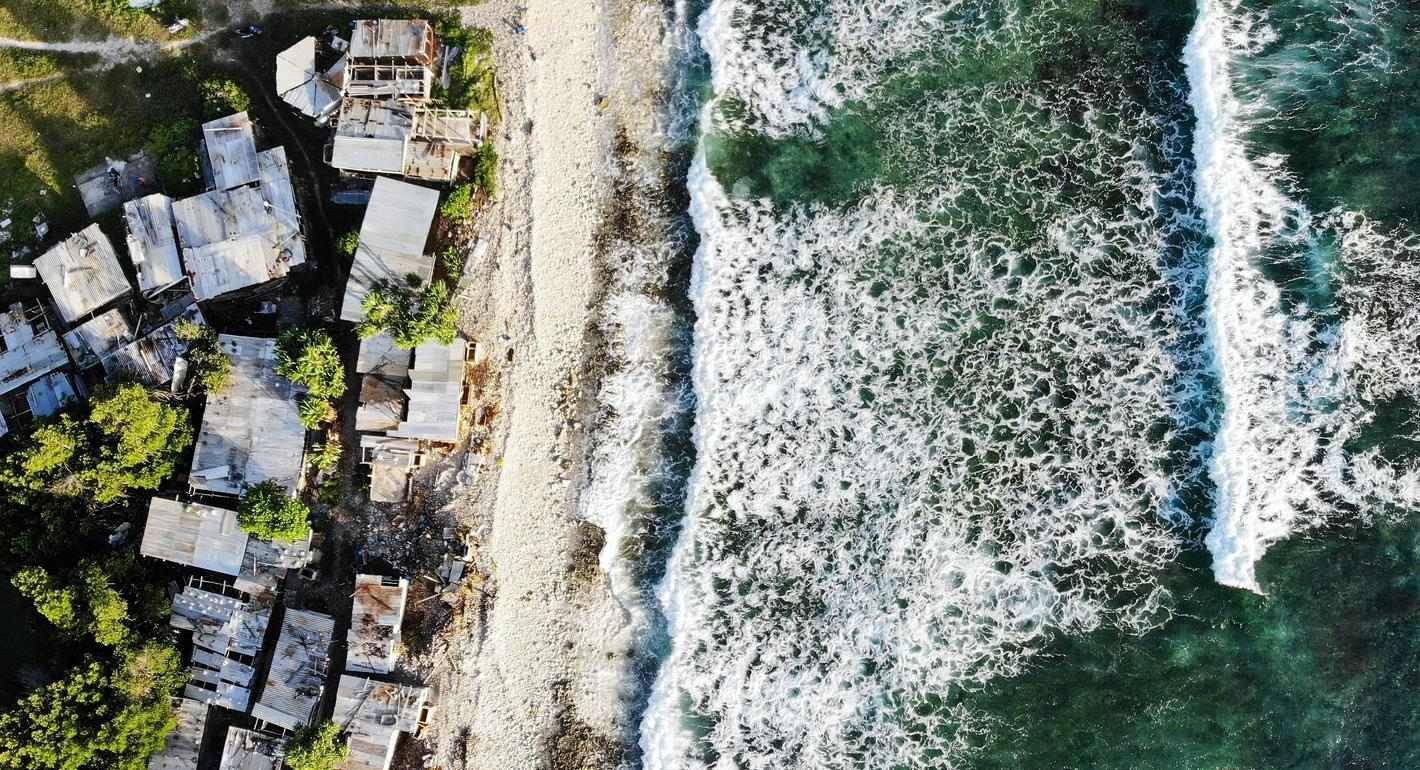
One reason Pacific Island countries continue to borrow from China is their huge demand for infrastructure.
This Q&A was adapted from a Carnegie China live event assessing China-Pacific Islands relations. It has been edited for clarity.
Darshana M. Baruah: Within the geopolitical conversation, there is a notion that China comes with big amounts of cash and forces its development projects on countries in the Pacific. Despite the concerns that bigger players may have, the other side to the story is that many countries choose to take loans and grants from China to address the issues they are facing on the ground. Traditional players like the World Bank and the International Monetary Fund are sometimes unable to deliver on those issues. Why are countries in the Pacific, despite concerns about sustainable debt issues, willing to work with China? Satyendra Prasad: First, let me start with a general remark. The climate story is a debt story. Vanuatu lost 70 percent of its GDP in Cyclone Pam in 2015. It lost another 12 percent of its GDP in subsequent cyclones. If I were to transpose that number onto China’s economy, that would be like wiping out $12 trillion. With the remaining resources, the government must make sure that hospitals, roads, and other infrastructure are repaired. These events happen repeatedly in country after country in the Pacific.Fiji’s deputy prime minister, Biman Prasad, recently spoke at the Australasian AID Conference. He described the impact of climate change on small states’ infrastructure and proposed a global agreement for investment that is ultraconcessional in nature, taking into regard what smallness means. There are some states with only one or two sectors of the economy. Those sectors can be wiped away by climate catastrophes at the same time as small states must pay to rebuild their infrastructure. So the thing from which you earn revenue is wiped away and the resources that sustain an economy—roads, bridges, etc.—get wiped away. Small states often do not have alternative drivers of the economy.
In this context, there must be space in the international system for small-state-specific financing windows. I’ve heard more and more finance and economic ministers say that none of the existing financing instruments will work for small states—whether provided by China or the World Bank or the Asian Development Bank. Concessional loan arrangements should be small-state specific.
Even with less than 20,000 people, Tuvalu needs a wharf that can handle 250- to 500-ton ships. But the cost of a wharf doesn’t change because you are small. A wharf in Tuvalu costs the same as a wharf in Australia. However, Tuvalu’s ability to service a concessional loan changes. A single concessional loan can put entire public finances out of whack. This is a very unique challenge for the small island states.
Denghua Zhang: I would like to add to the question of why Pacific Island countries are interested in applying for Chinese loans, even if they are aware of the debt risks.From the supply side, the Chinese side is keen to provide loans. Concessional loans need to be repaid. They are not grants. So that can reduce the financial burden on the Chinese government. Second, many Chinese loans are given to Chinese state-owned contractors, so they become the beneficiaries in terms of financial and employment opportunities.
From Pacific Island countries’ perspectives, one reason they continue to borrow from China is their huge demand for infrastructure. If we compare China’s concessional loans with those of traditional partners, China’s loans are much more convenient. It is easier to apply for Chinese loans because they require less paperwork and do not have the same requirements in areas such as good governance, financial reform, human rights, and democracy.
Finally, in terms of the bidding process, Chinese contractors can offer a lower price compared with their Western competitors. After they win the contracts, however, Chinese companies sometimes request that foreign governments increase the budget for these projects. This is a problem that even the Chinese government is aware of.
Carnegie does not take institutional positions on public policy issues; the views represented herein are those of the author(s) and do not necessarily reflect the views of Carnegie, its staff, or its trustees.
As European leadership prepares for the sixteenth EU-India Summit, both sides must reckon with trade-offs in order to secure a mutually beneficial Free Trade Agreement.

Dinakar Peri
The hyper-personalized new version of global sphere-of-influence politics that Donald Trump wants will fail, as it did for Russia. In the meantime, Europe must still deal with a disruptive former ally determined to break the rules.

Thomas de Waal
2026 has started in crisis, as the actions of unpredictable leaders shape an increasingly volatile global environment. To shift from crisis response to strategic foresight, what under-the-radar issues should the EU prepare for in the coming year?
Thomas de Waal
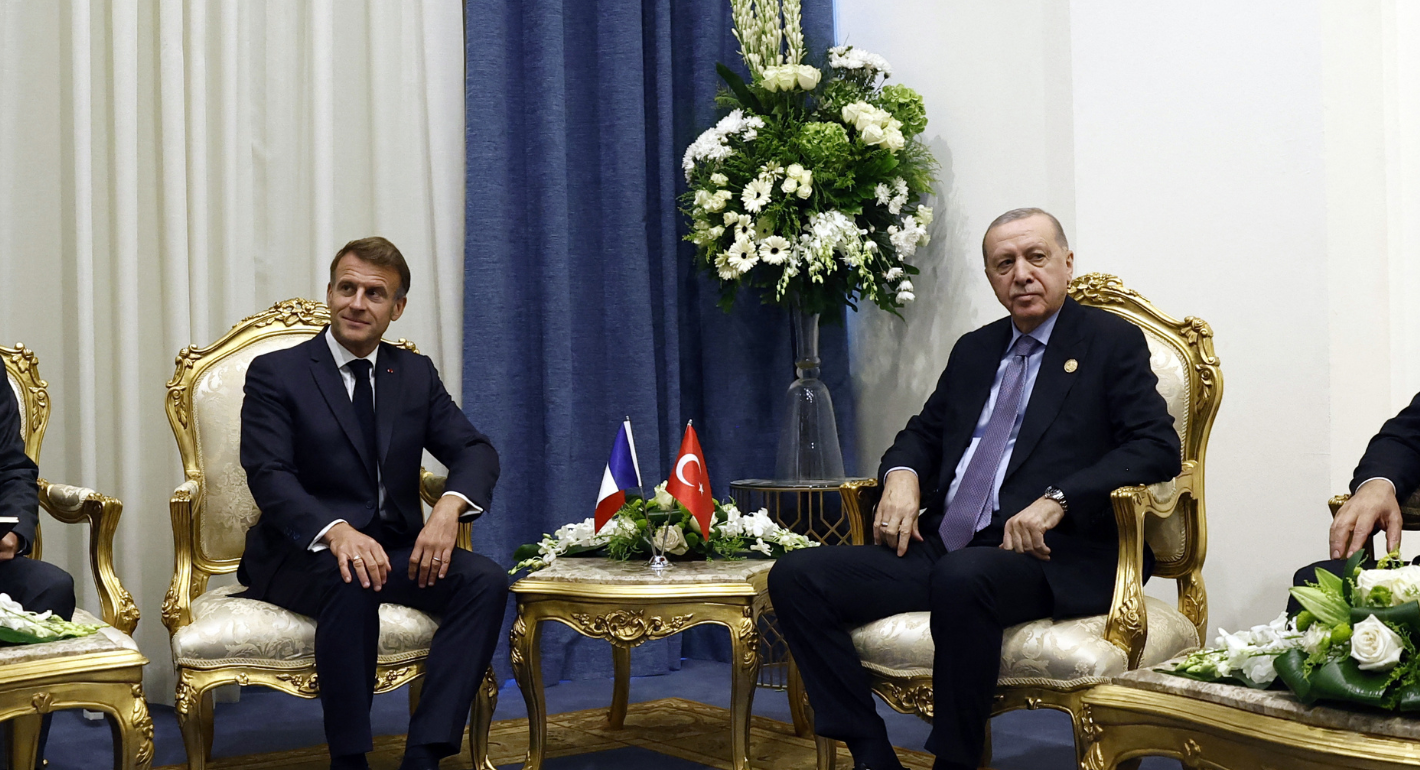
A renewal of relations between France and Turkey is vital to strengthen European strategic autonomy. To make this détente a reality, Paris and Ankara should move beyond personal friction and jointly engage with questions of Black Sea security.

Romain Le Quiniou
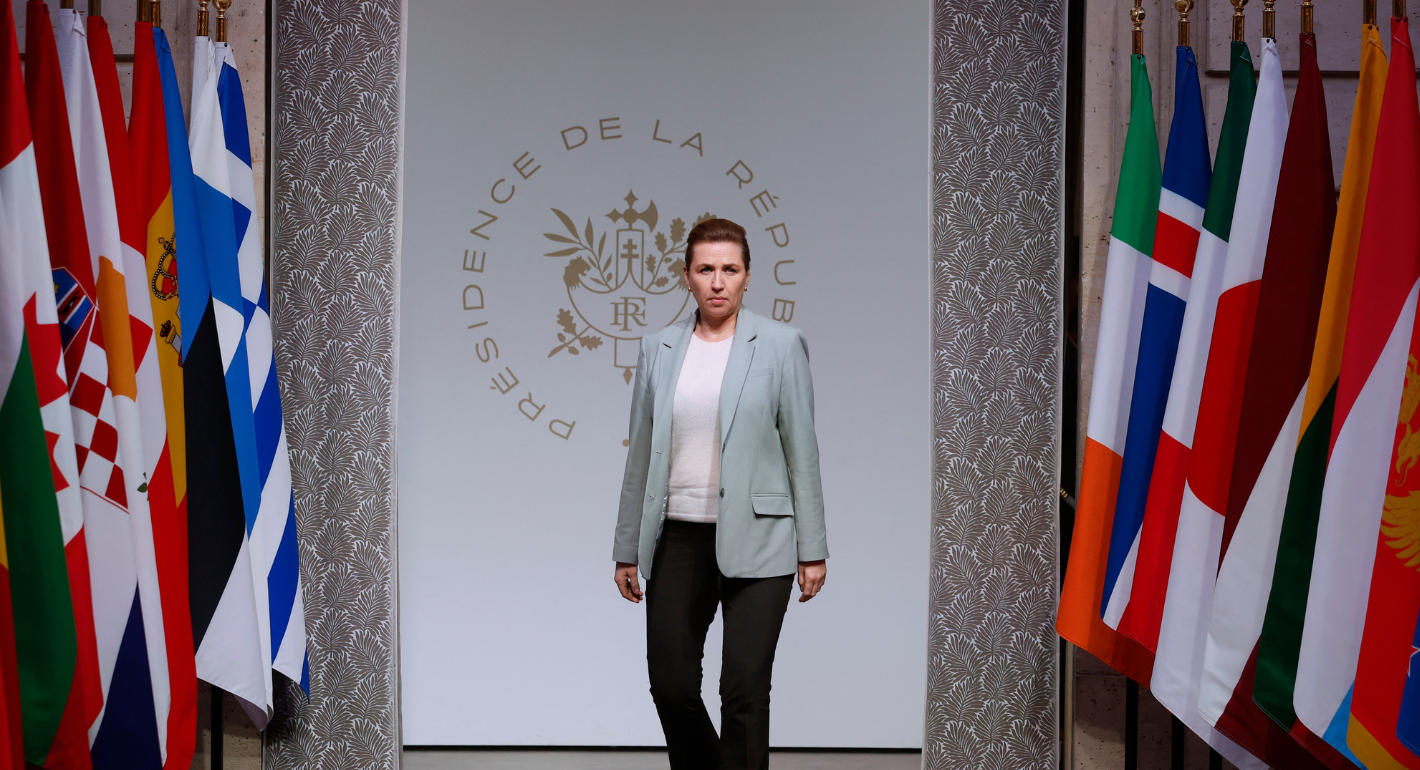
Europe is designing a new model of collective security that no longer relies on the United States. For this effort to succeed, solidarity between member states that have different threat perceptions is vital.

Erik Jones