

Other
Anders Aslund

With the dissolution of the Soviet Union in December 1991, Ukraine—the second-most important economic contributor to the union after Russia—unshackled itself from years of subjugation.
Source: New York, NY: M.E. Sharpe, 2000
With the dissolution of the Soviet Union in December 1991, Ukraine—the second-most important economic contributor to the union after Russia—unshackled itself from years of subjugation. The newly gained freedom meant rebuilding the country to reflect Ukrainian nationalism. Radical economic reforms were dismissed; such an approach represented Russian rashness. Instead, Ukraine undertook a “gradualist” approach to reform, but the results have been worse.
In Economic Reform in Ukraine, editors Anders Åslund and Georges de Ménil show that despite intents to reform, Ukraine has had one of the worst growth performances in the post-communist world. In the past decade, the country ended up recreating a massive centralized bureaucracy, including mimicking Soviet-style foreign trade regulations.
This comprehensive and policy-oriented study—with contributions from leading reformers in the Ukrainian government and other economic advisers—is the essential guidebook to what Ukraine needs to do to begin solving major problems in macroeconomic stabilization, fiscal policy, the energy sector, privatization, the legal system, and pension reform. Ukrainian policy makers have long been cognizant of reform proposals and have understood the economic issues, the editors argue. It is now time for policy decisions and implementation.
Anders Åslund is a senior associate at the Carnegie Endowment for International Peace. Georges de Ménil is professor of economics at the Ecole des Hautes Etudes en Sciences Sociales in Paris. They served as co-directors of the Soros International Economic Advisory Group to the Ukrainian Government in the mid-1990s.
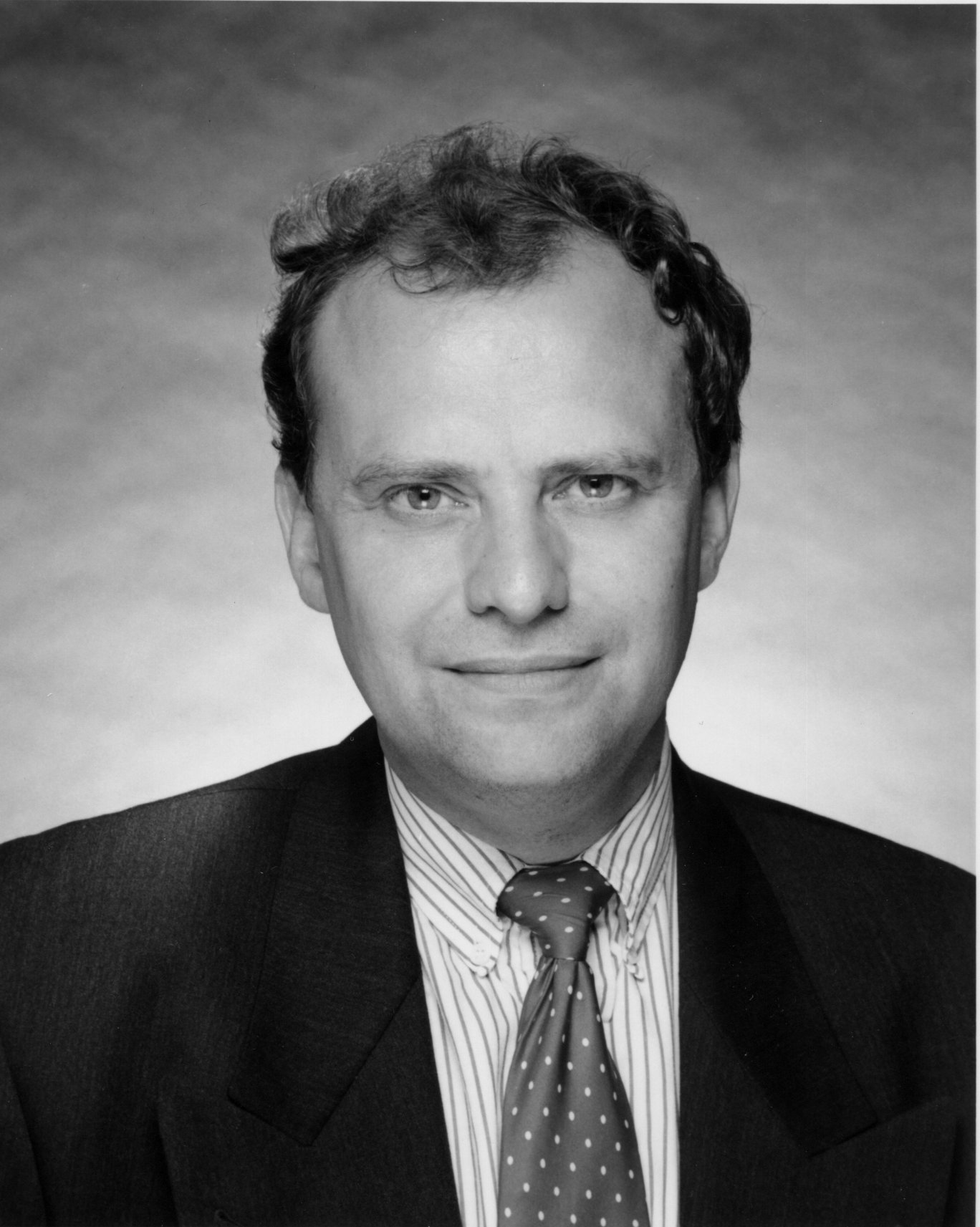
Former Senior Associate, Director, Russian and Eurasian Program
Recent Work
Anders Aslund
Anders Aslund
Carnegie does not take institutional positions on public policy issues; the views represented herein are those of the author(s) and do not necessarily reflect the views of Carnegie, its staff, or its trustees.
Europe isn’t as weak in the new geopolitics of power as many would believe. But to leverage its assets and claim a sphere of influence, Brussels must stop undercutting itself.

Dimitar Bechev
Over the past two decades, regional collaboration in the South Caucasus has intensified. Turkey and the EU should establish a cooperation framework to accelerate economic development and diversification.



Feride İnan, Güven Sak, Berat Yücel
Europe’s interests in Syria extend beyond migration management, yet the EU trails behind other players in the country’s post-Assad reconstruction. To boost its influence in Damascus, the union must upgrade its commitment to ensuring regional stability.


Bianka Speidl, Hanga Horváth-Sántha

A prophetic Romanian novel about a town at the mouth of the Danube carries a warning: Europe decays when it stops looking outward. In a world of increasing insularity, the EU should heed its warning.

Thomas de Waal

The EU lacks leadership and strategic planning in the South Caucasus, while the United States is leading the charge. To secure its geopolitical interests, Brussels must invest in new connectivity for the region.

Zaur Shiriyev