

Testimony
Anders Aslund
{
  "authors": [
    "Anders Aslund"
  ],
  "type": "other",
  "centerAffiliationAll": "dc",
  "centers": [
    "Carnegie Endowment for International Peace"
  ],
  "collections": [],
  "englishNewsletterAll": "ctw",
  "nonEnglishNewsletterAll": "",
  "primaryCenter": "Carnegie Endowment for International Peace",
  "programAffiliation": "russia",
  "programs": [
    "Russia and Eurasia"
  ],
  "projects": [],
  "regions": [
    "North America",
    "United States",
    "Caucasus",
    "Russia"
  ],
  "topics": [
    "Political Reform",
    "Democracy",
    "Foreign Policy"
  ]
}
REQUIRED IMAGE
Source: Carnegie Endowment
Russia’s regime has gone through a major aggravation during the first year of President Vladimir Putin’s second term. The regime suffers from serious overcentralization of power, which has led to a paralysis of policy making. Putin’s power base has been shrunk to a core of secret policemen from St. Petersburg. Although his popularity remains high, it is falling. Neither unbiased information nor negative feedback is accepted. As a result, the Putin regime is much more fragile than generally understood. Russia’s current abandonment of democracy is an anomaly for such a developed and relatively wealthy country, and it has made Russia’s interests part from those of the United States.
In this new Policy Brief, Carnegie senior associate Anders Aslund asserts that the United States should not hesitate to promote democracy in Russia, while pragmatically pursuing common interests in nonproliferation and energy.
Click on the link above for the full text of this Carnegie publication.
A limited number of print copies are available.
Request a copy
About the Author
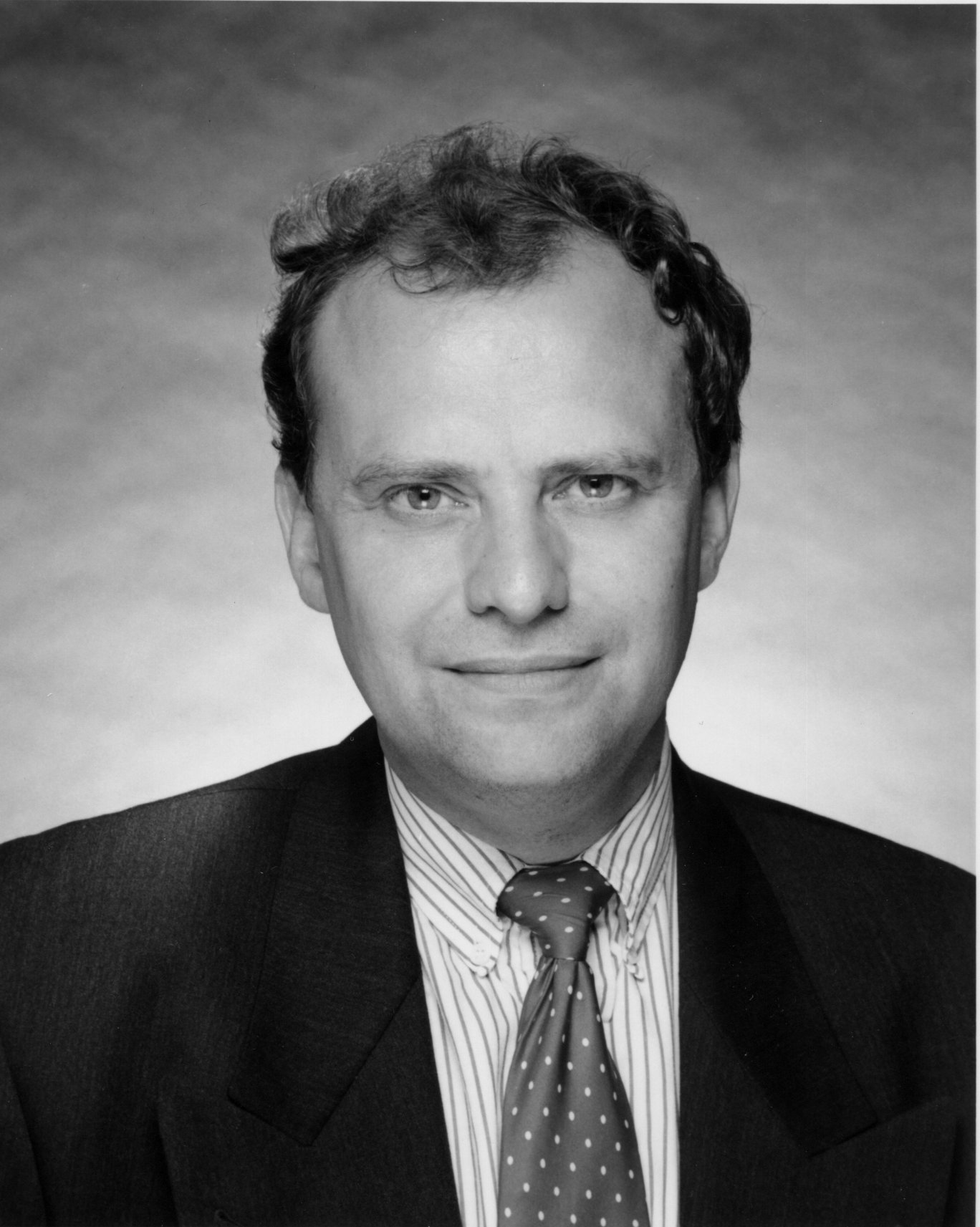
Anders Åslund is the director of the Russian and Eurasian Program and senior associate at the Carnegie Endowment. He is also an adjunct professor at Georgetown University and co-directs the Carnegie Moscow Center's project on Economies of the Post-Soviet States. He is the author of Building Capitalism: The Transformation of the Former Soviet Bloc and Betraying a Revolution (Washington Post, May 2005).
Former Senior Associate, Director, Russian and Eurasian Program
Recent Work
Anders Aslund
Anders Aslund, Oleksandr Paskhaver
Carnegie does not take institutional positions on public policy issues; the views represented herein are those of the author(s) and do not necessarily reflect the views of Carnegie, its staff, or its trustees.

With its public finances in shambles, the far right polling at 35 percent ahead of the 2027 presidential election, and a growing protest movement, is France’s crisis a threat to the EU’s geopolitical awakening?

Rym Momtaz, ed.

Ahead of a tough winter for Ukraine, Donald Trump’s swing back toward Russia bodes ill. But instead of panicking, Kyiv’s European allies are focusing on action.
Rym Momtaz

Funding Ukraine remains a priority for European leaders. As Russia’s war of aggression heads into another winter, two feasible options to mobilize support for Kyiv should be fast-tracked.


Vladyslav Rashkovan, Gregory P. Wilson

While the EU and European governments are embracing the much-lauded middle-power moment, this entails three difficult conundrums.

Richard Youngs

Europe is facing rising populism internally as well as external pressures from Russia, China, Turkey, and the United States.

Dimitar Bechev