

Paper
Paul Salem
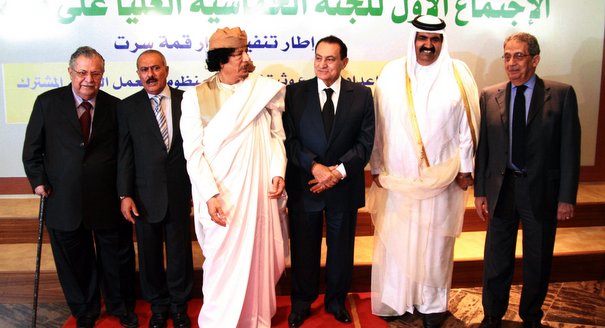
Source: Getty
A formal framework for communication and cooperation in the eastern Middle East could reduce the risks of conflict and encourage stability and economic development in this tense but critical location.
As the United States withdraws its forces from Iraq, there will be competition for regional influence by states in the eastern Middle East, including Turkey, Iran, Syria, Iraq, Saudi Arabia, and the rest of the Gulf countries. A formal framework for communication and cooperation—similar to the Organization for Security and Co-operation in Europe—could reduce the risks of conflict and encourage stability and economic development in this tense but critical location, according to a paper by Paul Salem.
“There are escalating tensions in the eastern Middle East today, but this is precisely why the region’s leaders should increase their communication and interaction,” writes Salem. “Even in the context of unresolved threats, working toward such a framework is possible and necessary. The Helsinki Process and the OSCE were launched during the Cold War to build trust and cooperation in the context of mistrust and mutually perceived threats.”
Senior Fellow at the Middle East Institute
Paul Salem is a senior fellow at the Middle East Institute.
Recent Work
Paul Salem
Paul Salem
Carnegie does not take institutional positions on public policy issues; the views represented herein are those of the author(s) and do not necessarily reflect the views of Carnegie, its staff, or its trustees.
Europe’s reaction to the war in Iran has been disunited and meek, a far cry from its previously leading role in diplomacy with Tehran. To avoid being condemned to the sidelines while escalation continues, Brussels needs to stand up for international law.

Pierre Vimont
Europe’s interests in Syria extend beyond migration management, yet the EU trails behind other players in the country’s post-Assad reconstruction. To boost its influence in Damascus, the union must upgrade its commitment to ensuring regional stability.

Bianka Speidl, Hanga Horváth-Sántha
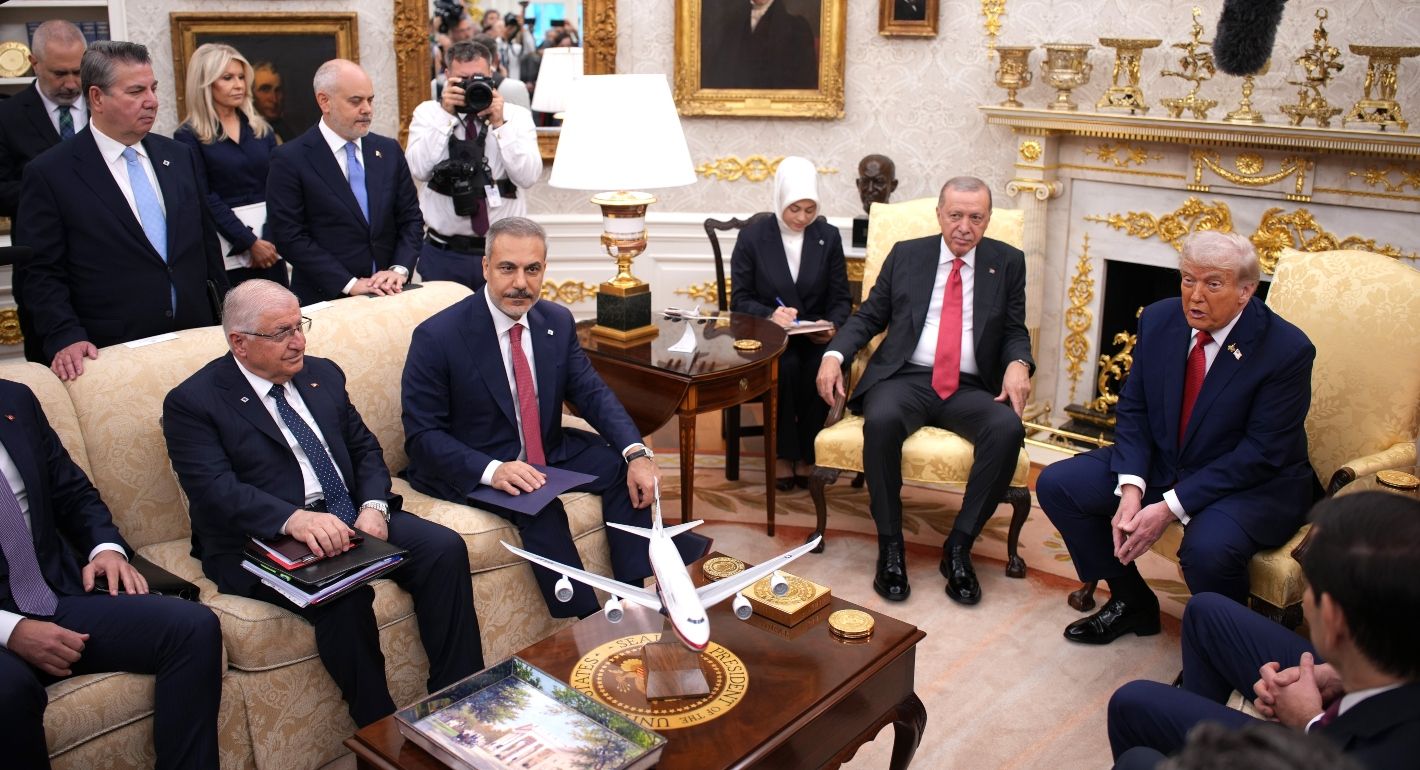
Erdoğan and Trump’s meeting served both leaders’ domestic and personal agendas. For Europe, it highlights how America’s transactional approach risks sidelining allies and empowering authoritarians.

Marc Pierini
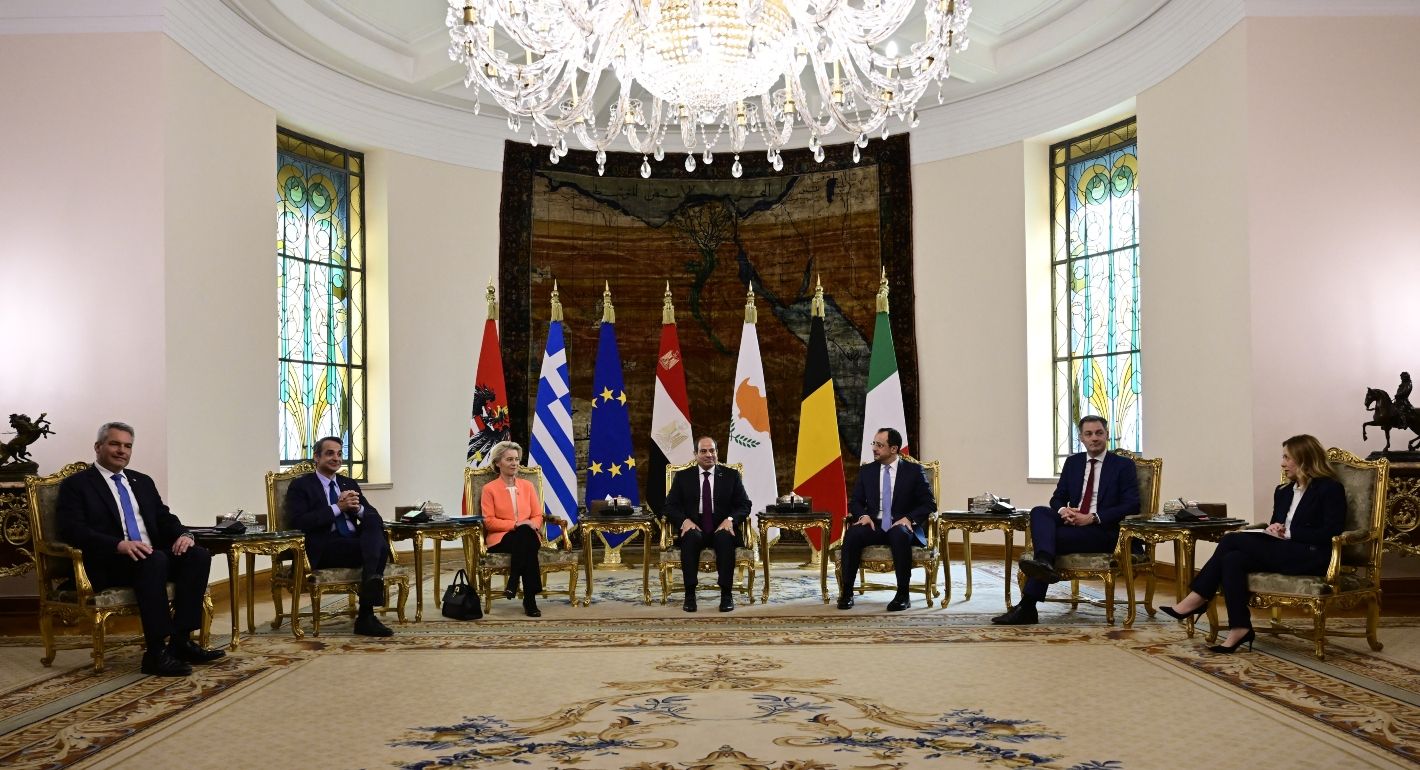
The EU’s new Pact for the Mediterranean aims to reshape the bloc’s relations with its Southern neighborhood. But the initiative lacks concrete measures to address societal divides and the region’s pressing challenges.

Richard Youngs
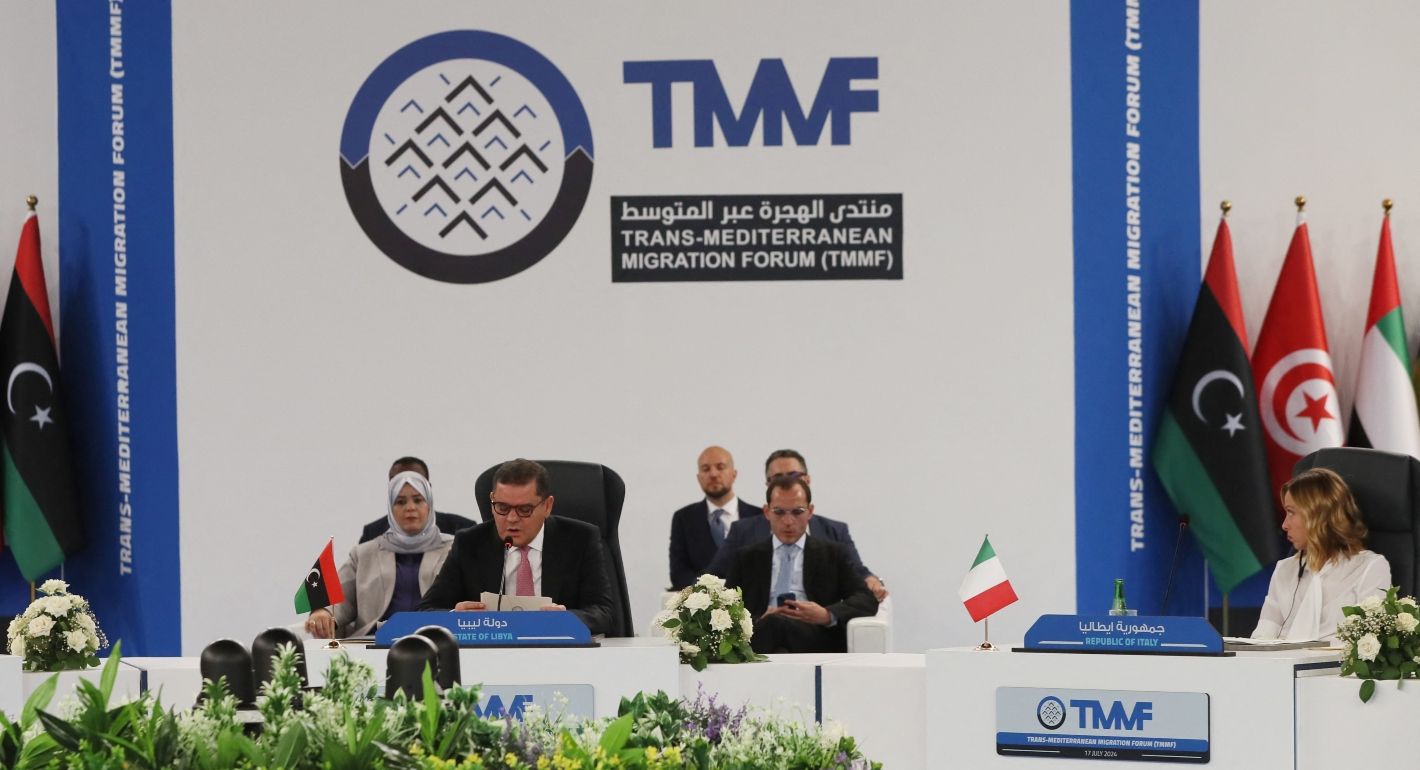
As the EU prepares a new pact for its Southern neighborhood, the union should balance economic and security interests with support for civil society, political reforms, and inclusive governance.
Hussein Baoumi