

Commentary
As European leadership prepares for the sixteenth EU-India Summit, both sides must reckon with trade-offs in order to secure a mutually beneficial Free Trade Agreement.
Dinakar Peri
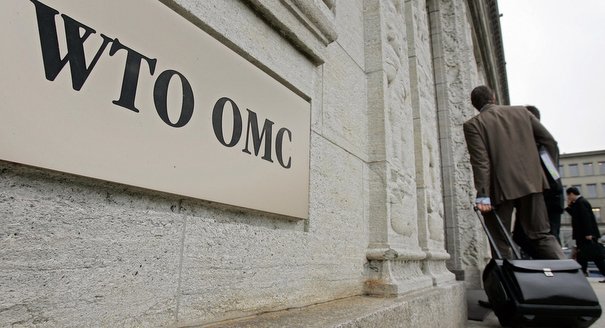
Source: Getty
Although World Trade Organization policies helped limit the increase in protectionist measures during the recent financial crisis, a mutually reinforcing set of legal and structural changes in the world economy played a larger role in keeping global markets open.
Despite a limited increase in the incidence of protectionist measures during the recent financial and economic crisis, the effects on global trade appear small—the world, remarkably, did not resort to protectionism. In addition to the concerted stimulus measures, financial rescues, and the strengthening of lender-of-last-resort facilities that restricted the duration and depth of the economic downturn, the World Trade Organization’s disciplines, enforceable through its dispute settlement mechanism, no doubt played an important role in staving off trade protection.
But this is only one part of the story. The increased resistance to protectionism is the result of a complex, mutually reinforcing set of legal and structural changes in the world economy that have made a return to protection more costly and disruptive and have established new vested interests in open markets.
These changes include:
In addition to good macroeconomic and social policies that limit the impact of economic downturns, ensuring an open and predictable trade policy requires a more realistic approach to trade negotiation that embraces plurilateral, bilateral, and regional processes. This, in turn, will maintain the momentum of change, creating more “facts on the ground.” For the World Trade Organization to remain relevant, it must view itself as the facilitator of all these processes and not exclusively as a forum for the exchange of multilateral concessions. Domestic mechanisms that require trade protection proposals to be examined transparently by broad constituencies will further guarantee a predictable trading regime. In an interconnected world, increased attention to trade facilitation is also needed to lower trade costs and consolidate the vested interest in and support for trade. These steps together will help to foster a liberal trading environment and prevent a future recourse to protectionism.
Carnegie does not take institutional positions on public policy issues; the views represented herein are those of the author(s) and do not necessarily reflect the views of Carnegie, its staff, or its trustees.
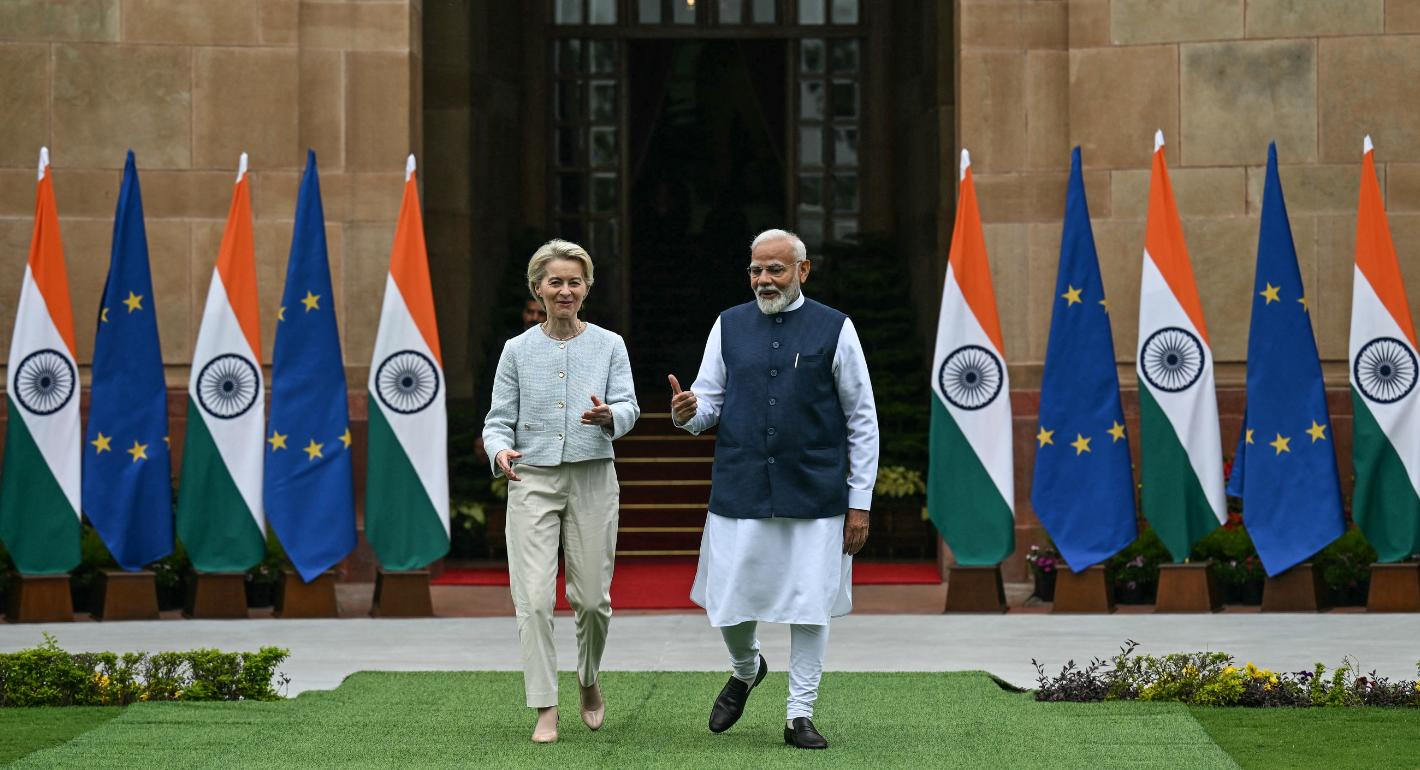
As European leadership prepares for the sixteenth EU-India Summit, both sides must reckon with trade-offs in order to secure a mutually beneficial Free Trade Agreement.

Dinakar Peri
In Donald Trump’s second term in office, the transatlantic relationship that helped define the postwar European project and global order appears broken. Is it time for Brussels to chart its own path?


Nathalie Tocci, Jan Techau
Beset by an increasingly hostile United States, internal divisions, and the threat of Russian aggression, the EU finds itself in a make-or-break moment. U.S. President Donald Trump calls it a decaying group of nations headed by weak leaders. Is Europe able to prove him wrong?

Thomas de Waal

Hard-line approaches to asylum policy are increasingly common, with crackdowns proposed even by parties that traditionally hold liberal views on migration. Does this shift represent a break with Europe’s fundamental values?
Thomas de Waal
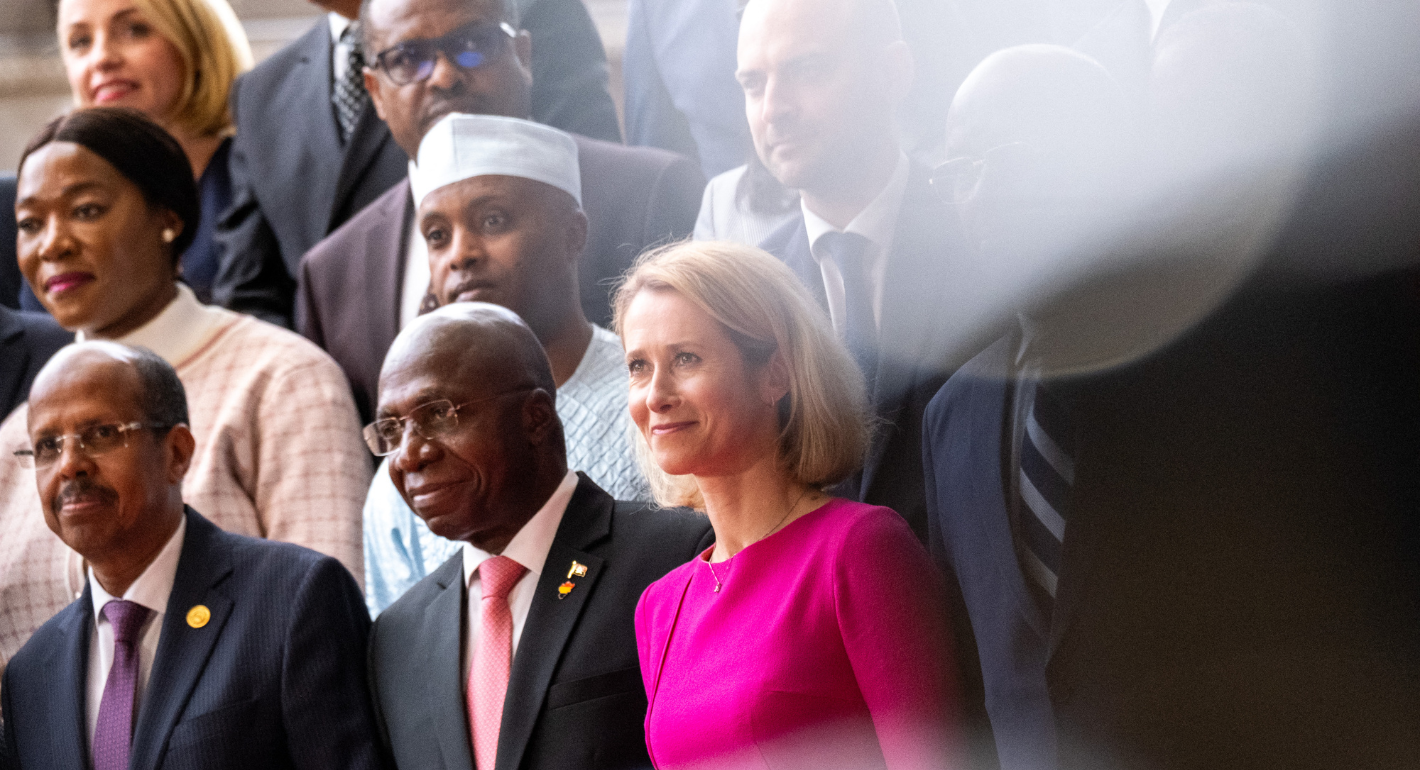
Despite the strategic importance of relations between the EU and the African Union, deep divisions remain between the blocs. At their upcoming summit, both partners should strive to build a mutually beneficial cooperation.

Marta Martinelli