

Commentary
As European leadership prepares for the sixteenth EU-India Summit, both sides must reckon with trade-offs in order to secure a mutually beneficial Free Trade Agreement.
Dinakar Peri
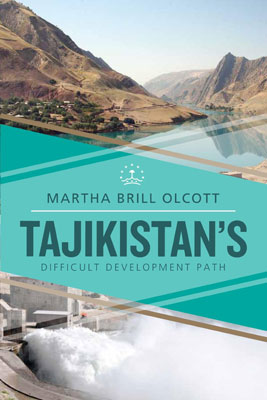
The Tajik leadership faces an urgent choice between fully embracing reform and continuing on its current failed track. Tajikistan’s decision will have very real implications for this troubled region.
Source: Washington

In Tajikistan’s Difficult Development Path, Martha Brill Olcott traces the political, economic, and social change following the country’s independence and international efforts to prevent a collapse of the state. The Tajik government’s commitment to reform has been limited at best, and substantial foreign assistance provided since the end of the country’s civil war has not led to real economic and political development.
Olcott concludes that the Tajik leadership faces an urgent choice between fully embracing reform and continuing on its current failed track. Tajikistan’s decision will have very real implications for this troubled region.
Carnegie does not take institutional positions on public policy issues; the views represented herein are those of the author(s) and do not necessarily reflect the views of Carnegie, its staff, or its trustees.
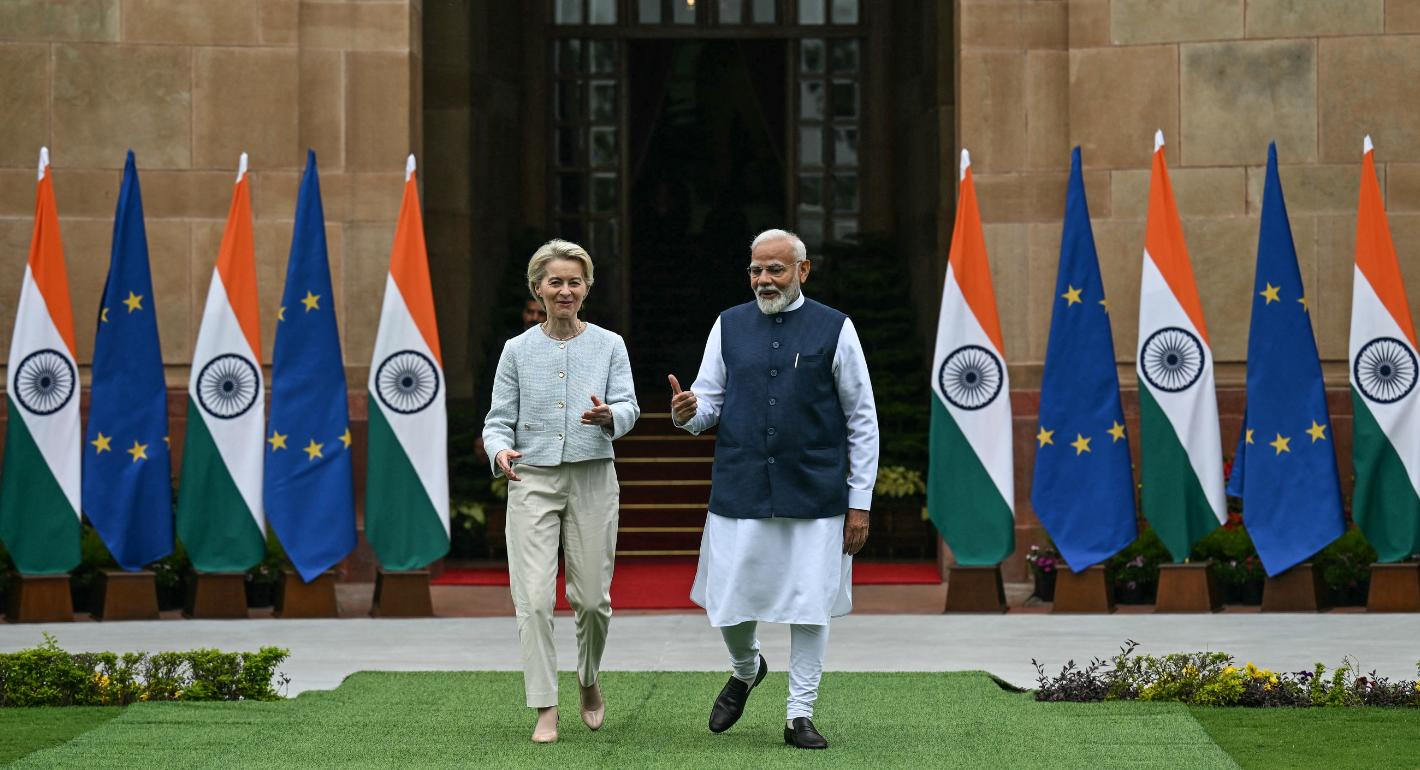
As European leadership prepares for the sixteenth EU-India Summit, both sides must reckon with trade-offs in order to secure a mutually beneficial Free Trade Agreement.

Dinakar Peri
Beset by an increasingly hostile United States, internal divisions, and the threat of Russian aggression, the EU finds itself in a make-or-break moment. U.S. President Donald Trump calls it a decaying group of nations headed by weak leaders. Is Europe able to prove him wrong?
Thomas de Waal
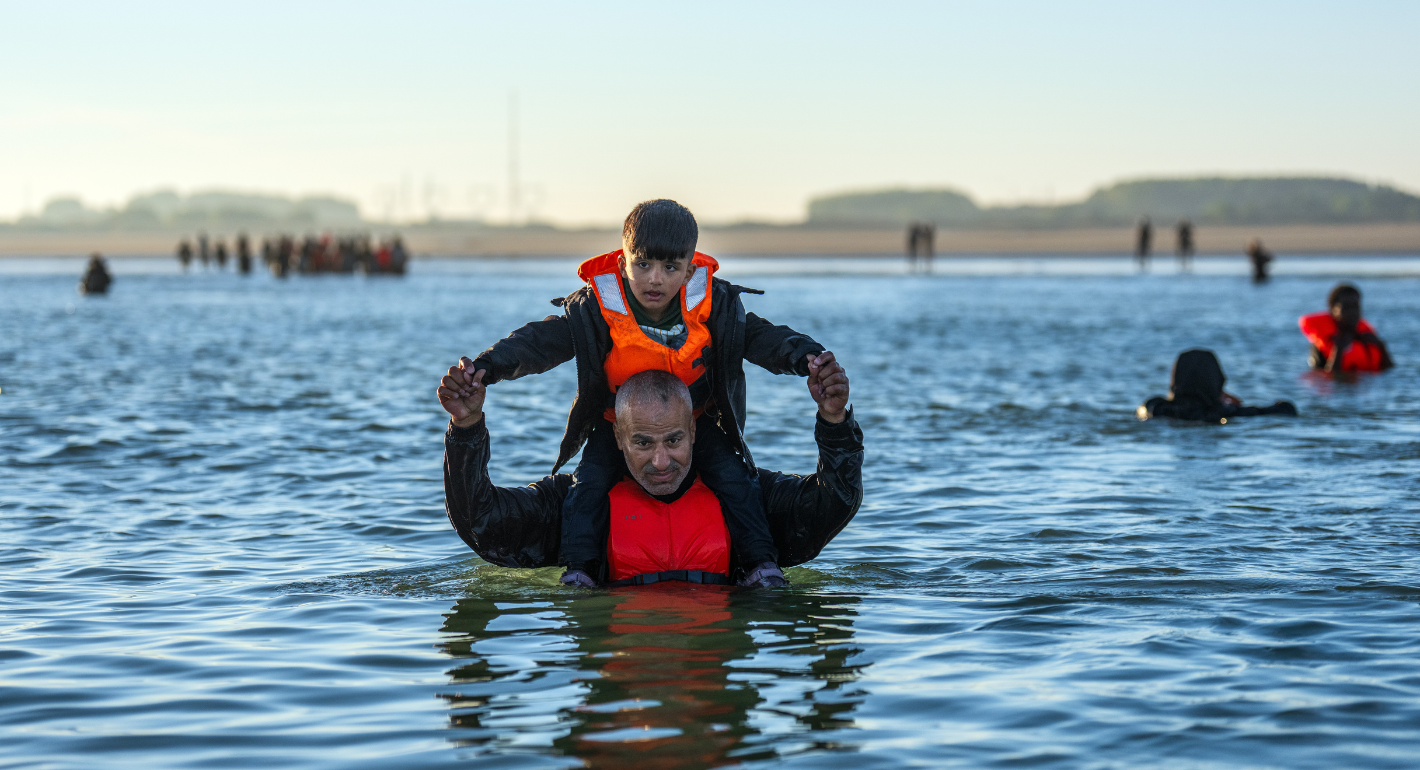
Hard-line approaches to asylum policy are increasingly common, with crackdowns proposed even by parties that traditionally hold liberal views on migration. Does this shift represent a break with Europe’s fundamental values?
Thomas de Waal
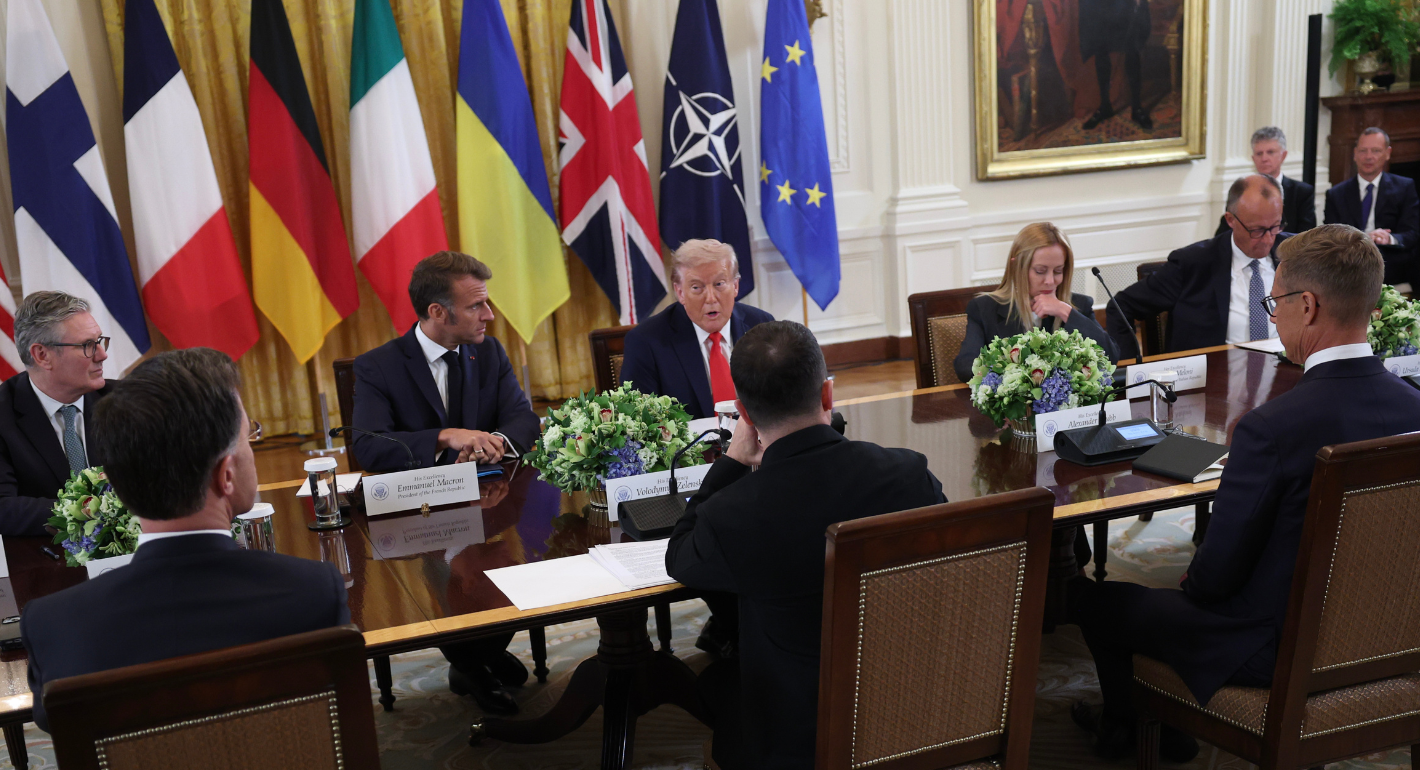
The second Trump administration has shifted the cornerstones of the liberal international order. How the EU responds will determine not only its global standing but also the very integrity of the European project.
Rym Momtaz
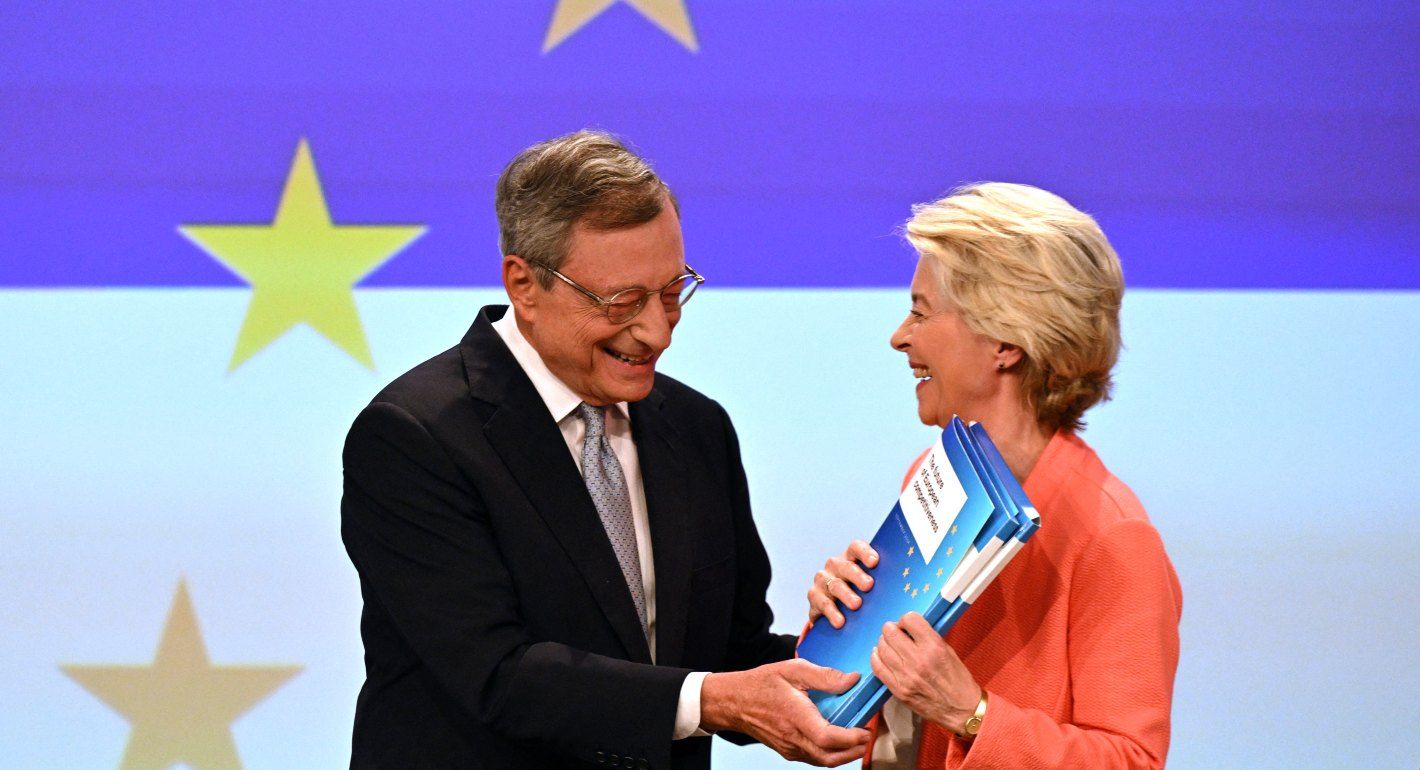
The rift between Brussels and Washington raises questions about which side will emerge stronger. The Europeans are laying the groundwork to enhance their power and have already proved their ability to withstand epochal change.

Erik Jones