• Research
  • Strategic Europe
  • About
  • Experts
Carnegie Europe logoCarnegie lettermark logo
EUUkraine
  • Donate
{
  "authors": [
    "Judy Dempsey"
  ],
  "type": "commentary",
  "blog": "Strategic Europe",
  "centerAffiliationAll": "",
  "centers": [
    "Carnegie Endowment for International Peace",
    "Carnegie Europe"
  ],
  "collections": [
    "Transatlantic Cooperation"
  ],
  "englishNewsletterAll": "",
  "nonEnglishNewsletterAll": "",
  "primaryCenter": "Carnegie Europe",
  "programAffiliation": "",
  "programs": [],
  "projects": [],
  "regions": [
    "Asia",
    "North America",
    "United States",
    "East Asia",
    "North Korea"
  ],
  "topics": [
    "Security",
    "EU"
  ]
}
Strategic Europe logo
Commentary
Strategic Europe

Trump’s Old Allies, Trump’s New Friends

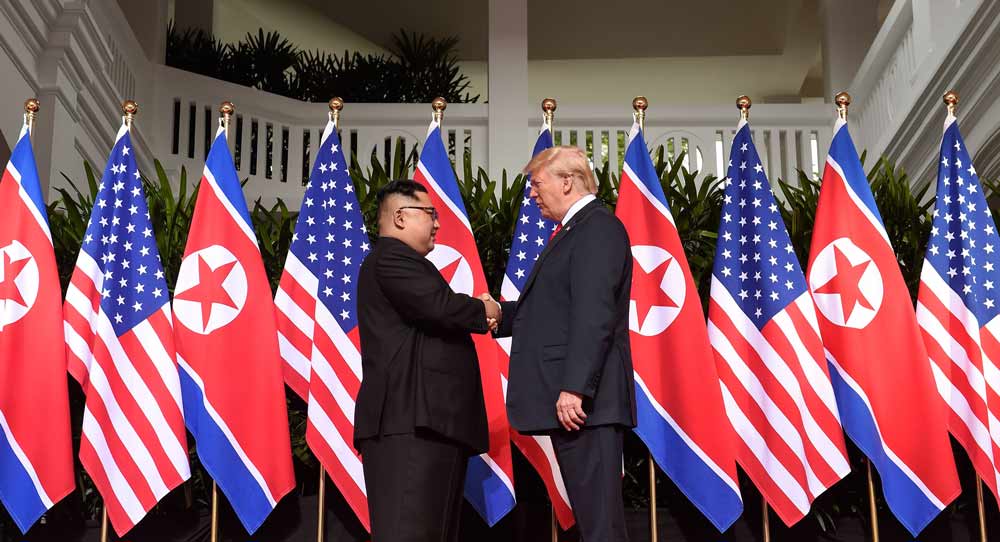
Donald Trump’s summit with Kim Jong-un may further convince the U.S. president that traditional allies are dispensable.

Link Copied
By Judy Dempsey
Published on Jun 12, 2018
Strategic Europe

Blog

Strategic Europe

Strategic Europe offers insightful analysis, fresh commentary, and concrete policy recommendations from some of Europe’s keenest international affairs observers.

Learn More

After attending the G7 summit in Canada, U.S. President Donald Trump left early to fly to Singapore. On the way, he reneged on the most timid of G7 communiques. He fired off tweets criticizing Canadian Prime Minister Justin Trudeau and German Chancellor Angela Merkel. He criticized NATO’s free-riding on the back of the U.S. security guarantee. And he was all set to impose hefty tariffs on European imports. Tempers were frayed. What a prelude to next month’s NATO summit in Brussels.

Apart from taking the United States to the World Trade Organization, America’s allies are at a loss about how to deal with Trump. He sure gave them the impression that multilateral deals and democracies are more of a hindrance than an asset for maintaining a rules-based system based on values, free trade, and trust.

In Singapore, Trump was a completely different leader, even displaying the appearance of gravitas. And no wonder. He became the first sitting American president to meet a North Korean leader. Judging from the official accounts—and, of course, Trump’s tweets—of the summit with Kim Jong-un, it was a big success.

“We had a really fantastic meeting. A lot of progress. Really, very positive, I think better than anybody could have expected, top of the line, really good,” Trump said. As for reaching some kind of agreement in which North Korea would denuclearize its arsenal, Trump called the document “pretty comprehensive,” adding that North Korean denuclearization would begin “very quickly.” Kim put in his two cents’ worth: “The world will see a major change,” he said. The devil will be in the detail, as well as what happens over the coming weeks and months.

Trump’s praise for Kim and the deal he apparently pulled off juxtaposes uneasily with his treatment of America’s traditional allies. It amounts to a negative correlation.

Dealing with allies is often messy and difficult. It requires patience and compromise. Dealing with authoritarian leaders and dictators is another matter. In the case of Trump’s relations with Chinese President Xi Jinping, Russian President Vladimir Putin, Turkish President Recep Tayyip Erdoğan, and North Korean leader Kim Jong-un, values and rules don’t get a look in.

Unless it was raised tête-à-tête in his talks with Kim, not a word was raised about the shocking human rights abuse in North Korea.

Yet when the Europeans are still doing everything possible to save the nuclear deal with Iran, which Trump pulled out of, he spared no criticism of Iran’s human rights record. He also blamed former president Barack Obama—and implicitly the Europeans—for signing up to the accord. It’s as if Trump’s policies were aimed at dismantling Obama’s legacy, his criticism of Russia and Israel, the close relationship he forged with Merkel, and not to forget Obama’s trade deals.

If the Singapore summit ends up being really substantive, then hats off to Trump. At stake is the stability and security of Southeast Asia. The summit may also embolden the U.S. administration to further disregard its allies in favor of embarking on a special kind of unilateral foreign policy. If so, America’s allies have to ask themselves: Are we ready for this new world order?

Judy Dempsey
Nonresident Senior Fellow, Carnegie Europe
Judy Dempsey
SecurityEUAsiaNorth AmericaUnited StatesEast AsiaNorth Korea

Carnegie does not take institutional positions on public policy issues; the views represented herein are those of the author(s) and do not necessarily reflect the views of Carnegie, its staff, or its trustees.

More Work from Strategic Europe

  • Commentary
    Strategic Europe
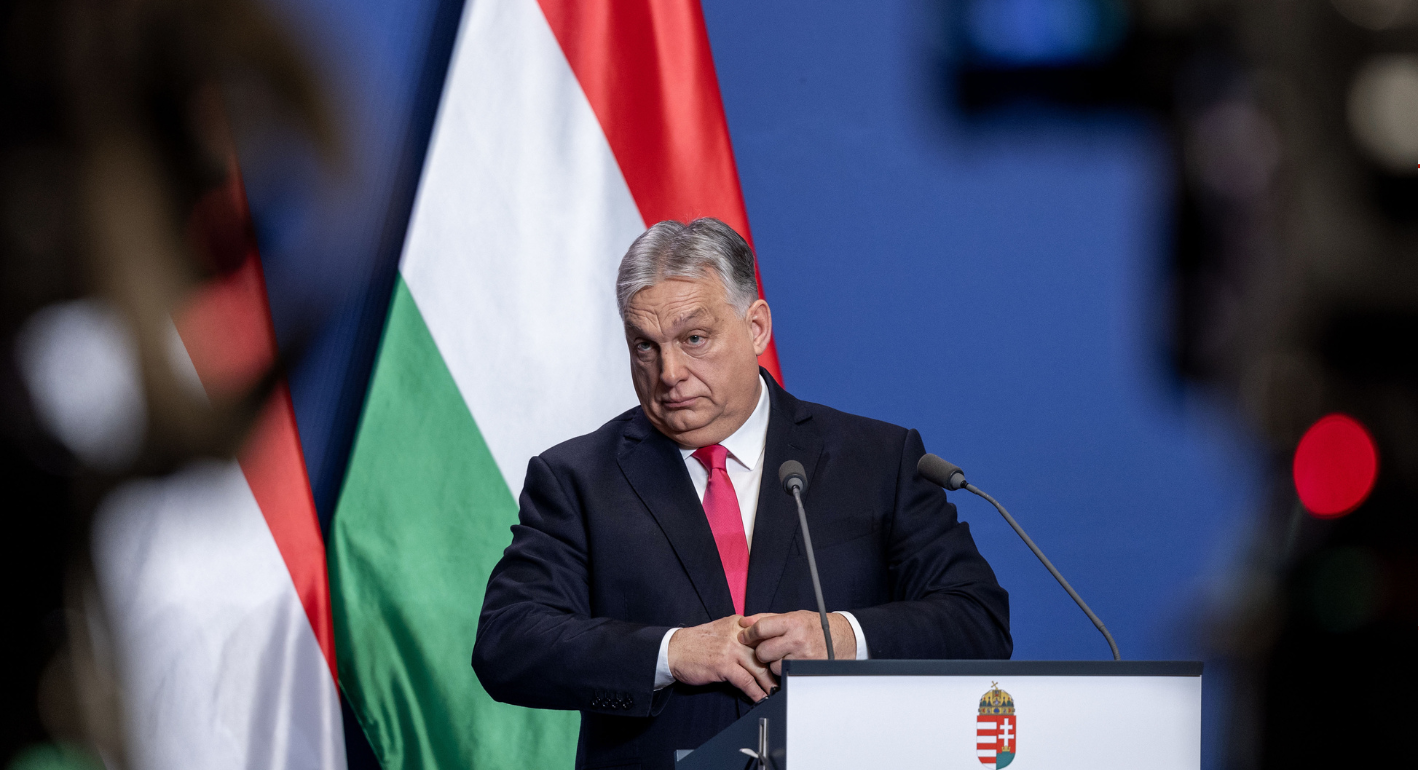
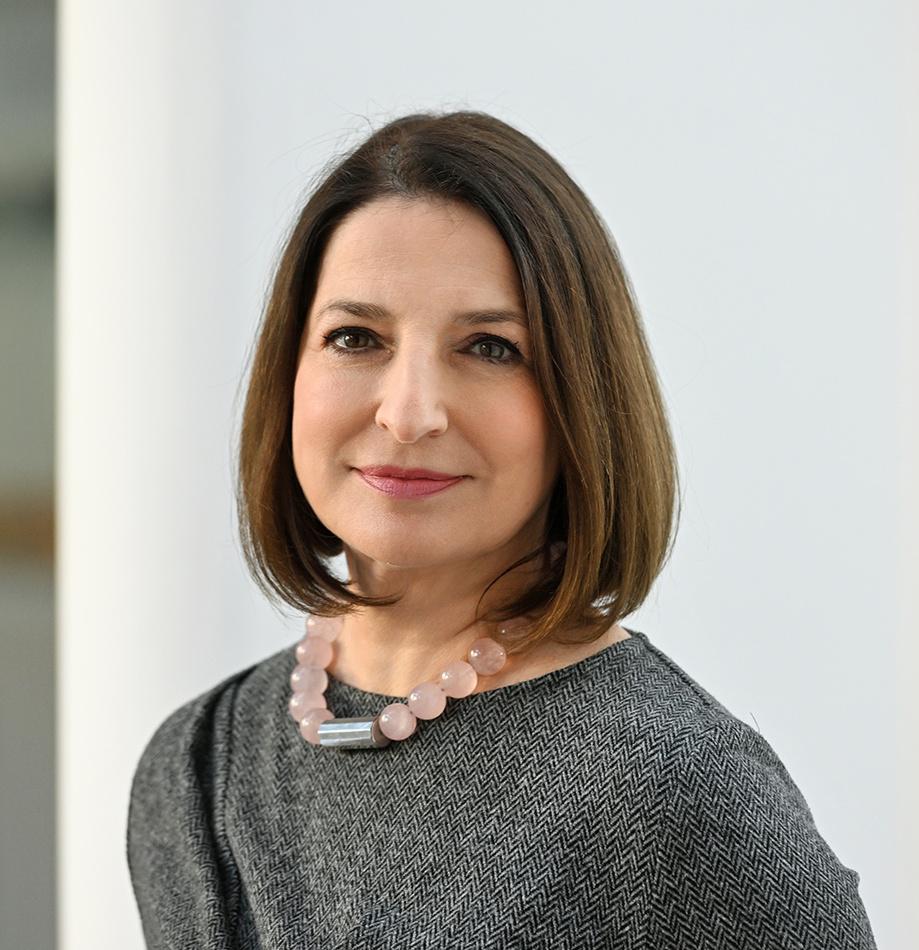
    New Tricks and AI Tools in Hungary’s High-Stakes Election

    Hungarian Prime Minister Viktor Orbán faces his most serious challenge yet in the April 2026 parliamentary elections. All of Europe should monitor the Fidesz campaign: It will use unprecedented methods of electoral manipulation to secure victory and maintain power.

      Zsuzsanna Szelényi

  • Commentary
    Strategic Europe
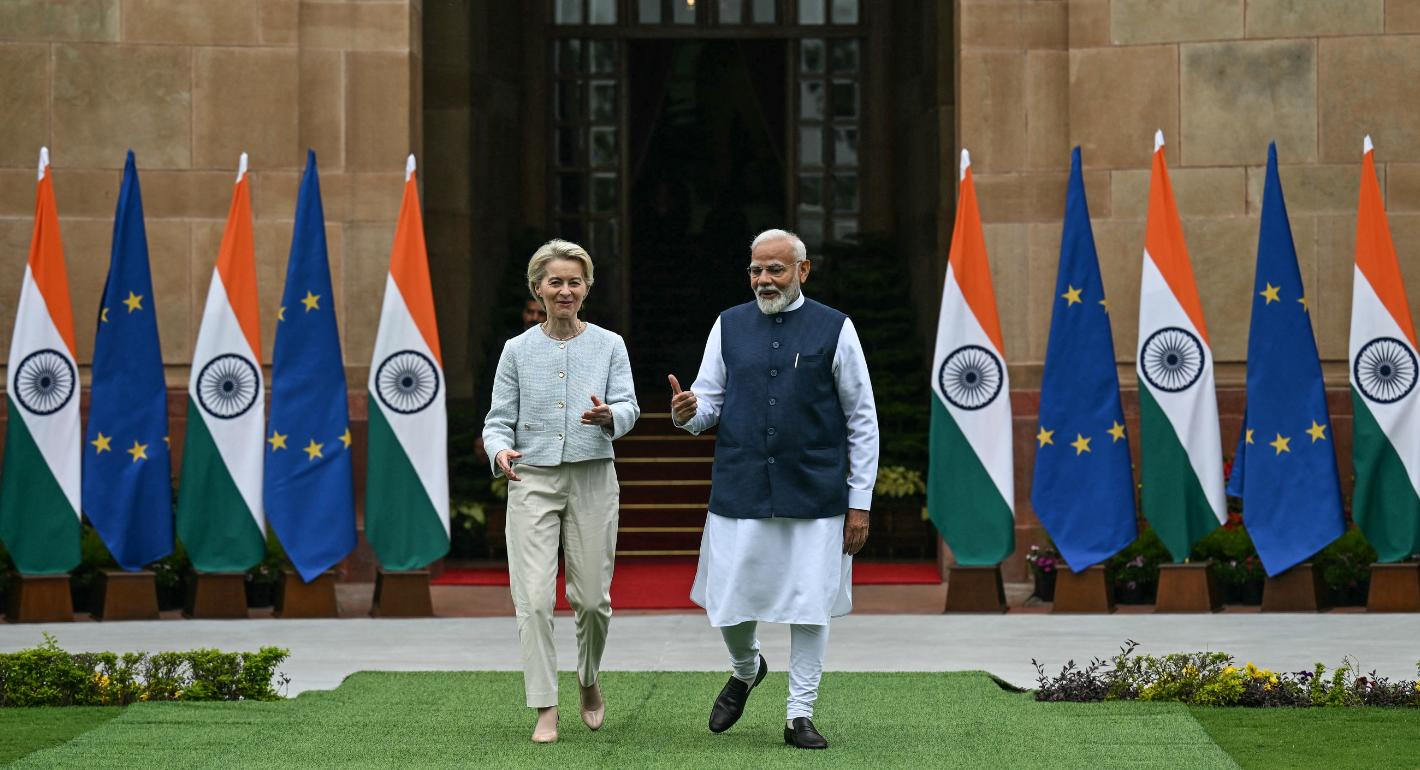
    The EU and India in Tandem

    As European leadership prepares for the sixteenth EU-India Summit, both sides must reckon with trade-offs in order to secure a mutually beneficial Free Trade Agreement.

      Dinakar Peri

  • Commentary
    Strategic Europe
    Europe Faces the Gone-Rogue Doctrine

    The hyper-personalized new version of global sphere-of-influence politics that Donald Trump wants will fail, as it did for Russia. In the meantime, Europe must still deal with a disruptive former ally determined to break the rules.

      Thomas de Waal

  • Commentary
    Strategic Europe
    Taking the Pulse: What Issue Is Europe Ignoring at Its Peril in 2026?

    2026 has started in crisis, as the actions of unpredictable leaders shape an increasingly volatile global environment. To shift from crisis response to strategic foresight, what under-the-radar issues should the EU prepare for in the coming year?

      Thomas de Waal

  • Commentary
    Strategic Europe
    France, Turkey, and a Reset in the Black Sea

    A renewal of relations between France and Turkey is vital to strengthen European strategic autonomy. To make this détente a reality, Paris and Ankara should move beyond personal friction and jointly engage with questions of Black Sea security.

      Romain Le Quiniou

Get more news and analysis from
Carnegie Europe
Carnegie Europe logo, white
Rue du Congrès, 151000 Brussels, Belgium
  • Research
  • Strategic Europe
  • About
  • Experts
  • Projects
  • Events
  • Contact
  • Careers
  • Privacy
  • For Media
  • Gender Equality Plan
Get more news and analysis from
Carnegie Europe
© 2026 Carnegie Endowment for International Peace. All rights reserved.