

Commentary
Israeli-Lebanese talks have stalled, and the reason is that the United States and Israel want to impose normalization.
Michael Young
{
  "authors": [
    "Rudra Chaudhuri"
  ],
  "type": "other",
  "centerAffiliationAll": "",
  "centers": [
    "Carnegie Endowment for International Peace",
    "Carnegie India"
  ],
  "collections": [],
  "englishNewsletterAll": "",
  "nonEnglishNewsletterAll": "",
  "primaryCenter": "Carnegie India",
  "programAffiliation": "",
  "programs": [],
  "projects": [
    "Security Studies"
  ],
  "regions": [
    "United States",
    "India",
    "North America",
    "South Asia",
    "Western Europe",
    "United Kingdom"
  ],
  "topics": [
    "Domestic Politics",
    "Foreign Policy"
  ]
}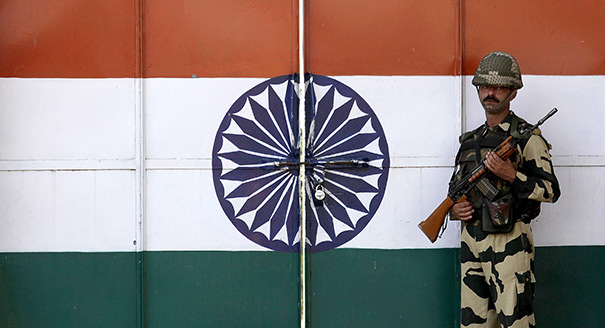
The period known as the “Emergency” in India—June 1975 to March 1977—is widely recognized as one of the darkest episodes in the nation’s 70-year history.
Source: Diplomacy & Statecraft
The period known as the “Emergency” in India—June 1975 to March 1977—is widely recognised as one of the darkest episodes in the nation’s 70-year history. Fundamental rights were suspended, whilst the courts had little or no authority. The security services received emergency powers to make arrests without explanation. Although the political, social, and economic history of the Emergency remains well known, there is nothing on the international history of this period. This analysis provides the first contribution to its diplomatic history. Examining the role played by the United States and Britain, in particular, finds basis largely on declassified papers available in the Indian, American, and British national archives as well as a survey of over 300 newspaper articles on and around the Indian Emergency.
This article was originally published in Diplomacy & Statecraft.
Carnegie does not take institutional positions on public policy issues; the views represented herein are those of the author(s) and do not necessarily reflect the views of Carnegie, its staff, or its trustees.
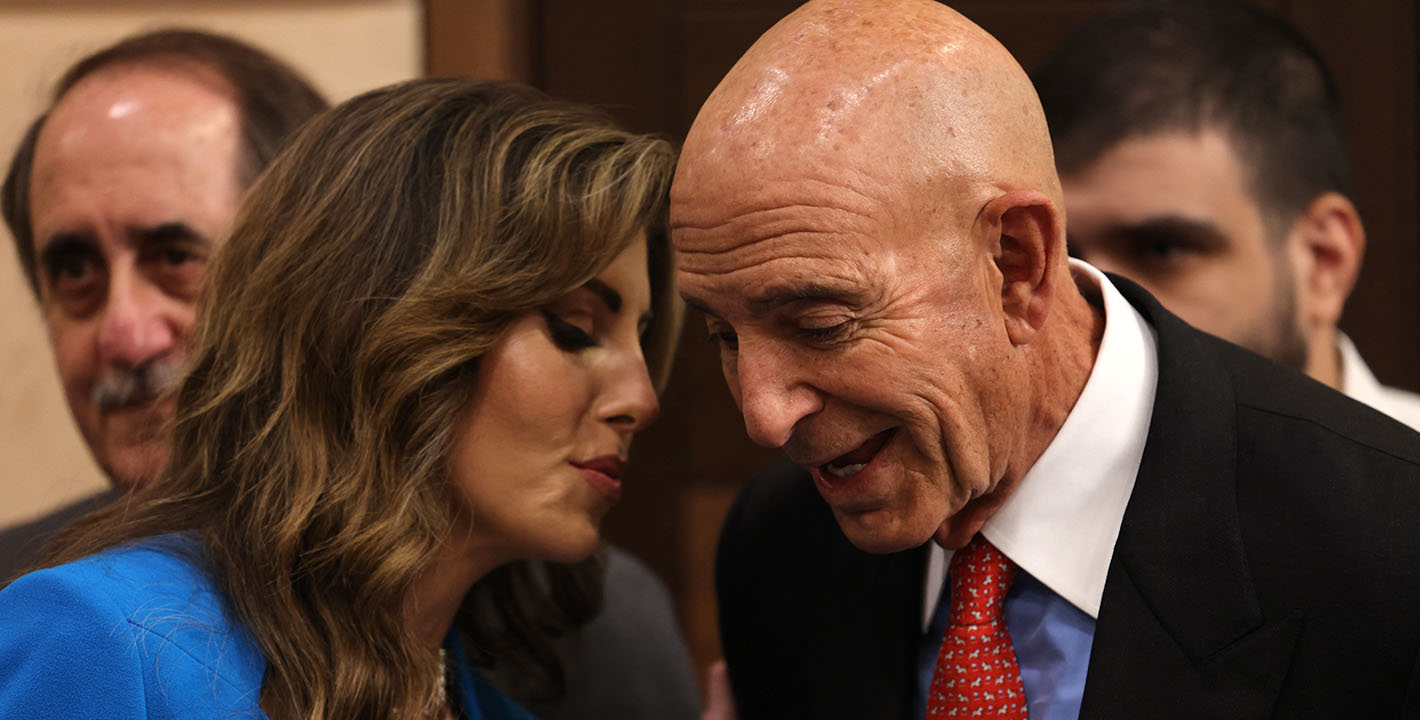
Israeli-Lebanese talks have stalled, and the reason is that the United States and Israel want to impose normalization.

Michael Young
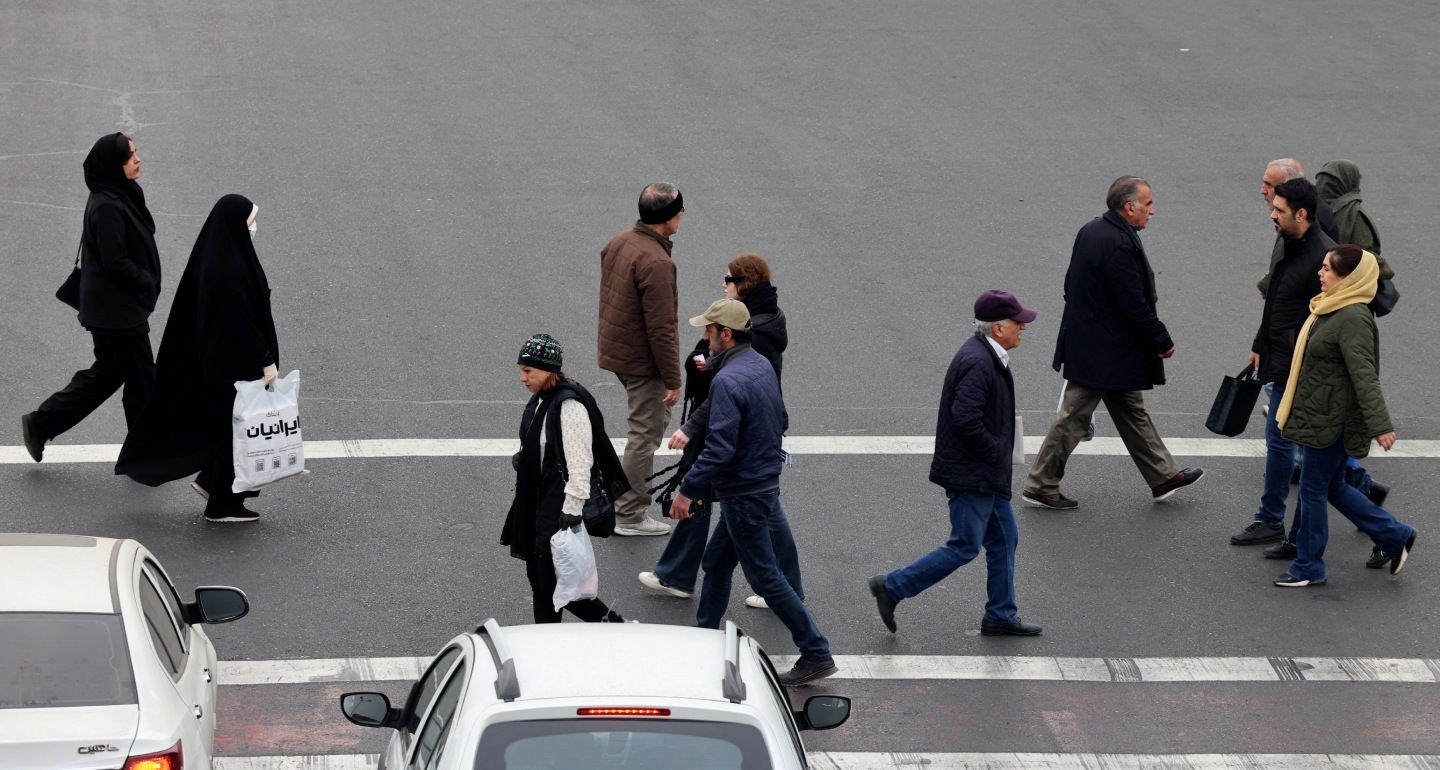
Baku may allow radical nationalists to publicly discuss “reunification” with Azeri Iranians, but the president and key officials prefer not to comment publicly on the protests in Iran.

Bashir Kitachaev

The country’s leadership is increasingly uneasy about multiple challenges from the Levant to the South Caucasus.

Armenak Tokmajyan
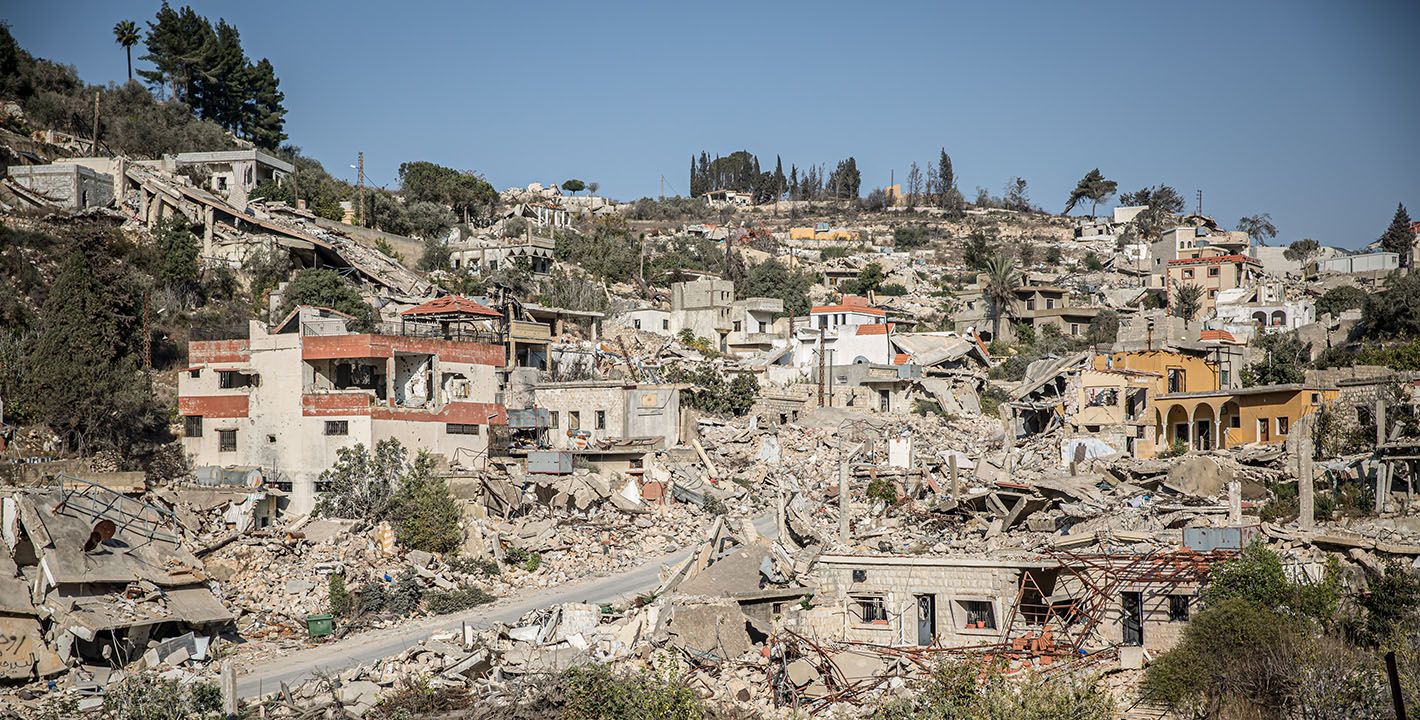
The U.S. is trying to force Lebanon and Syria to normalize with Israel, but neither country sees an advantage in this.
Michael Young
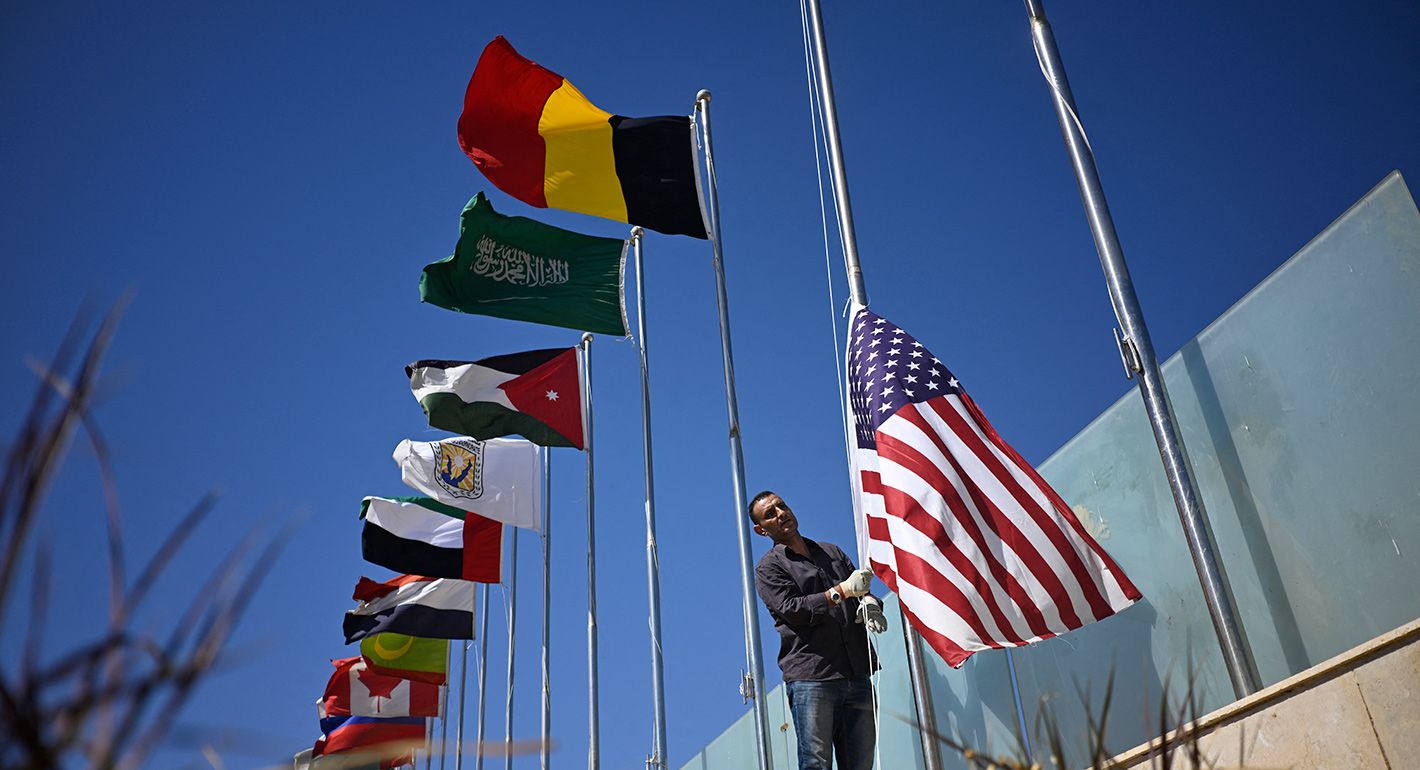
The countries of the region have engaged in sustained competition that has tested their capacities and limitations, while resisting domination by rivals. Can a more stable order emerge from this maelstrom, and what would it require?


Hamza Meddeb, Mohamed Ali Adraoui