

Commentary
Baku may allow radical nationalists to publicly discuss “reunification” with Azeri Iranians, but the president and key officials prefer not to comment publicly on the protests in Iran.
Bashir Kitachaev
{
  "authors": [
    "Srinath Raghavan"
  ],
  "type": "legacyinthemedia",
  "centerAffiliationAll": "",
  "centers": [
    "Carnegie Endowment for International Peace",
    "Carnegie India"
  ],
  "collections": [],
  "englishNewsletterAll": "",
  "nonEnglishNewsletterAll": "",
  "primaryCenter": "Carnegie India",
  "programAffiliation": "",
  "programs": [],
  "projects": [
    "Security Studies"
  ],
  "regions": [
    "United States",
    "India",
    "Middle East"
  ],
  "topics": [
    "Foreign Policy"
  ]
}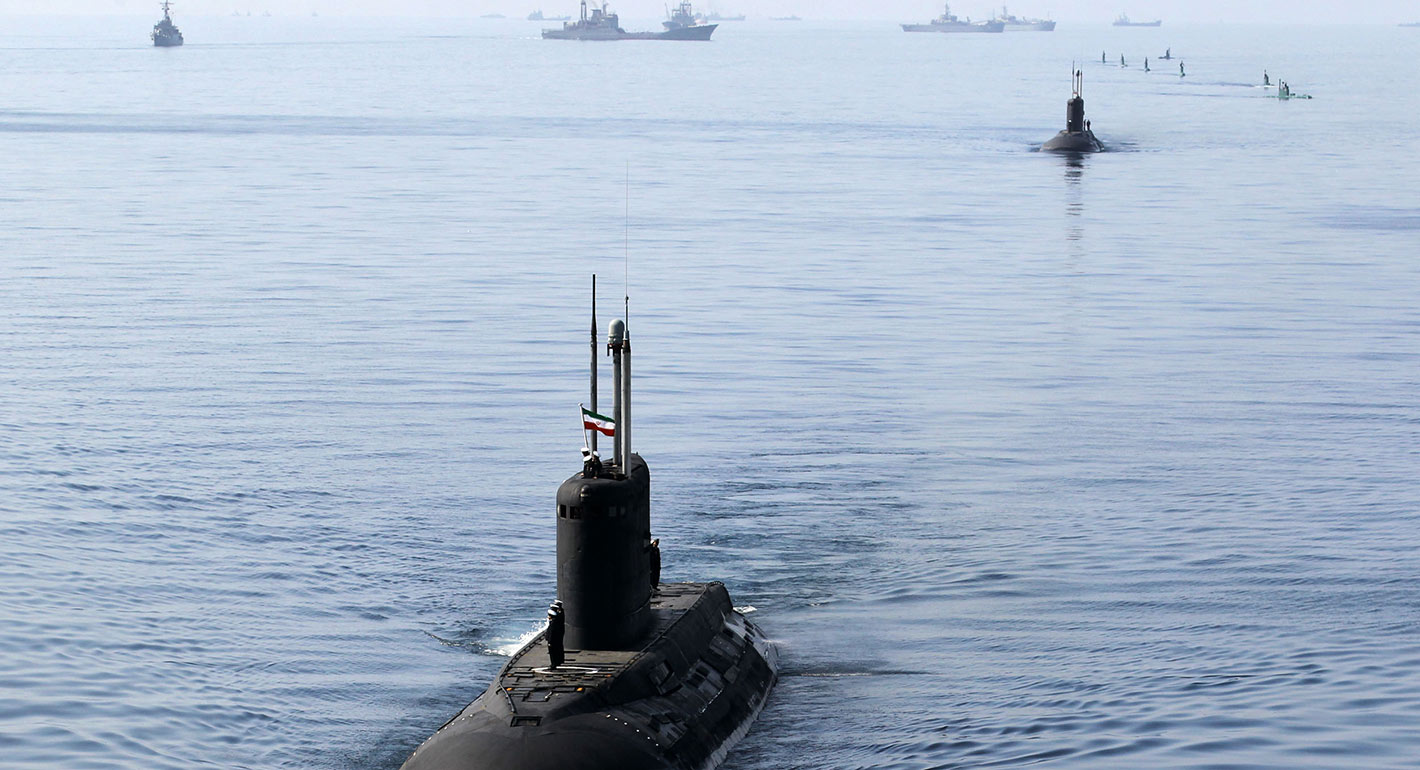
Last week, Britain impounded an Iranian oil tanker in Gibraltar, claiming that the vessel was carrying oil to Syria in violation of the European Union’s sanctions.
Source: Print
Last week, Britain impounded an Iranian oil tanker in Gibraltar, claiming that the vessel was carrying oil to Syria in violation of the European Union’s sanctions. A senior adviser to the Iranian government responded that if Britain failed to release the vessel, Iran would be forced to seize a British tanker. Coming on the heels of Iran shooting down an American drone that had allegedly violated its airspace and US President Donald Trump’s subsequent revelations about his administration’s unimplemented plans for retaliation, the latest incident underscores the risks that lurk in the mounting confrontation between the United States and Iran.
Carnegie does not take institutional positions on public policy issues; the views represented herein are those of the author(s) and do not necessarily reflect the views of Carnegie, its staff, or its trustees.
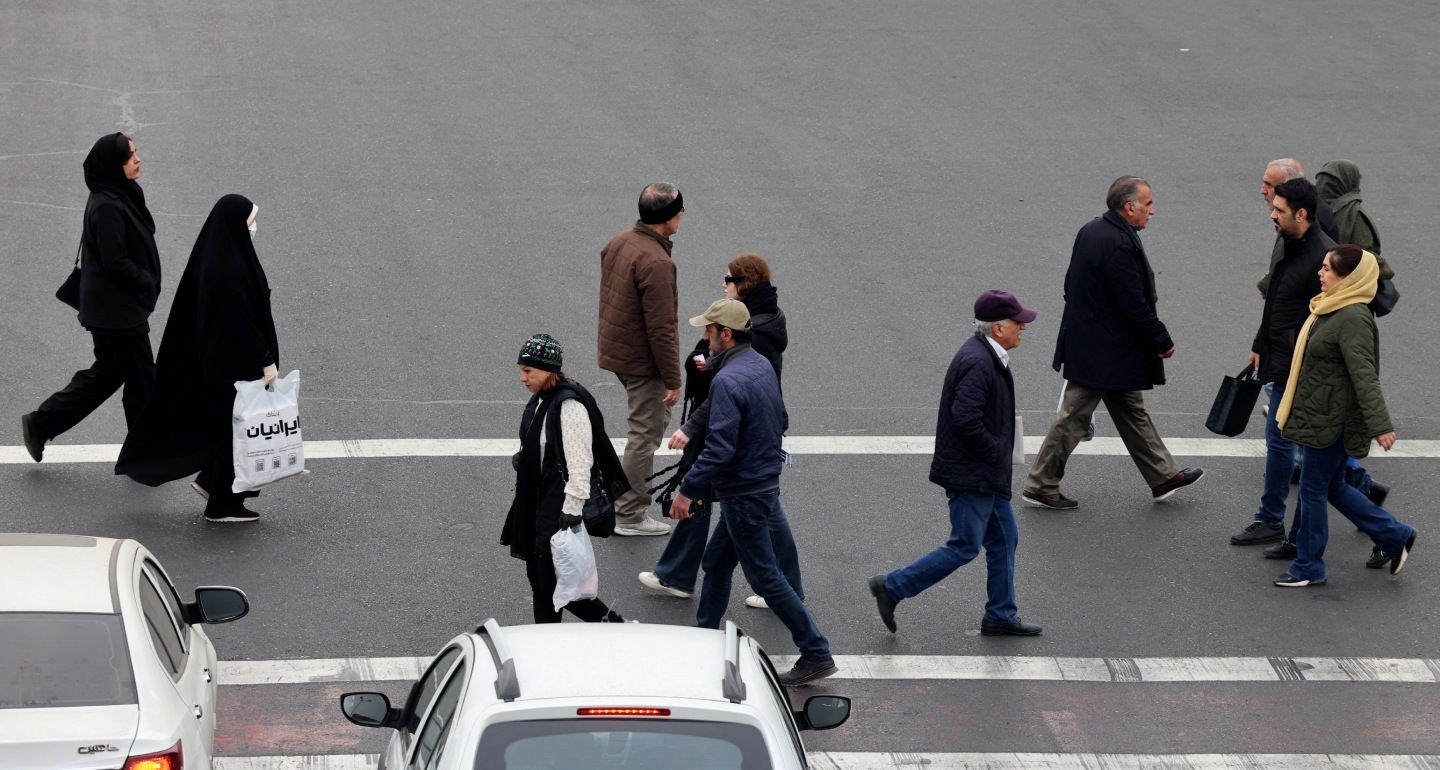
Baku may allow radical nationalists to publicly discuss “reunification” with Azeri Iranians, but the president and key officials prefer not to comment publicly on the protests in Iran.

Bashir Kitachaev
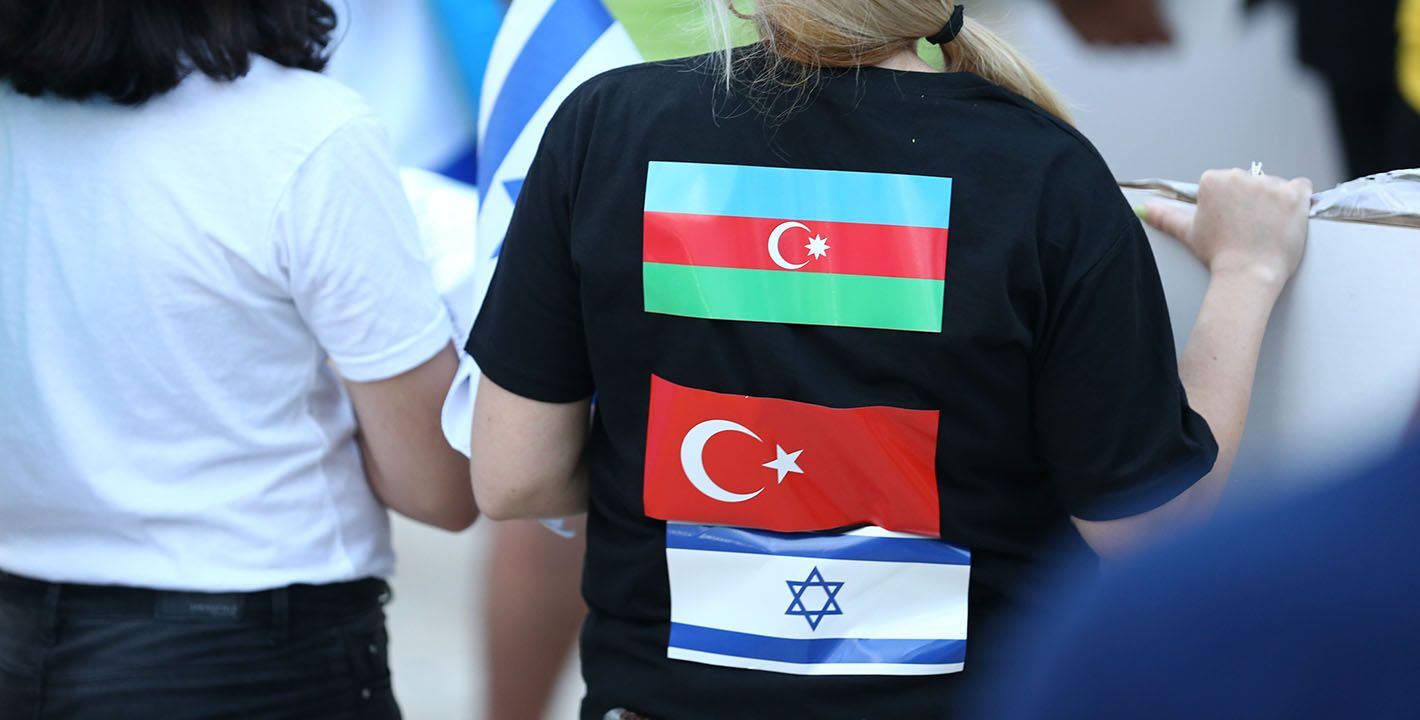
The country’s leadership is increasingly uneasy about multiple challenges from the Levant to the South Caucasus.

Armenak Tokmajyan
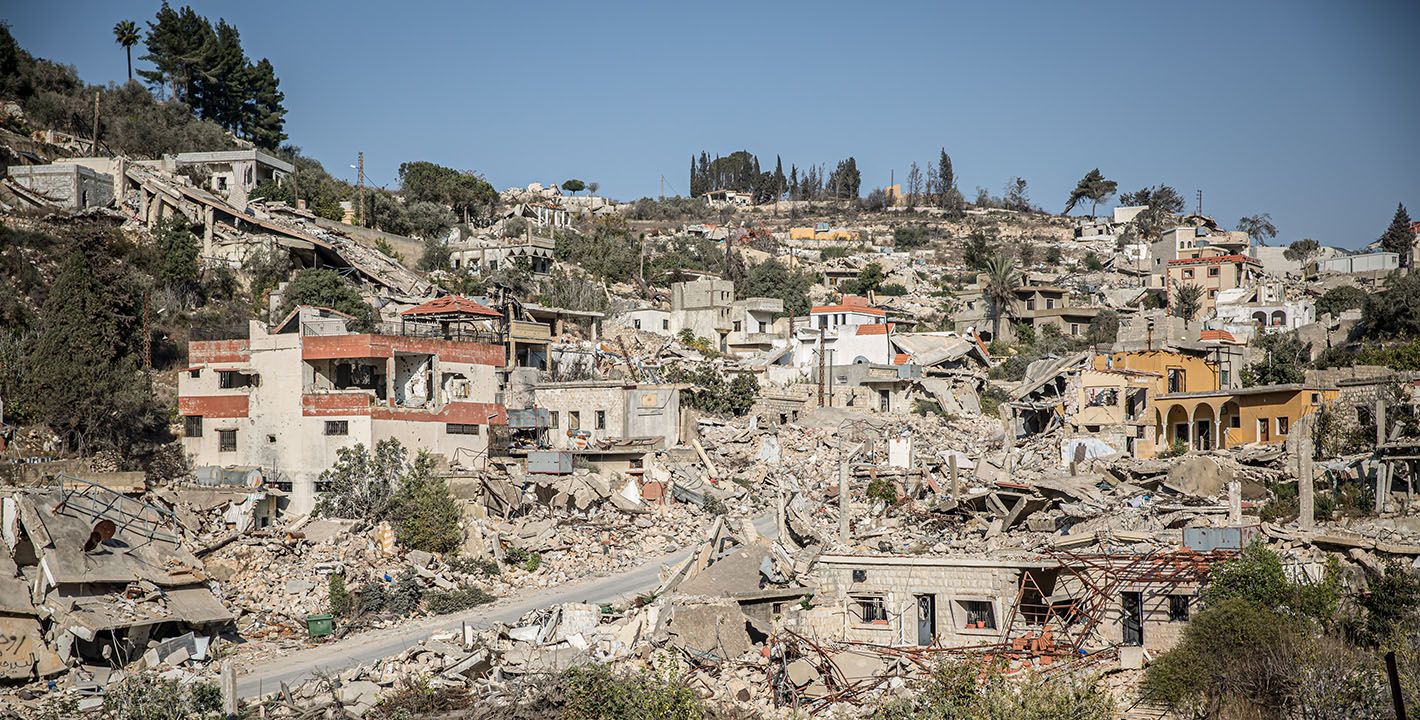
The U.S. is trying to force Lebanon and Syria to normalize with Israel, but neither country sees an advantage in this.
Michael Young
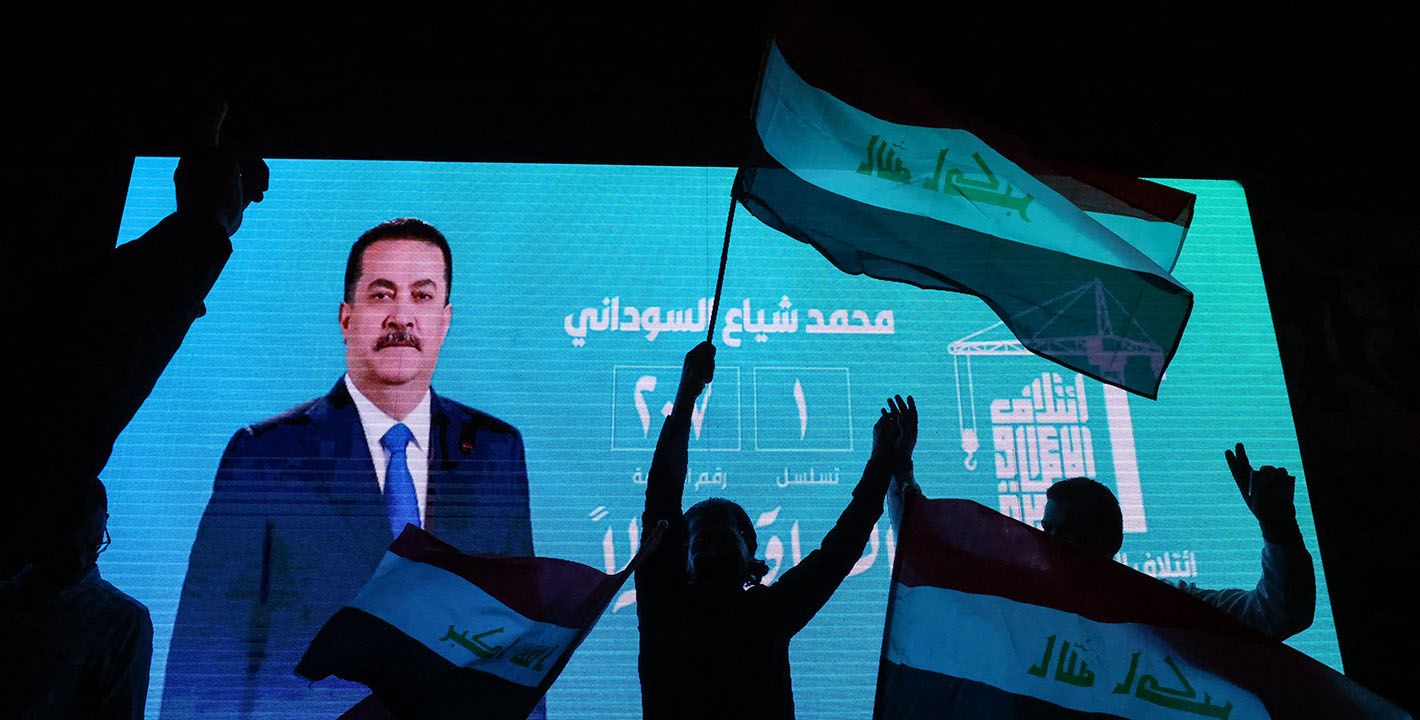
In an interview, Shahla al-Kli discusses the country’s parliamentary elections and what they reveal.
Rayyan Al-Shawaf
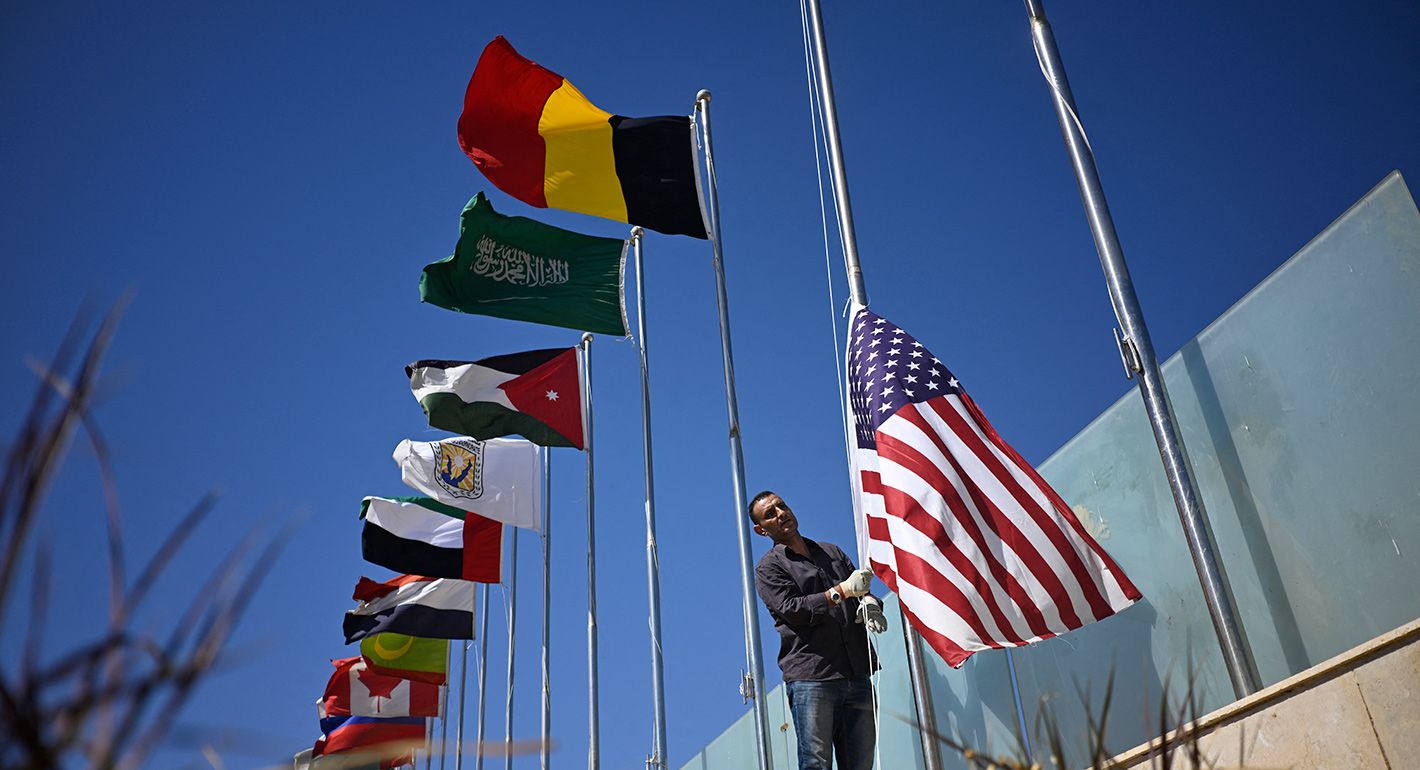
The countries of the region have engaged in sustained competition that has tested their capacities and limitations, while resisting domination by rivals. Can a more stable order emerge from this maelstrom, and what would it require?

Hamza Meddeb, Mohamed Ali Adraoui