

Commentary
Marwan Muasher
{
  "authors": [
    "Marwan Muasher"
  ],
  "type": "legacyinthemedia",
  "centerAffiliationAll": "dc",
  "centers": [
    "Carnegie Endowment for International Peace"
  ],
  "collections": [
    "Arab Awakening"
  ],
  "englishNewsletterAll": "menaTransitions",
  "nonEnglishNewsletterAll": "",
  "primaryCenter": "Carnegie Endowment for International Peace",
  "programAffiliation": "MEP",
  "programs": [
    "Middle East"
  ],
  "projects": [],
  "regions": [
    "Middle East",
    "North Africa",
    "Egypt",
    "Jordan"
  ],
  "topics": [
    "Political Reform"
  ]
}
Source: Getty
Important first steps toward political transformation are occurring throughout the Arab world, as evidenced by the trial of deposed Egyptian President Hosni Mubarak and the amendments proposed for the Jordanian constitution.
Source: BBC's Impact

Egyptians are eager to move away from the Mubarak regime to a new system, but establishing due process during this transformation is critical. According to Muasher, “it is important not just for Egypt but as a precedent for the rest of the Arab world.”
Turning to Jordan, Muasher added that the recently proposed constitutional amendments represent a vital first step, but “are not the end of the road.” Elected governments are going to take some time to materialize in Jordan. In the meantime, Muasher concluded, the monarchy must engage in serious efforts to restore the credibility gap between itself and the people.

Vice President for Studies
Marwan Muasher is vice president for studies at Carnegie, where he oversees research in Washington and Beirut on the Middle East. Muasher served as foreign minister (2002–2004) and deputy prime minister (2004–2005) of Jordan, and his career has spanned the areas of diplomacy, development, civil society, and communications.
Recent Work
Marwan Muasher



James M. Acton, Saskia Brechenmacher, Cecily Brewer, …
Carnegie does not take institutional positions on public policy issues; the views represented herein are those of the author(s) and do not necessarily reflect the views of Carnegie, its staff, or its trustees.
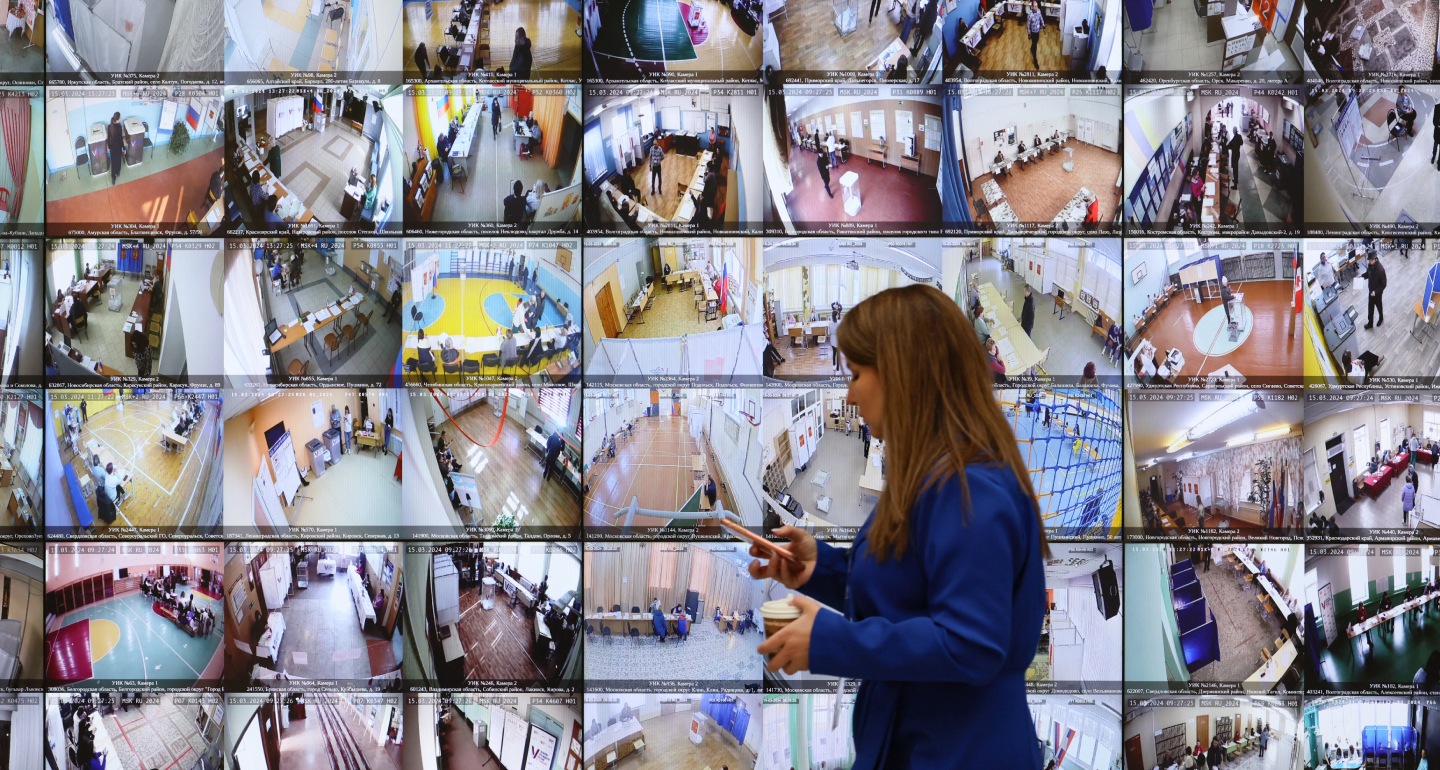
The use of technology to mobilize Russians to vote—a system tied to the relative material well-being of the electorate, its high dependence on the state, and a far-reaching system of digital control—is breaking down.

Andrey Pertsev
As discussions about settlement and elections move from speculation to preparation, Kyiv will have to manage not only the battlefield, but also the terms of political transition. The thaw will not resolve underlying tensions; it will only expose them more clearly.

Balázs Jarábik
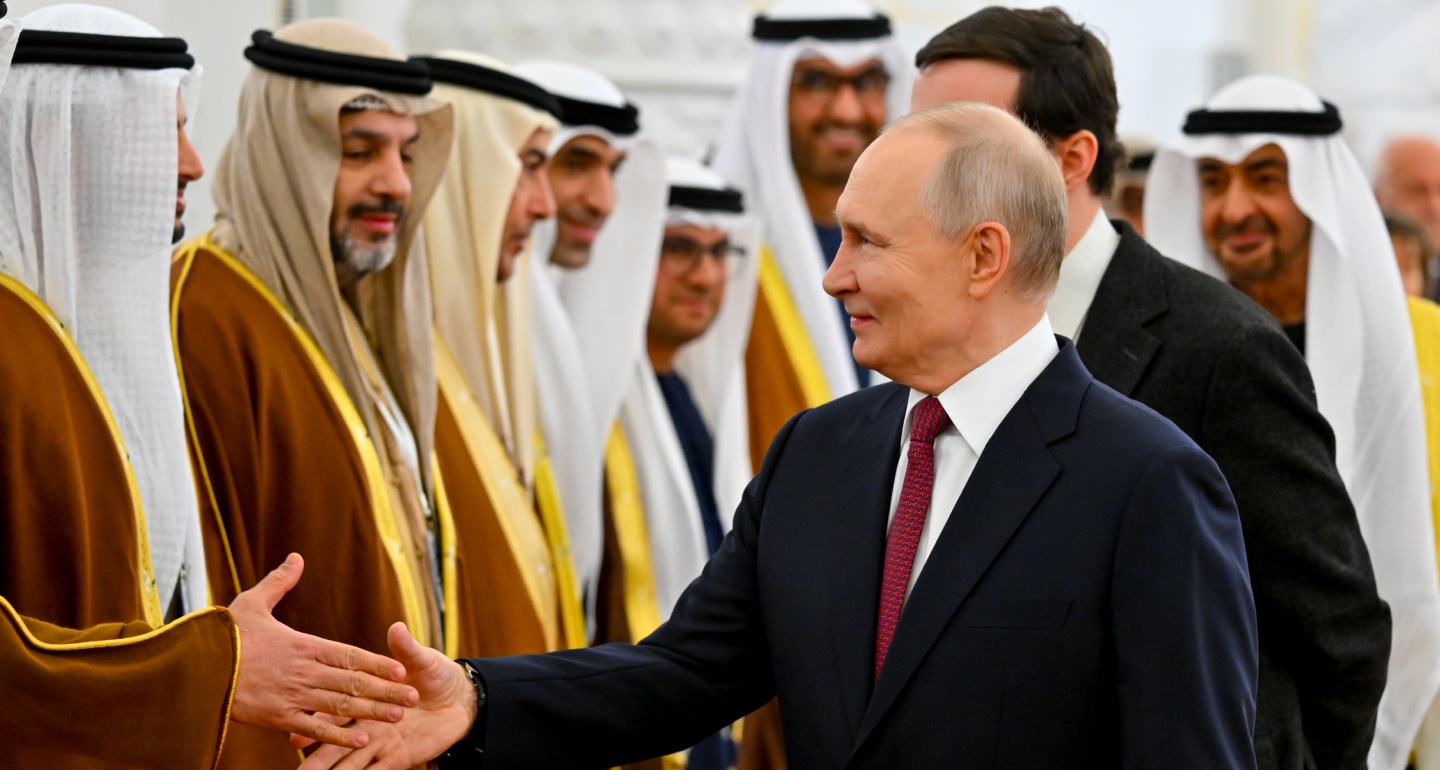
Disillusioned with the West over Gaza, Arab countries are not only trading more with Russia; they are also more willing to criticize Kyiv.

Ruslan Suleymanov

Despite its reputation as an island of democracy in Central Asia, Kyrgyzstan appears to be on the brink of becoming a personalist autocracy.

Temur Umarov

Having failed to build a team that he can fully trust or establish strong state institutions, Mirziyoyev has become reliant on his family.

Galiya Ibragimova