

Commentary
The supposed threats from China and Russia pose far less of a danger to both Greenland and the Arctic than the prospect of an unscrupulous takeover of the island.
Andrei Dagaev
{
  "authors": [
    "Rosa Balfour"
  ],
  "type": "legacyinthemedia",
  "centerAffiliationAll": "",
  "centers": [
    "Carnegie Endowment for International Peace",
    "Carnegie Europe"
  ],
  "collections": [
    "Europe’s Eastern Neighborhood",
    "Europe’s Southern Neighborhood",
    "EU Integration and Enlargement"
  ],
  "englishNewsletterAll": "",
  "nonEnglishNewsletterAll": "",
  "primaryCenter": "Carnegie Europe",
  "programAffiliation": "",
  "programs": [
    "Europe"
  ],
  "projects": [],
  "regions": [
    "Russia",
    "Europe",
    "Türkiye",
    "Eastern Europe",
    "Middle East",
    "Caucasus",
    "Georgia",
    "Ukraine",
    "Western Europe",
    "Moldova",
    "Iran"
  ],
  "topics": [
    "Foreign Policy",
    "EU",
    "Democracy"
  ]
}
REQUIRED IMAGE
Russia's invasion of Ukraine prompted the EU to break several taboos, including offering candidate status to Ukraine and Georgia. The enlargement process, which has stalled over the past decade, is likely to be hindered by the complex revisions required, including the question of voting rights.
Carnegie does not take institutional positions on public policy issues; the views represented herein are those of the author(s) and do not necessarily reflect the views of Carnegie, its staff, or its trustees.
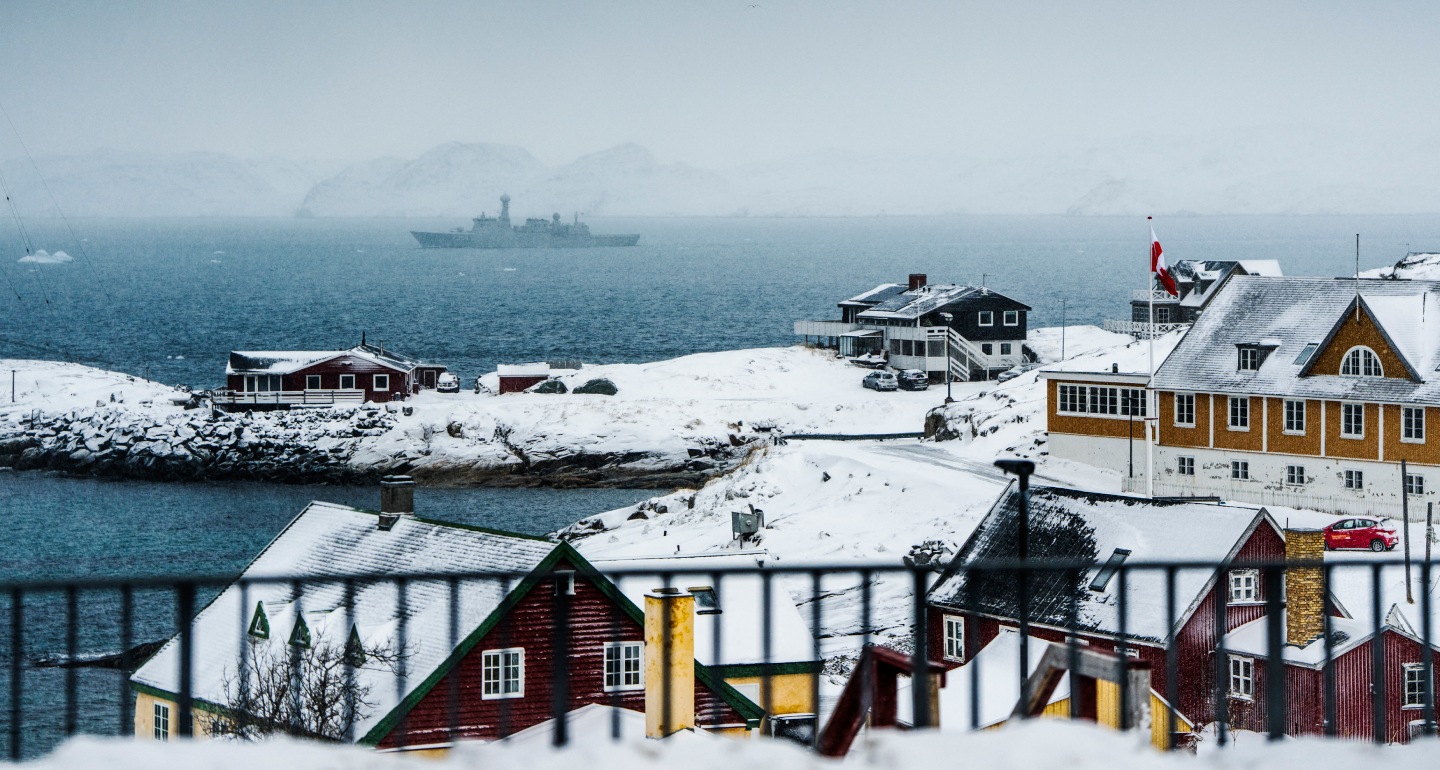
The supposed threats from China and Russia pose far less of a danger to both Greenland and the Arctic than the prospect of an unscrupulous takeover of the island.

Andrei Dagaev
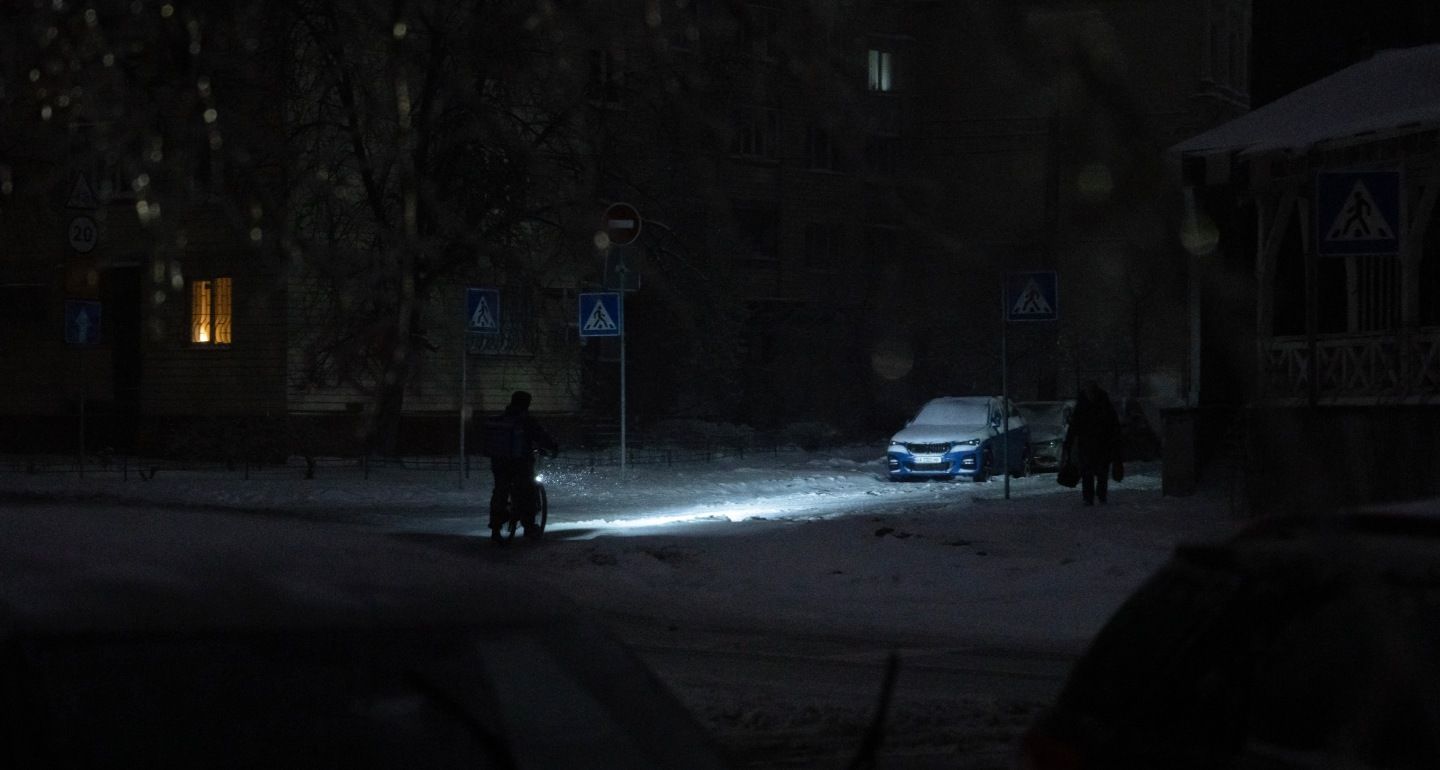
Western negotiators often believe territory is just a bargaining chip when it comes to peace in Ukraine, but Putin is obsessed with empire-building.

Andrey Pertsev
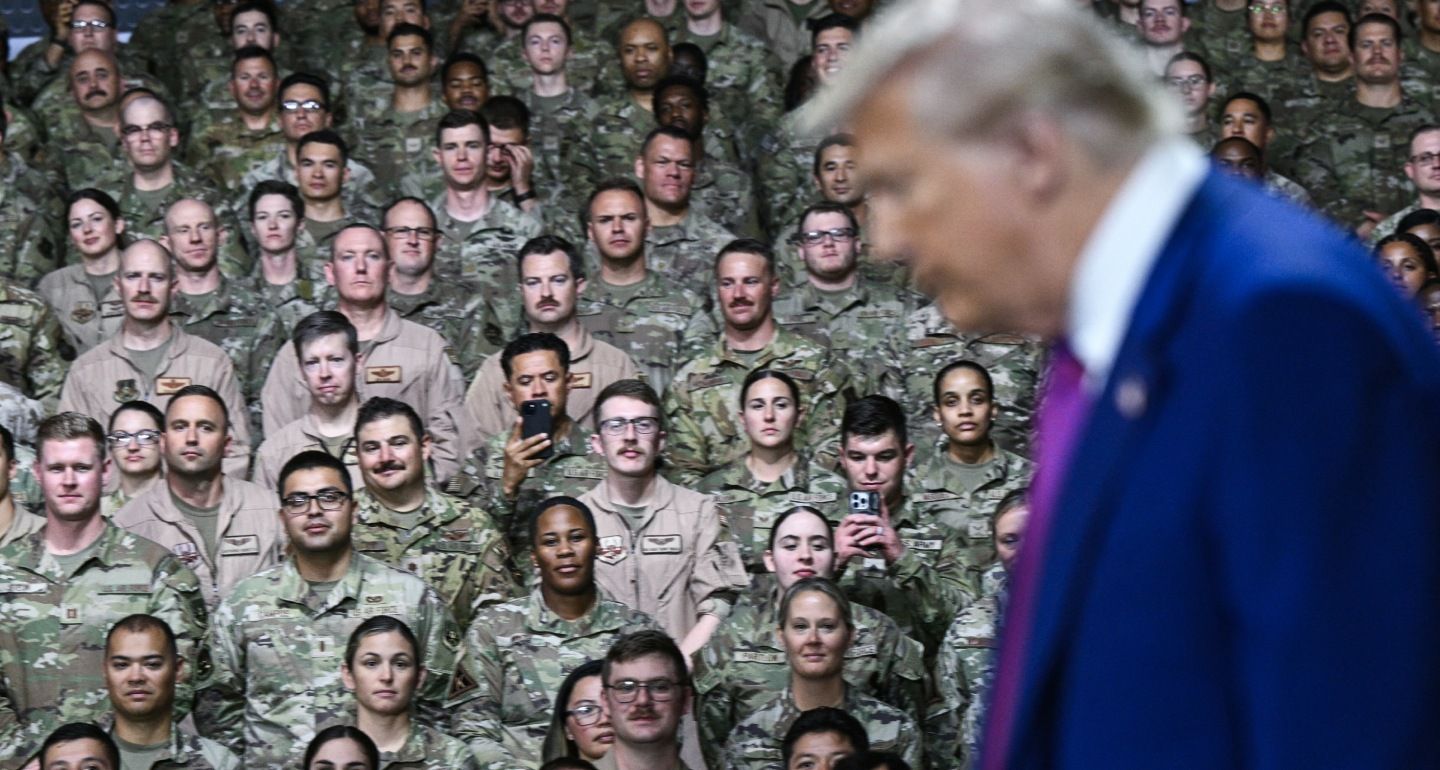
Unexpectedly, Trump’s America appears to have replaced Putin’s Russia’s as the world’s biggest disruptor.
Alexander Baunov
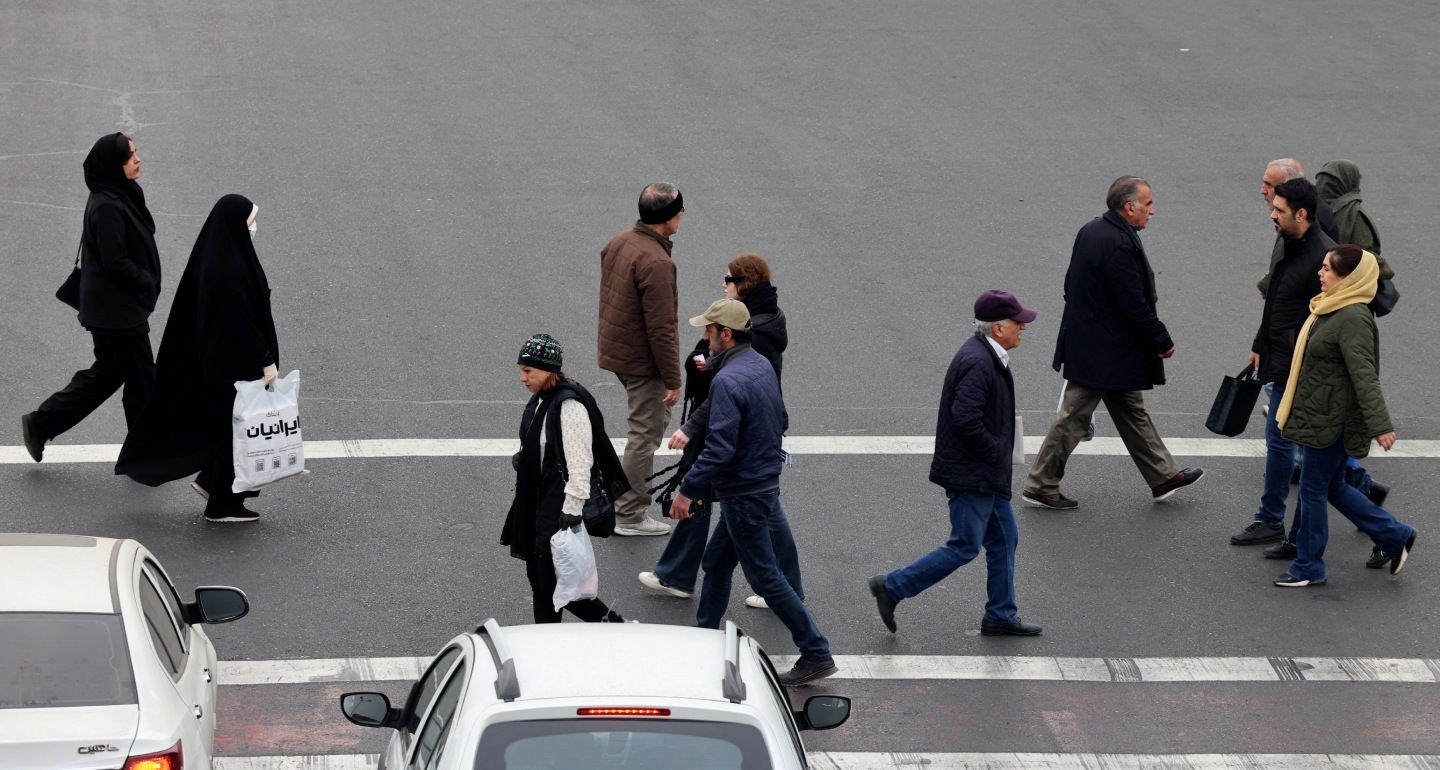
Baku may allow radical nationalists to publicly discuss “reunification” with Azeri Iranians, but the president and key officials prefer not to comment publicly on the protests in Iran.

Bashir Kitachaev
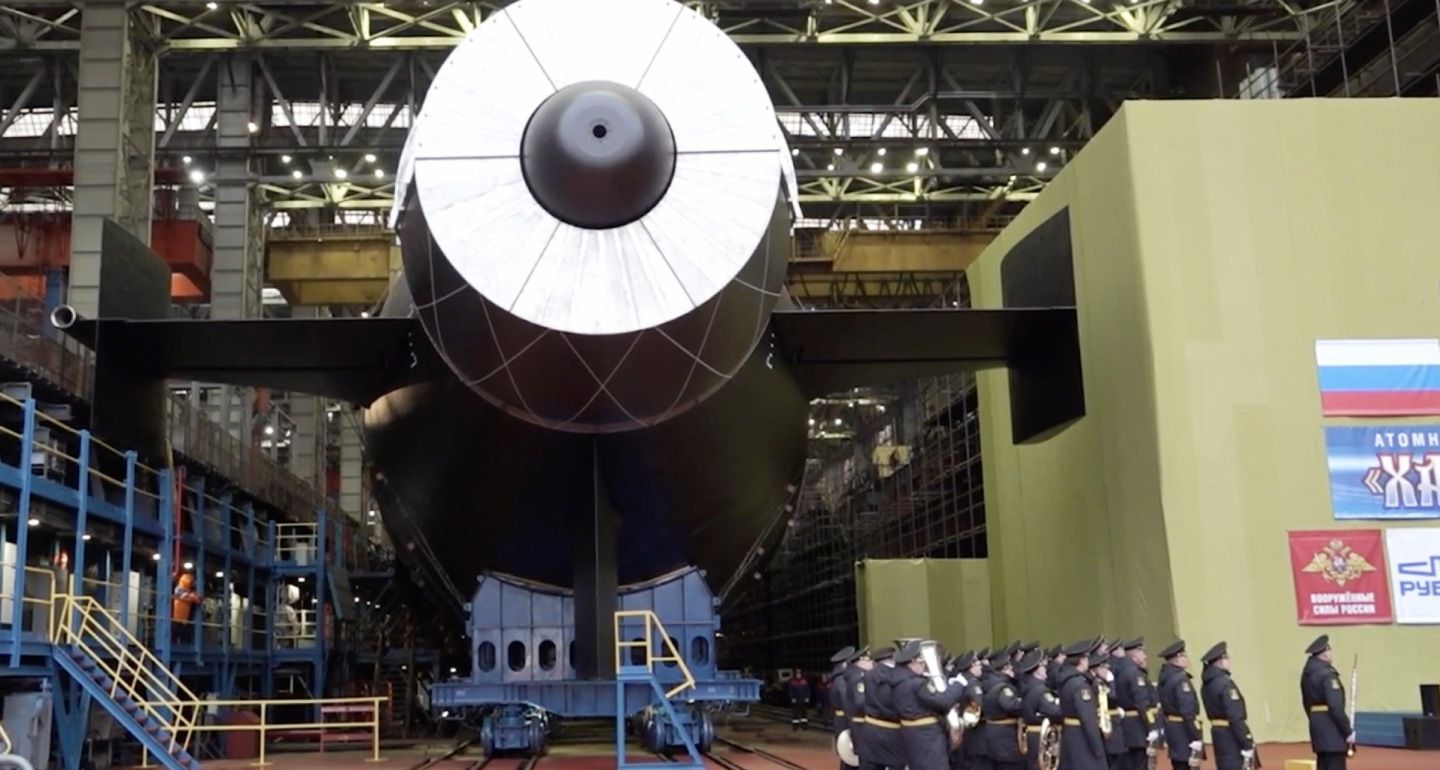
The Kremlin will only be prepared to negotiate strategic arms limitations if it is confident it can secure significant concessions from the United States. Otherwise, meaningful dialogue is unlikely, and the international system of strategic stability will continue to teeter on the brink of total collapse.

Maxim Starchak