{
  "authors": [
    "Christopher Boucek"
  ],
  "type": "event",
  "centerAffiliationAll": "",
  "centers": [
    "Carnegie Endowment for International Peace",
    "Carnegie Europe"
  ],
  "collections": [],
  "englishNewsletterAll": "",
  "nonEnglishNewsletterAll": "",
  "primaryCenter": "Carnegie Endowment for International Peace",
  "programAffiliation": "",
  "programs": [],
  "projects": [],
  "regions": [
    "Saudi Arabia"
  ],
  "topics": [
    "Political Reform",
    "Security"
  ]
}
Assessing De-Radicalization in the Arab World
Wed, January 21st, 2009
London
IMGXYZ1102IMGZYXFollowing a series of deadly terrorist attacks in 2003, the Saudi Arabian government created a counterterrorism strategy focused on rehabilitating extremists and preventing their violent ideology from spreading. The programme has succeeded in helping detainees repudiate extremist ideology by encouraging religious debate and psychological counseling. Roughly 1400 out of 3000 individuals who have completed the programme 'graduate', and only 45 have been re-arrested. The programme's overall success has made it a model for soft counterterrorism around the world.
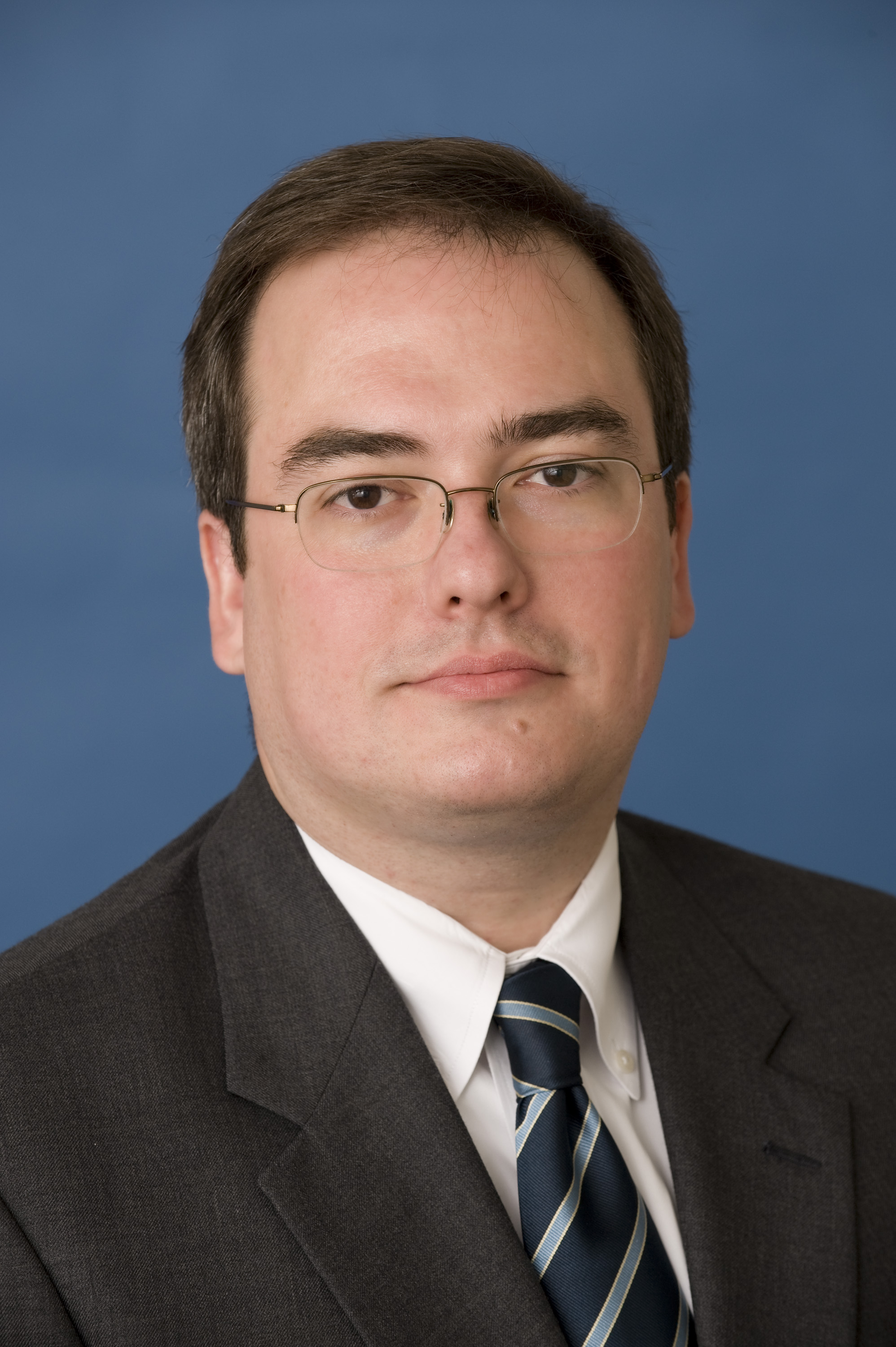
In his analysis of the programme, Carnegie's Christopher Boucek explains how fundamentalist organisations recruit, the Saudi Arabian counterterrorism program and its implementation throughout the Arab world, the structures behind the program, and the reasons for its success.
Highlights included...
- A detailed explanation of the breadth of the program. Rehabilitation is only one part of the Saudia Arabian de-radicalisation program. For instance, the program also includes widespread media campaigns which seeks to drive a wedge between extremist's radical ideology and the general populace.
- Boucek showed that those individuals most likely to end up on the program (i.e. those most likely to partake in terrorist activities) were from large, poorly educated low income families. Very few were in religious employment.
- Insight into the recruitment process, showing that it was often the case that individuals are radicalised after recruitment, rather than before it.
Carnegie does not take institutional positions on public policy issues; the views represented herein are those of the author(s) and do not necessarily reflect the views of Carnegie, its staff, or its trustees.
Event Speaker
Former Associate, Middle East Program
Boucek was an associate in the Carnegie Middle East Program where his research focused on security challenges in the Arabian Peninsula and Northern Africa.