

{
  "authors": [
    "Hiroaki Kuwajima",
    "James L. Schoff"
  ],
  "type": "event",
  "centerAffiliationAll": "dc",
  "centers": [
    "Carnegie Endowment for International Peace"
  ],
  "collections": [],
  "englishNewsletterAll": "asia",
  "nonEnglishNewsletterAll": "",
  "primaryCenter": "Carnegie Endowment for International Peace",
  "programAffiliation": "AP",
  "programs": [
    "Asia"
  ],
  "projects": [],
  "regions": [
    "East Asia",
    "Japan"
  ],
  "topics": [
    "Political Reform",
    "Economy",
    "Foreign Policy"
  ]
}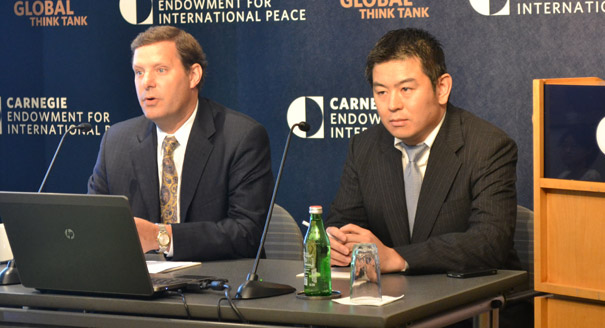
A New Political Generation in Japan
Wed, August 7th, 2013
Washington, DC
Due to technical difficulties, the recording of this event begins several minutes into Hiroaki Kuwajima's talk.
The upcoming House of Councillors elections will hold significant consequences for the shape of reform and legislation in Japan. In addition to being seen as a referendum on Prime Minister Shinzo Abe and his majority Liberal Democratic Party, it also completes an election cycle that has seen an influx of new policymakers to the Japanese Diet.
Hiroaki Kuwajima provided post-election analysis with an emphasis on generational changes in Japanese politics and their potential impact on Japan’s political economy. James L. Schoff moderated.
Hiroaki Kuwajima
Hiroaki Kuwajima is the chief financial officer at Aoyama Shachu Corporation where, in addition to his role as CFO, he focuses on political advocacy and economic policy.
James L. Schoff
James L. Schoff is a senior associate in the Carnegie Asia Program. His research focuses on U.S.-Japanese relations and regional engagement, Japanese politics and security, and the private sector’s role in Japanese policymaking.
Carnegie does not take institutional positions on public policy issues; the views represented herein are those of the author(s) and do not necessarily reflect the views of Carnegie, its staff, or its trustees.
Event Speakers
Hiroaki Kuwajima
Former Senior Fellow, Asia Program
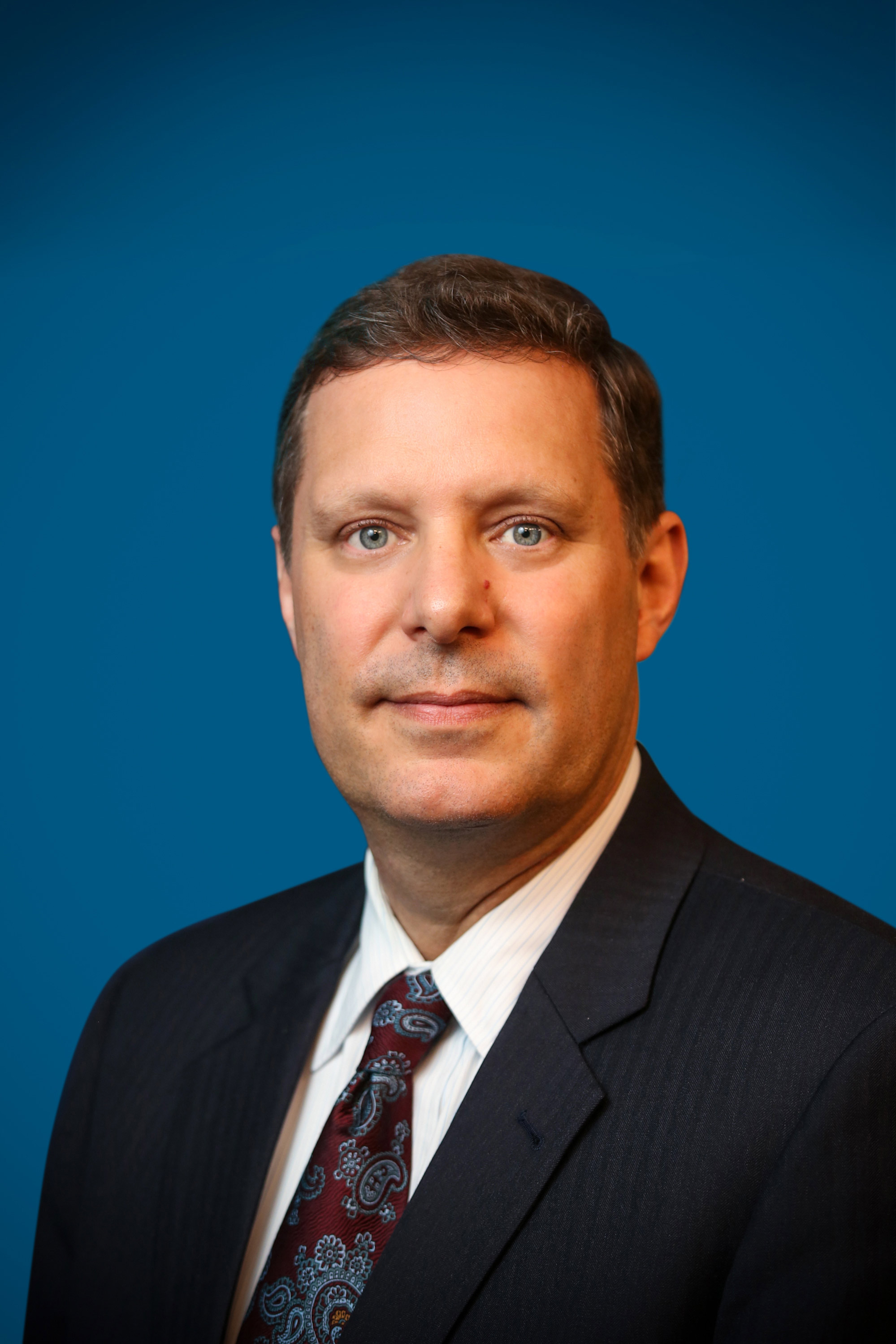
James L. Schoff was a senior fellow in the Carnegie Asia Program. His research focuses on U.S.-Japan relations and regional engagement, Japanese technology innovation, and regional trade and security dynamics.