

In The Media
Martha Brill Olcott
{
  "authors": [
    "Martha Brill Olcott"
  ],
  "type": "testimony",
  "centerAffiliationAll": "dc",
  "centers": [
    "Carnegie Endowment for International Peace"
  ],
  "collections": [],
  "englishNewsletterAll": "",
  "nonEnglishNewsletterAll": "",
  "primaryCenter": "Carnegie Endowment for International Peace",
  "programAffiliation": "russia",
  "programs": [
    "Russia and Eurasia"
  ],
  "projects": [],
  "regions": [
    "Central Asia",
    "Kazakhstan"
  ],
  "topics": []
}
REQUIRED IMAGE
Source: Carnegie
Former Senior Associate, Russia and Eurasia Program and, Co-director, al-Farabi Carnegie Program on Central Asia
Olcott is professor emerita at Colgate University, having taught political science there from 1974 to 2002. Prior to her work at the endowment, Olcott served as a special consultant to former secretary of state Lawrence Eagleburger.
Recent Work
Martha Brill Olcott
Martha Brill Olcott
Carnegie does not take institutional positions on public policy issues; the views represented herein are those of the author(s) and do not necessarily reflect the views of Carnegie, its staff, or its trustees.
Putin’s war on Ukraine marks the end of the near abroad—the idea that Russia enjoys a special status in much of the post-Soviet space. But while Russia’s neighbors are seeking greater independence, they are not necessarily turning West.

Thomas de Waal
Beyond the tragedy of the Armenians, many countries in the region and internationally have a stake in what happens in the territory.

Marc Pierini
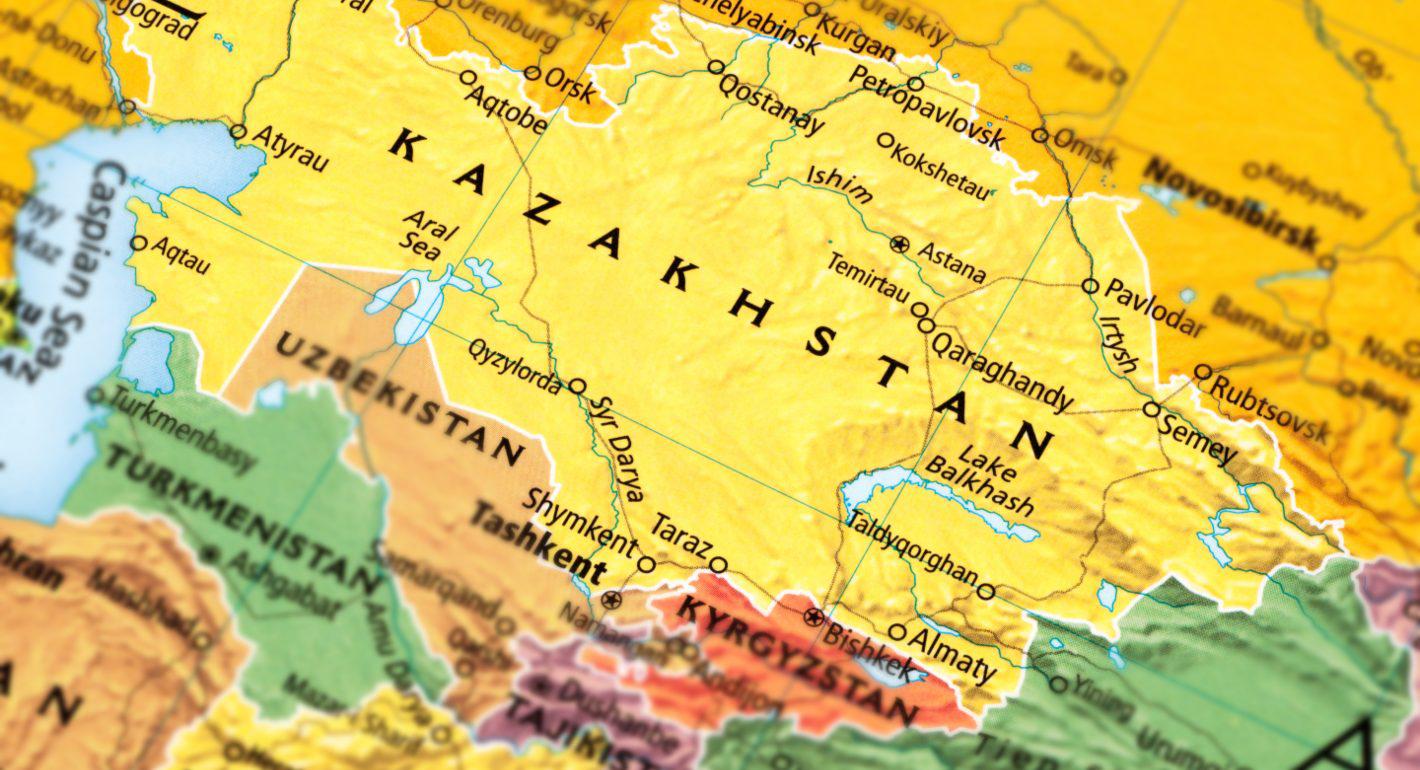
The EU has been stepping up its engagement with Central Asia, including on regional cooperation, energy, and connectivity. But to gain more clout, the union must present a positive alternative to powers like China and Russia.
Anna Matveeva
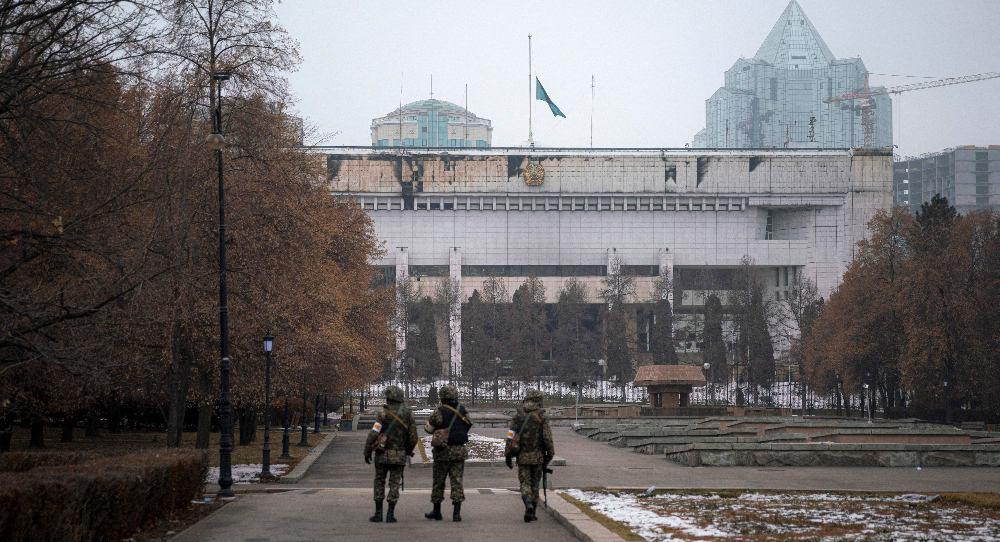
A rift in Kazakhstan’s elite has violently played out in the streets of the country. Foreign troop support may have kept President Tokayev in power, but it has also linked his political future to Vladimir Putin.
Luca Anceschi
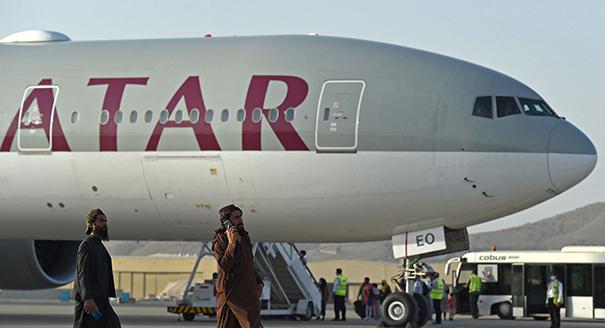
Turkey’s success in finding a role in Afghanistan could bring its leadership valuable benefits.
Marc Pierini