

Other
Fiona Hill, Anatol Lieven, Thomas de Waal
{
  "authors": [
    "Anatol Lieven"
  ],
  "type": "other",
  "centerAffiliationAll": "dc",
  "centers": [
    "Carnegie Endowment for International Peace"
  ],
  "collections": [],
  "englishNewsletterAll": "ctw",
  "nonEnglishNewsletterAll": "",
  "primaryCenter": "Carnegie Endowment for International Peace",
  "programAffiliation": "russia",
  "programs": [
    "Russia and Eurasia"
  ],
  "projects": [],
  "regions": [
    "United States"
  ],
  "topics": [
    "Military",
    "Foreign Policy"
  ]
}
REQUIRED IMAGE
As Kosovo demonstrates (and as Lebanon and Somalia showed more brutally), the most dangerous threats come from the need to occupy areas containing hostile populations; these dangers are even greater when the areas concerned are cities. This is the kind of future warfare on which the U.S. Army should be concentrating its new weapons development, its tactical thinking, and its moral preparation.
U.S. military superiority in the air, at sea, and in warfare in open terrain is at present so overwhelming and so obvious that there is little need for the expensive new high-technology weapons systems being demanded by all three services. Recognizing America's enormous advantages, potential enemies will be very cautious about engaging in open battle.
Instead, as Kosovo is demonstrating (and as Lebanon and Somalia demonstrated even more brutally), the most dangerous threats come from the need to occupy areas containing hostile populations; and these dangers are even greater when the areas concerned are cities. This is the kind of future warfare on which the U.S. Army should be concentrating its new weapons development, its tactical thinking, and its moral preparation.
Click on the link above for full text of this Policy Brief.
A limited number of print copies are also available.
Request a free copy
About the Author
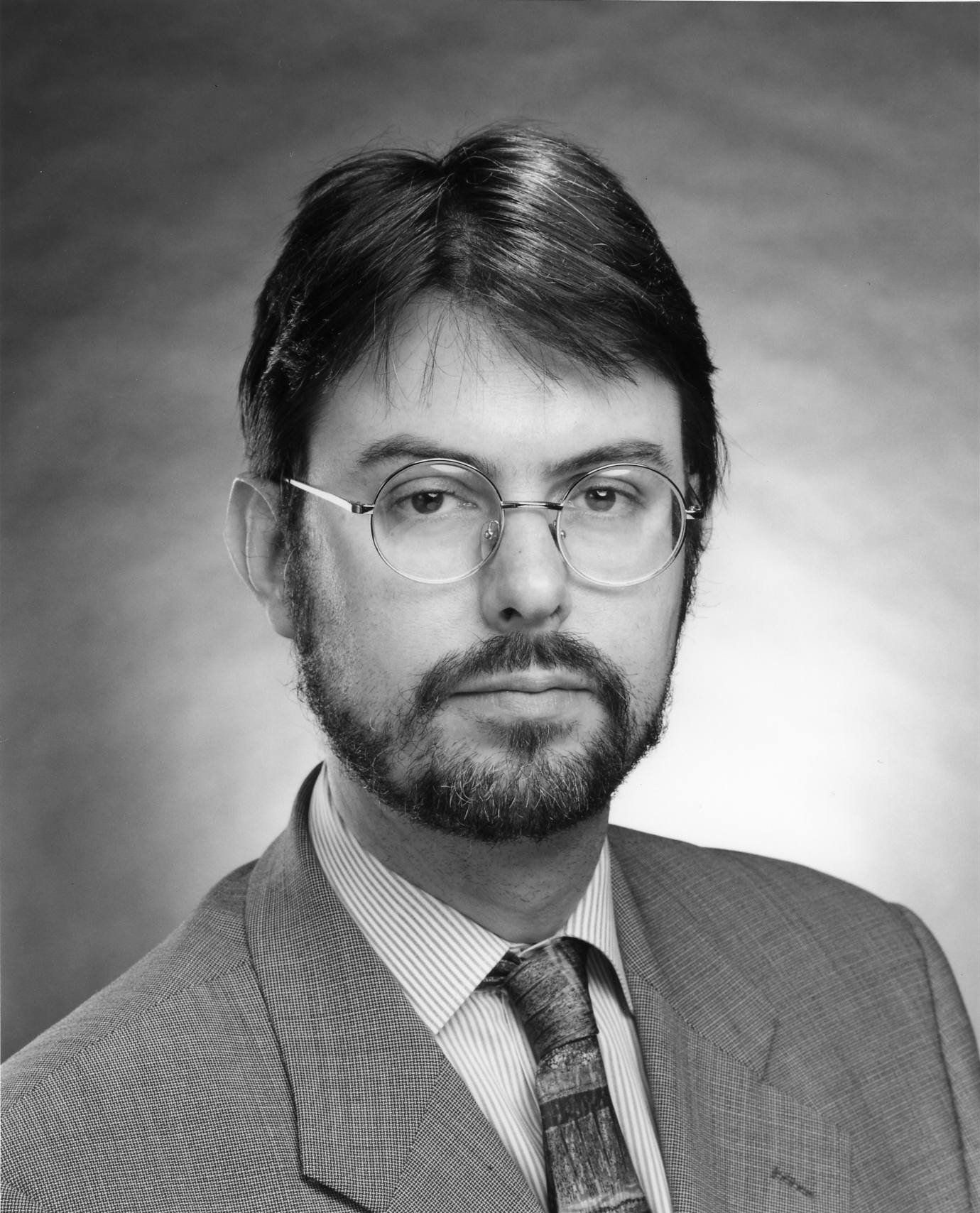
Anatol Lieven is a senior associate for foreign and security policy in the Russian and Eurasian Program. He was previously editor of Strategic Comments at the International Institute for Strategic Studies.
Former Senior Associate
Recent Work

Fiona Hill, Anatol Lieven, Thomas de Waal
Carnegie does not take institutional positions on public policy issues; the views represented herein are those of the author(s) and do not necessarily reflect the views of Carnegie, its staff, or its trustees.

A summer of escalation in the Black Sea has hurt Ukraine economically and is exacerbating world food security. A truce is needed—as is a broader reframing of Europe’s Ukraine strategy.
Thomas de Waal

Are Germany’s economic, industrial, and political struggles becoming a liability for the EU’s ability to rise to the geopolitical moment?

Rym Momtaz, ed.

European Commission President Ursula von der Leyen is about to give her annual address on the state of the EU. Here’s what she won’t—but should—say.
Rym Momtaz

Radical-right parties are expected to do well in upcoming elections in four of the EU's biggest member states. If successful, they could prevent the union from addressing key challenges ahead.

Stefan Lehne

The aftermath of the Ceuta crisis shows Europe has drawn the wrong lessons. Rather than doubling down on failed migration policies, the EU needs to address the underlying roots of such episodes.

Richard Youngs