

Q&A
John Hewko
{
  "authors": [
    "John Hewko"
  ],
  "type": "legacyinthemedia",
  "centerAffiliationAll": "dc",
  "centers": [
    "Carnegie Endowment for International Peace"
  ],
  "collections": [],
  "englishNewsletterAll": "democracy",
  "nonEnglishNewsletterAll": "",
  "primaryCenter": "Carnegie Endowment for International Peace",
  "programAffiliation": "DCG",
  "programs": [
    "Democracy, Conflict, and Governance"
  ],
  "projects": [],
  "regions": [
    "North America",
    "South America"
  ],
  "topics": [
    "Trade"
  ]
}
REQUIRED IMAGE
The roots of Argentina's recent crisis go well beyond the current debate about the failings of a particular economic policy or multilateral institution. The principal fault for Argentina's woes lies squarely with the country's political and economic elite.
Source: Carnegie
No Need to Cry for Argentina
In a January 26, 2002 Boston Globe op-ed, Carnegie Visiting Scholar John Hewko writes that the roots of Argentina's recent crisis go well beyond the current debate about the failings of a particular economic policy or multilateral institution. The principal fault for Argentina's woes lies squarely with the country's political and economic elite. Click here to read the article.
Former Nonresident Senior Associate, Democracy and Rule of Law Program
Hewko was a nonresident senior associate with the Carnegie Endowment’s Democracy and Rule of Law Program. His research focuses on international development issues, democracy promotion, and the countries of the former Soviet Union.
Recent Work
John Hewko
Carnegie does not take institutional positions on public policy issues; the views represented herein are those of the author(s) and do not necessarily reflect the views of Carnegie, its staff, or its trustees.

A summer of escalation in the Black Sea has hurt Ukraine economically and is exacerbating world food security. A truce is needed—as is a broader reframing of Europe’s Ukraine strategy.

Thomas de Waal

Canadian Prime Minister Mark Carney has twice inspired praise for standing up to U.S. President Donald Trump: at the 2026 World Economic Forum in Davos and on Canada-U.S. trade negotiations. Is Carney showing a third way better than the EU has in dealing with the Trump administration?

Rym Momtaz, ed.
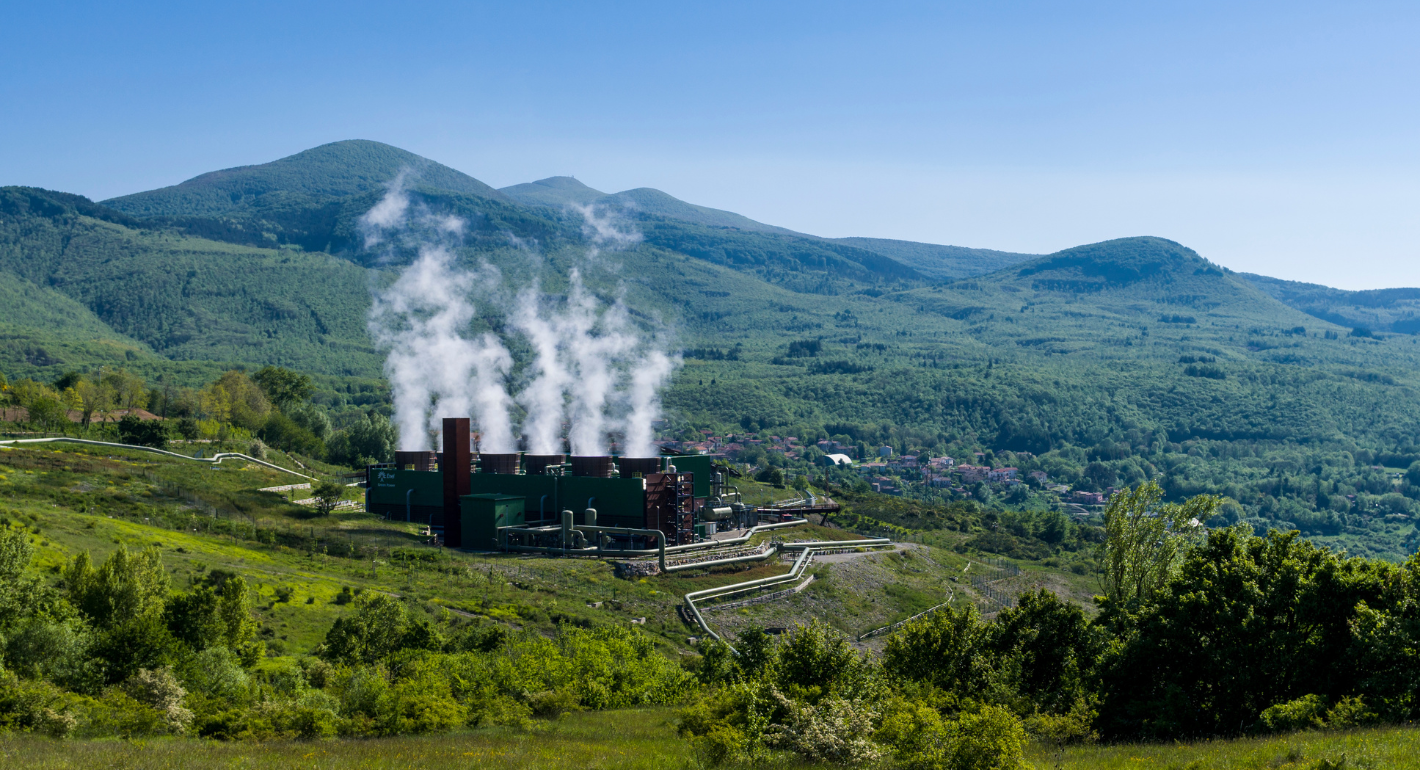
Europe’s industrial supply chains leave it vulnerable to global shocks. The EU needs a pragmatic green industrial strategy that balances durable partnerships and bolsters homegrown clean tech without sacrificing low-carbon ambition.


Milo McBride, Pauline Gerard
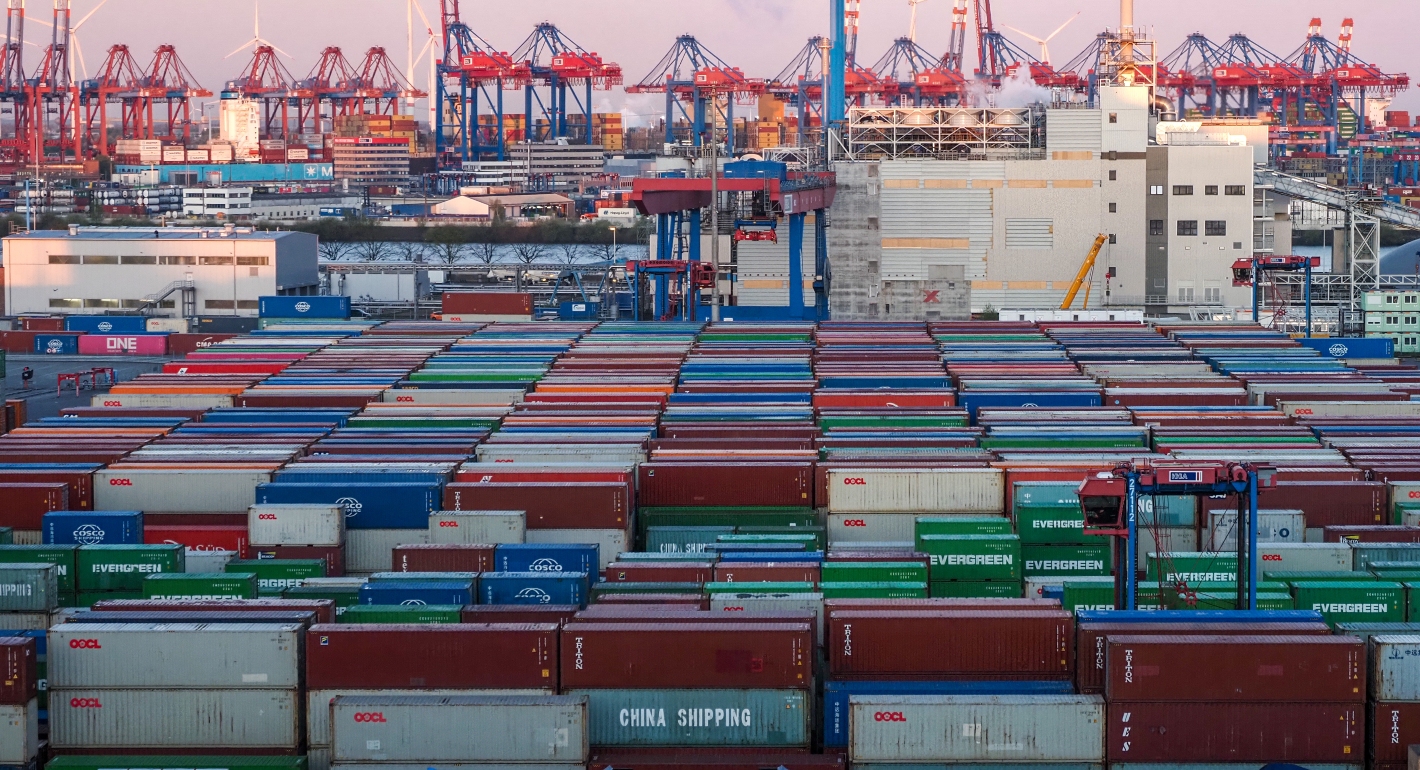
As geopolitical rivalry weaponizes global supply chains, the EU’s true vulnerability lies in emerging-risk imports. For these goods, suppliers are growing more concentrated, substitution more difficult, and political risk is looming.

Sinan Ülgen
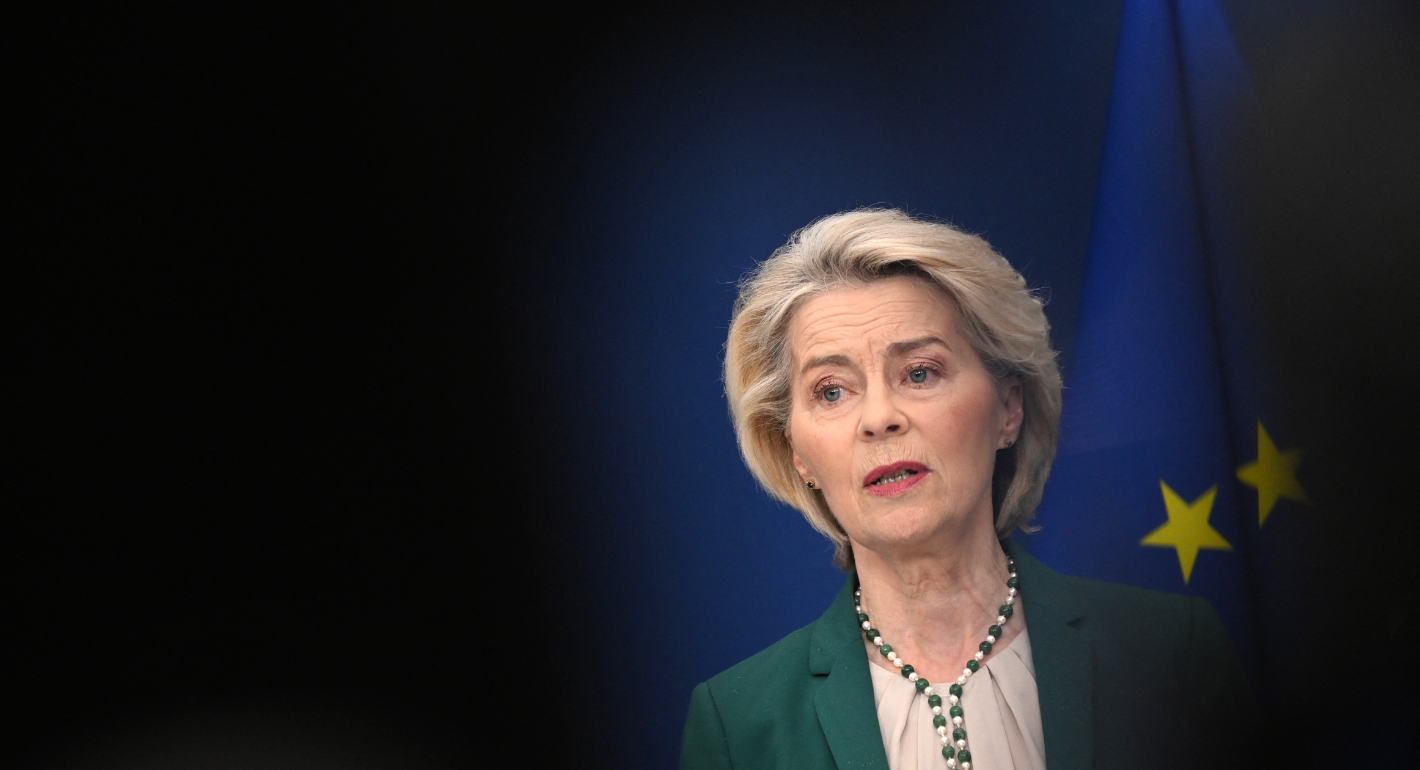
Following Ursula von der Leyen’s gaffe equating Turkey to Russia and China, relations with Ankara risk deteriorating even further. Without better, more consistent diplomatic messaging, how can the EU pretend to be a geopolitical power?
Sinan Ülgen