

Commentary
A summer of escalation in the Black Sea has hurt Ukraine economically and is exacerbating world food security. A truce is needed—as is a broader reframing of Europe’s Ukraine strategy.
Thomas de Waal
{
  "authors": [
    "Shishir Priyadarshi"
  ],
  "type": "other",
  "centerAffiliationAll": "",
  "centers": [
    "Carnegie Endowment for International Peace"
  ],
  "collections": [],
  "englishNewsletterAll": "",
  "nonEnglishNewsletterAll": "",
  "primaryCenter": "Carnegie Endowment for International Peace",
  "programAffiliation": "",
  "programs": [],
  "projects": [],
  "regions": [],
  "topics": [
    "Economy",
    "Trade"
  ]
}
REQUIRED IMAGE
More than seven years after the members of the World Trade Organization (WTO) signed the landmark Agreement on Agriculture (AOA), the benefits and drawbacks of that accord are coming into stark relief. A new agreement should give developing countries the flexibility to adopt domestic policies that are geared to enhance domestic production and protect the livelihoods of their rural poor.
Source: Carnegie
More than seven years after the members of the World Trade Organization (WTO) signed the landmark Agreement on Agriculture (AOA), the benefits and drawbacks of that accord are coming into stark relief. For developing countries dependent on agriculture exports, the AOA has not succeeded in opening markets in industrial countries. Even more crucially, the low-income and resource-poor farmers in the world’s poor and vulnerable countries continue to suffer from a lack of adequate and secure food sources, while having to contend with import surges and other forces of global competition.
The new round of agriculture negotiations, the mandate of which was further strengthened in the November 2001 Doha Ministerial Declaration, gives the WTO and its members a chance to rectify these imbalances. A new agreement should give developing countries the flexibility to adopt domestic policies that are geared to enhance domestic production and protect the livelihoods of their rural poor.
About the Author
Shishir Priyadarshi is on the staff of the Development and Economic Research Division of the World Trade Organization in Geneva. He is responsible for the work of the WTO’S Committee on Trade and Development, including the mandated work arising out of the Doha Development Agenda on technology transfer and special and differential treatment. Until recently, he was on the staff of the South Centre, an intergovernmental organization of developing countries based in Geneva, where he was responsible for providing developing countries with analytical and technical assistance on issues being considered by the WTO.
Shishir Priyadarshi

A summer of escalation in the Black Sea has hurt Ukraine economically and is exacerbating world food security. A truce is needed—as is a broader reframing of Europe’s Ukraine strategy.

Thomas de Waal

Canadian Prime Minister Mark Carney has twice inspired praise for standing up to U.S. President Donald Trump: at the 2026 World Economic Forum in Davos and on Canada-U.S. trade negotiations. Is Carney showing a third way better than the EU has in dealing with the Trump administration?

Rym Momtaz, ed.
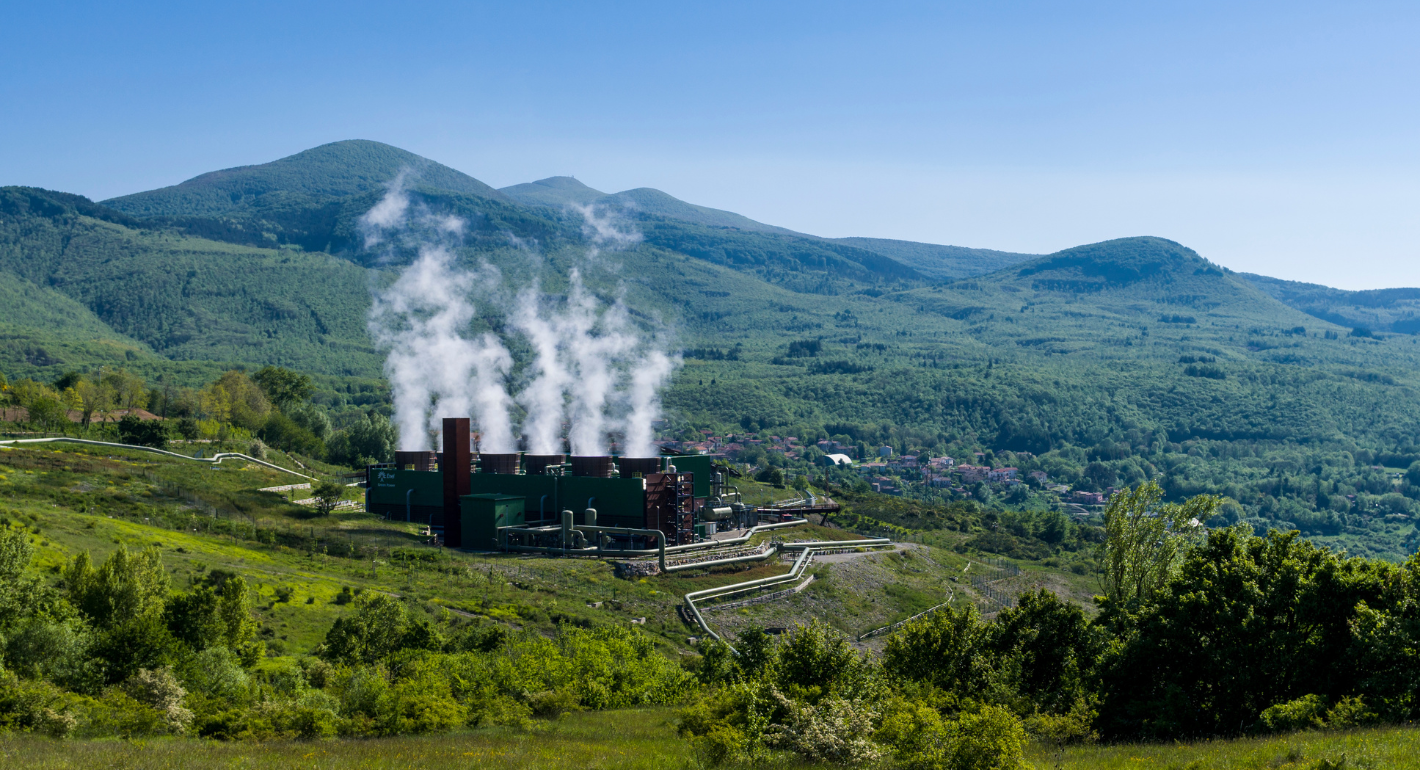
Europe’s industrial supply chains leave it vulnerable to global shocks. The EU needs a pragmatic green industrial strategy that balances durable partnerships and bolsters homegrown clean tech without sacrificing low-carbon ambition.


Milo McBride, Pauline Gerard
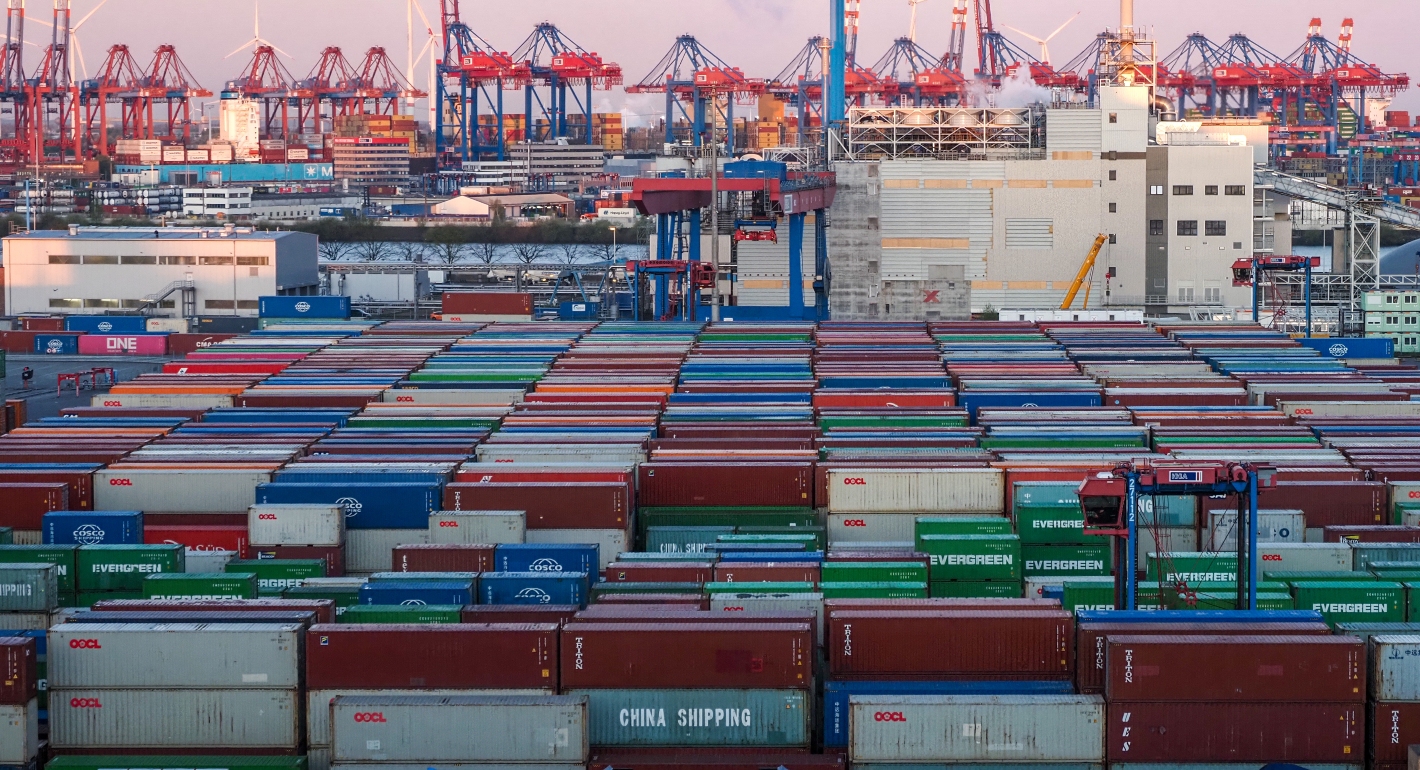
As geopolitical rivalry weaponizes global supply chains, the EU’s true vulnerability lies in emerging-risk imports. For these goods, suppliers are growing more concentrated, substitution more difficult, and political risk is looming.

Sinan Ülgen
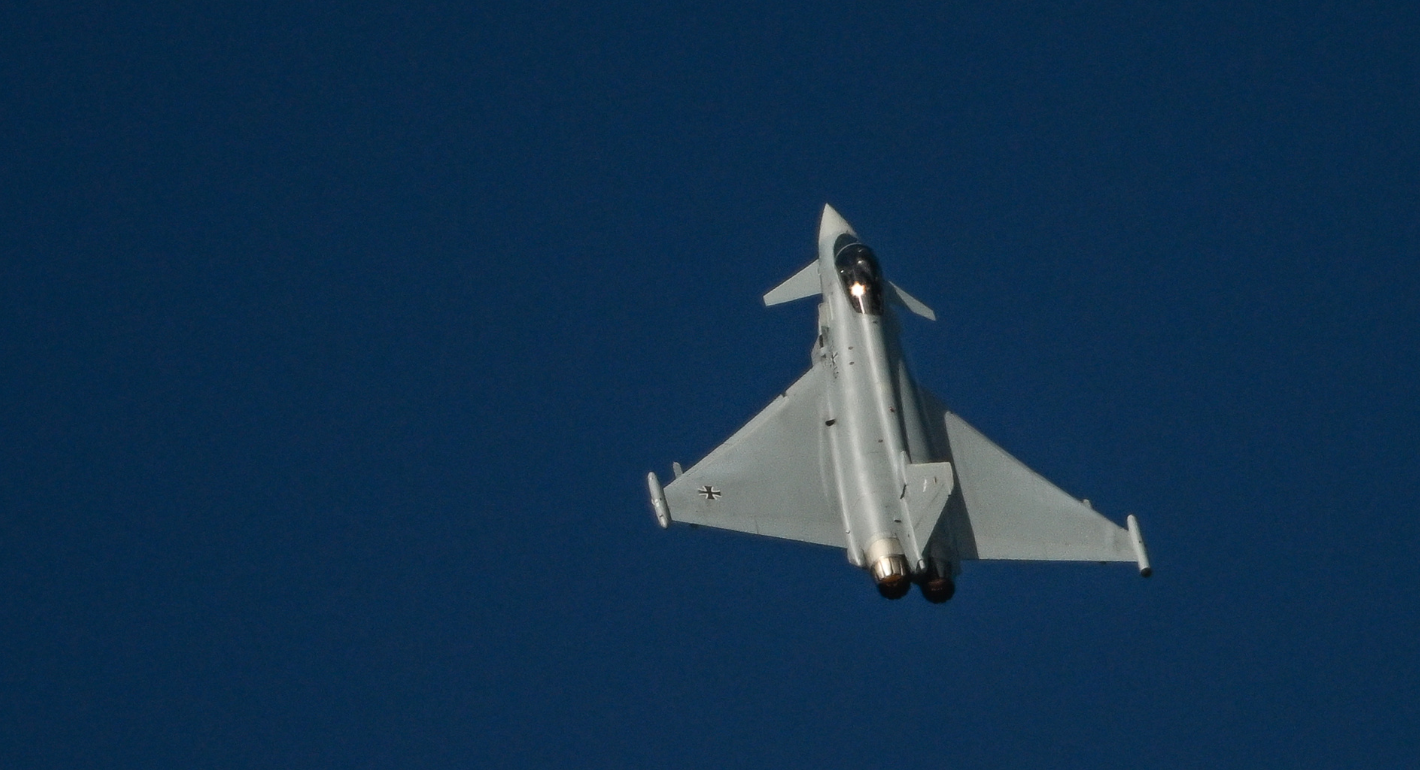
The EU is putting together a new security strategy to meet today’s myriad challenges. But for any proposal to be effective, the union needs to grapple with its identity and ambitions.

Pierre Vimont