

Paper
Mr. Daniel Brumberg
{
  "authors": [
    "Daniel Brumberg"
  ],
  "type": "testimony",
  "centerAffiliationAll": "dc",
  "centers": [
    "Carnegie Endowment for International Peace"
  ],
  "collections": [],
  "englishNewsletterAll": "democracy",
  "nonEnglishNewsletterAll": "",
  "primaryCenter": "Carnegie Endowment for International Peace",
  "programAffiliation": "DCG",
  "programs": [
    "Democracy, Conflict, and Governance"
  ],
  "projects": [],
  "regions": [
    "Middle East"
  ],
  "topics": []
}
REQUIRED IMAGE
Source: Carnegie
Arab Public Opinion and U.S. Foreign Policy: A Complex Encounter
Dr. Daniel Brumberg
Visiting Scholar, Carnegie Endowment for International Peace
Associate Professor, Department of Government, Georgetown University
Prepared for: Congress of the United States, House of Representatives, Committee on Government Reform, Subcommittee on National Security, Veterans Affairs, and International Relations
October 8, 2002
Summary
(Click here
for complete testimony)
Any analyst seeking to explain the relationship between Arab public opinion and American foreign policy must recognize the highly politicized nature of the topic. Pro-Israeli institutions acknowledge that Arab public opinion is hostile to the U.S., but often insist that such hostility reflects deeply ingrained cultural or religious attitudes. "They hate us because they hate us" goes the refrain. Those who speak from a pro-Arab or pro-Palestinian perspective often assert that such hostility is largely a consequence of U.S. foreign policy, and in particular the failure of the Bush administration to play the role of honest peace broker in the Palestinian-Israeli conflict. Solve that conflict in a fair and just manner, they argue, and much of the anti-Americanism reflected in the Arab press, the speeches of religious leaders, and in recent polling data, will subside.
The purpose of my testimony today is to transcend this politicized debate by providing a more systematic analysis of the roots and implications of Arab hostility towards the United States. My analysis is based on a distinction between Islamist and Arab nationalist ideologues, their immediate audiences in university, professional and religious institutions, and the wider Arab populace. While this model simplifies a complex reality, I believe that grasping the relationship between these three concentric (if idealized) circles of influence and interaction is essential.
Former Senior Associate
Recent Work
Mr. Daniel Brumberg


Thomas Carothers, Marina Ottaway, Ms. Amy Hawthorne, …
Carnegie does not take institutional positions on public policy issues; the views represented herein are those of the author(s) and do not necessarily reflect the views of Carnegie, its staff, or its trustees.
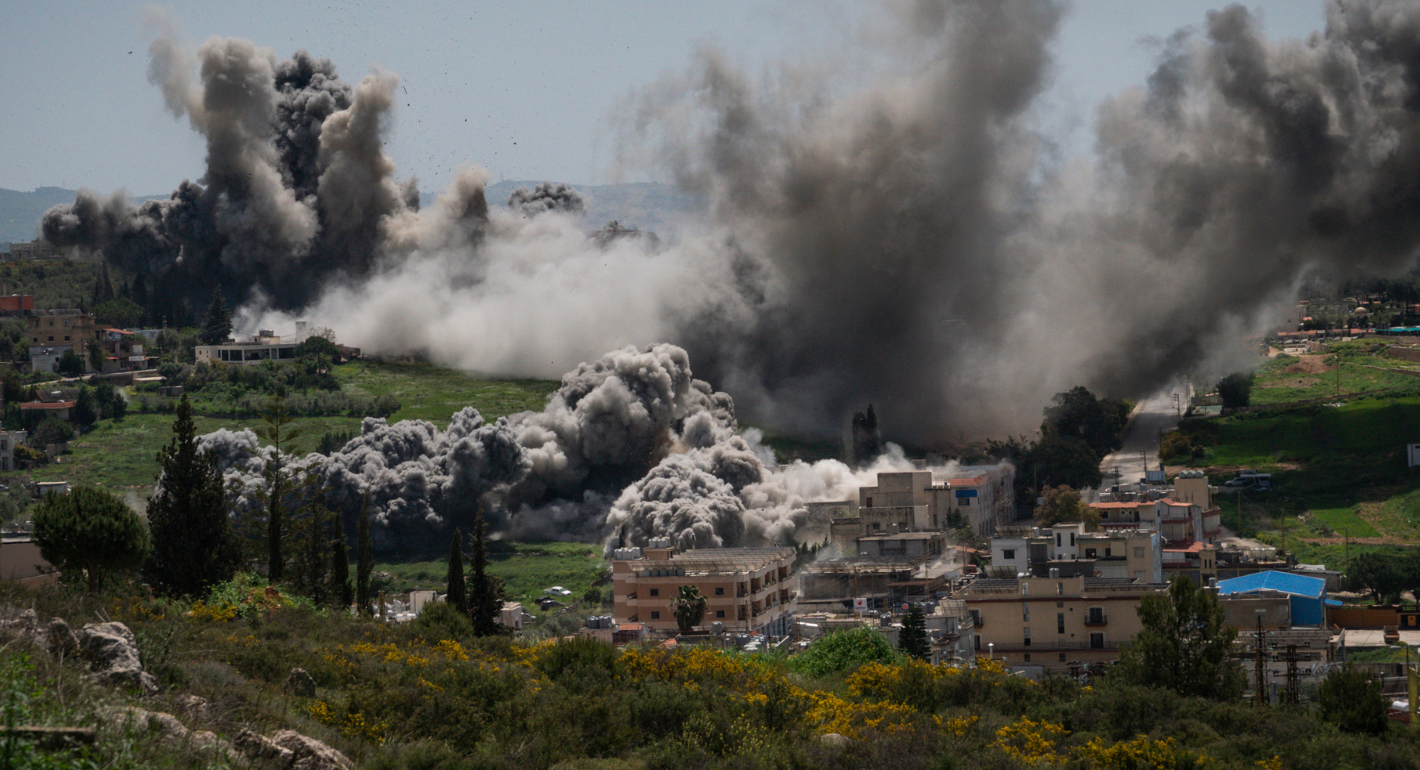
Europe has been standing by while its Southern neighborhood is being redrawn by force. To establish a path to peace between Israel and Lebanon, it’s time for Europeans to get involved with hard power.

Rym Momtaz
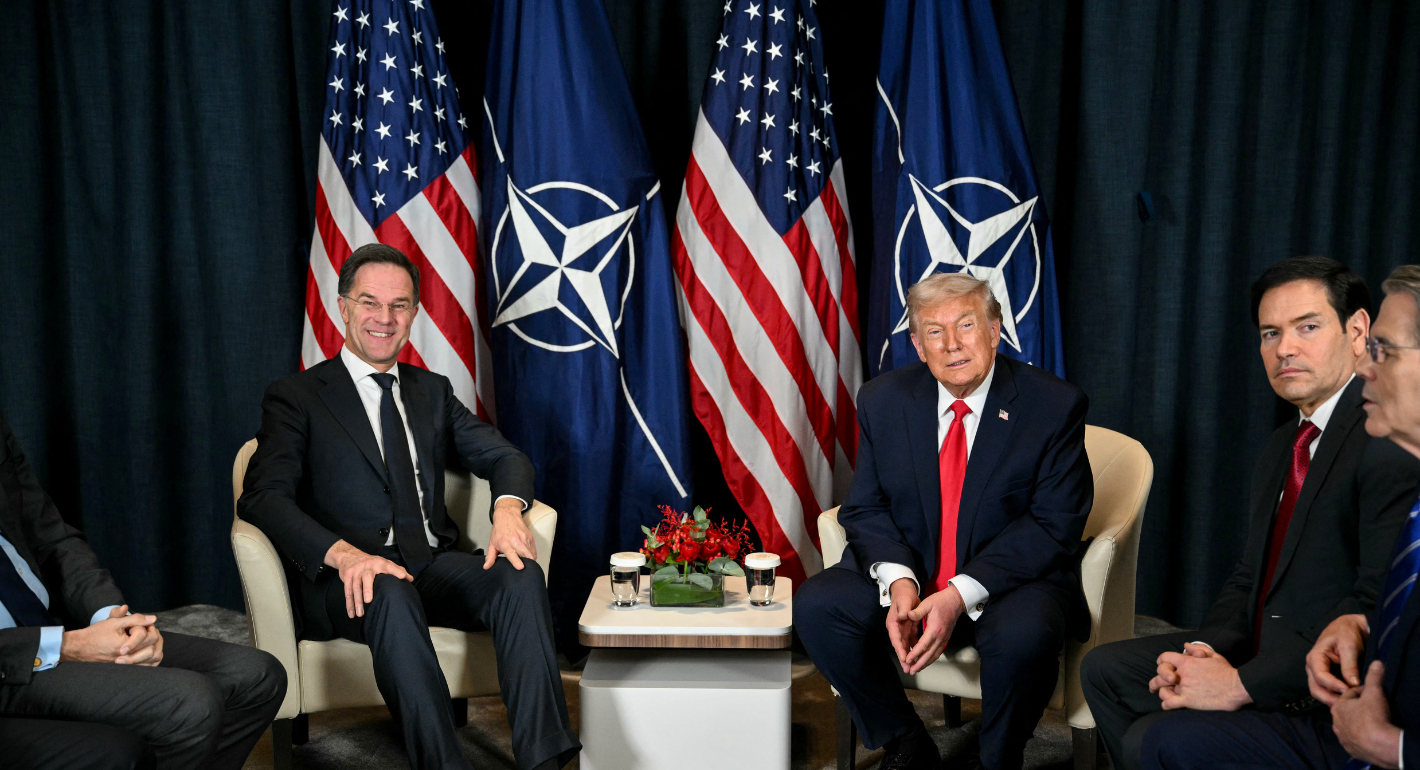
Donald Trump has demanded that European allies send ships to the Strait of Hormuz while his war of choice in Iran rages on. He has constantly berated NATO while the alliance’s secretary-general has emphatically supported him.
Rym Momtaz, ed.
The war in Ukraine is costing Russia its leverage overseas. Across the South Caucasus and Middle East, this presents an opportunity for Europe to pick up the pieces and claim its own sphere of influence.

William Dixon, Maksym Beznosiuk
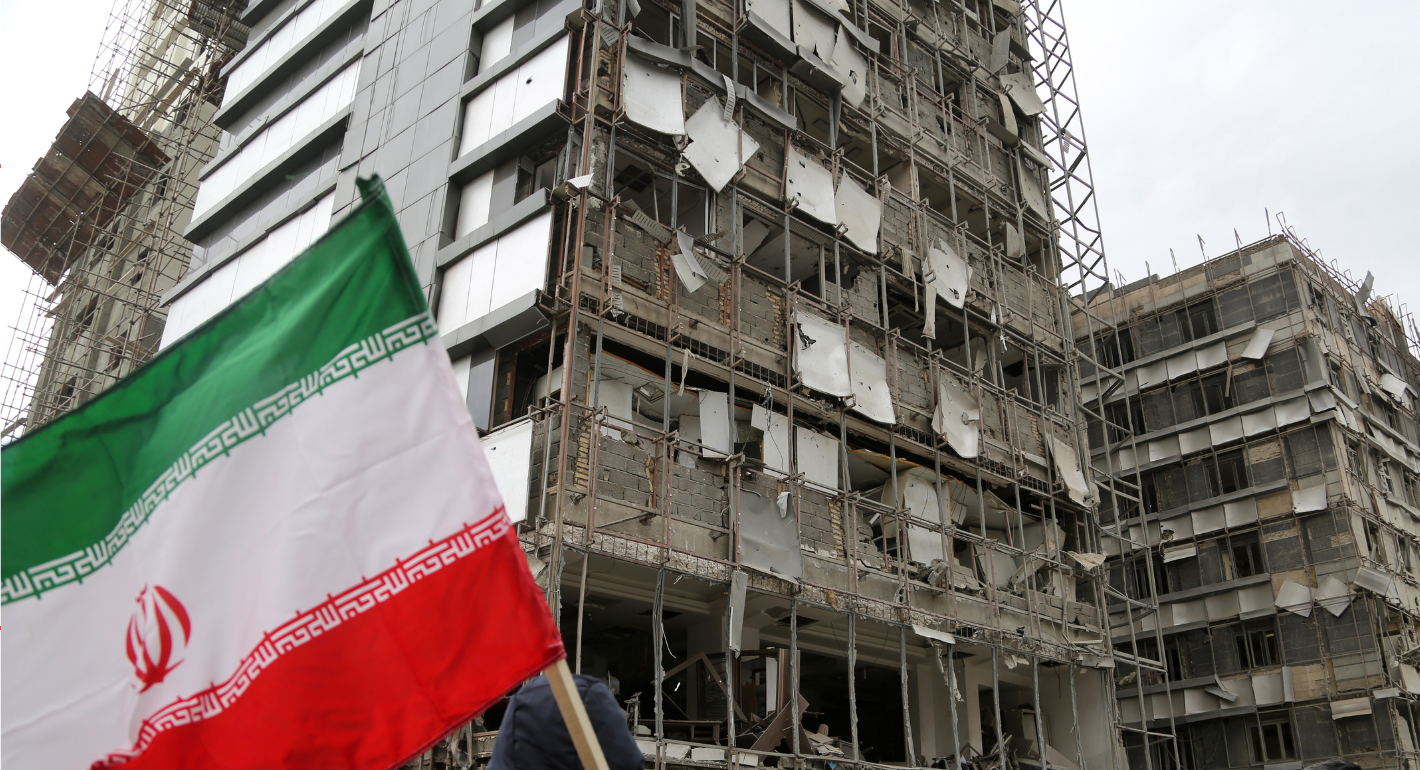
Europe’s reaction to the war in Iran has been disunited and meek, a far cry from its previously leading role in diplomacy with Tehran. To avoid being condemned to the sidelines while escalation continues, Brussels needs to stand up for international law.

Pierre Vimont
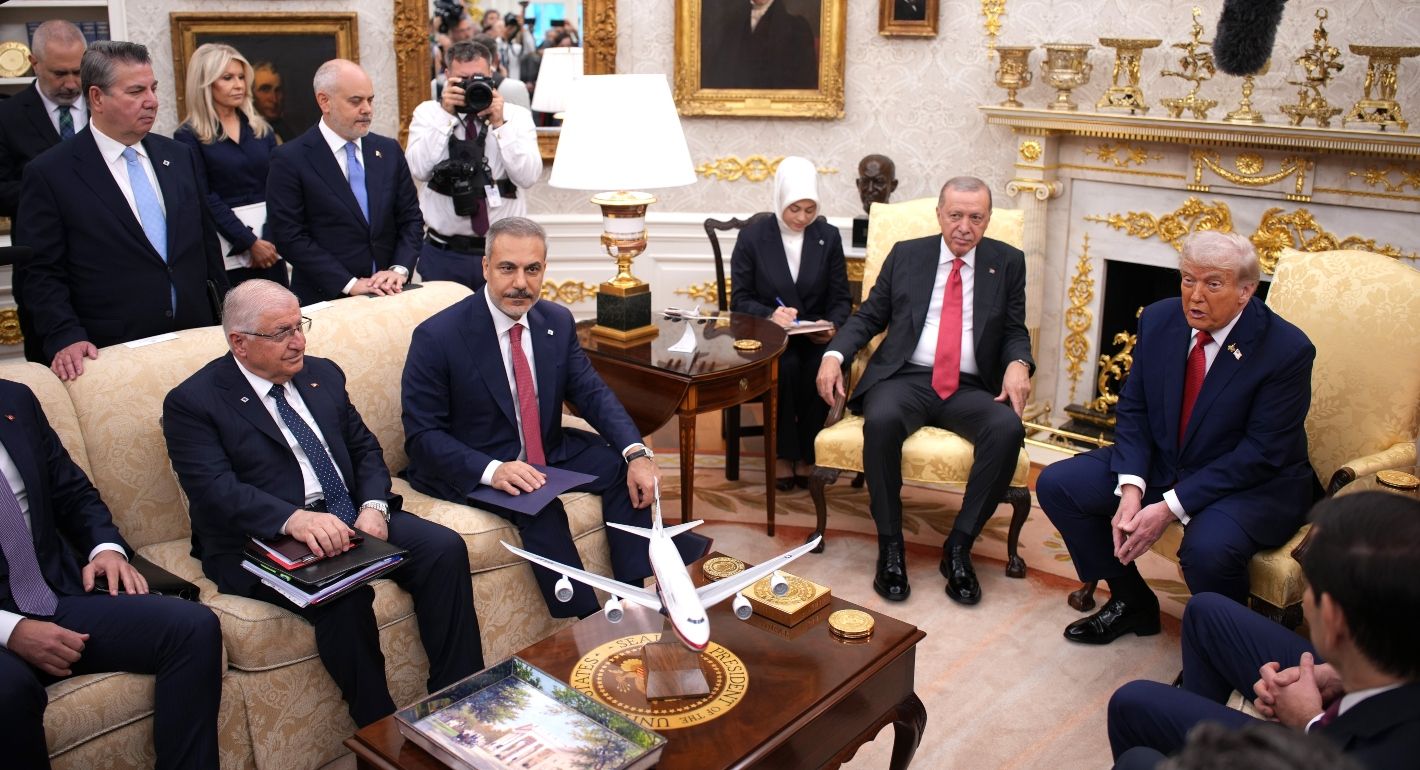
Erdoğan and Trump’s meeting served both leaders’ domestic and personal agendas. For Europe, it highlights how America’s transactional approach risks sidelining allies and empowering authoritarians.

Marc Pierini