

Q&A
- +2
Judy Dempsey, Alexander Gabuev, Rose Gottemoeller, …
{
  "authors": [
    "Rose Gottemoeller"
  ],
  "type": "legacyinthemedia",
  "centerAffiliationAll": "dc",
  "centers": [
    "Carnegie Endowment for International Peace"
  ],
  "collections": [
    "Korean Peninsula"
  ],
  "englishNewsletterAll": "ctw",
  "nonEnglishNewsletterAll": "",
  "primaryCenter": "Carnegie Endowment for International Peace",
  "programAffiliation": "russia",
  "programs": [
    "Russia and Eurasia",
    "Nuclear Policy"
  ],
  "projects": [],
  "regions": [
    "South Korea"
  ],
  "topics": [
    "Military",
    "Foreign Policy",
    "Nuclear Policy"
  ]
}
REQUIRED IMAGE
Source: Carnegie
Not engaging N. Korea is like handing it a loaded weapon
This op-ed first appeared in The Christian Science Monitor on February 27, 2003. All rights reserved.
WASHINGTON ? Secretary of State Colin Powell's visit to Asia this week follows the latest round in North Korea's spiraling misbehavior - its threat to withdraw from the 1953 armistice that halted the Korean War. Once again, the Bush administration is faced with North Korea upping the ante. First it trumpeted its uranium enrichment program, then withdrew from the Non-Proliferation Treaty, then restarted its facility to produce weapons-grade plutonium. By June, the North Koreans might have enough additional plutonium to build four nuclear weapons beyond the two it is suspected of already having.
In these games, the Bush administration has treated Kim Jong Il as some kind of preternatural dictator with a genius for blackmail. More and more, however, Mr. Kim looks to me like a child who is out of control. He's a little kid who has gotten a key to the gun closet and is brandishing a loaded gun at the window. From the sidewalk, family and neighbors argue what to do about it, but can't come to grips with the answer.
One answer, of course, is to get the police snipers in and shoot him - but that seems extreme for a child who is out of control. The first goal should be to get the gun out of his hands and back in the closet, get the door locked and the key put away. But this time, since the kid is good at finding hidden keys, the closet should be emptied and the guns taken away.
Then those around him need to figure out why he acts so extreme, even self-destructive. Kids in this state are not blackmailers; they're bidding for attention. Maybe this child has been left alone too long and doesn't know what to do with himself - or in Kim's case, with his country writ large.
I don't want to take this fractious-child notion too far, but it's worth using to consider the nature of engagement. With a child who has gotten his hands on a weapon, the last thing you want to do is turn your back while you dither about how to handle him. He needs to be stopped, and quickly, before he hurts himself and others around him.
Once you've gotten the gun out of his hands, you engage him to try to deal with his problems and stop his destructive behavior for good. The engagement has to be designed to show him that there is some way out, a better way to live his life. The same logic applies to engaging the North Koreans: They need to be stopped, urgently, from deploying and using nuclear weapons. Then they need to be shown that there is some alternative to their isolated and miserable national condition.
These steps can only be accomplished through engagement. Far from submitting to blackmail, the international community would be creating conditions under which the North Koreans would be willing to give up their nuclear weapons, once and for all:
? By extending the tools, including technical assistance and funding, to dismantle their weapon capabilities.
? By showing that there are other means to get what they want in the realms of security, energy development, and economic progress.
? By defining a pathway that will give them a decent relationship with their neighbors and with key actors in the international community.
North Korea's leaders say they want a nonaggression pact, some assurance of their security and economic engagement - not untenable demands - by any means. They might be urged, in fact, to be more ambitious: North Korea should want to be a country fully in good standing in the world community, with all the benefits that ensue - economic health, regional well-being, international engagement, and progress toward the priority goal of uniting the Korean peninsula.
The US should be firm about what it needs out of the engagement - especially an end to North Korean threats, and cooperation and openness in eliminating the weapon programs. A great deal more cooperation and openness is needed, in fact, than North Korea has offered in the past - and it's needed early in the process.
The first step in engagement should be to make clear to Pyongyang exactly what is required in terms of visits to facilities, shut-down of weapon activities, and monitoring of progress.
Engagement should not be shunned on the basis that we are facing some kind of clever blackmailer. That's giving the North Korean leadership too much credit. This is an isolated kid with a loaded gun in his hand. He is running out of time and out of ideas. His next idea will probably be to shoot. First we have to get the gun away from him, and then work with him so he isn't tempted to grab it again. This is not bribery, it is self-interest.
? Rose Gottemoeller is a senior associate of the Carnegie Endowment for International Peace. She was assistant secretary of energy for nonproliferation and national security in the Clinton administration.
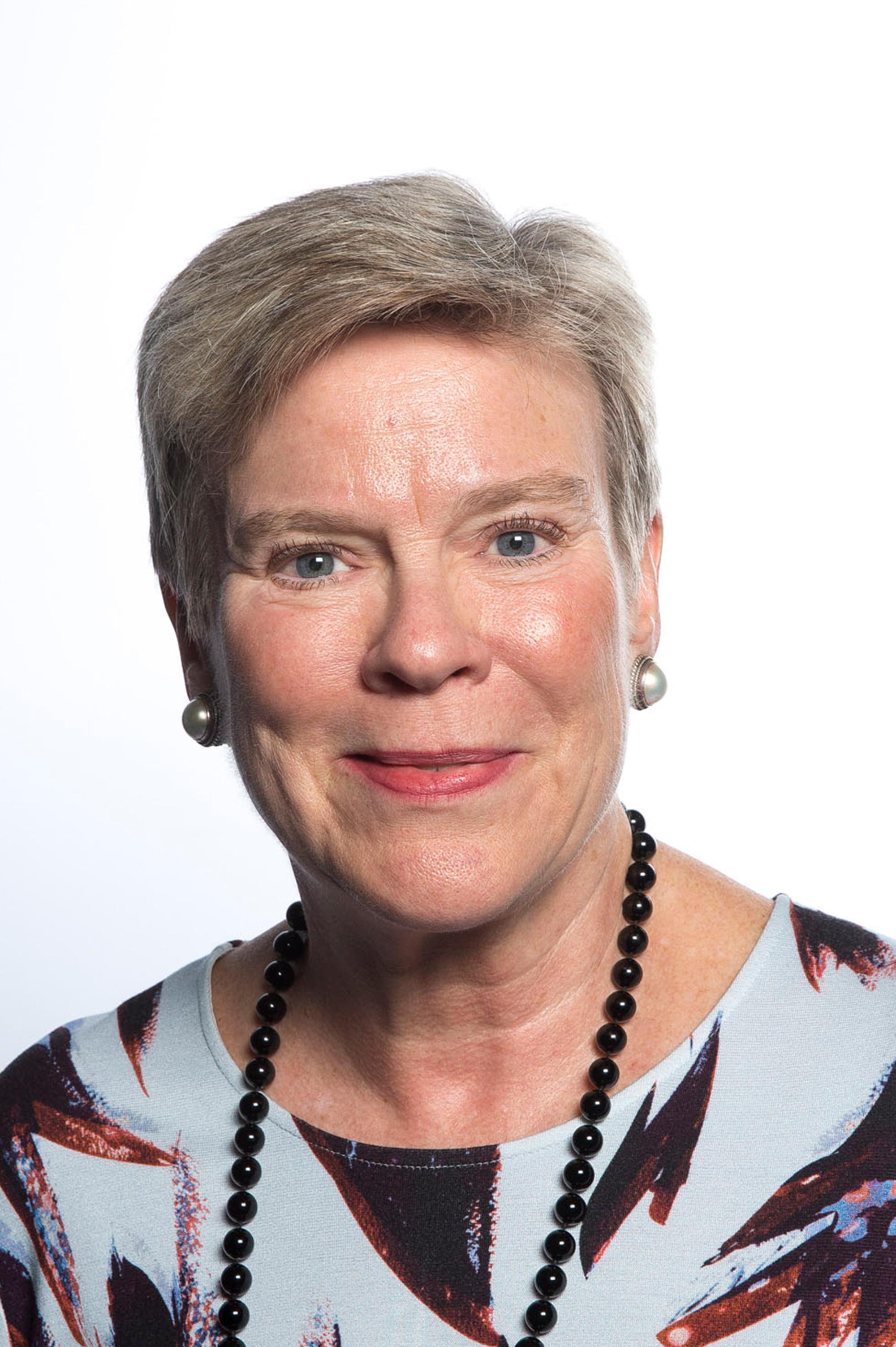
Nonresident Senior Fellow, Nuclear Policy Program
Rose Gottemoeller is a nonresident senior fellow in Carnegie’s Nuclear Policy Program. She also serves as lecturer at Stanford University’s Freeman Spogli Institute for International Studies and is a research fellow at the Hoover Institution. Ambassador Gottemoeller served as the deputy secretary general of NATO from 2016 to 2019.
Recent Work


Judy Dempsey, Alexander Gabuev, Rose Gottemoeller, …
Carnegie does not take institutional positions on public policy issues; the views represented herein are those of the author(s) and do not necessarily reflect the views of Carnegie, its staff, or its trustees.

Canadian Prime Minister Mark Carney has twice inspired praise for standing up to U.S. President Donald Trump: at the 2026 World Economic Forum in Davos and on Canada-U.S. trade negotiations. Is Carney showing a third way better than the EU has in dealing with the Trump administration?

Rym Momtaz, ed.

The EU’s responses to two recent incidents expose the gulf between European perceptions and capabilities. Unless the union can bridge that gap, it will never become a real geostrategic power.
Rym Momtaz

European states control several Overseas Countries and Territories around the world that carry strategic, economic, and environmental weight. As great powers challenge the rules-based order, defending them is a geopolitical imperative for Europe.

Marc Pierini

As we close out another season of Strategic Europe, it is worth taking stock of the deep shifts underway.
Rym Momtaz
The EU had to compromise to adopt a twenty-first sanctions package against Russia, exposing growing cracks in the union’s resolve. Is this latest, weaker round worth it to keep pressure on Moscow?
Rym Momtaz, ed.