

Other
Fiona Hill, Anatol Lieven, Thomas de Waal
{
  "authors": [
    "Anatol Lieven"
  ],
  "type": "legacyinthemedia",
  "centerAffiliationAll": "dc",
  "centers": [
    "Carnegie Endowment for International Peace"
  ],
  "collections": [],
  "englishNewsletterAll": "ctw",
  "nonEnglishNewsletterAll": "",
  "primaryCenter": "Carnegie Endowment for International Peace",
  "programAffiliation": "russia",
  "programs": [
    "Russia and Eurasia"
  ],
  "projects": [],
  "regions": [],
  "topics": [
    "Foreign Policy"
  ]
}
REQUIRED IMAGE
Source: Carnegie
Originally published in the Financial Times, August 6, 2003
Educated Americans often say rather mournfully that Tony Blair expresses American values and goals better than the current US president. Whether this is what a British prime minister is elected for is, however, questionable. For while many US values may be virtuous in themselves, they can also be terrifying in their naivete.
This is above all true of "freedom". Mr Blair stressed this theme in his speech to the US Congress last month: "Ours are not western values. They are the universal values of the human spirit and anywhere, any time, ordinary people are given the chance to choose, the choice is the same. Freedom not tyranny. Democracy not dictatorship."
He then went on, like most Americans, to identify these values specifically with the US: "Don't ever apologise for your values. Tell the world why you're proud of America . . . What you can bequeath to this anxious world is the light of liberty." In a speech punctuated by an embarrassing number of standing ovations, no lines were more enthusiastically applauded. For this is the basic, boilerplate stuff of American political rhetoric.
But this vision of a simple, eternal, universal and universally accepted version of "freedom" is not true and never has been true, not only internationally but within the US as well. Far from being straightforward and self-evident, the meaning of freedom has always been and remains ambiguous and contested.
As Eric Foner, the US historian, reminds us*, American definitions of freedom have meant very different things during different historical epochs, and still mean very different things to different Americans. Thus certain ways of thinking about freedom that are widespread on the American right are alien to ideas of freedom in most of the world's developed democracies.
This American tendency combines two apparently contradictory elements. On the one hand, there is a radical, libertarian insistence on particular forms of what Isaiah Berlin, the political philosopher, called "negative liberty". This means absolute freedom from government control or inspection, not only in the areas of gun ownership and use of land, but also radical laisser faire economics in general. Very few of Mr Blair's British compatriots think of freedom in quite this way.
On the other hand, there is a strong emphasis on "positive liberty": in other words, on the duty to exercise freedom in accordance with certain fundamental moral laws. These are seen by US conservatives as laid down by God, but historically speaking they are derived from traditional communal mores. Thus many American rightists demand unconstrained freedom to smoke tobacco and savage punishments for the consumption of marijuana.
The authoritarian rigidity with which American conservatives demand adherence to moral laws, and indeed seek to extend them beyond America's frontiers, is far in excess of anything to be found in Britain or Europe today - except for fundamentalist Muslim circles. They also clash radically with the version of freedom believed in by progressive liberals in the US itself.
In fact, one of the few times US rightists and progressives agree fully on the subject of freedom is in preaching it to the rest of the world. The combination of unconstrained freedom for certain kinds of (chiefly male) personal behaviour with extreme cultural and moral conformism has been a very common phenomenon in many heavily armed traditional societies, whether in the Balkans, Afghanistan or the American south and west.
It is, though, unusual from the perspective of the developed world at the start of the 21st century. Historically speaking, the pattern was closely linked in the US with the exclusion from the national community and its freedoms of a whole range of racial minorities - something that has been corrected only in recent decades.
For most of their history, white Americans placed the safety and dominance of their racial community above any universal right to freedom; and unfortunately they were anything but unique in this.
Time and again, people have been willing to sacrifice political freedom for the sake of real or perceived greater order and safety, either for themselves and their families or for their ethnic group as a whole.
People have also been willing to forgo personal freedom in the cause of what they regard as freedom from outside domination for their ethnic group or nation. At the same time, they have tended to be very suspicious of other countries promising to bring freedom by force of arms - a lesson America is learning in Iraq. As even Robespierre admitted, "No one likes armed missionaries". Americans need to profess absolute belief in their contradictory creed in part because a shared allegiance to it is one of the things holding their disparate society together. They are also relatively new to the business of empire and can be excused a certain naivete when it comes to the extension of their values. British public servants, with 200 years of imperial history, conquests and revolts behind their country, have no excuse for encouraging such illusions or such national messianism.
* Eric Foner, The Story of American Freedom, W.W.Norton, New York, 1998
Former Senior Associate
Recent Work

Fiona Hill, Anatol Lieven, Thomas de Waal
Carnegie does not take institutional positions on public policy issues; the views represented herein are those of the author(s) and do not necessarily reflect the views of Carnegie, its staff, or its trustees.

Autonomous AI agents are increasingly prevalent in cyberspace. The EU needs a real-time monitoring strategy, to invest in AI defenses, and to reduce its strategic dependence on U.S. frontier models.


Raluca Csernatoni, Patryk Pawlak
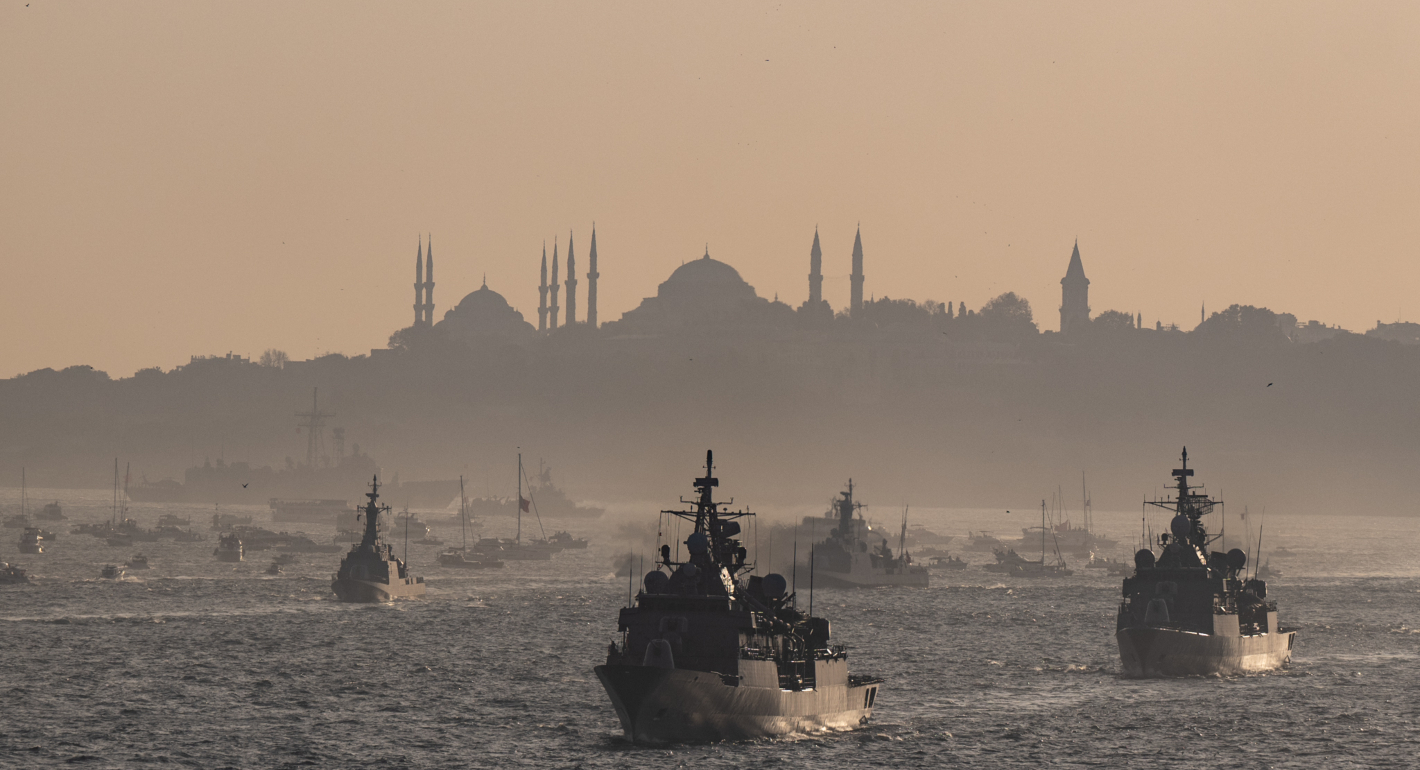
For ninety years, Turkey has been positioned as the principal gatekeeper of Black Sea security. As a result, European and NATO efforts to support Ukraine will require closer engagement with Ankara.
Thomas de Waal

Western Europe’s dual-use infrastructure melted down during its latest heat wave. If a predicted hot weather event can take the continent by surprise, what chance does it have to withstand unexpected geopolitical crises?

Rym Momtaz
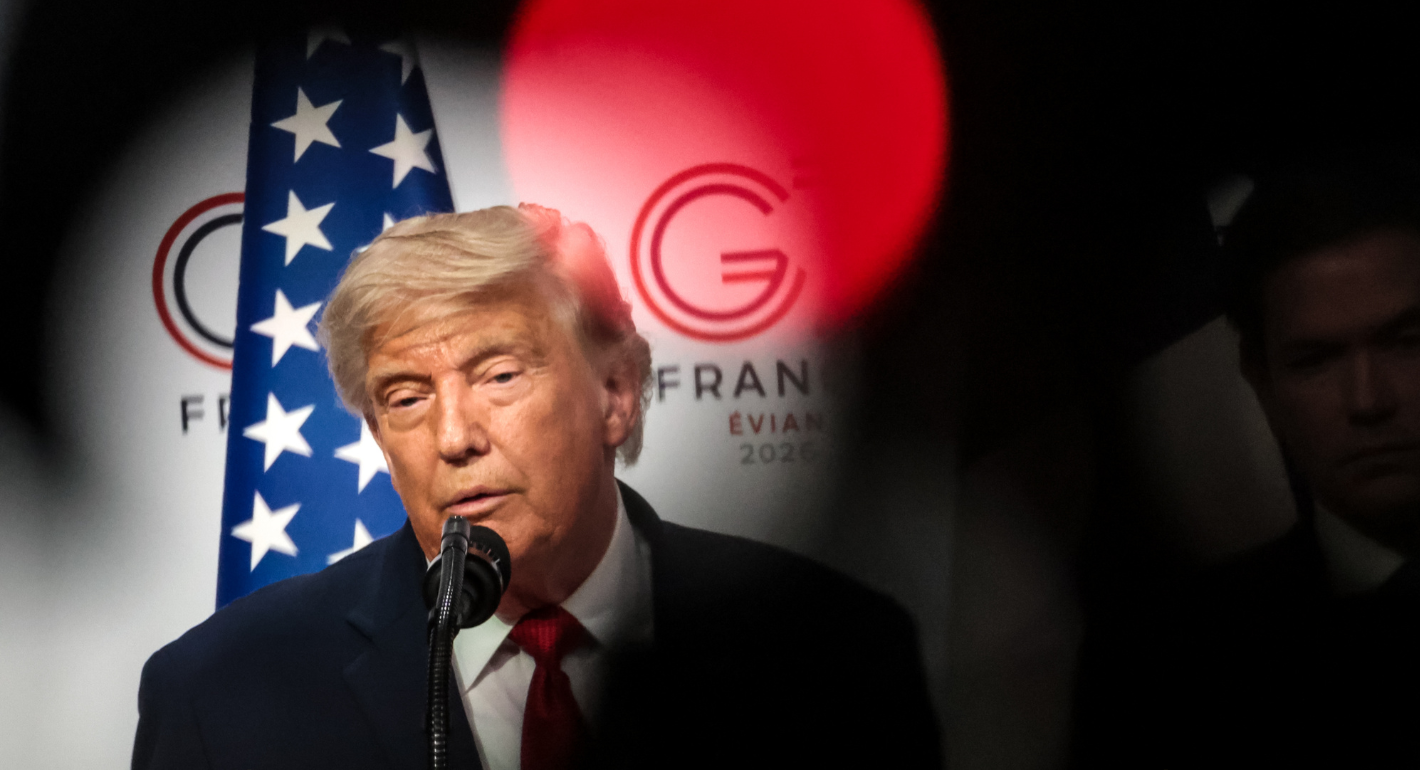
There is an elephant in the room when it comes to the EU’s upcoming security strategy: Donald Trump. Unless European leaders acknowledge the depth of the transatlantic crisis, true autonomy will remain out of reach.

Stefan Lehne

Europe’s industrial supply chains leave it vulnerable to global shocks. The EU needs a pragmatic green industrial strategy that balances durable partnerships and bolsters homegrown clean tech without sacrificing low-carbon ambition.


Milo McBride, Pauline Gerard