

Commentary
With its public finances in shambles, the far right polling at 35 percent ahead of the 2027 presidential election, and a growing protest movement, is France’s crisis a threat to the EU’s geopolitical awakening?
Rym Momtaz, ed.
{
  "authors": [
    "John Audley",
    "George Perkovich",
    "Sandra Polaski",
    "Scott Vaughan"
  ],
  "type": "other",
  "centerAffiliationAll": "",
  "centers": [
    "Carnegie Endowment for International Peace"
  ],
  "collections": [],
  "englishNewsletterAll": "",
  "nonEnglishNewsletterAll": "",
  "primaryCenter": "Carnegie Endowment for International Peace",
  "programAffiliation": "",
  "programs": [],
  "projects": [],
  "regions": [],
  "topics": [
    "Economy",
    "Trade"
  ]
}
REQUIRED IMAGE
WTO negotiators will meet in Cancun, Mexico, in September amid competing claims regarding what steps are necessary to make trade serve development goals. The authors outline the policies that governments and international institutions will need to avoid a debacle at Cancun and to assist developing countries in achieving long-lasting growth.
Following the riotous 1999 meeting in Seattle, and a near failure in Doha in 2001, the World Trade Organization dedicated the current round of trade liberalization talks to "development." Negotiators will meet in Cancun, Mexico, in September amid competing claims regarding what steps are necessary to make trade serve development goals. The catch phrases of international trade—"comparative advantage," "the development round," "trade not aid," and "level playing field"—hide tough choices for both developing and developed country governments. Getting trade rules right is not sufficient for development, but getting them wrong can cripple it. The authors outline the policies that governments and international institutions will need to avoid a debacle at Cancun and to assist developing countries in achieving long-lasting growth.
A limited number of print copies are available.
Request a copy
About the Authors
John Audley is senior associate at the Carnegie Endowment, where he directs the Trade, Equity, and Development Project.
George Perkovich is vice president for studies at the Carnegie Endowment.
Sandra Polaski is senior associate in the Trade, Equity, and Development Project and Scott Vaughan is a visiting scholar with the Project.
Former Senior Associate

Japan Chair for a World Without Nuclear Weapons, Senior Fellow
George Perkovich is the Japan Chair for a World Without Nuclear Weapons and a senior fellow in the Carnegie Endowment for International Peace’s Nuclear Policy Program. He works primarily on nuclear deterrence, nonproliferation, and disarmament issues.
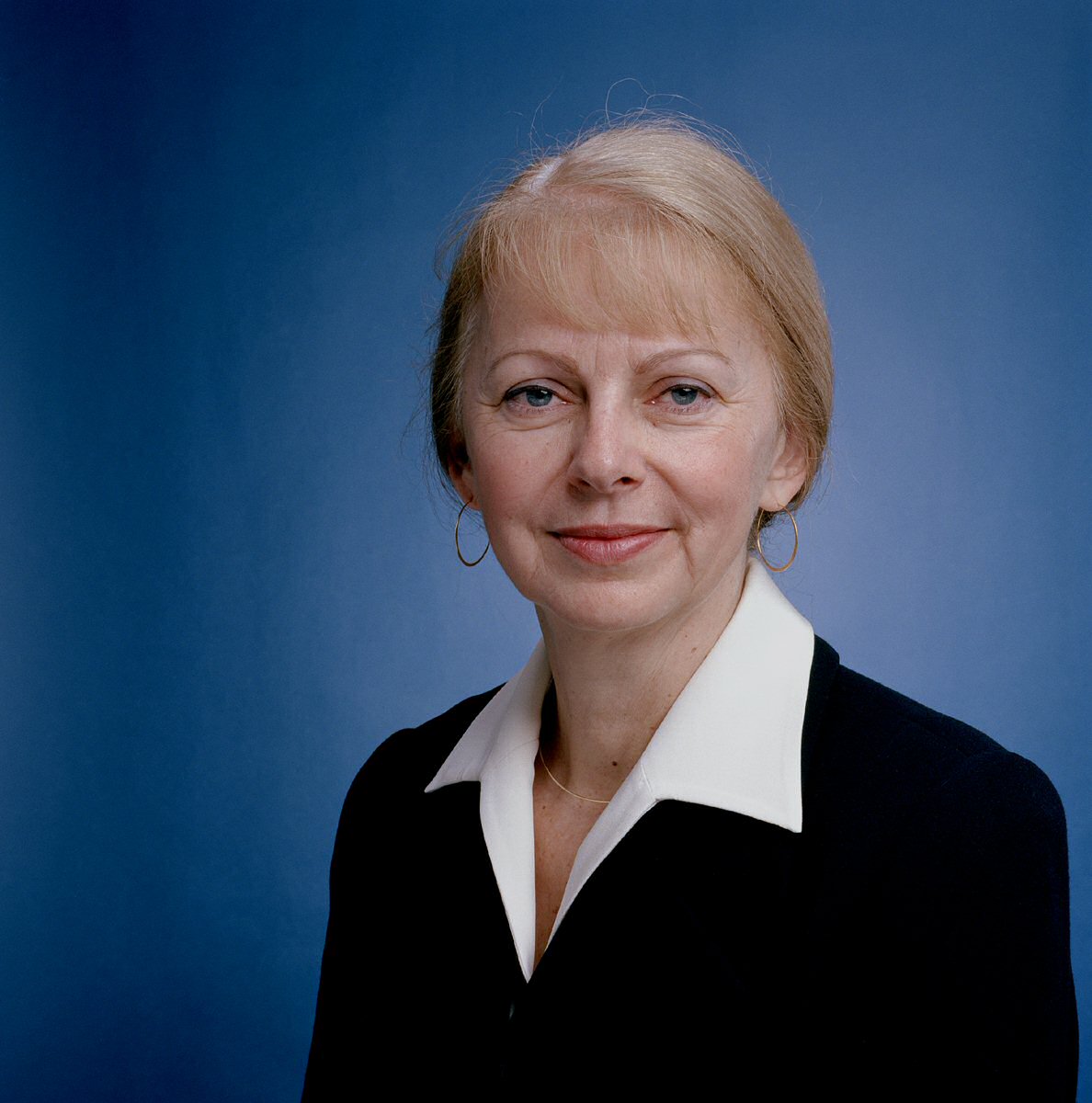
Former Senior Associate, Director, Trade, Equity and Development Program
Until April 2002, Polaski served as the U.S. Secretary of State’s Special Representative for International Labor Affairs, the senior State Department official dealing with such matters.
Former Visiting Scholar

With its public finances in shambles, the far right polling at 35 percent ahead of the 2027 presidential election, and a growing protest movement, is France’s crisis a threat to the EU’s geopolitical awakening?

Rym Momtaz, ed.

Much has been said of the changes Brussels is trying to make to the EU enlargement process. Here’s why gradual integration might—or might not—be the answer.

Dimitar Bechev

The European Commissioner for Trade is headed to China. But after President Xi’s bridge-building visit to Washington, can a more isolated EU overcome Beijing’s stranglehold on critical raw materials? Who will blink first?
Rym Momtaz, ed.

The domestic impacts of how long it is taking to end the war in Ukraine have pushed the French electorate to the political extremes and compromised the country’s diplomatic capacity.
Rym Momtaz

A summer of escalation in the Black Sea has hurt Ukraine economically and is exacerbating world food security. A truce is needed—as is a broader reframing of Europe’s Ukraine strategy.

Thomas de Waal