

Report
Mr. Husain Haqqani, Ashley J. Tellis
{
  "authors": [
    "Husain Haqqani"
  ],
  "type": "legacyinthemedia",
  "centerAffiliationAll": "dc",
  "centers": [
    "Carnegie Endowment for International Peace"
  ],
  "collections": [],
  "englishNewsletterAll": "ctw",
  "nonEnglishNewsletterAll": "",
  "primaryCenter": "Carnegie Endowment for International Peace",
  "programAffiliation": "russia",
  "programs": [
    "Russia and Eurasia"
  ],
  "projects": [],
  "regions": [
    "India",
    "Pakistan"
  ],
  "topics": []
}
REQUIRED IMAGE
Source: Carnegie
India, Pakistan viewing each other with mutual suspicion
Originally published in the Gulf News on December 7, 2003
The ceasefire along the Line of Control, LoC, in Jammu and Kashmir is significant because it is the first time since the Kargil debacle that India and Pakistan have not dismissed a confidence building measure initiated by the other. But the South Asian neighbours remain further apart than they were in 1998, when Prime Minister Vajpayee met Nawaz Sharif in Lahore and agreed to a comprehensive dialogue.
Indian faith in Pakistan remains shattered by Kargil. Pakistan, on the other hand, remains suspicious of India's willingness to deal with the Kashmir issue once it has no pressure from Jihadi militants. Building confidence between New Delhi and Islamabad would require more than the LoC ceasefire or even the restoration of rail links and overflight rights.
India could reassure Pakistan somewhat by addressing its fears of encirclement from India's growing influence in Central Asia since the ouster of the Taliban regime in Afghanistan.
Pakistan, on the other hand, needs to affirm a commitment to the Lahore process that would put bilateral relations in the hands of diplomats and politicians thinking strategically rather than being subject to the tactical military "brilliance" of military commanders and intelligence officers.
Political considerations in both India and Pakistan make significant movement toward lasting peace difficult at this stage. The Bharatiya Janata Party, BJP, faces national polls next year and several state elections in between. Despite Vajpayee's desire to be remembered in history as the architect of an India-Pakistan peace it is unrealistic to expect him to make any serious concession over Kashmir.
Musharraf, on the other hand, derives his legitimacy from being the army chief and the political legitimacy of the Pakistani military, in turn, rests on its being the final line of defence against India.
The political mythos in Pakistan is that the country‚s military is "invincible". Pakistanis have consistently been told that they won every military encounter against the Indians (including Kargil) only to be betrayed by incompetent diplomats and politicians.
Concessions to ground realities from the Pakistani side are difficult to make without changing these myths of invulnerability and military strength. The moment Musharraf starts negotiating realistically, he demonstrates weakness to his domestic constituency.
Hence his repeated pleas to India (and the international community) for a "dignified" solution, which is only code for a face-saver. The General cannot help but remember the fate of Field Marshal Ayub Khan, who was forced to sign the Tashkent Peace Treaty after the 1965 war, without any reference to Kashmir.
A Pakistani nation that had been told that Ayub Khan had led Pakistan to a "brilliant military victory" simply could not understand why they had to be so humble in peace after having been victorious in war.
Musharraf could, of course, change the political discourse at home and inform Pakistani public opinion of Pakistan's limitations. He could then seek the backing the major mainstream political parties for a comprehensive dialogue with India, sacrificing the institutional supremacy of the military-intelligence apparatus but securing a stable regional peace.
But Musharraf will not pay that price just as Vajpayee won't risk breaking the hearts of his Hindutva constituents in accepting that Kashmir's future status is open to negotiation, with Pakistan as well as with Kashmiri representatives.
But Pakistan needs to normalise relations with India to be able to normalise its daily life, which faces numerous distortions because of the perennial confrontation with India. India, on the other hand, needs stable relations with Pakistan to end a major distraction in its pursuit of global major power status.
The Jihadi challenge to Pakistan's modern ethos, sectarian terrorism, and poor human development indicators are some of the direct consequences of the India-Pakistan conflict and political culture it has spawned in Pakistan.
The country simply cannot stay of bad news in the international media. Not long ago, an American court convicted three persons (including a Pakistani allegedly affiliated with Lashkar-e-Taiba) of involvement in a terrorist mission near Washington DC.
The British press exposed a botched attempt by the MI5 intelligence agency to bug the Pakistan High Commission in London. And more reports surfaced of Pakistan's alleged backing for the regrouping of the Taliban along the Pakistan-Afghanistan border.
The traditional Pakistani way of dealing with such bad press has been to invoke conspiracy theories. But believing that everything going against you is the handiwork of your enemies stops one from thinking of solutions or analysing one's own mistakes.
The fact is that Pakistan's mistaken policies in supporting the Taliban as well as other Islamist militants have created doubts about Pakistan's national direction in the minds of the world's major powers. And the exaggerated belief in the invulnerability of Pakistani military power has complicated Pakistan's relations with India.
The writer is a visiting scholar at Carnegie Endowment for International Peace in Washington D.C. He served as ambassador to Sri Lanka and as adviser to Prime Ministers Nawaz Sharif and Benazir Bhutto. He can be contacted at hhaqqani@gulfnews.com
Former Visiting Scholar
Recent Work
Mr. Husain Haqqani, Ashley J. Tellis
Mr. Husain Haqqani
As European leadership prepares for the sixteenth EU-India Summit, both sides must reckon with trade-offs in order to secure a mutually beneficial Free Trade Agreement.

Dinakar Peri
The ways in which democracies interact with autocracies can also play a role in sustaining repressive regimes. Democratic governments must adopt more holistic approaches that offset the negative implications of international engagement.


Nic Cheeseman, Marie-Eve Desrosiers
In the last decade, nondemocratic regimes have received more development assistance than democratic countries. This reveals how donors struggle with autocratization despite a rhetorical commitment to democracy.

Marc de Tollenaere
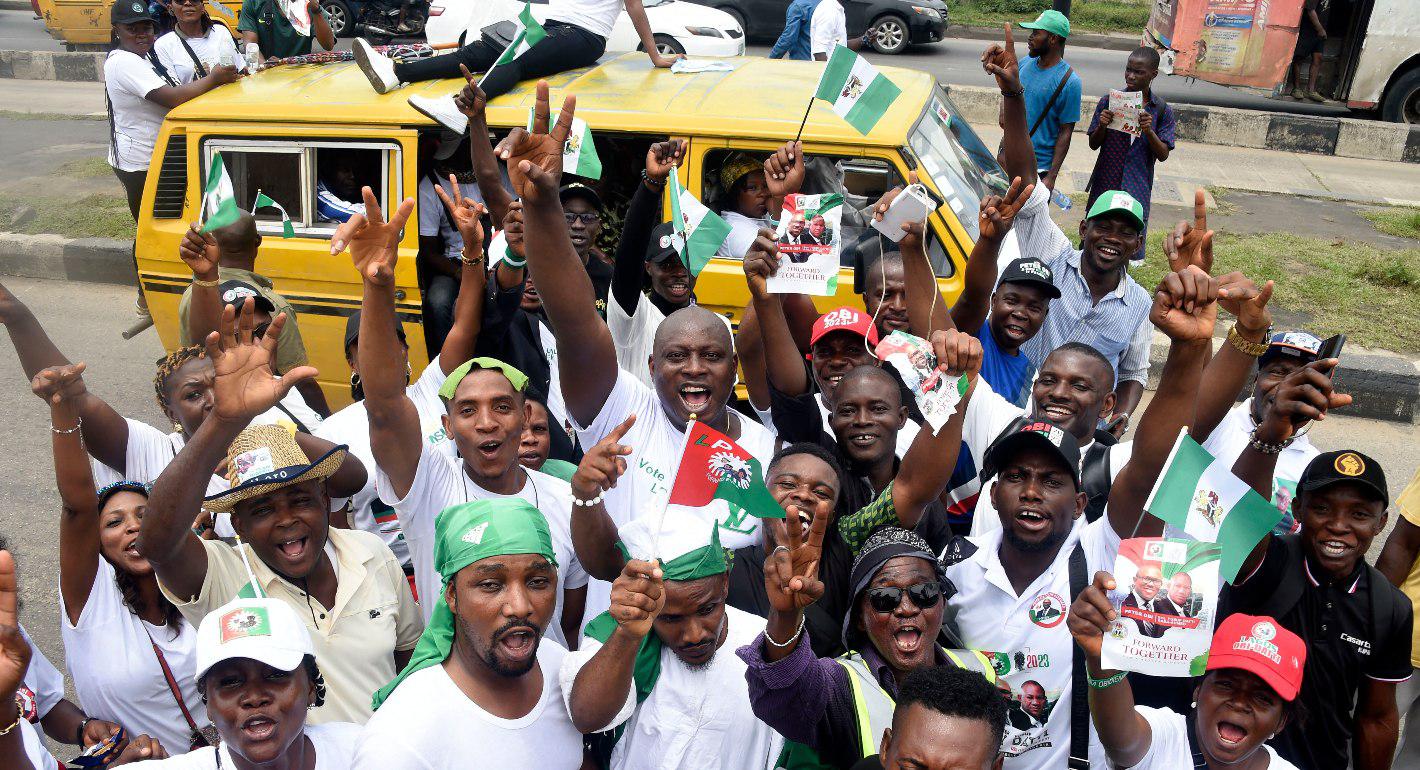
Countries around the world are struggling to bridge the gap between citizens and political elites. Innovative practices outside the West, while far from ideal, should be considered in debates about democratic renewal in Europe.


Richard Youngs, Ken Godfrey
Dissatisfaction with globalization has turned into a powerful force, with unchecked globalism increasingly seen as a threat to the integrity of democratic rule. Policymakers must reframe globalization to mitigate its negative consequences while keeping its core growth-enhancing dynamics intact.

Sinan Ülgen