

Report
- +2
George Perkovich, Jessica Tuchman Mathews, Joseph Cirincione, …
{
  "authors": [
    "Jon Wolfsthal"
  ],
  "type": "legacyinthemedia",
  "centerAffiliationAll": "dc",
  "centers": [
    "Carnegie Endowment for International Peace"
  ],
  "collections": [
    "Korean Peninsula"
  ],
  "englishNewsletterAll": "ctw",
  "nonEnglishNewsletterAll": "",
  "primaryCenter": "Carnegie Endowment for International Peace",
  "programAffiliation": "NPP",
  "programs": [
    "Nuclear Policy"
  ],
  "projects": [],
  "regions": [
    "Iraq",
    "South Korea"
  ],
  "topics": [
    "Nuclear Energy"
  ]
}
REQUIRED IMAGE
Source: Carnegie
Polls show Americans continue to think the Iraq war, overall, was justified, even if weapons of mass destruction (WMD) - the public rationale for the war - have not been found.
But this doesn't mean that the intelligence failure in Iraq - not just by the US, but by Britain, France, Israel, and others - is without a price. The costs to US international credibility are high and are being felt in other parts of the world, most of all with regard to North Korea.
Seeds of doubt sown in Iraq over US intelligence now have countries in East Asia, including close US allies, openly doubting US intelligence about North Korea's nuclear program. These doubts may enable North Korea to divide the US from its allies in the region and reduce the chances for a peaceful termination of North Korea's nuclear weapons ambitions.
In 1994, North Korea promised the US to freeze its plutonium production under international verification in exchange for the construction of two modern nuclear reactors and energy assistance. But in the summer of 2002, US intelligence determined that North Korea had been secretly pursuing another program to enrich uranium for weapons in violation of its international obligations.
(A weapons program based on uranium is as dangerous as one based on plutonium, and harder to detect. The uranium route could also be expanded more quickly than the plutonium program, making the long-term threat even greater if the uranium exists and continues. Both programs must be eliminated to ensure the peninsula remains free of nuclear weapons.)
When the Bush administration confronted North Korean officials on the uranium program during bilateral talks in October 2002, North Korea reportedly confirmed its existence.
But, since then, North Korea has denied the existence of the highly enriched uranium (HEU) program and attributed its perceived confirmation to a translation error. These denials were also made to a private group of US citizens that has just returned from North Korea.
But US officials steadfastly maintain that their evidence leaves no doubt about the existence of the program. US intelligence agencies estimate that North Korea might be able to produce a uranium-fueled nuclear weapon within two or three years.
Others are unconvinced. China, a key player in the six-party talks with North Korea, has now begun to express doubts about the US allegations that North Korea has an HEU program. Chinese Embassy spokesman Sun Weide says China doesn't know if North Korea has an HEU program. Now, quietly, South Korean officials are beginning to express the same doubts. Echoes of these doubts are being heard in Japan. Even if these countries have other reasons for differing with the US, the failure to find WMD in Iraq gives them an excuse to question the reliability of American intelligence. In turn, this makes holding a united front against North Korea more difficult for the Bush administration.
US failure to share the location of any HEU facilities in North Korea, and its apparent refusal to share evidence of the program with South Korea, compounds doubts.
If the US was wrong - or manipulated intelligence - in Iraq, how can it be completely trusted in North Korea?
No one is certain of North Korea's long-term objectives. It surely would be happy to normalize relations with the US while keeping a secret nuclear capability. The US, however, has every incentive to end the nuclear activities in North Korea and is wisely pushing Pyongyang to agree to eliminate the entire nuclear program under effective and intrusive verification.
But the question remains: Just what does North Korea's nuclear program include, and does a HEU program really exist? Growing doubts over US intelligence threaten a united front toward Pyongyang.
The question of North Korea's HEU program must be settled early in the six-party talks because the sides must define what will be covered in any agreement to freeze and/or dismantle Pyongyang's nuclear activities. Confusion on this issue makes progress in other areas next to impossible.
To ease concerns over US intelligence estimates, the US must be more open with South Korea, Japan, and even China about its intelligence on North Korea. While this carries the risk of North Korea learning more about what the US knows and how it collects intelligence, the risk of letting doubts linger may be greater. They may, in part, keep the six-party talks from even getting to the next stage of discussions and prevent the US and North Korea from agreeing on what a nuclear deal will or will not cover.
Also, the US should work to openly review and assess how it could have been so wrong in Iraq. Doing so poses little political risk for the president in a country where the majority seems willing to give the president the benefit of the doubt. It also offers significant benefits in terms of international credibility.
Is it possible the US got it wrong again? Unlikely, but possible, given the scope of its intelligence failure in Iraq. So it's not surprising that its conclusions about North Korea are in question. The US must put these doubts to rest as quickly as possible if any talks with the North Koreans are going to succeed.
Jon Wolfsthal is deputy director for nonproliferation at the Carnegie Endowment for International Peace.
Former Nonresident Scholar, Nuclear Policy Program
Jon Wolfsthal was a nonresident scholar with the Nuclear Policy Program.
Recent Work


George Perkovich, Jessica Tuchman Mathews, Joseph Cirincione, …
Jon Wolfsthal
Carnegie does not take institutional positions on public policy issues; the views represented herein are those of the author(s) and do not necessarily reflect the views of Carnegie, its staff, or its trustees.
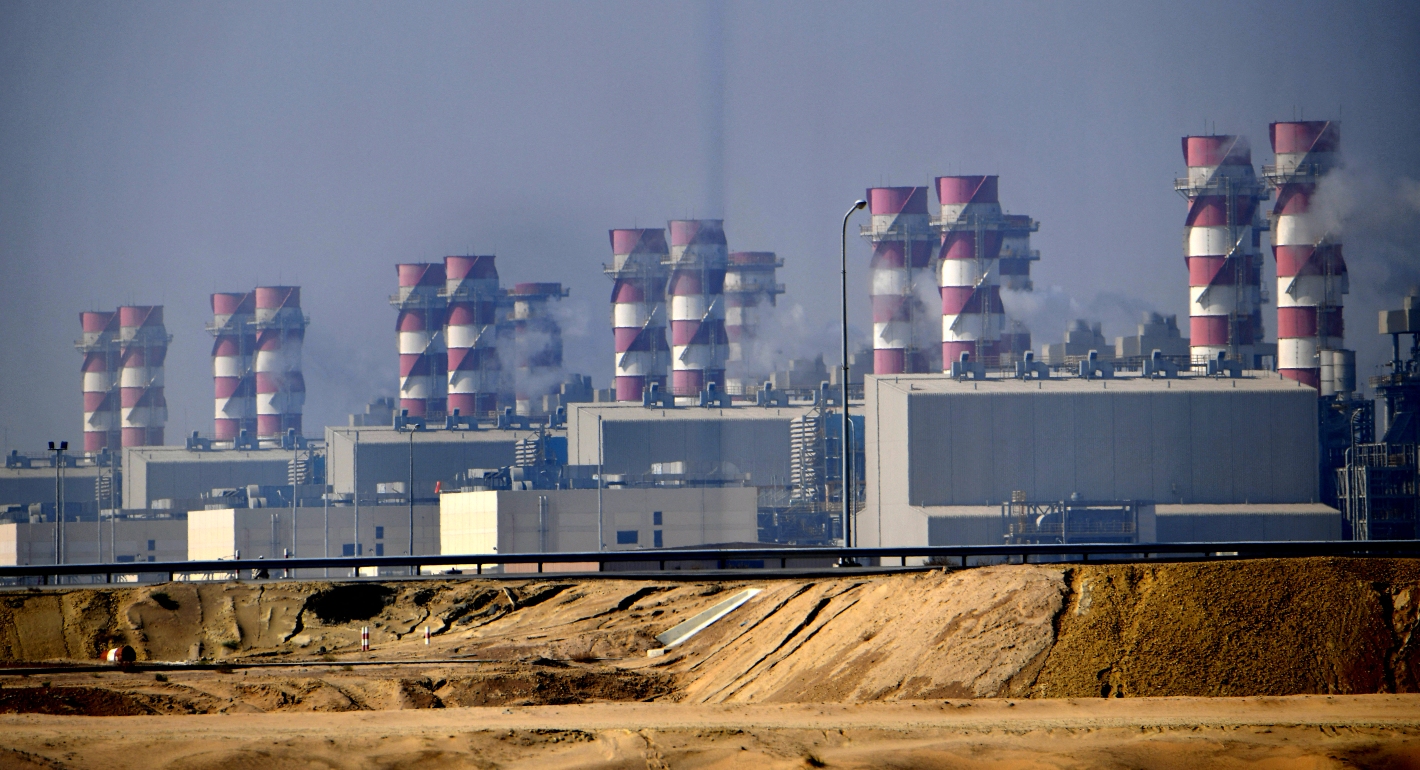
The U.S.-Iran war has crossed a dangerous threshold: water infrastructure in the Gulf is now a target. Ecological statecraft is no longer peripheral to security, it's part of its foundations.


Olivia Lazard, Ali Bin Shahid

Hard-line approaches to asylum policy are increasingly common, with crackdowns proposed even by parties that traditionally hold liberal views on migration. Does this shift represent a break with Europe’s fundamental values?

Thomas de Waal
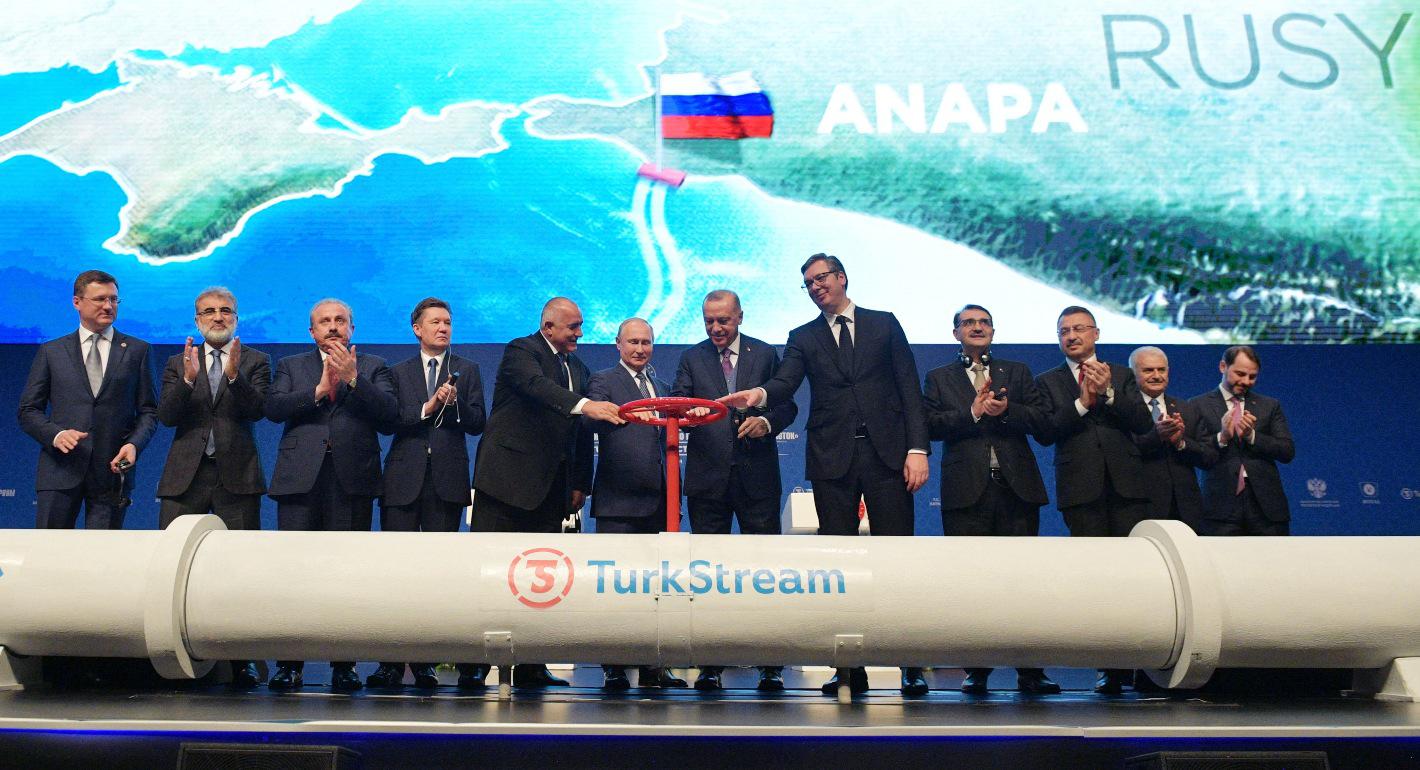
Turkey’s dependence on energy imports has an impact on the country’s economic and geopolitical orientation. Turkish leaders should devise energy policies that respond to domestic priorities, regional ambitions, and the challenges posed by climate change.
Francesco Siccardi
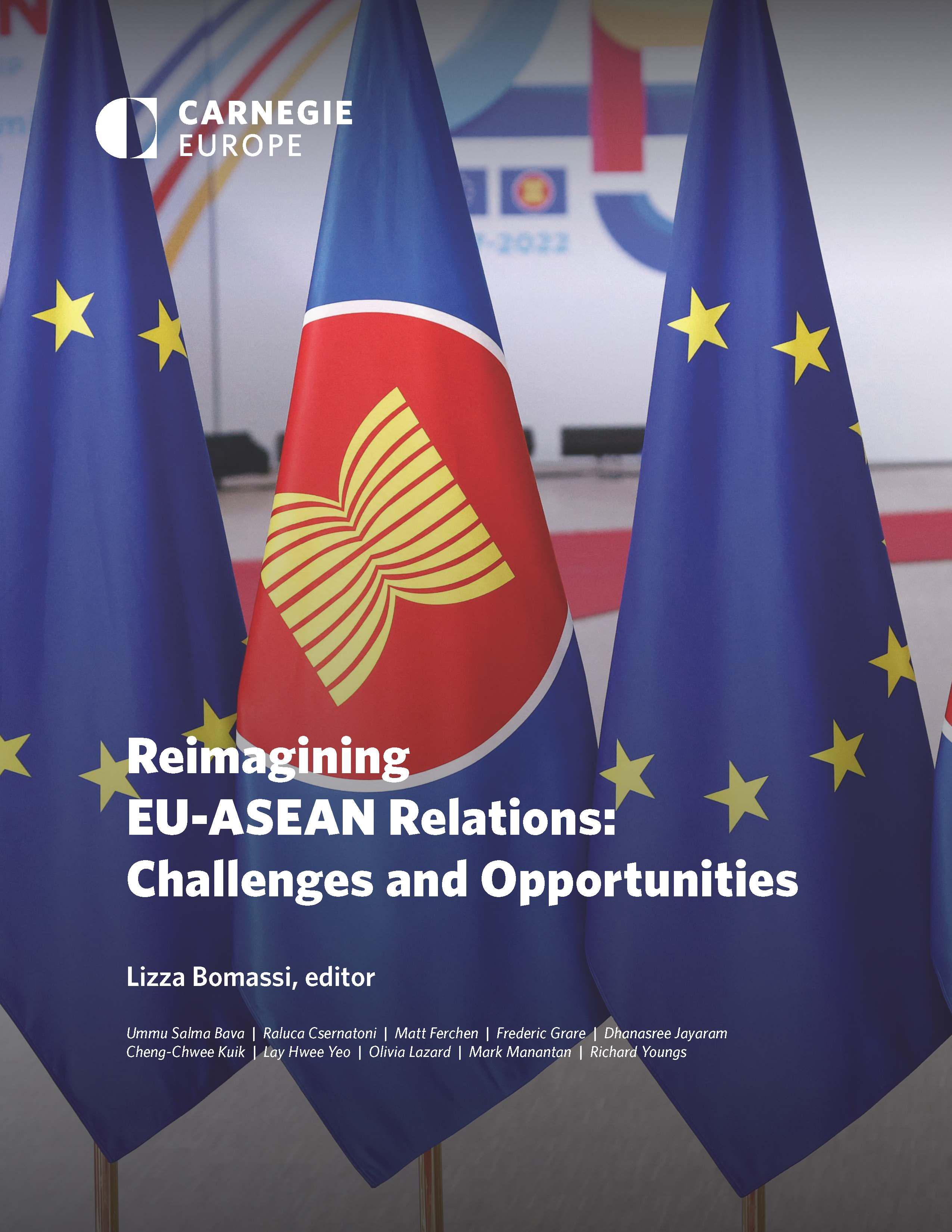
The EU and ASEAN have diverging priorities in climate, security, technology, trade, and democracy. Stronger cooperation in these fields would enable the two blocs to tackle shared challenges and pursue common interests.

Lizza Bomassi
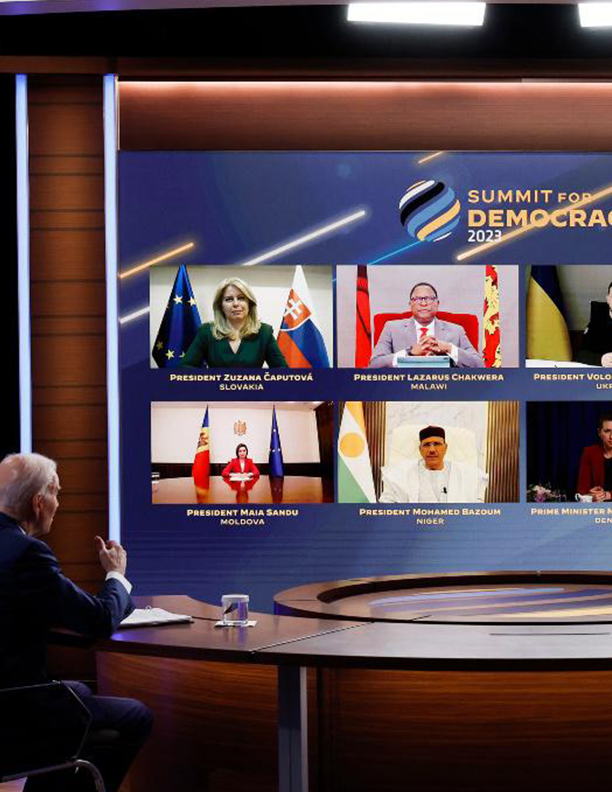
Leaders agreed that the Summit for Democracy process will continue to improve coordination among democracies. If the EU is to prove its credibility and effectiveness, concrete actions are needed in the months ahead.



Richard Youngs, Ken Godfrey, Thomas Carothers, …