

Article
Amr Hamzawy, Kathryn Selfe
{
  "authors": [
    "Amr Hamzawy"
  ],
  "type": "other",
  "centerAffiliationAll": "dc",
  "centers": [
    "Carnegie Endowment for International Peace"
  ],
  "collections": [],
  "englishNewsletterAll": "democracy",
  "nonEnglishNewsletterAll": "",
  "primaryCenter": "Carnegie Endowment for International Peace",
  "programAffiliation": "DCG",
  "programs": [
    "Democracy, Conflict, and Governance",
    "Middle East"
  ],
  "projects": [],
  "regions": [
    "Egypt"
  ],
  "topics": [
    "Political Reform"
  ]
}
REQUIRED IMAGE
Recent events in Egypt are again proving that far from championing democratic reforms, the Egyptian government continues to consolidate its own power. The January 29, 2005, arrest of Ayman Nour, a member of the Egyptian People’s Assembly and leader of the newly legalized liberal political party, Al Ghad (Tomorrow), serves as yet another example of Egypt’s persistent semiauthoritarianism.
Recent events in Egypt are again proving that far from championing democratic reforms, the Egyptian government continues to consolidate its own power. The January 29, 2005, arrest of Ayman Nour, a member of the Egyptian People’s Assembly and leader of the newly legalized liberal political party, Al Ghad (Tomorrow), serves as yet another example of Egypt’s persistent semiauthoritarianism.
Click on the link above for the full text of this Policy Outlook.
About the Author
Amr Hamzawy is a senior associate at the Carnegie Endowment, and a noted Egyptian
political scientist who previously taught at Cairo University and the Free University of Berlin. His research interests include the changing dynamics of political participation and the prospects of democratic transformation in the Arab world, with special attention both to Egypt and the Gulf countries.

Director, Middle East Program
Amr Hamzawy is a senior fellow and the director of the Carnegie Middle East Program. His research and writings focus on Egypt’s and other middle powers’ involvement in regional security in the Middle East, particularly through collective diplomacy and multilateral conflict resolution
Recent Work
Amr Hamzawy, Kathryn Selfe
Amr Hamzawy
Carnegie does not take institutional positions on public policy issues; the views represented herein are those of the author(s) and do not necessarily reflect the views of Carnegie, its staff, or its trustees.

As the EU confronts profound challenges, several leaders have called for fundamental reform to the union’s model—but only modest, superficial changes have resulted. What if Europe really could be reimagined from zero today: What should such a redesigned European order look like?

Richard Youngs, ed.
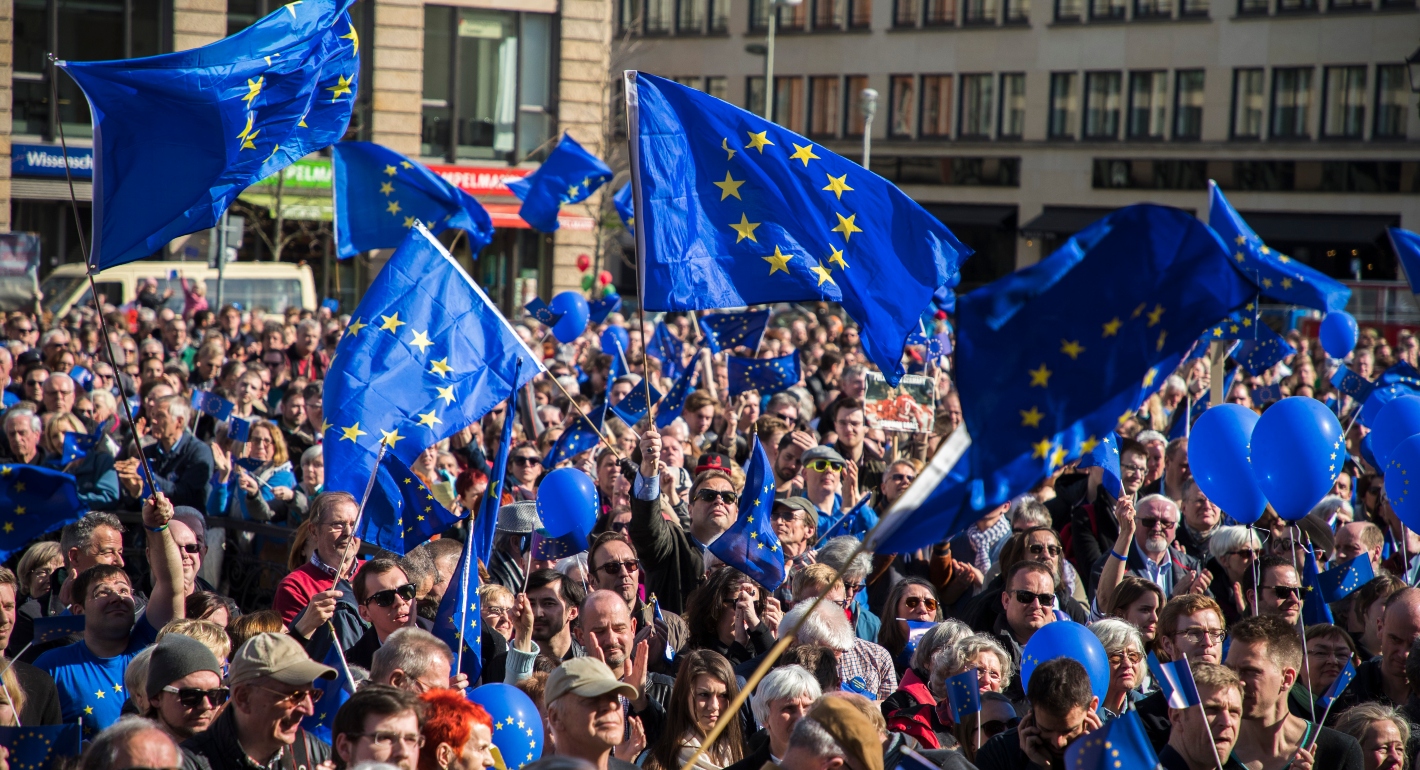
Preparing candidate countries for EU membership is no longer enough. As the enlargement process becomes a reality, the union must also prepare its own societies.

Iliriana Gjoni
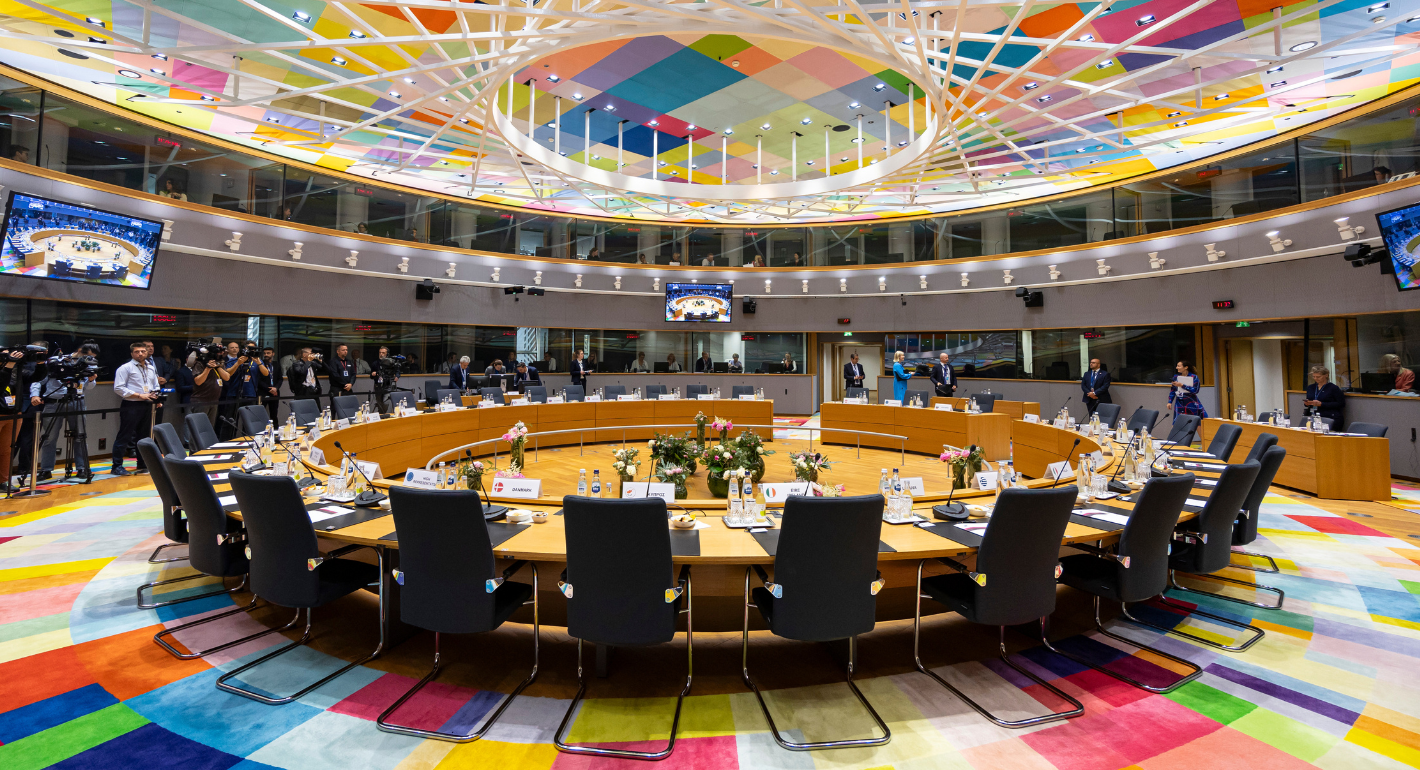
Countries face several hurdles in joining the EU, including the final stage of ratifying their accession treaties. Procedural reforms and substantive adjustments could help move the process forward.

Stefan Lehne
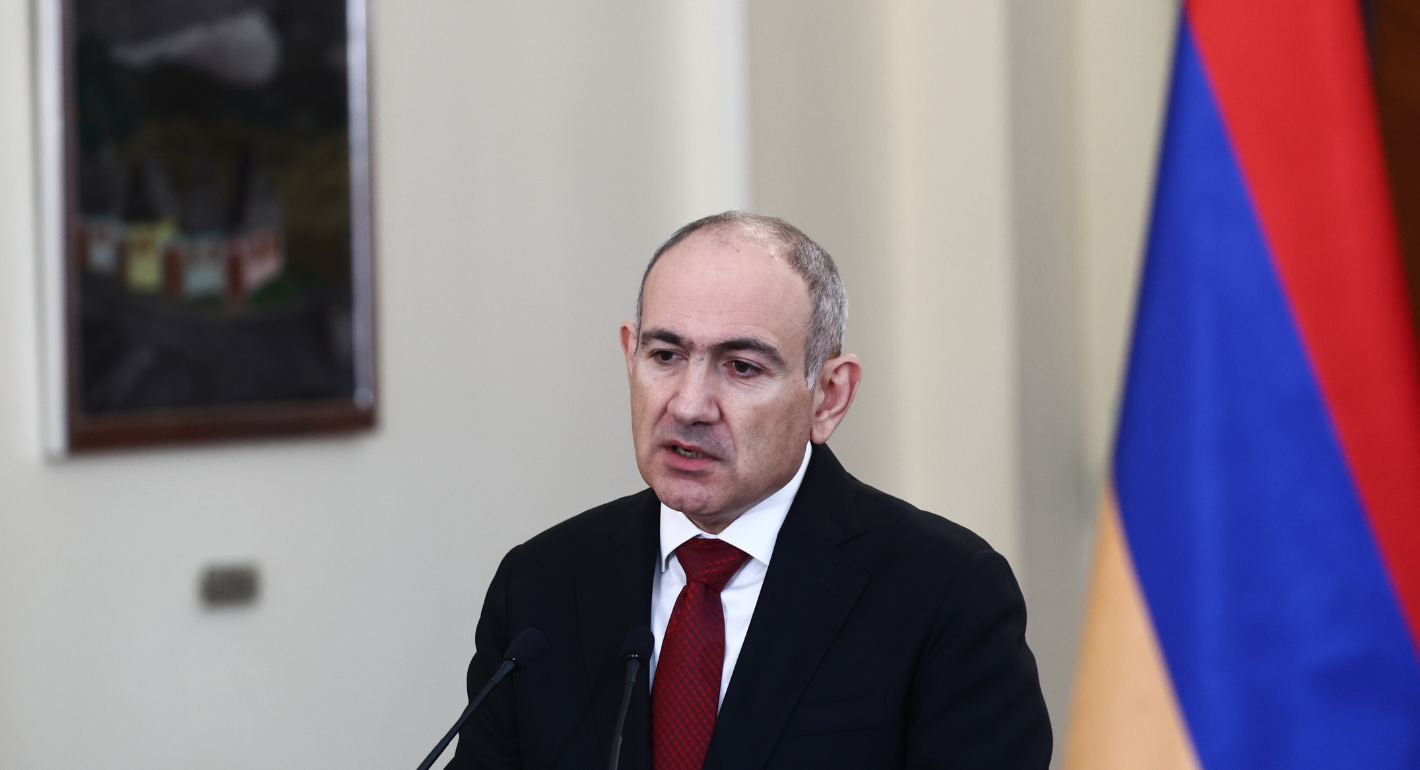
Europe has an interest in supporting Armenian leader Nikol Pashinyan as he tries to make peace with neighbors and loosen ties with Russia. But it is depersonalized support in the long term, not quickfire flash, that will win the day.

Thomas de Waal
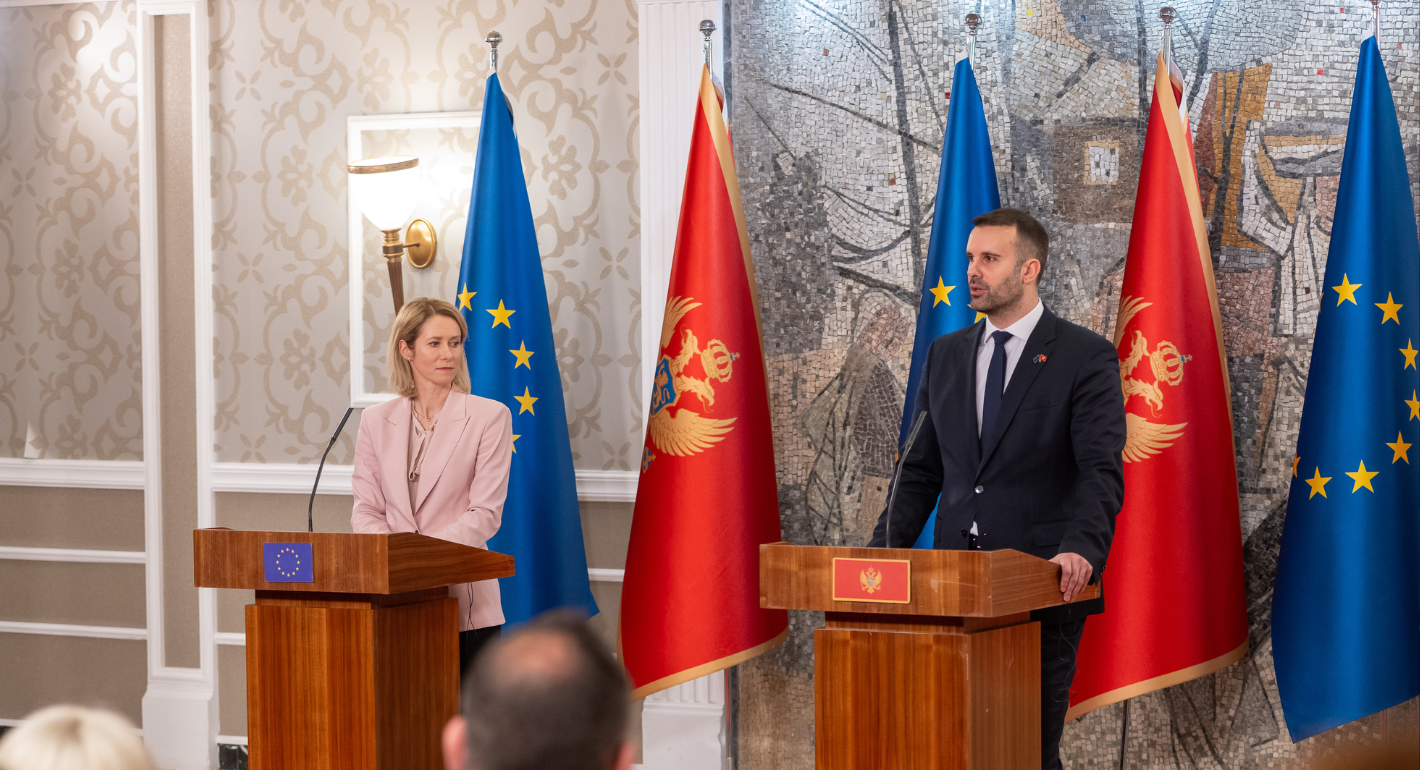
Montenegro and Albania are frontrunners for EU enlargement in the Western Balkans, but they can’t just sit back and wait. To meet their 2030 accession ambitions, they must make a strong positive case.

Dimitar Bechev, Iliriana Gjoni