

Commentary
European reactions to the war in Iran have lost sight of wider political dynamics. The EU must position itself for the next phase of the crisis without giving up on its principles.
Richard Youngs
{
  "authors": [],
  "type": "pressRelease",
  "centerAffiliationAll": "dc",
  "centers": [
    "Carnegie Endowment for International Peace"
  ],
  "collections": [],
  "englishNewsletterAll": "menaTransitions",
  "nonEnglishNewsletterAll": "",
  "primaryCenter": "Carnegie Endowment for International Peace",
  "programAffiliation": "MEP",
  "programs": [
    "Middle East"
  ],
  "projects": [],
  "regions": [
    "Middle East"
  ],
  "topics": [
    "Political Reform",
    "Democracy"
  ]
}
REQUIRED IMAGE
For Immediate Release: June 22, 2006
Contact: Jennifer Linker, 202/939-2372, jlinker@CarnegieEndowment.org
Kuwaitis will go to the polls on June 29, 2006 to determine only one matter: who will represent them in the country’s 50-member parliament. While weak by global standards, Kuwait’s parliament is the most powerful elected body on the Arabian peninsula and one of the strongest in the region. The elections have drawn little international attention, yet the poll could have deep implications for the future of the Arabian peninsula’s most democratic political system. Senior Associate Nathan Brown and Junior Fellow Dina Bishara of Carnegie’s Middle East Program elucidate the important factors in Kuwait’s elections in a new web-only commentary, Kuwaitis Vote for a New Parliament...And Maybe a New Electoral System.
Brown and Bishara argue that while this year’s voting may seem routine—other than two interruptions, Kuwait has had regular parliamentary elections since independence—the 2006 parliamentary elections have two striking features.
• First, they are occasioned by an intense controversy over the size of electoral districts—a technical matter with significant implications for Kuwaiti political life.
• Second, in this dispute, liberals and Islamists are very much on the same side—a rare alliance in the region, and unusual even in Kuwait.
The authors examine these two anomalies and how the dispute over the size of electoral districts and suspicions about the government’s commitment to political reform led Kuwait’s emboldened opposition to take measures that led to the dissolution of parliament and the holding of early elections.
An uneasy alliance between liberal and Islamists will attempt to redress what they regard as the single most important impediment to political reform in Kuwait. Long on the agenda of the Kuwaiti opposition, electoral reform is seen as the gateway to a serious political reform process and the prerequisite for the institution of a formal party system.
For more resources, please go to www.CarnegieEndowment.org/MiddleEast.
Nathan Brown is a senior associate in the Middle East Program at the Carnegie Endowment, and co-author of the Carnegie Paper Islamist Movements and the Democratic Process in the Arab World: Exploring Gray Zones. Dina Bishara is a junior fellow in Carnegie’s Middle East Program.
If you have received this release in error, please send a message to info@CarnegieEndowment.org
###
Carnegie does not take institutional positions on public policy issues; the views represented herein are those of the author(s) and do not necessarily reflect the views of Carnegie, its staff, or its trustees.
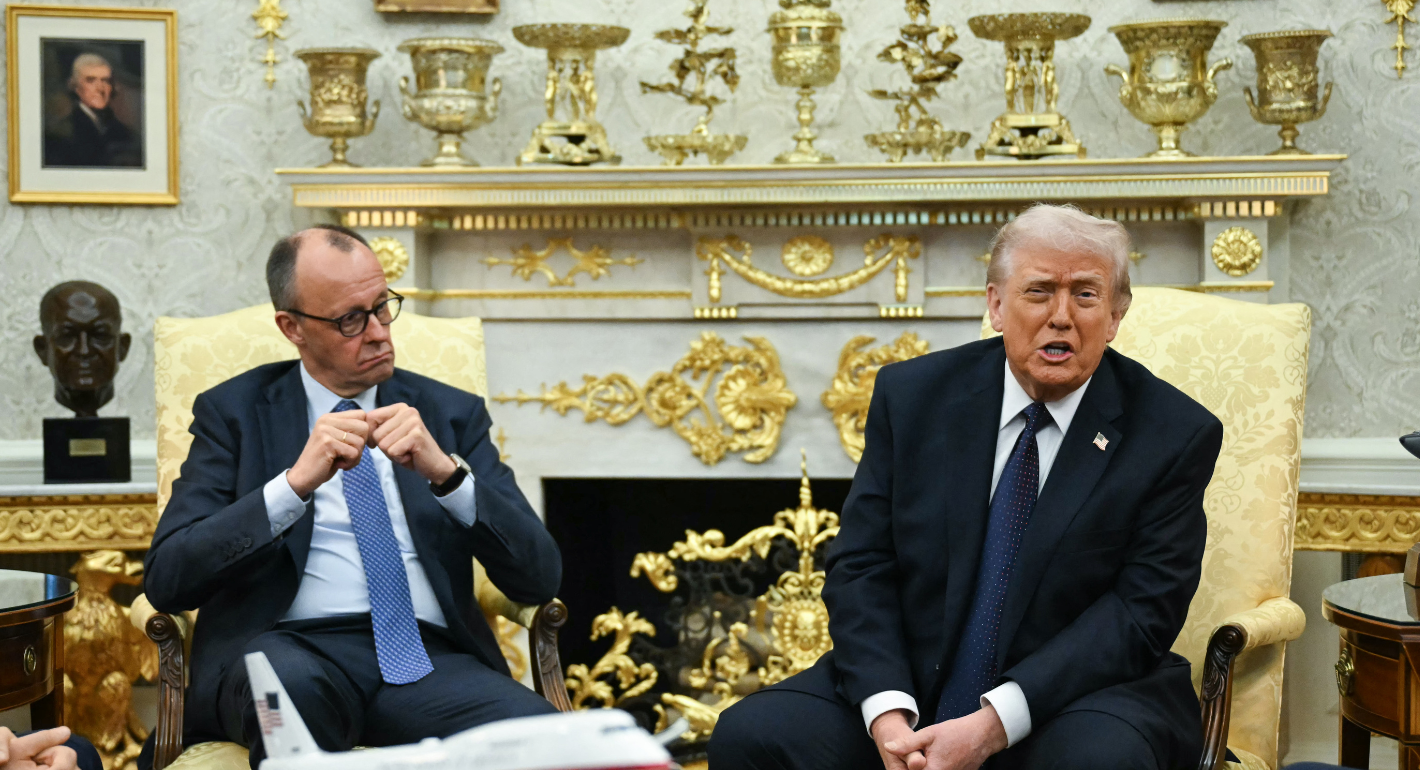
European reactions to the war in Iran have lost sight of wider political dynamics. The EU must position itself for the next phase of the crisis without giving up on its principles.

Richard Youngs
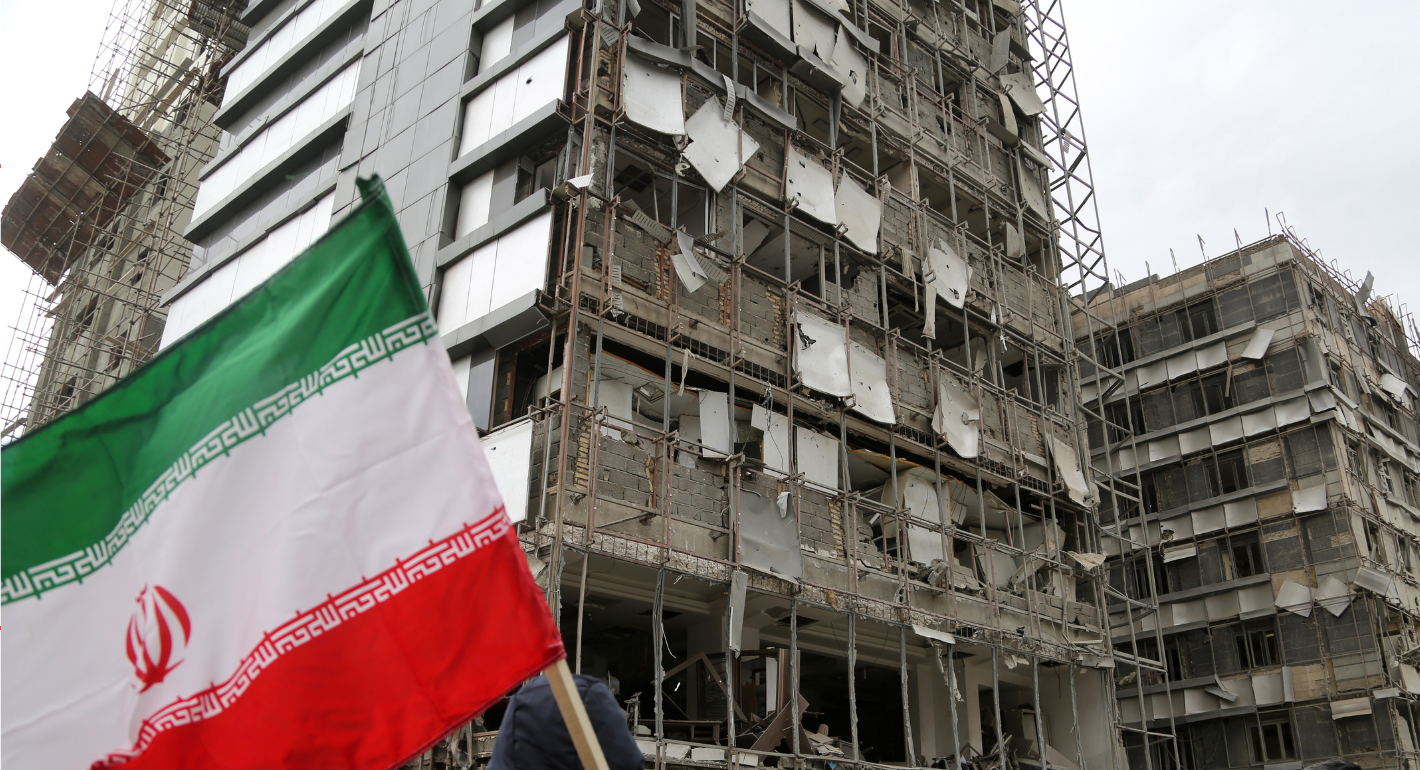
Europe’s reaction to the war in Iran has been disunited and meek, a far cry from its previously leading role in diplomacy with Tehran. To avoid being condemned to the sidelines while escalation continues, Brussels needs to stand up for international law.

Pierre Vimont

New thinking is needed on how global civil society can be protected. In an era of major-power rivalry, competitive geopolitics, and security primacy, civil society is in danger of getting squeezed – in some countries, almost entirely out of existence.

Richard Youngs, ed., Elene Panchulidze, ed.
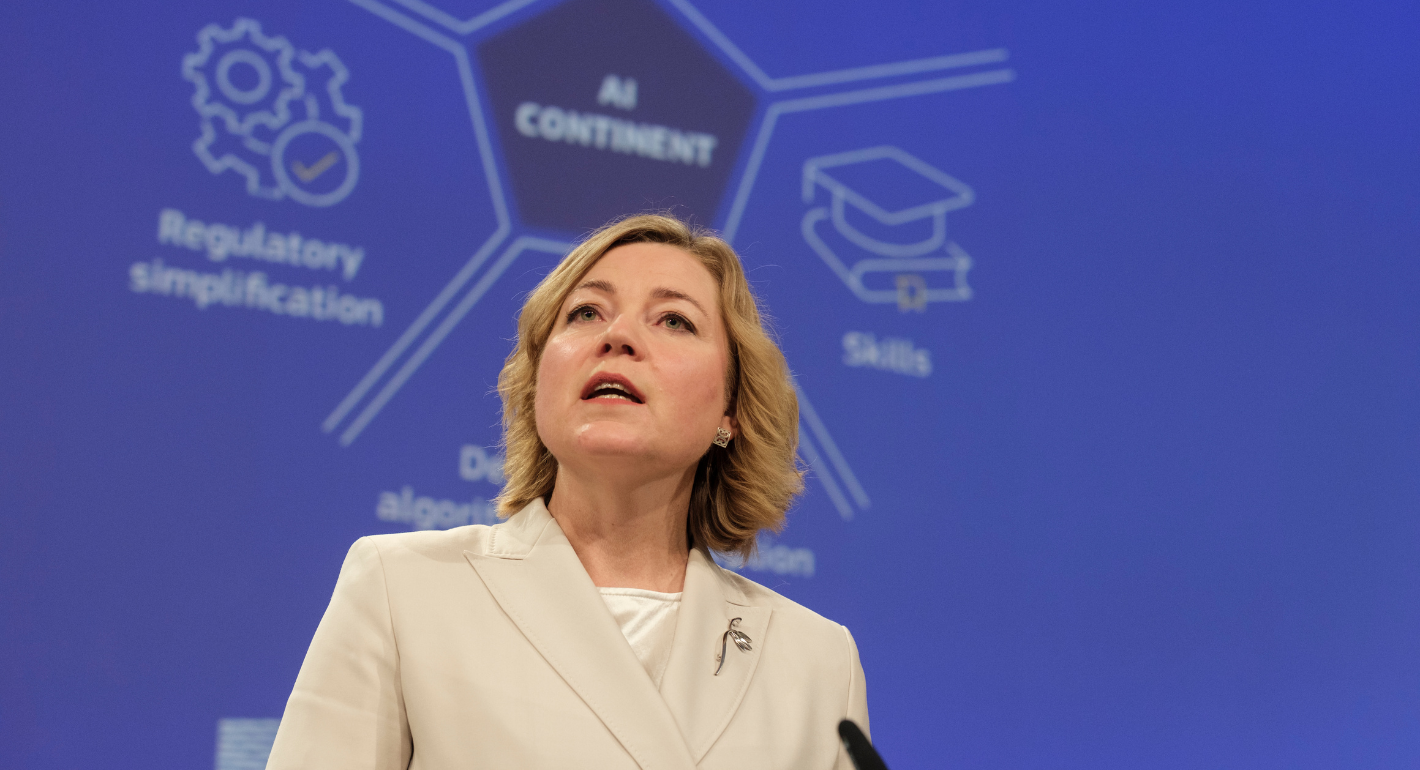
Integrating AI into the workplace will increase job insecurity, fundamentally reshaping labor markets. To anticipate and manage this transition, the EU must build public trust, provide training infrastructures, and establish social protections.

Amanda Coakley
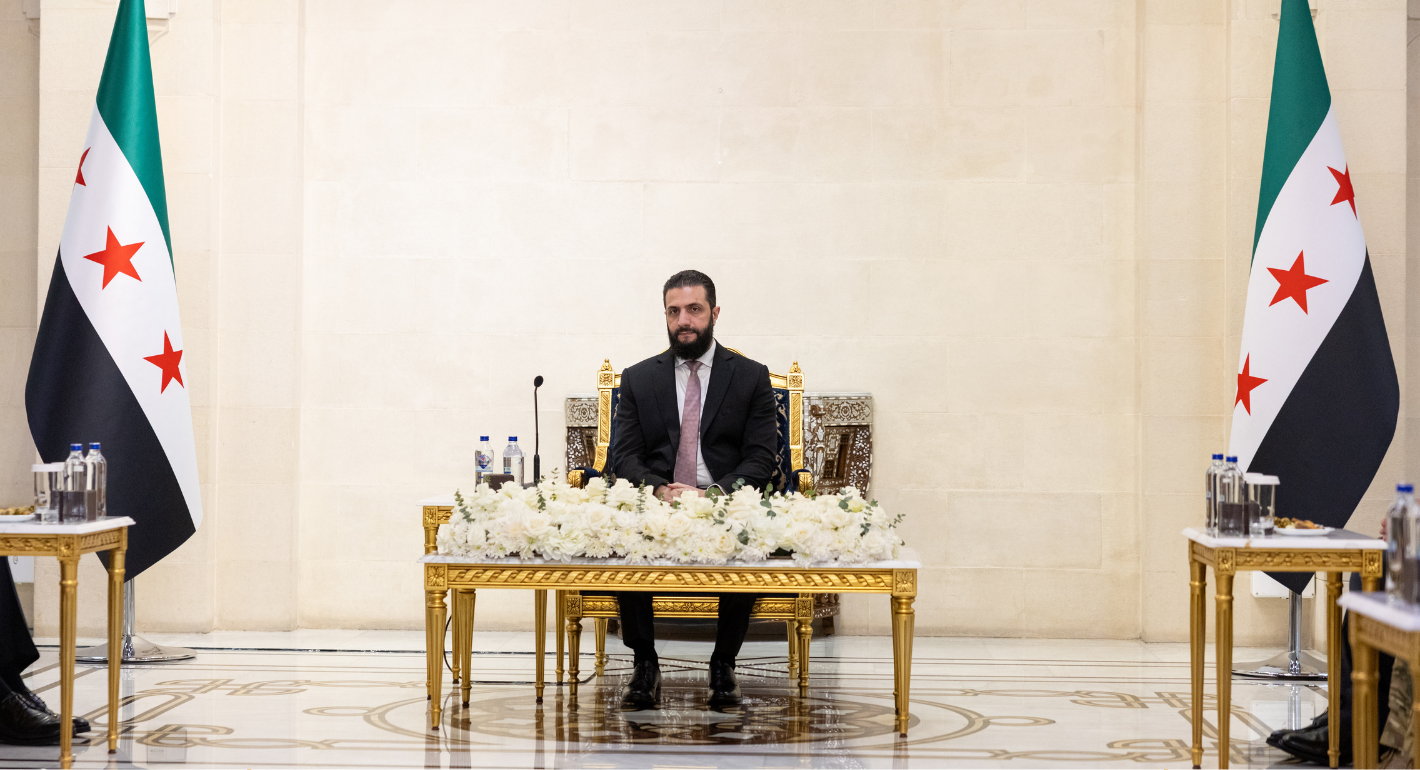
Europe’s interests in Syria extend beyond migration management, yet the EU trails behind other players in the country’s post-Assad reconstruction. To boost its influence in Damascus, the union must upgrade its commitment to ensuring regional stability.

Bianka Speidl, Hanga Horváth-Sántha