

In The Media
Josh Kurlantzick
{
  "authors": [
    "Josh Kurlantzick"
  ],
  "type": "legacyinthemedia",
  "centerAffiliationAll": "dc",
  "centers": [
    "Carnegie Endowment for International Peace"
  ],
  "collections": [],
  "englishNewsletterAll": "asia",
  "nonEnglishNewsletterAll": "",
  "primaryCenter": "Carnegie Endowment for International Peace",
  "programAffiliation": "AP",
  "programs": [
    "Asia"
  ],
  "projects": [],
  "regions": [
    "Southern, Eastern, and Western Africa",
    "China"
  ],
  "topics": [
    "Economy",
    "Trade",
    "Military"
  ]
}
Source: Getty
Though some African liberals and Western countries criticize China’s approach to Africa, the continent also could present an opportunity for Washington and Beijing to cooperate. The United States and China have many overlapping interests in Africa, including preventing failed states, assuring a steady supply of oil and gas, and fighting disease.
Source: The American Prospect (online edition)

Just the fact that China, which a decade ago had little relationship with Africa, could attract nearly all the continent’s most important leaders shows how rapidly Beijing has become a force in international affairs. But there’s much more. Ten years ago, China offered roughly $100 million in aid to the continent; today it offers some $2.7 billion in grants and loans, putting it in competition with other major donors to Africa like the United States and Japan. At the summit, China also offered a $5 billion fund designed to lure Chinese companies to invest in Africa, and China soon probably will become the biggest lender in Africa, surpassing the World Bank.
Most importantly, China’s unyielding demand for resources has driven trade between China and the continent, which is now doubling nearly every year. And since China’s industries do not overlap with many African countries -- Nigeria’s exports, for example, only overlap with two percent of China’s -- Africa faces less direct competition from Chinese products.
In some ways, China’s new embrace has provided a lifeline to Africa. In the 1960s and early 1970s, when commodity prices were high, Western nations plowed money into Africa, seeking oil, gold, copper, gas, and other resources. At that time, few African nations used the money to invest in infrastructure or build strong education systems and other institutions. When commodity prices collapsed, their economies tanked.
China’s overwhelming demand for resources may allow commodity-dependent African countries another shot. Indeed, the continent’s economy grew by over five percent last year. Angola has become China’s largest foreign oil supplier, while Zambia has revived its copper industry -- and its entire economy -- in order to supply China. Cheaper Chinese products are attractive to low-income consumers on the continent, and Chinese infrastructure companies are reviving Africa’s roads and rails.
Unlike in the 1960s, when Beijing backed leftist African liberation movements, these days China’s ties to Africa are based on commerce rather than ideology. (China emphasizes, as a key foreign policy principle, non-interference in other nations’ internal affairs.) “China has offered Africa a new model that focuses on straight commercial relations and fair market prices without the ideological agenda,” Moeletsi Mbeki, a South African businessman and political analyst, told The New York Times. “They are not the first big foreign power to come to Africa, but they may be the first not to act as though they are some kind of patron or teacher or conqueror.”
Chinese officials seem convinced that they are winning over African leaders and publics. “Chinese investment in Africa has promoted economic growth, increased job opportunities … and improved living standards,” China’s deputy commerce minister told reporters. “It has greatly benefited the local people and is very popular among them.”
Well, not always. Across Africa, some citizens have pushed back against China’s approach. In countries like Zambia and Zimbabwe, average citizens, and some politicians, have complained that Chinese investment and aid does little to improve African business, but merely winds up in the pockets of corrupt leaders. In Zambia, after a recent election in which the opposition candidate harshly criticized China, local citizens targeted Chinese-owned businesses. At the same time, development agencies like the World Bank have begun warning that Chinese loans to Africa could wind up indebting poor nations -- the same nations that just recently had their debts forgiven by Western countries in a $50 billion write-off plan.
Meanwhile, some African observers have suggested that when China does not join other nations in pressuring regimes to change their practices, its inaction actually amounts to interfering in domestic politics -- on behalf of abusive rulers, and in contravention of the wishes of average Africans. The respected African news site Afrique Centrale recently criticized China for inviting Sudanese dictator Omar Bashir to the Africa summit; Sudan is one of China’s largest oil suppliers, and China has refused to support tough measures against its government in response to the genocide in Darfur. At the summit, Bashir touted Sudan’s “exemplary” ties to China.
Still, though some African liberals and Western countries have started to criticize China’s approach to Africa, the continent also could present an opportunity for Washington and Beijing to cooperate. Unlike higher-stakes regions like Asia, where the potential for armed conflict is much higher, the United States and China have many overlapping interests in Africa, including preventing failed states, assuring a steady supply of oil and gas, and fighting disease. And in recent years, the White House has developed a strategy toward China in which it treats Beijing like a “responsible stakeholder” -- assuming that China is growing into a major power, and pushing it to take on the responsibilities commensurate to such power.
Africa, where China has already assumed a major role as a donor and investor, and where the United States and China have much in common, could provide the ultimate test of this concept. If China fails to become more responsible in Africa, or if the United States fails to support Beijing’s efforts to change, it’s hard to have hope that Beijing and Washington will see eye-to-eye anywhere else.
This article was originally published in the November 9, 2006 online version of The American Prospect.

Former Visiting Scholar, China Program
A special correspondent for The New Republic, a columnist for Time, and a senior correspondent for The American Prospect, Kurlantzick assesses China’s relationship with the developing world, including Southeast Asia, Africa, and Latin America.
Recent Work
Josh Kurlantzick
Carnegie does not take institutional positions on public policy issues; the views represented herein are those of the author(s) and do not necessarily reflect the views of Carnegie, its staff, or its trustees.

The hybrid warfare landscape is evolving rapidly, leaving policymakers without clear strategies. To better inform their work in addressing emerging challenges, governments must dig deeper into the underlying dynamics at play.


Raluca Csernatoni, Alicia Wanless
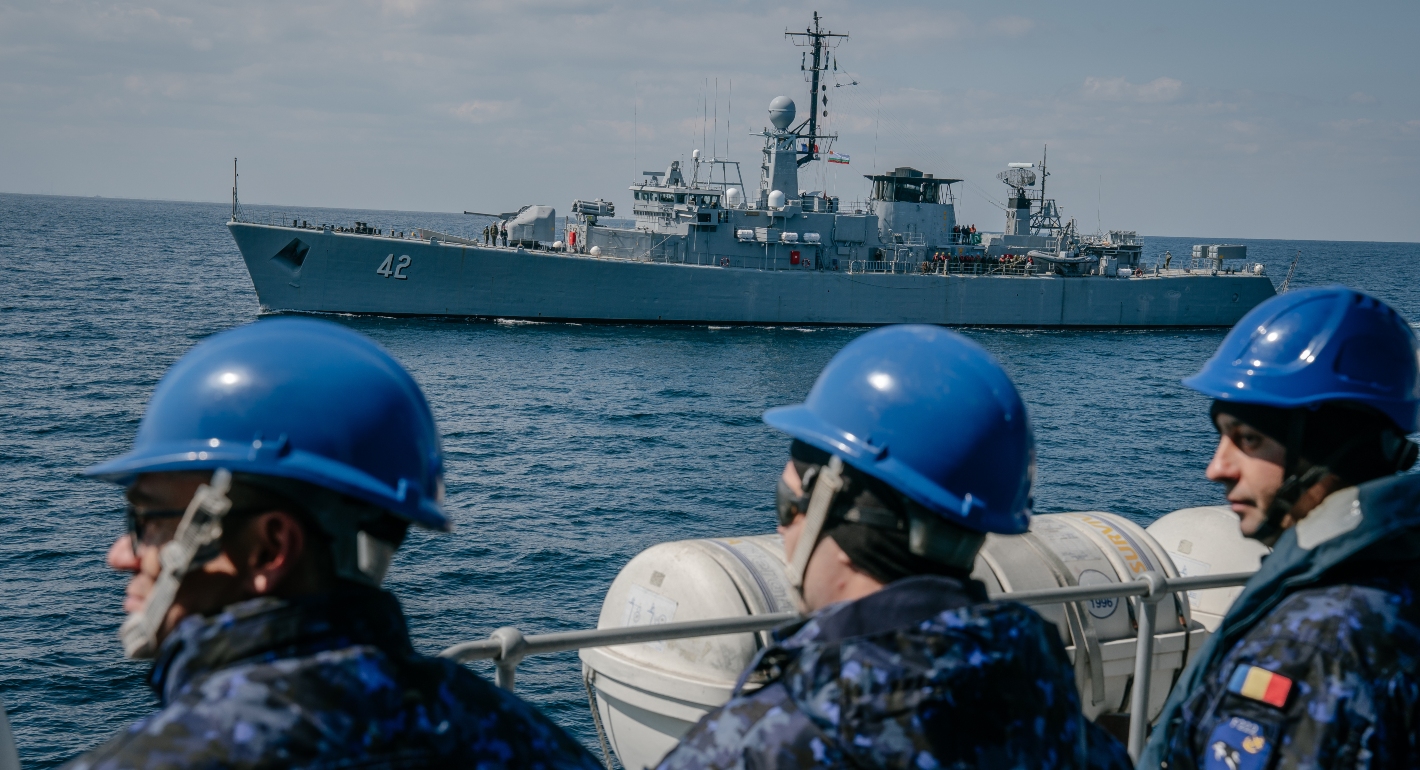
As Russia's war on Ukraine drags on, NATO is expanding its footprint in the Black Sea. Turkey, Romania, and Bulgaria are upgrading their fleets and deepening trilateral cooperation.

Dimitar Bechev
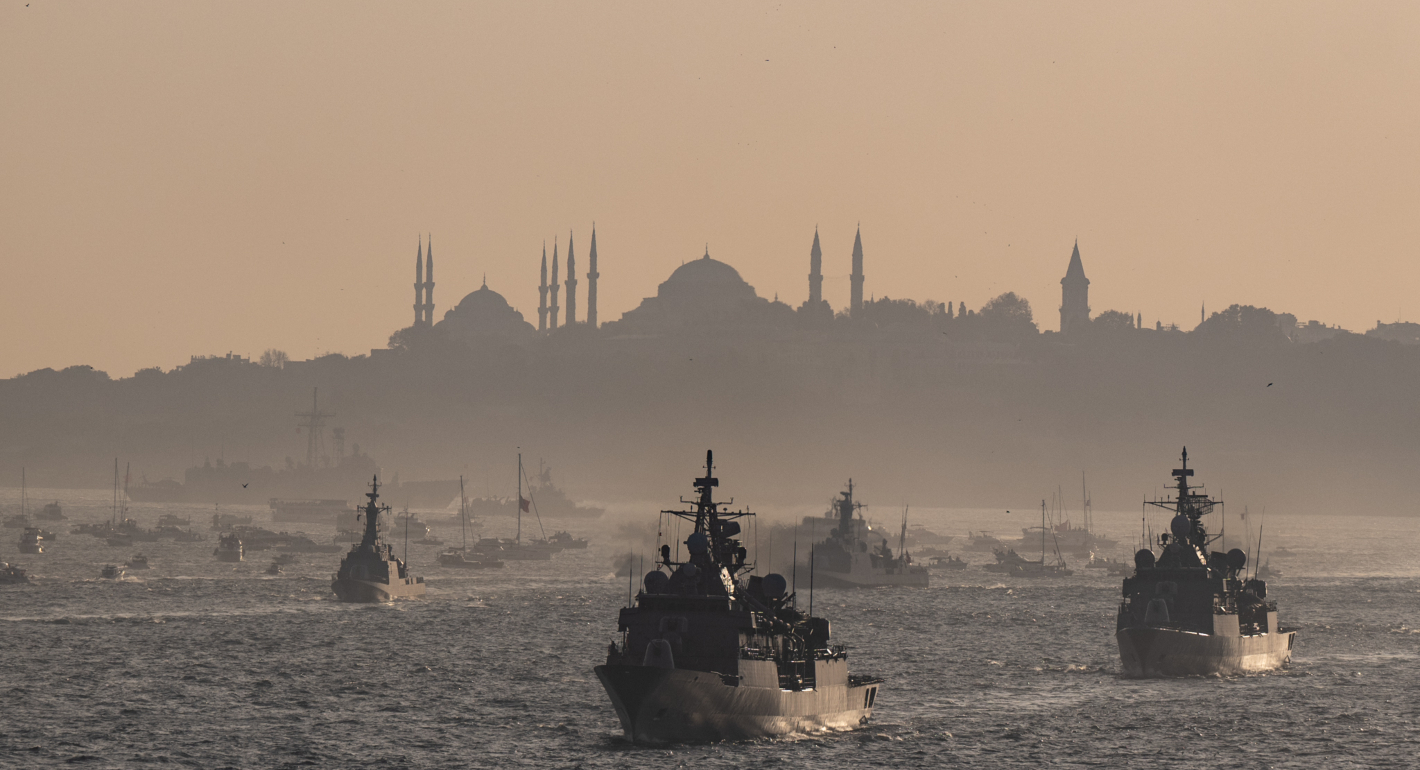
For ninety years, Turkey has been positioned as the principal gatekeeper of Black Sea security. As a result, European and NATO efforts to support Ukraine will require closer engagement with Ankara.

Thomas de Waal

Europe’s industrial supply chains leave it vulnerable to global shocks. The EU needs a pragmatic green industrial strategy that balances durable partnerships and bolsters homegrown clean tech without sacrificing low-carbon ambition.


Milo McBride, Pauline Gerard
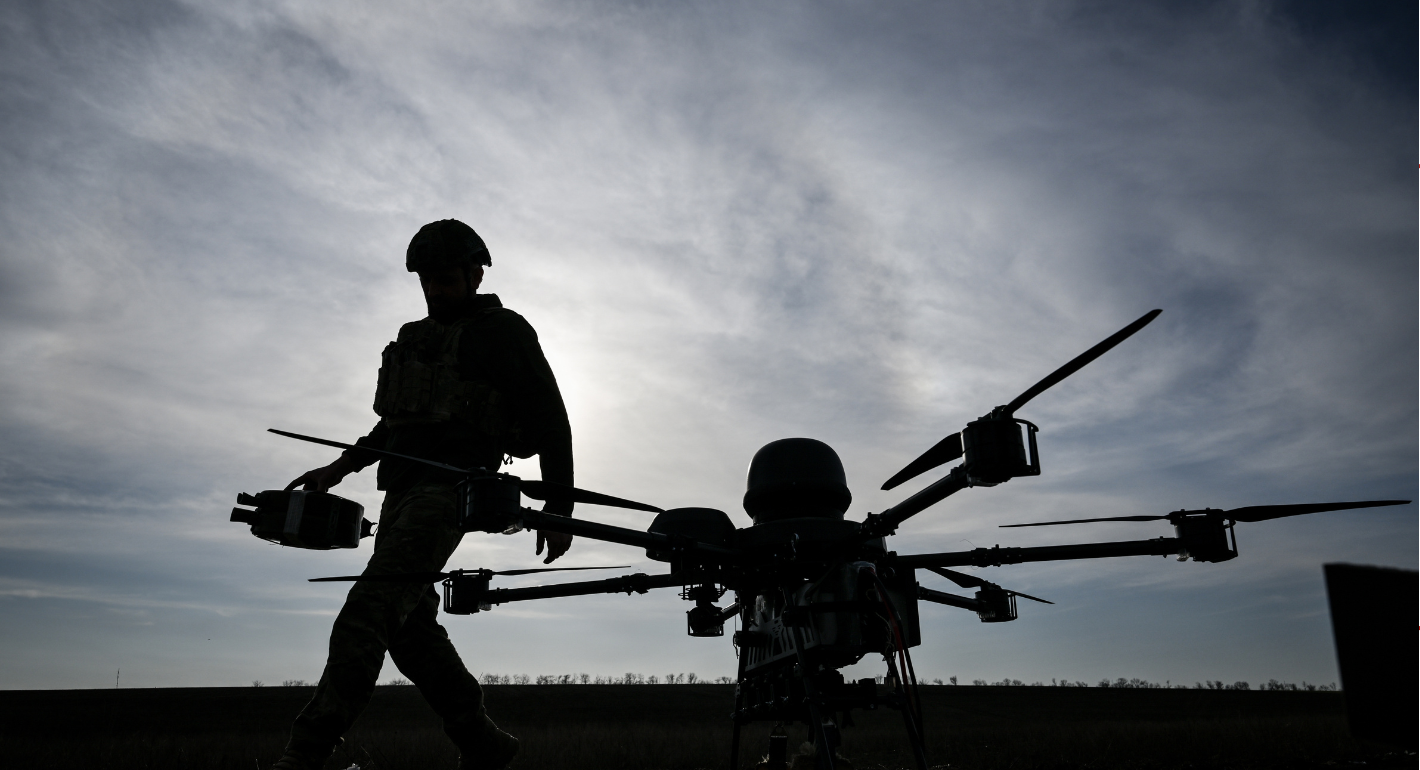
Defense tech innovations will be at the heart of Europe’s new security strategy. But so far, Brussels has been making moves without a broader plan, undermining readiness and credibility.
Raluca Csernatoni