

Commentary
The EU’s new migration policy is not suited to today’s realities. With climate change increasingly becoming a driver of displacement, Europe needs to rethink its deterrence-focused approach.
Shana Tabak
{
  "authors": [],
  "type": "pressRelease",
  "centerAffiliationAll": "dc",
  "centers": [
    "Carnegie Endowment for International Peace"
  ],
  "collections": [],
  "englishNewsletterAll": "menaTransitions",
  "nonEnglishNewsletterAll": "",
  "primaryCenter": "Carnegie Endowment for International Peace",
  "programAffiliation": "MEP",
  "programs": [
    "Middle East"
  ],
  "projects": [],
  "regions": [
    "Middle East",
    "Lebanon"
  ],
  "topics": []
}
REQUIRED IMAGE
Visiting Scholar Amal Saad-Ghorayeb provides an in-depth look into the mindset of Hizbollah’s leadership, including their priorities, justifications for continued armament, and animosity towards the U.S.
FOR IMMEDIATE RELEASE: January 17, 2007
United States Director of National Intelligence John Negroponte testified before Congress last week that an emboldened Hizbollah, backed by Syria and Iran and perceiving success in its war with Israel last summer, is a growing danger to the U.S. Hizbollah’s influence in Lebanon and the surrounding region continues to hold major implications for Middle East policy – yet how widely understood are Hizbollah’s political ambitions and strategies among global audiences?
In a new Carnegie Policy Outlook, In Their Own Words: Hizbollah’s Strategy in the Current Confrontation, Visiting Scholar Amal Saad-Ghorayeb provides an in-depth look into the mindset of Hizbollah’s leadership, including their priorities, justifications for continued armament, and animosity towards the U.S. Through unprecedented access to high-ranking Hizbollah officials, including Hizbollah’s Deputy Secretary General, Saad-Ghorayeb summarizes numerous interviews to provide a unique glimpse into this complex organization’s goals and tactics.
Hizbollah views the current political crisis as an extension of the July war, waged against it by the U.S. and Israel. "By challenging the Siniora government Hizbollah sees itself as confronting the U.S.-Israeli plan to disarm the Resistance and redraw the face of Lebanon and the region.Hizbollah is determined to fight this political battle with the same zeal and determination that it displayed in the military war with Israel. Put simply, Hizbollah feels that if it loses this political conflict, it loses not only its political power and the type of Lebanon that it envisages, but also its arms," writes Saad-Ghorayeb.
Perhaps the most revealing insight into Hizbollah revealed by the interviews is that the organization, despite its belligerence, is determined to ensure that the country does not plunge into civil war. Hizbollah considers national stability key to its mission of confronting Israel, and has encouraged its followers to refrain from being dragged into an internal conflict.
Notes:
1. To read this Carnegie Paper, go to: http://www.carnegieendowment.org/middleeast/
Direct link to PDF: http://www.carnegieendowment.org/files/saadghorayeb_hizbollah_final.pdf
2. Amal Saad-Ghorayeb is a visiting scholar in the Carnegie Middle East Center. A leading expert on Hizbollah, she has written extensively about Lebanon’s Shiites and Lebanese politics.
3. Press Contact: Trent Perrotto, 202/939-2372, tperrotto@CarnegieEndowment.org
4. The Carnegie Endowment for International Peace is a private, nonprofit organization dedicated to advancing cooperation between nations and promoting active international engagement by the United States. www.CarnegieEndowment.org
###
Carnegie does not take institutional positions on public policy issues; the views represented herein are those of the author(s) and do not necessarily reflect the views of Carnegie, its staff, or its trustees.
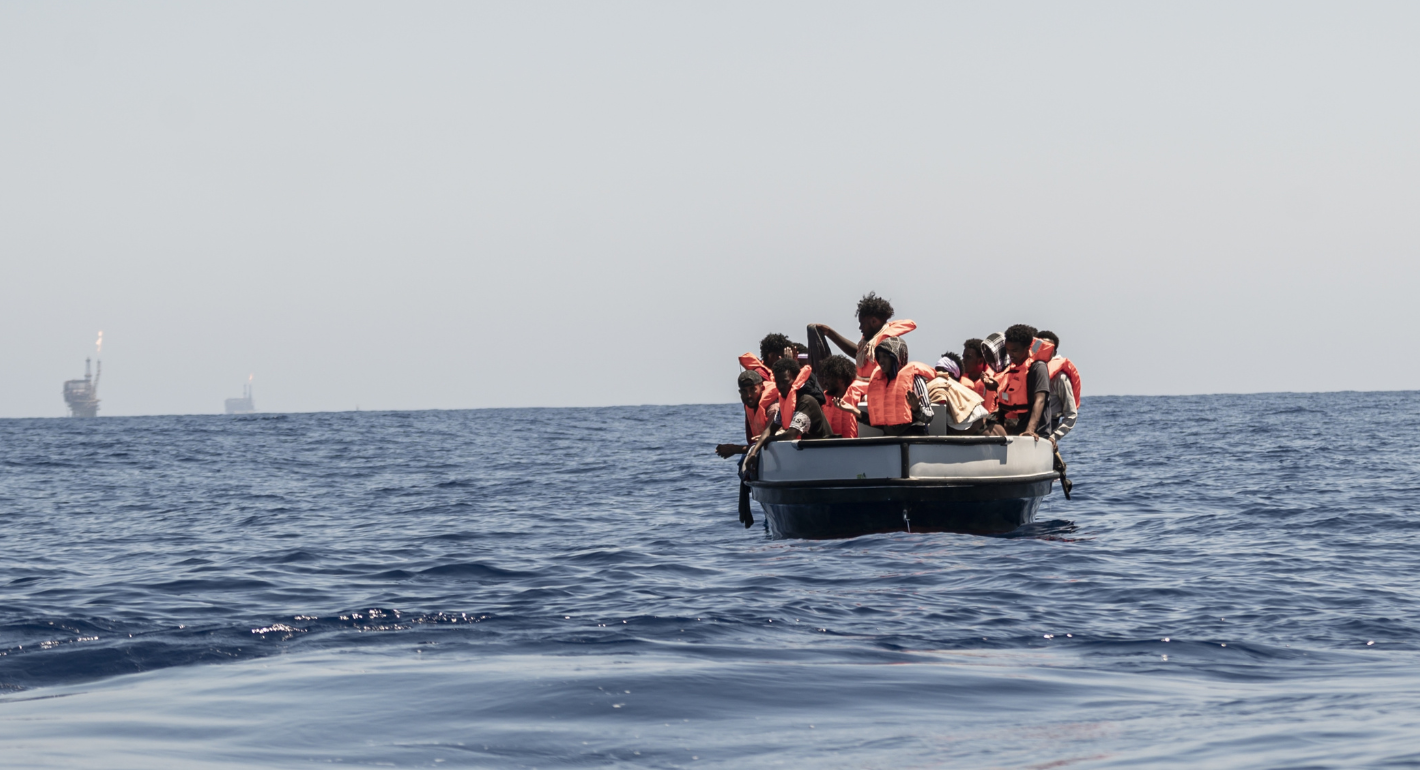
The EU’s new migration policy is not suited to today’s realities. With climate change increasingly becoming a driver of displacement, Europe needs to rethink its deterrence-focused approach.

Shana Tabak
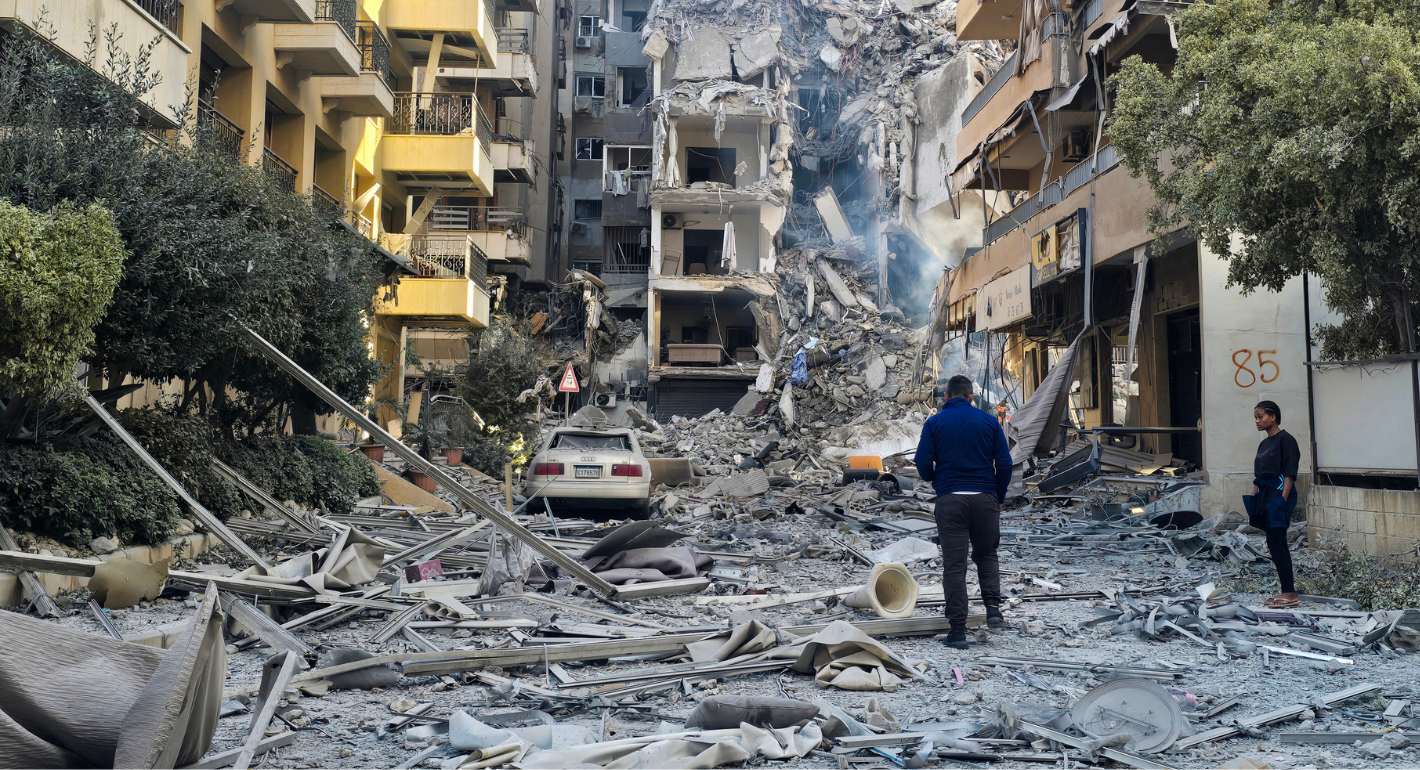
Europe seems to have accepted its sidelining in the Middle East. The EU must reassert its support for the international rules-based order and step up engagement.

Rym Momtaz
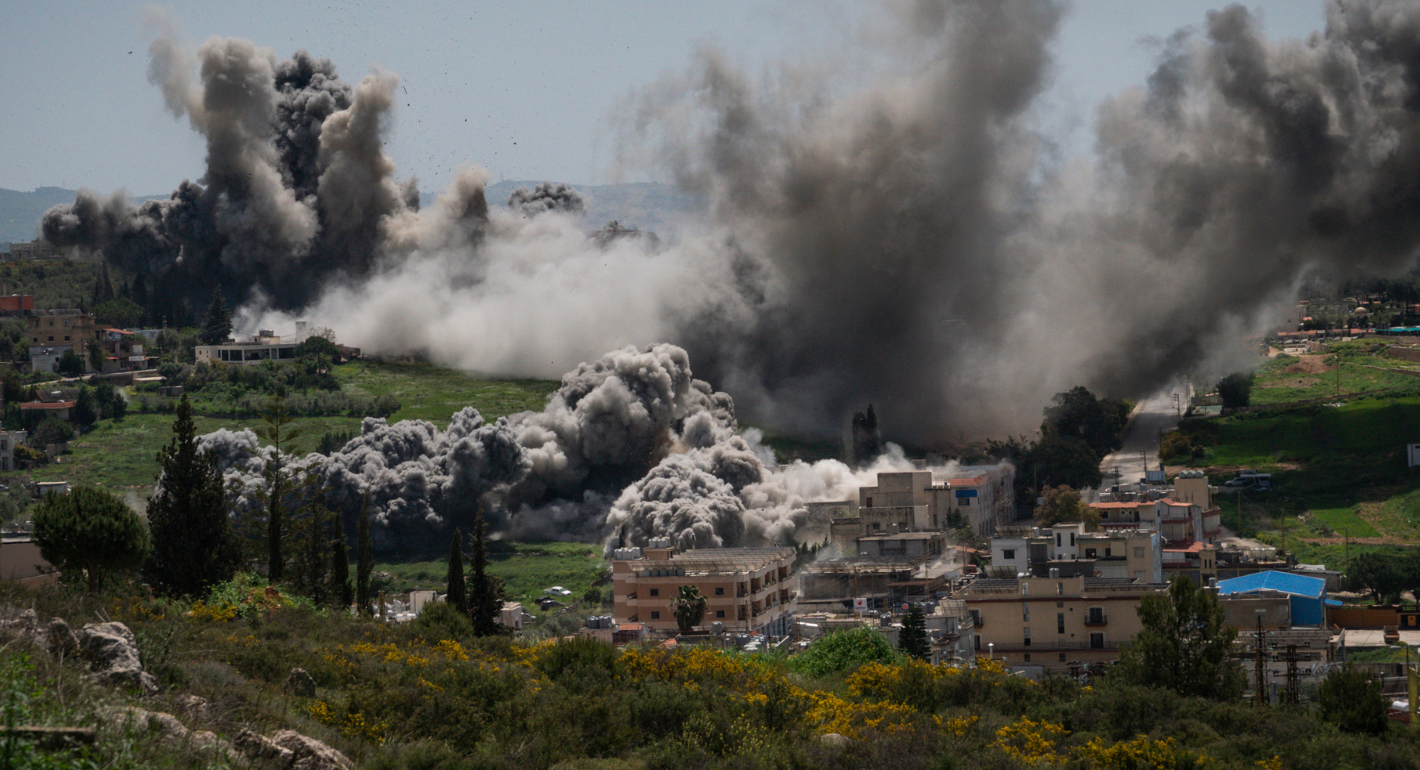
Europe has been standing by while its Southern neighborhood is being redrawn by force. To establish a path to peace between Israel and Lebanon, it’s time for Europeans to get involved with hard power.
Rym Momtaz
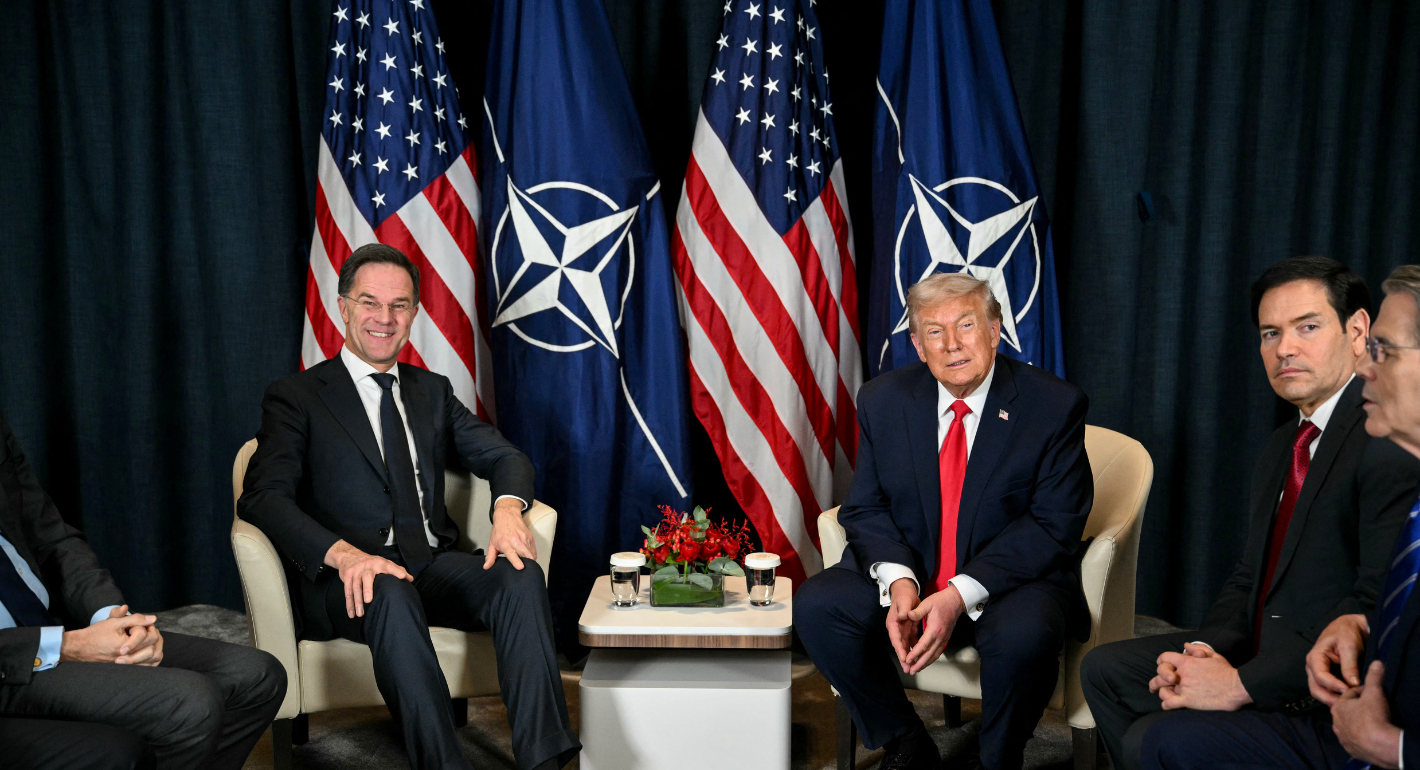
Donald Trump has demanded that European allies send ships to the Strait of Hormuz while his war of choice in Iran rages on. He has constantly berated NATO while the alliance’s secretary-general has emphatically supported him.
Rym Momtaz, ed.
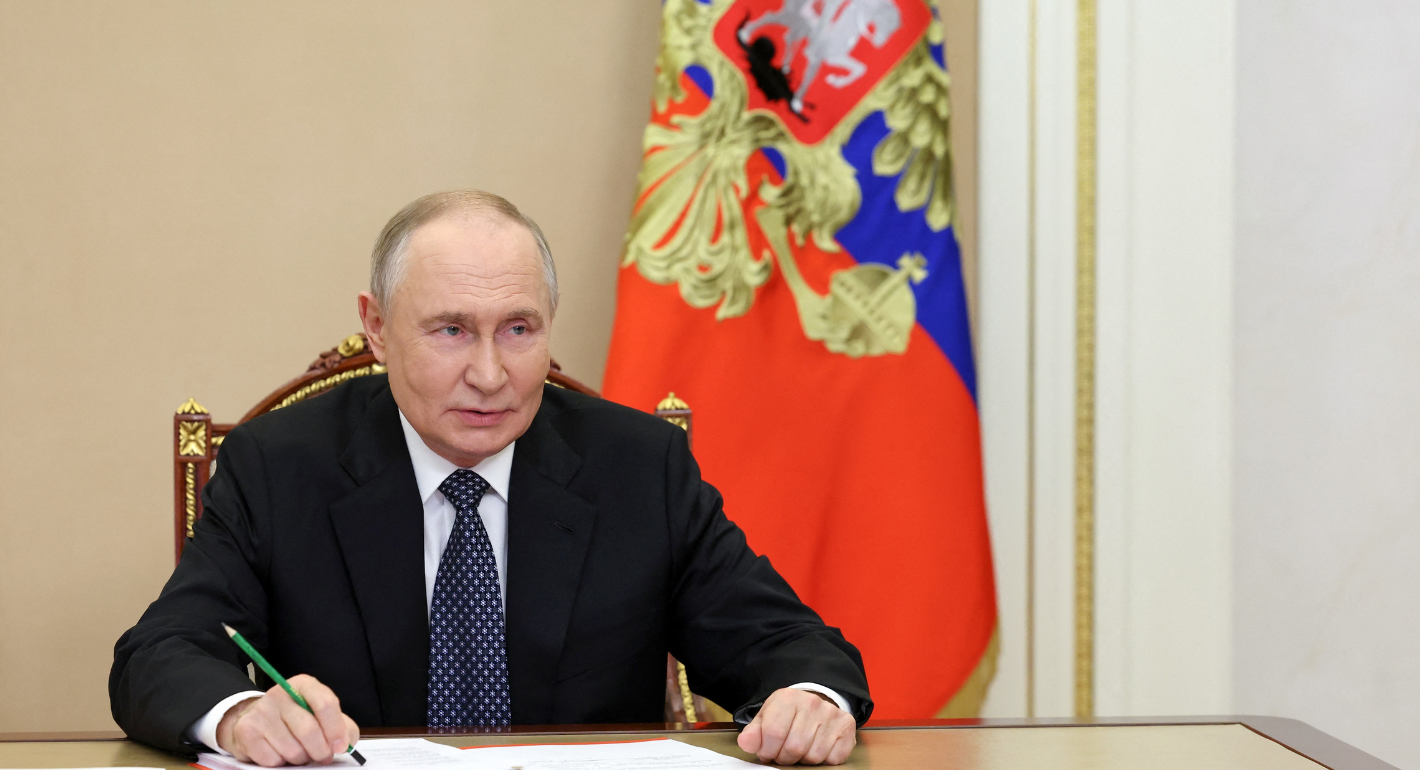
The war in Ukraine is costing Russia its leverage overseas. Across the South Caucasus and Middle East, this presents an opportunity for Europe to pick up the pieces and claim its own sphere of influence.


William Dixon, Maksym Beznosiuk