

Commentary
While the EU and European governments are embracing the much-lauded middle-power moment, this entails three difficult conundrums.
Richard Youngs
{
  "authors": [],
  "type": "pressRelease",
  "centerAffiliationAll": "dc",
  "centers": [
    "Carnegie Endowment for International Peace"
  ],
  "collections": [],
  "englishNewsletterAll": "asia",
  "nonEnglishNewsletterAll": "",
  "primaryCenter": "Carnegie Endowment for International Peace",
  "programAffiliation": "AP",
  "programs": [
    "Asia"
  ],
  "projects": [],
  "regions": [
    "China"
  ],
  "topics": []
}
REQUIRED IMAGE
FOR IMMEDIATE RELEASE: May 31, 2007
- NEWS RELEASE -
A new report from Carnegie Endowment Senior Associate Albert Keidel finds that China’s rapid growth over the past quarter century has not been export-led but rather is driven by domestic demand, even in recent years when China’s global trade surplus has rapidly expanded. The report also concludes that China’s management of its economic fluctuations since the 1980s has systematically disadvantaged the rural economy.
China’s Economic Fluctuations and Their Implications for its Rural Economy, which analyzes both fast-growth and slow-growth phases of China’s rapid expansion since 1978, shows that shifts in domestic demand, and not shifts in exports, explain growth patterns.
Other key findings include:
“The report’s analysis points unambiguously to a greater need to consider the rural implications of standard macroeconomic policy making—not just because worsening rural welfare affects poverty levels and the risk of rural social unrest, but also because the rural economy has the potential to emerge as a vast pool supporting macroeconomic stability and sustained growth based on high levels of both domestic consumption and investment,” concludes the report.
This report was produced in collaboration with Dr. Jianxing Liu of the International Cooperation Center in China’s National Development and Reform Commission, with substantial support from the Ford Foundation
Notes:
###
Carnegie does not take institutional positions on public policy issues; the views represented herein are those of the author(s) and do not necessarily reflect the views of Carnegie, its staff, or its trustees.

While the EU and European governments are embracing the much-lauded middle-power moment, this entails three difficult conundrums.

Richard Youngs

Europe is facing rising populism internally as well as external pressures from Russia, China, Turkey, and the United States.

Dimitar Bechev

The European Commissioner for Trade is headed to China. But after President Xi’s bridge-building visit to Washington, can a more isolated EU overcome Beijing’s stranglehold on critical raw materials? Who will blink first?

Rym Momtaz, ed.

The hybrid warfare landscape is evolving rapidly, leaving policymakers without clear strategies. To better inform their work in addressing emerging challenges, governments must dig deeper into the underlying dynamics at play.


Raluca Csernatoni, Alicia Wanless
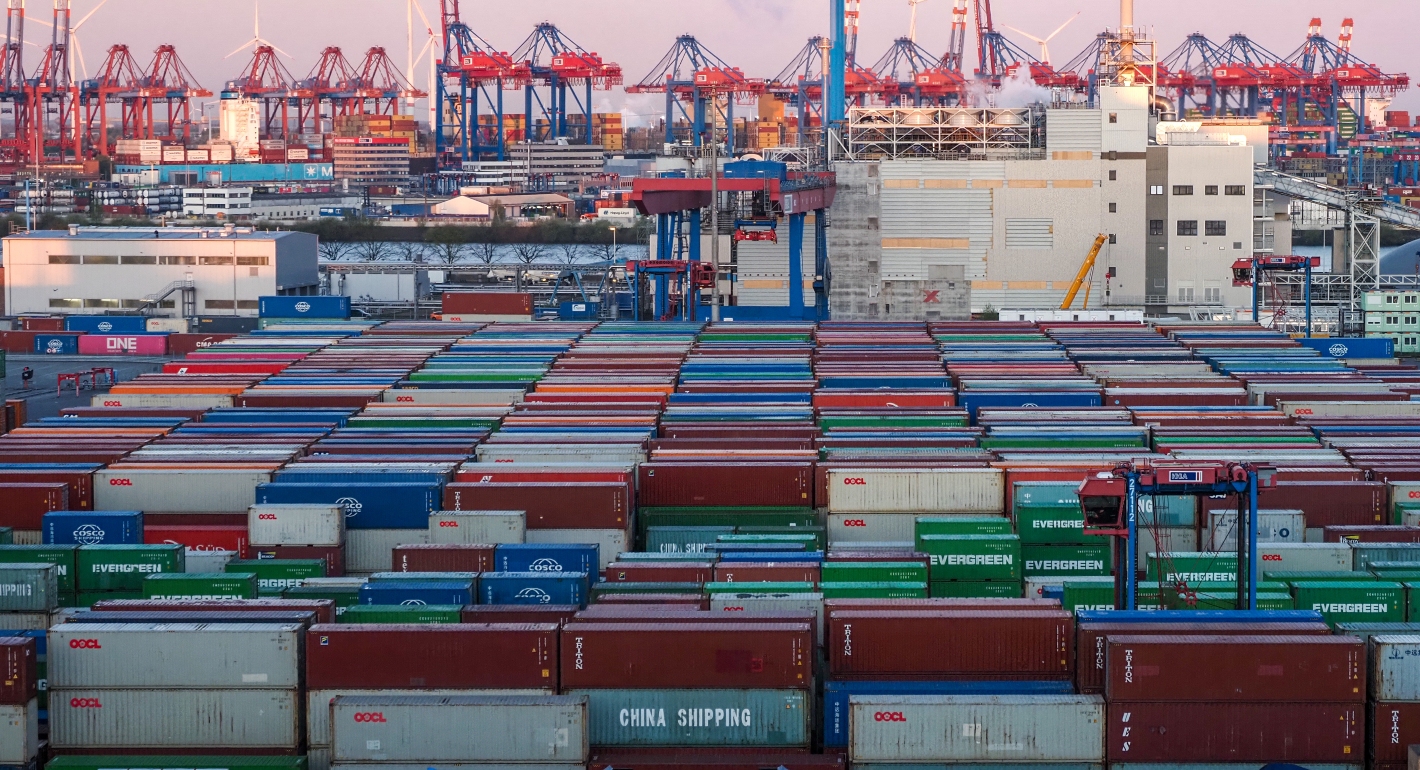
As geopolitical rivalry weaponizes global supply chains, the EU’s true vulnerability lies in emerging-risk imports. For these goods, suppliers are growing more concentrated, substitution more difficult, and political risk is looming.

Sinan Ülgen