

Commentary
There is an elephant in the room when it comes to the EU’s upcoming security strategy: Donald Trump. Unless European leaders acknowledge the depth of the transatlantic crisis, true autonomy will remain out of reach.
Stefan Lehne
{
  "authors": [],
  "type": "pressRelease",
  "centerAffiliationAll": "dc",
  "centers": [
    "Carnegie Endowment for International Peace"
  ],
  "collections": [],
  "englishNewsletterAll": "ctw",
  "nonEnglishNewsletterAll": "",
  "primaryCenter": "Carnegie Endowment for International Peace",
  "programAffiliation": "SAP",
  "programs": [
    "South Asia"
  ],
  "projects": [],
  "regions": [
    "North America",
    "United States",
    "China"
  ],
  "topics": [
    "Military",
    "Foreign Policy",
    "Nuclear Policy"
  ]
}
REQUIRED IMAGE
FOR IMMEDIATE RELEASE: June 22, 2007
- NEWS RELEASE -
WASHINGTON, June 22--In a provocative new policy brief, Ashley J. Tellis challenges the conventional wisdom that China’s antisatellite test (ASAT) was a protest against U.S. space policy, arguing instead that it was part of a loftier strategy to combat U.S. military superiority and one that China will not trade away in any arms-control regime.
Far from a response to assertive U.S. space policies, Tellis contends in Punching the U.S. Military’s “Soft Ribs”: China’s Antisatellite Weapon Test in Strategic Perspective that the ASAT test was part of a more ambitious goal—namely defeating superior U.S. conventional forces, both in a potential war over Taiwan, as well as other long-term, geopolitical scenarios. The author states that Chinese analyses of U.S. military operations since Dessert Storm concluded that U.S. military might depends inordinately on space-based systems for its operational effectiveness and hence must be targeted if China is to be able to stand up to the enormity of U.S. conventional military power.
Key conclusions:
Notes:
###
Carnegie does not take institutional positions on public policy issues; the views represented herein are those of the author(s) and do not necessarily reflect the views of Carnegie, its staff, or its trustees.
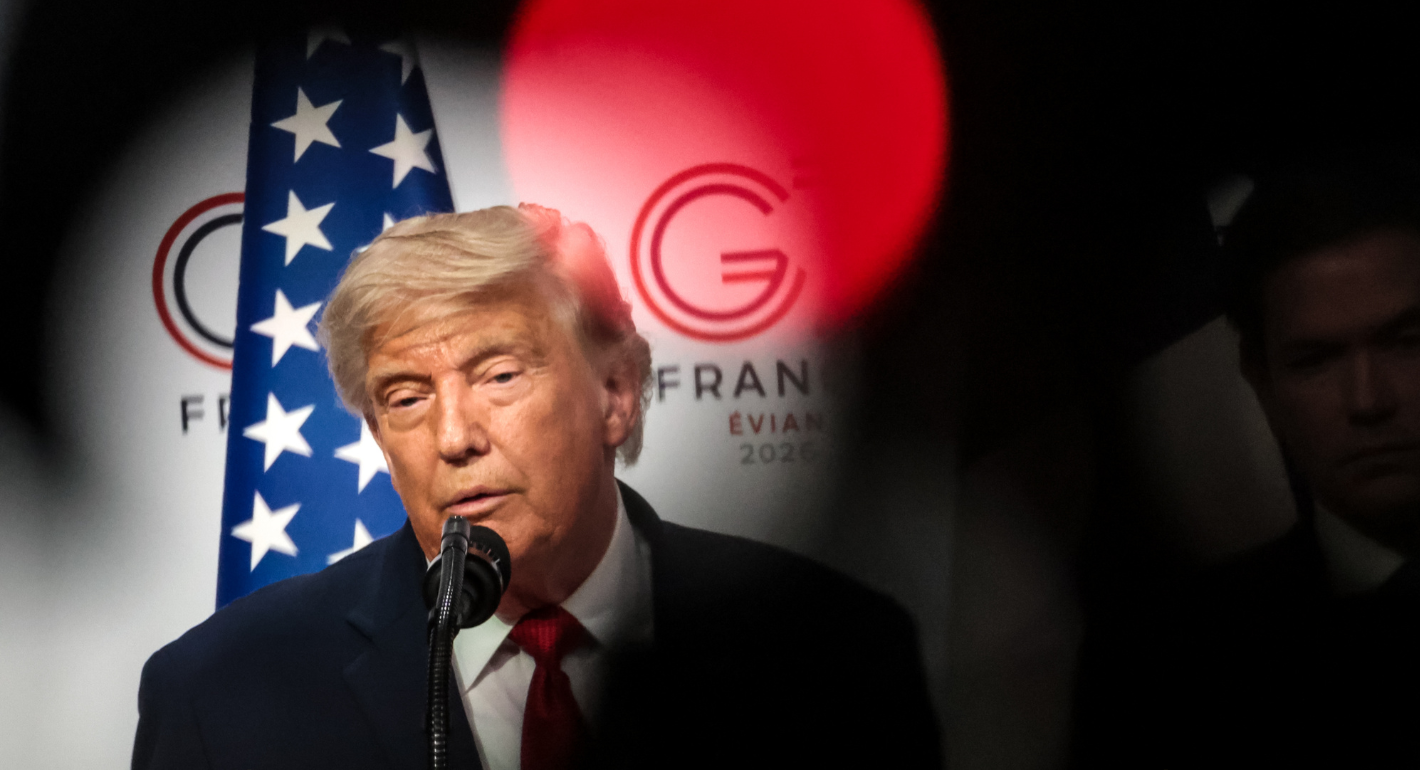
There is an elephant in the room when it comes to the EU’s upcoming security strategy: Donald Trump. Unless European leaders acknowledge the depth of the transatlantic crisis, true autonomy will remain out of reach.

Stefan Lehne

Europe’s industrial supply chains leave it vulnerable to global shocks. The EU needs a pragmatic green industrial strategy that balances durable partnerships and bolsters homegrown clean tech without sacrificing low-carbon ambition.


Milo McBride, Pauline Gerard
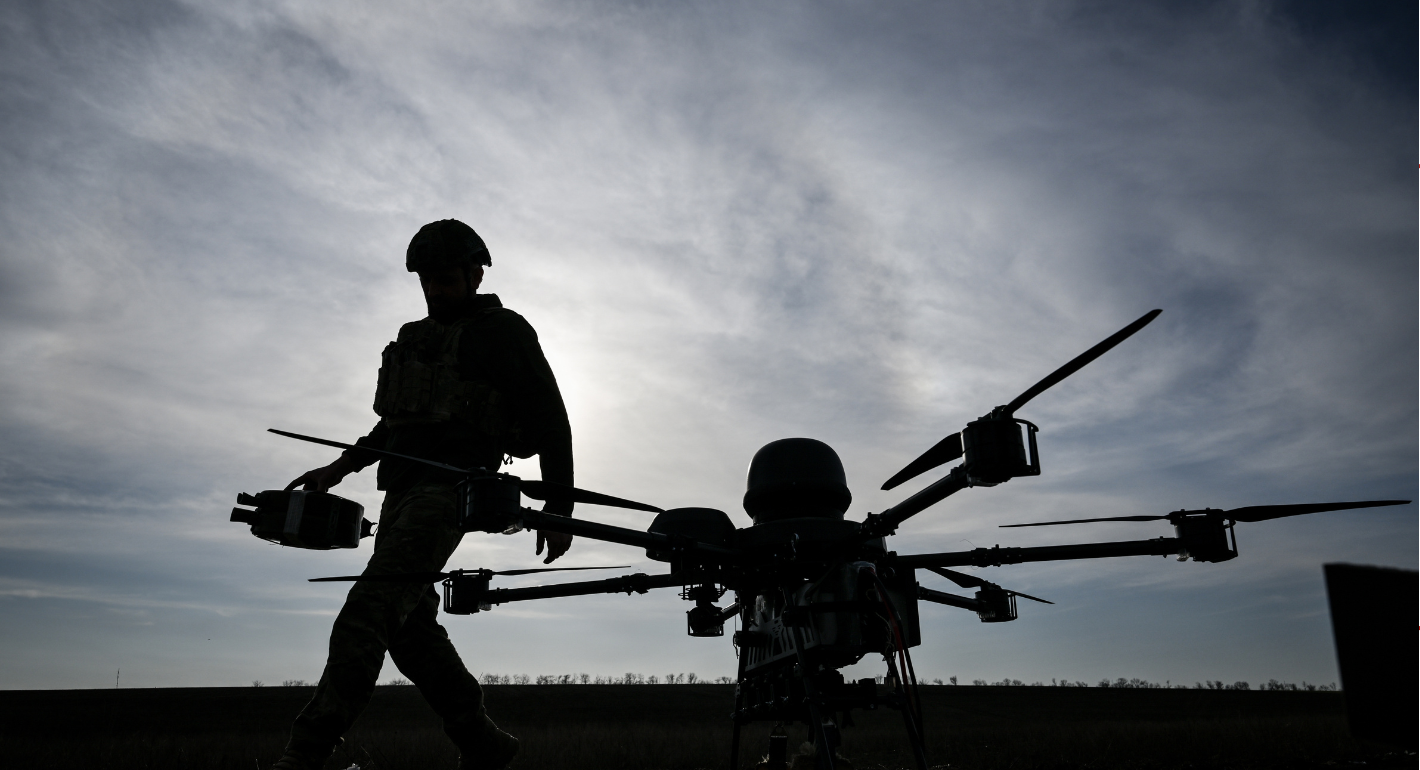
Defense tech innovations will be at the heart of Europe’s new security strategy. But so far, Brussels has been making moves without a broader plan, undermining readiness and credibility.

Raluca Csernatoni
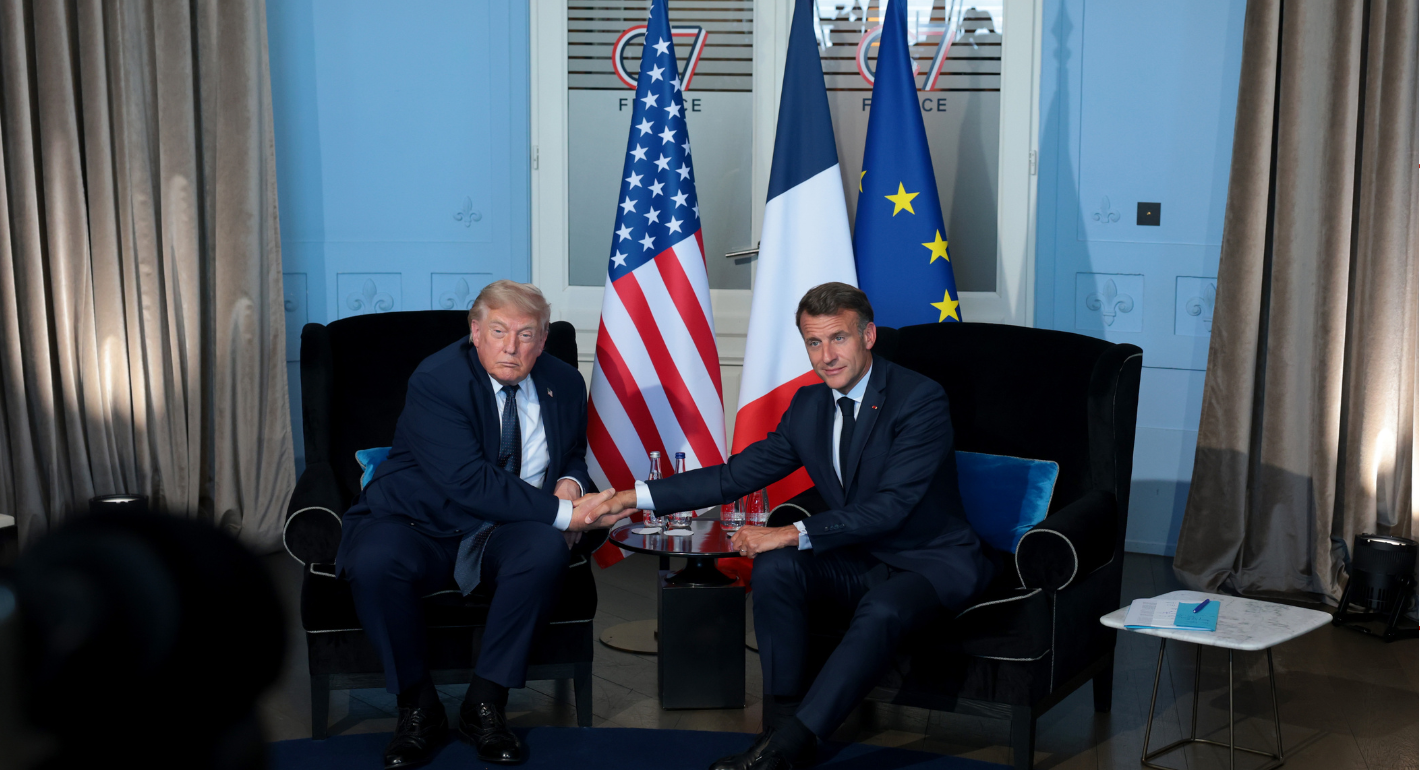
When the U.S.-Iran memorandum of understanding was announced, the UK, France, Germany, and Italy declared their readiness to help demine the Strait of Hormuz and lift nuclear sanctions on Tehran. But does Europe need new tools to recover a diplomatic role?

Rym Momtaz, ed.
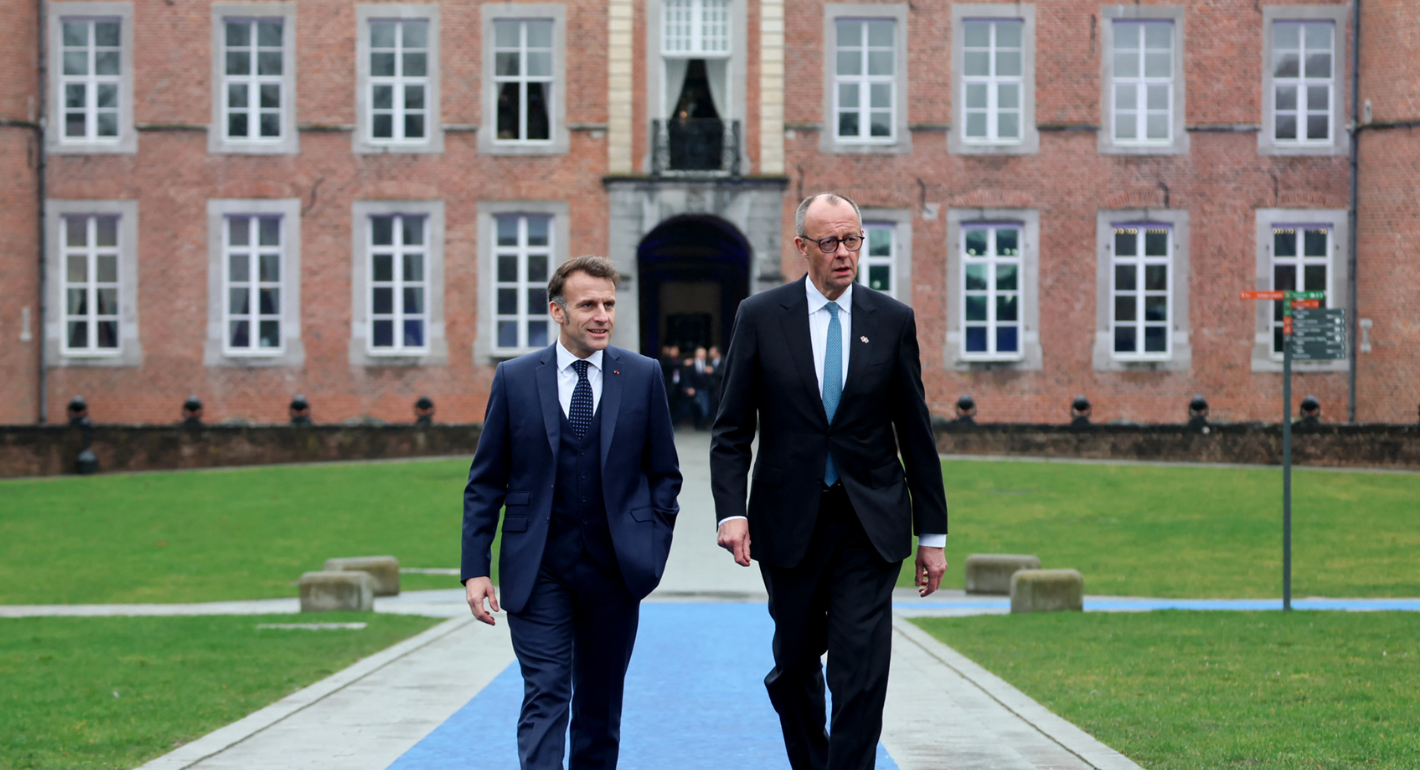
The Franco-German relationship is on the rocks again. But unlike previous moments of tension, the epochal changes on the world stage require that both step up investment in their bilateral ties.
Rym Momtaz