

Report
- +4
Ms. Sandra Polaski, Joaquim Bento de Souza Ferreir, Janine Berg, …
{
  "authors": [
    "Sandra Polaski"
  ],
  "type": "legacyinthemedia",
  "centerAffiliationAll": "",
  "centers": [
    "Carnegie Endowment for International Peace"
  ],
  "collections": [],
  "englishNewsletterAll": "",
  "nonEnglishNewsletterAll": "",
  "primaryCenter": "Carnegie Endowment for International Peace",
  "programAffiliation": "",
  "programs": [],
  "projects": [],
  "regions": [],
  "topics": [
    "Economy",
    "Trade"
  ]
}
Source: Getty
The widespread belief that negotiators must reach a deal soon in order to save the Doha Round and prevent irreparable harm to world trade and the WTO itself is not accurate. It will take great time and effort to bridge the wide gaps that still exist in the agriculture and manufacturing talks, but the final result is well worth the wait.
Source: L'Économie politique

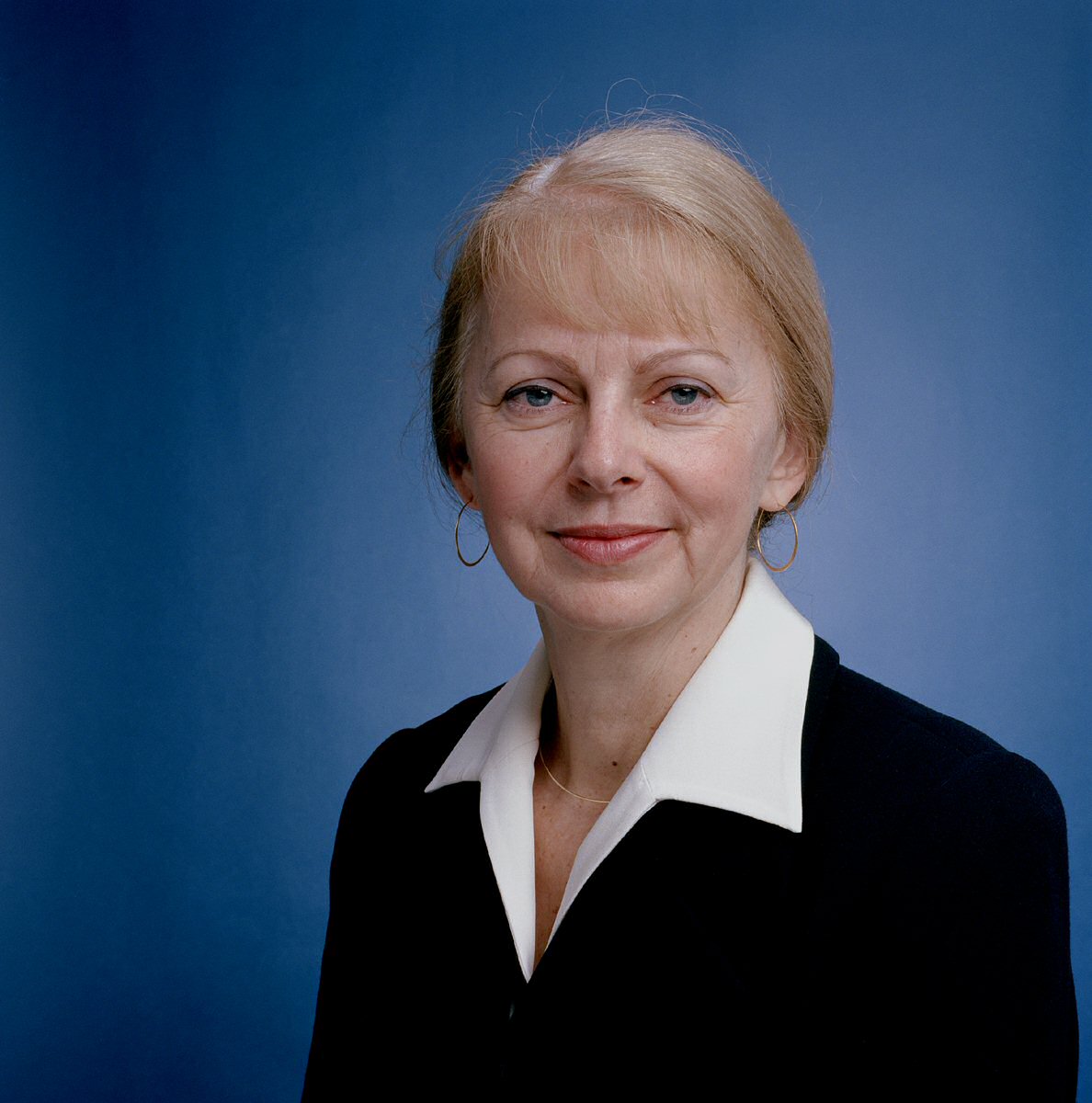
Former Senior Associate, Director, Trade, Equity and Development Program
Until April 2002, Polaski served as the U.S. Secretary of State’s Special Representative for International Labor Affairs, the senior State Department official dealing with such matters.
Recent Work
Ms. Sandra Polaski, Joaquim Bento de Souza Ferreir, Janine Berg, …
Ms. Sandra Polaski
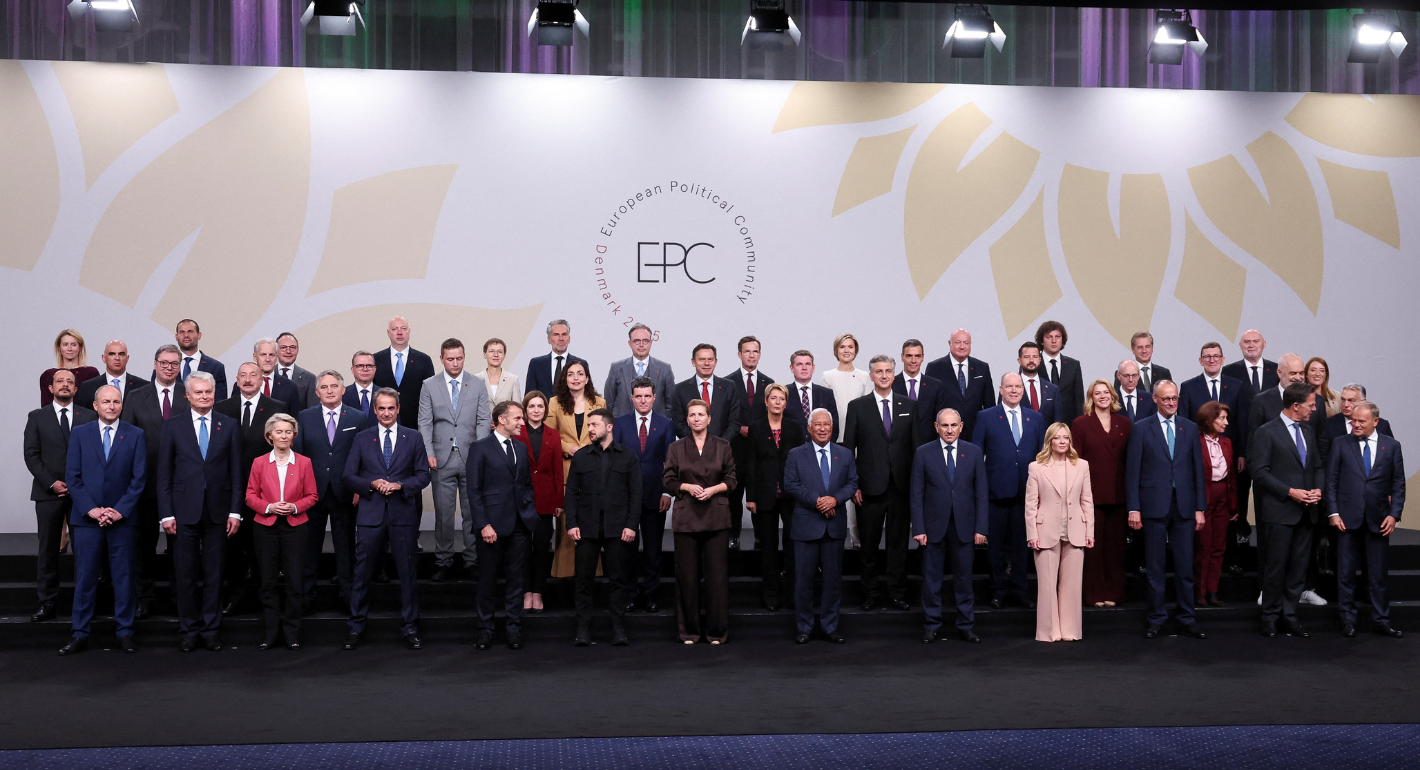
Europe isn’t as weak in the new geopolitics of power as many would believe. But to leverage its assets and claim a sphere of influence, Brussels must stop undercutting itself.

Dimitar Bechev
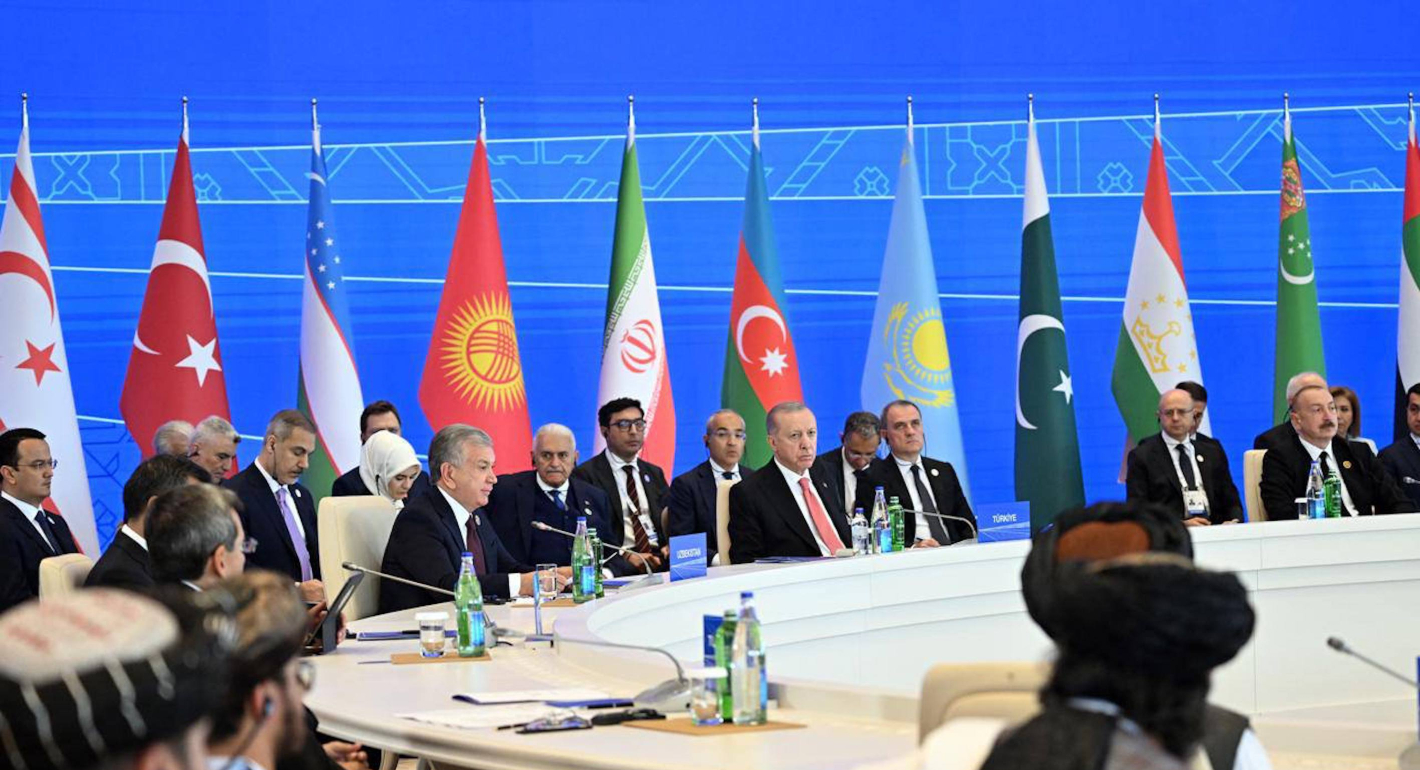
Over the past two decades, regional collaboration in the South Caucasus has intensified. Turkey and the EU should establish a cooperation framework to accelerate economic development and diversification.

Feride İnan, Güven Sak, Berat Yücel
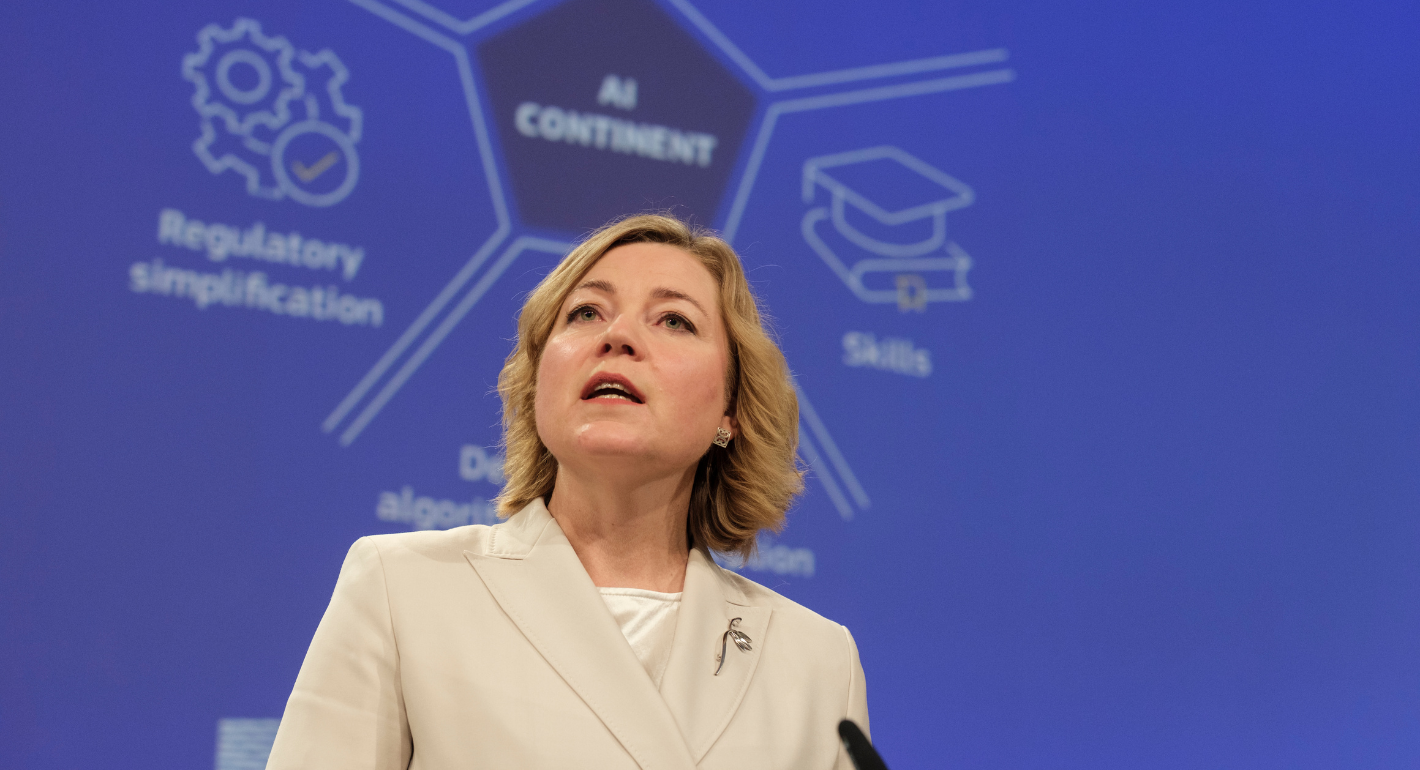
Integrating AI into the workplace will increase job insecurity, fundamentally reshaping labor markets. To anticipate and manage this transition, the EU must build public trust, provide training infrastructures, and establish social protections.
Amanda Coakley
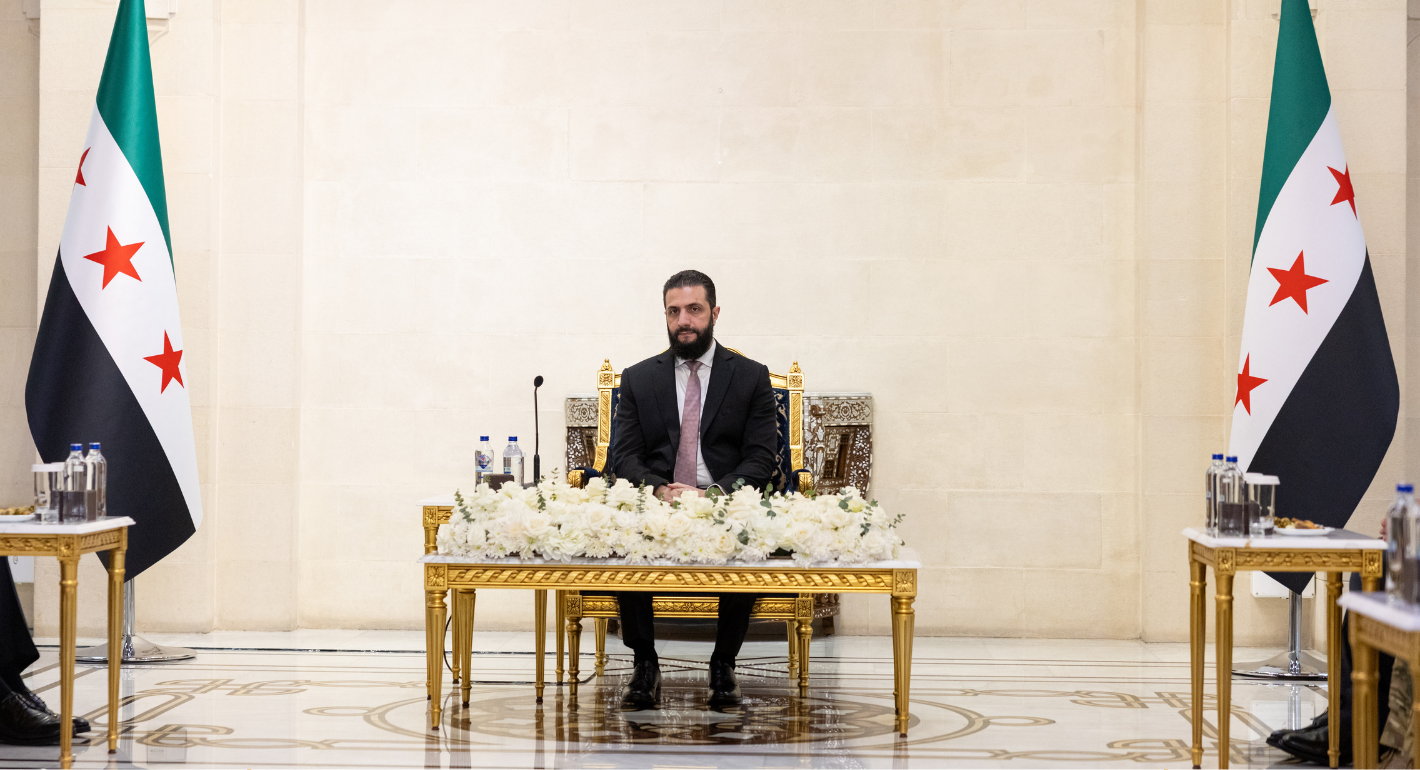
Europe’s interests in Syria extend beyond migration management, yet the EU trails behind other players in the country’s post-Assad reconstruction. To boost its influence in Damascus, the union must upgrade its commitment to ensuring regional stability.
Bianka Speidl, Hanga Horváth-Sántha
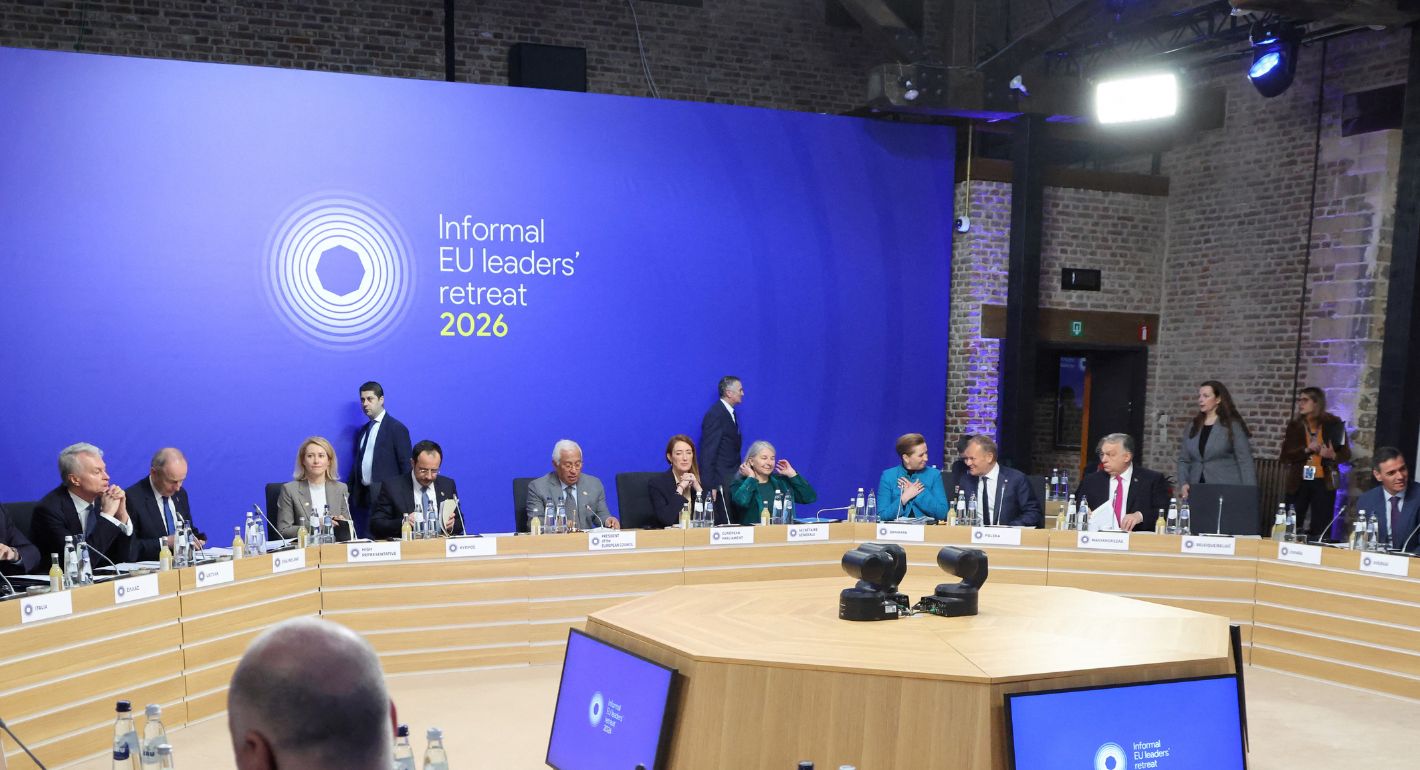
EU member states clash over how to boost the union’s competitiveness: Some want to favor European industries in public procurement, while others worry this could deter foreign investment. So, can the EU simultaneously attract global capital and reduce dependencies?

Rym Momtaz, ed.