

Report
- +4
Ms. Sandra Polaski, Joaquim Bento de Souza Ferreir, Janine Berg, …

Source: Getty
Despite the collapse of the Doha trade talks this week, the global food crisis is creating the basis for longer term progress on a new agricultural trade regime. Key differences over agriculture as well as manufacturing and services trade seemingly stymied a final deal, but progress on farm talks bodes well for an eventual pact that better reflects the needs of developing countries and the poor.
Trade ministers failed again this week to agree on the main terms of a new global trade regime. These officials have assembled most summers for the past five years, each time on the premise that a deal was urgent and within grasp. To add pressure, pundits and some leaders claimed each time that a failure to reach consensus would put the entire global trading system at risk. Each year the ministers failed, and each year trade expanded nonetheless.
This year is a bit different, however. High and volatile food and fuel prices have put real strains on the global economy and inflicted serious harm on many poor countries. Perhaps in part because of this stress, negotiators made some genuine progress on the shape of a future agricultural trade regime. Even though the talks failed and a new trade regime won’t be settled until 2009 or 2010, the negotiating process was jolted forward by the reality of the global food crisis.
A growing recognition has emerged that developing countries need flexibility to use tariffs and other trade measures in order to protect the livelihoods of their subsistence farmers and spare their populations from hunger. While countries can voluntarily lower tariffs when prices are high, governments need to retain the ability to raise them for key crops in order to sustain domestic prices when global commodity prices decline or become highly volatile. Tariffs may be the only policy tool available to resource-constrained governments in low income countries to assure poor farmers that they will not be wiped out and thus to encourage more planting and attract desperately needed agricultural investment. Many countries in Africa and elsewhere that were devastated by the spike in food prices this spring have rightly resolved to increase food production for the future and will need trade flexibility to do so.
New Zealand Ambassador Crawford Falconer, the chairman of the agricultural talks, produced a new draft negotiating text on July 10, based on intense discussions among member countries over the preceding year, that treats food trade with the seriousness required for a sector that provides livelihoods for almost half of the world’s population and helps determine whether people go hungry. One of the provisions, a special safeguard mechanism that would allow developing countries to protect poor farmers when food imports surge or prices fall, was the issue on which negotiations broke down. During the talks, World Trade Organization head Pascal Lamy suggested two alternative compromises on this issue. The first compromise was far too lenient toward rich global agribusiness exporters and far too tough on poor farmers in poor countries. It was unacceptable to a majority of WTO member states. Mr. Lamy then offered a more flexible approach for developing countries that was similar to a safeguard mechanism that rich countries insisted upon in the last round of trade talks and have used extensively to protect their own wealthy farmers. India indicated it could accept this approach, but it was rejected by the United States, which is now emphasizing the export interests of US agribusiness. It should be pointed out that in the US, only one percent of the population depends on agriculture for its income, while in many developing countries, including India and most African countries, sixty percent or more of the entire population depend on that sector for their livelihoods.
The fact that the negotiations failed over an issue that concerns the global poor and those who stand to be hurt rather than helped by globalization reflects a new distribution of economic power in the world. The seven-year old negotiations coincided with the full emergence and rapid growth of China, India, and other developing economies as important exporters, import markets and self-assured negotiators. They now insist that matters affecting their own development and incomes of their poor must be taken into account. Any agreement that is reached will be substantially different from the current trade regime, and it will offer a better deal to developing countries. If not, there will be no deal at all, as these countries have effective blocking power.
The evolution of the agricultural talks offers some reason for optimism that a good agreement can eventually be reached. If negotiators can bring the same seriousness to bear on all issues that produced the suggested compromises in the Falconer agricultural negotiating draft, a more balanced set of trade rules can gradually be constructed over the next year or two. New rules that offer more countries opportunities in the global trading system while protecting the livelihoods of the world’s two and a half billion poor people would build a more stable world economy and more support for the global trading system. The fact that negotiators came close for the first time is worth a cheer.
Sandra Polaski is director of the Trade, Equity, and Development program at the Carnegie Endowment for International Peace in Washington, D.C.
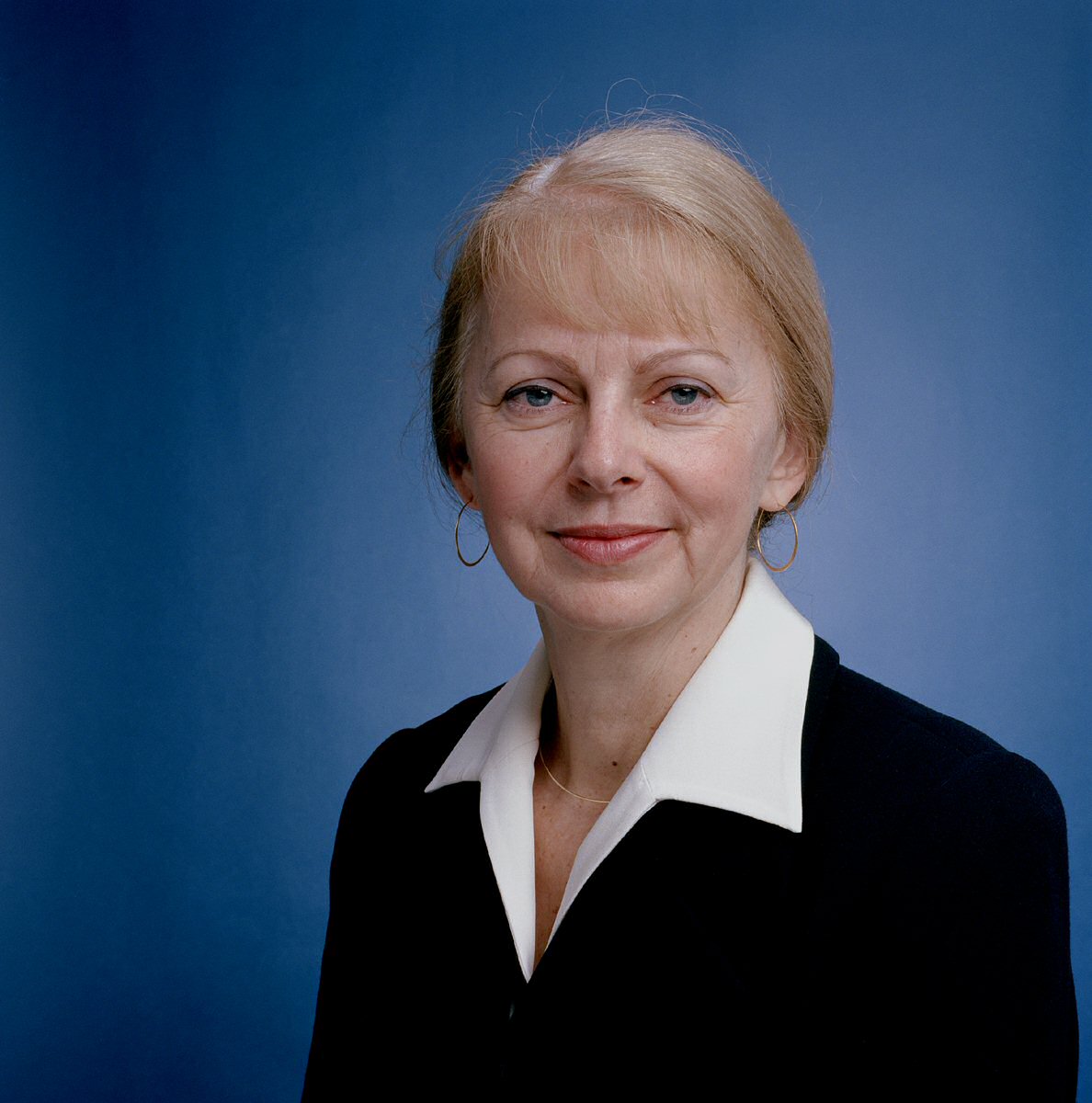
Former Senior Associate, Director, Trade, Equity and Development Program
Until April 2002, Polaski served as the U.S. Secretary of State’s Special Representative for International Labor Affairs, the senior State Department official dealing with such matters.
Recent Work
Ms. Sandra Polaski, Joaquim Bento de Souza Ferreir, Janine Berg, …
Ms. Sandra Polaski
Carnegie does not take institutional positions on public policy issues; the views represented herein are those of the author(s) and do not necessarily reflect the views of Carnegie, its staff, or its trustees.

While the EU and European governments are embracing the much-lauded middle-power moment, this entails three difficult conundrums.

Richard Youngs

Europe is facing rising populism internally as well as external pressures from Russia, China, Turkey, and the United States.

Dimitar Bechev

Much has been said of the changes Brussels is trying to make to the EU enlargement process. Here’s why gradual integration might—or might not—be the answer.
Dimitar Bechev

The European Commissioner for Trade is headed to China. But after President Xi’s bridge-building visit to Washington, can a more isolated EU overcome Beijing’s stranglehold on critical raw materials? Who will blink first?

Rym Momtaz, ed.

European NATO countries are wrestling with the possibility of U.S. disengagement from the alliance. With the continent’s security increasingly uncertain, governments must restore the credibility of their collective defense.



Hans-Dieter Lucas, Adam Thomson, Pierre Vimont