

In The Media
Josh Kurlantzick
{
  "authors": [
    "Josh Kurlantzick"
  ],
  "type": "legacyinthemedia",
  "centerAffiliationAll": "dc",
  "centers": [
    "Carnegie Endowment for International Peace"
  ],
  "collections": [],
  "englishNewsletterAll": "asia",
  "nonEnglishNewsletterAll": "",
  "primaryCenter": "Carnegie Endowment for International Peace",
  "programAffiliation": "AP",
  "programs": [
    "Asia"
  ],
  "projects": [],
  "regions": [
    "Southeast Asia"
  ],
  "topics": []
}
Source: Getty
Since the first Bali bombings five years ago, Indonesia has transformed itself from a country riddled with radical Islamist movements and terror threats — Indonesians once called autumn "the bombing season" because attacks had become so regular — to one of the world's few triumphs in fighting terrorism. Even better, Jakarta has succeeded without resorting to the draconian antiterror tactics increasingly preferred by governments from Sri Lanka to Iraq.
Source: Time Magazine


Former Visiting Scholar, China Program
A special correspondent for The New Republic, a columnist for Time, and a senior correspondent for The American Prospect, Kurlantzick assesses China’s relationship with the developing world, including Southeast Asia, Africa, and Latin America.
Recent Work
Josh Kurlantzick
Carnegie does not take institutional positions on public policy issues; the views represented herein are those of the author(s) and do not necessarily reflect the views of Carnegie, its staff, or its trustees.
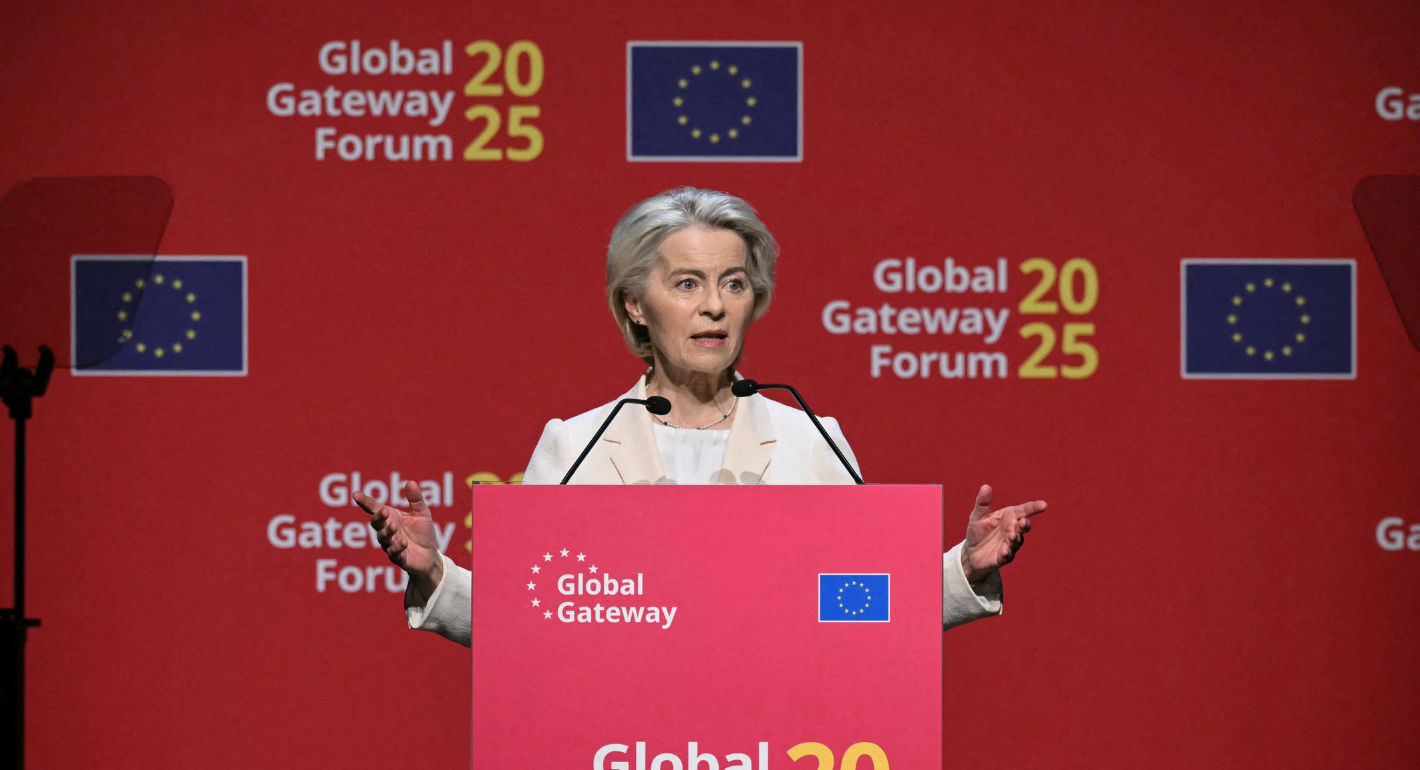
In competition with China’s Belt and Road Initiative, the Global Gateway strategy needs to find an edge. To better promote its interests through investment, the EU’s offer must become more coherent, transparent, and accountable.


Ceren Ergenc, Chaofan Yu
The EU and ASEAN have diverging priorities in climate, security, technology, trade, and democracy. Stronger cooperation in these fields would enable the two blocs to tackle shared challenges and pursue common interests.

Lizza Bomassi

The first Summit for Democracy succeeded in bringing democratic governments together to discuss a range of issues. But to achieve more effective democratic coordination, the process should move away from its intergovernmental nature and involve more civil society actors.

Richard Youngs
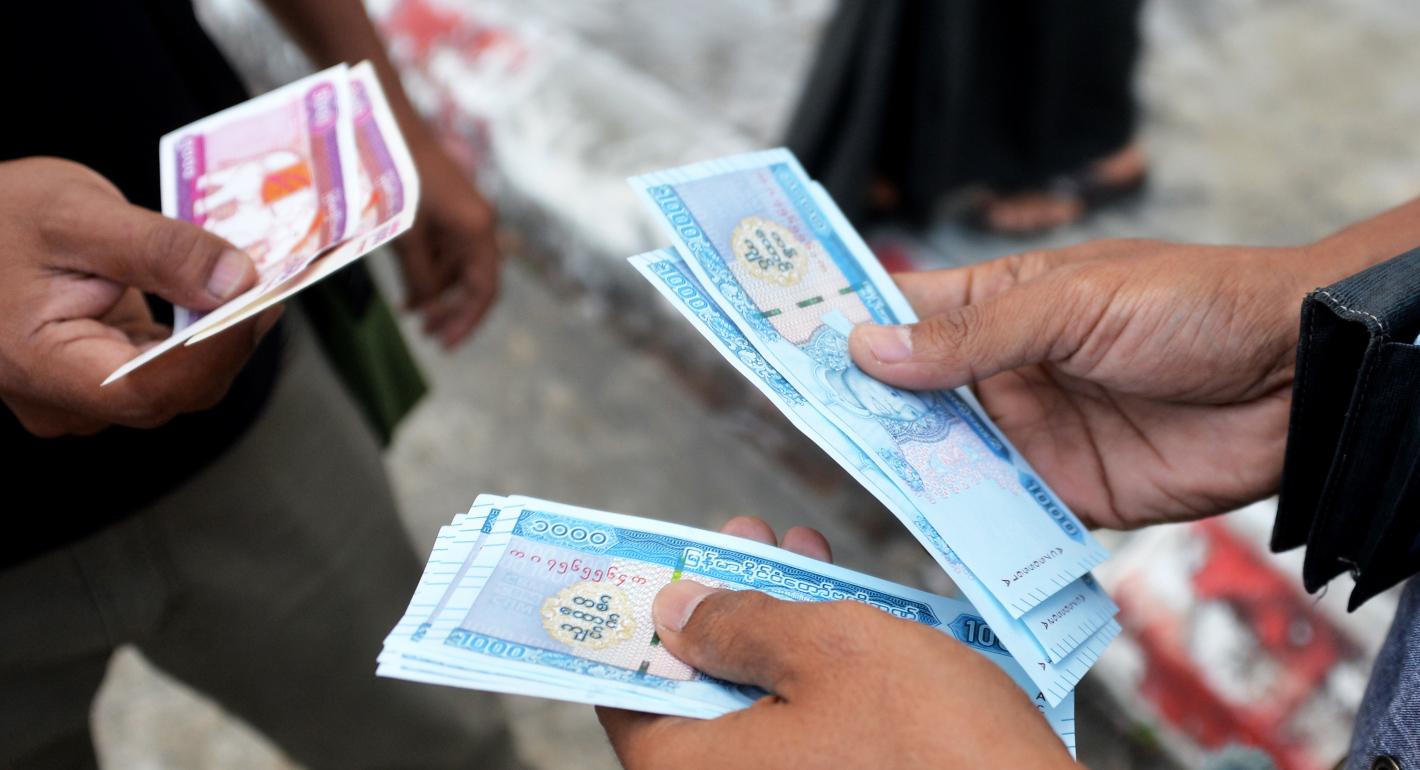
In the last decade, nondemocratic regimes have received more development assistance than democratic countries. This reveals how donors struggle with autocratization despite a rhetorical commitment to democracy.

Marc de Tollenaere
Expectations were high for the first in-person EU-ASEAN summit in years but the meeting agenda did not rise to the occassion. Despite having plenty of common ground, the bloc missed an opportunity to strengthen its commitment to ASEAN by leaving the big ticket items to the side.
Lizza Bomassi