

Commentary
Excitement is in the air following Aleksandar Vučić’s defeat in Serbia. To build a truly democratic state, the movement that unseated the former president must learn from the mistakes of the past.
Ivan Vejvoda
{
  "authors": [
    "Lizza Bomassi"
  ],
  "type": "legacyinthemedia",
  "centerAffiliationAll": "dc",
  "centers": [
    "Carnegie Endowment for International Peace",
    "Carnegie Europe"
  ],
  "collections": [],
  "englishNewsletterAll": "ctw",
  "nonEnglishNewsletterAll": "",
  "primaryCenter": "Carnegie Europe",
  "programAffiliation": "EP",
  "programs": [
    "Europe"
  ],
  "projects": [],
  "regions": [
    "Asia",
    "Europe",
    "Southeast Asia",
    "Western Europe",
    "Iran"
  ],
  "topics": [
    "Foreign Policy",
    "Economy"
  ]
}
REQUIRED IMAGE
Expectations were high for the first in-person EU-ASEAN summit in years but the meeting agenda did not rise to the occassion. Despite having plenty of common ground, the bloc missed an opportunity to strengthen its commitment to ASEAN by leaving the big ticket items to the side.

Lizza Bomassi
Former Deputy Directory, Carnegie Europe
Lizza Bomassi was the deputy director of Carnegie Europe.
Carnegie does not take institutional positions on public policy issues; the views represented herein are those of the author(s) and do not necessarily reflect the views of Carnegie, its staff, or its trustees.
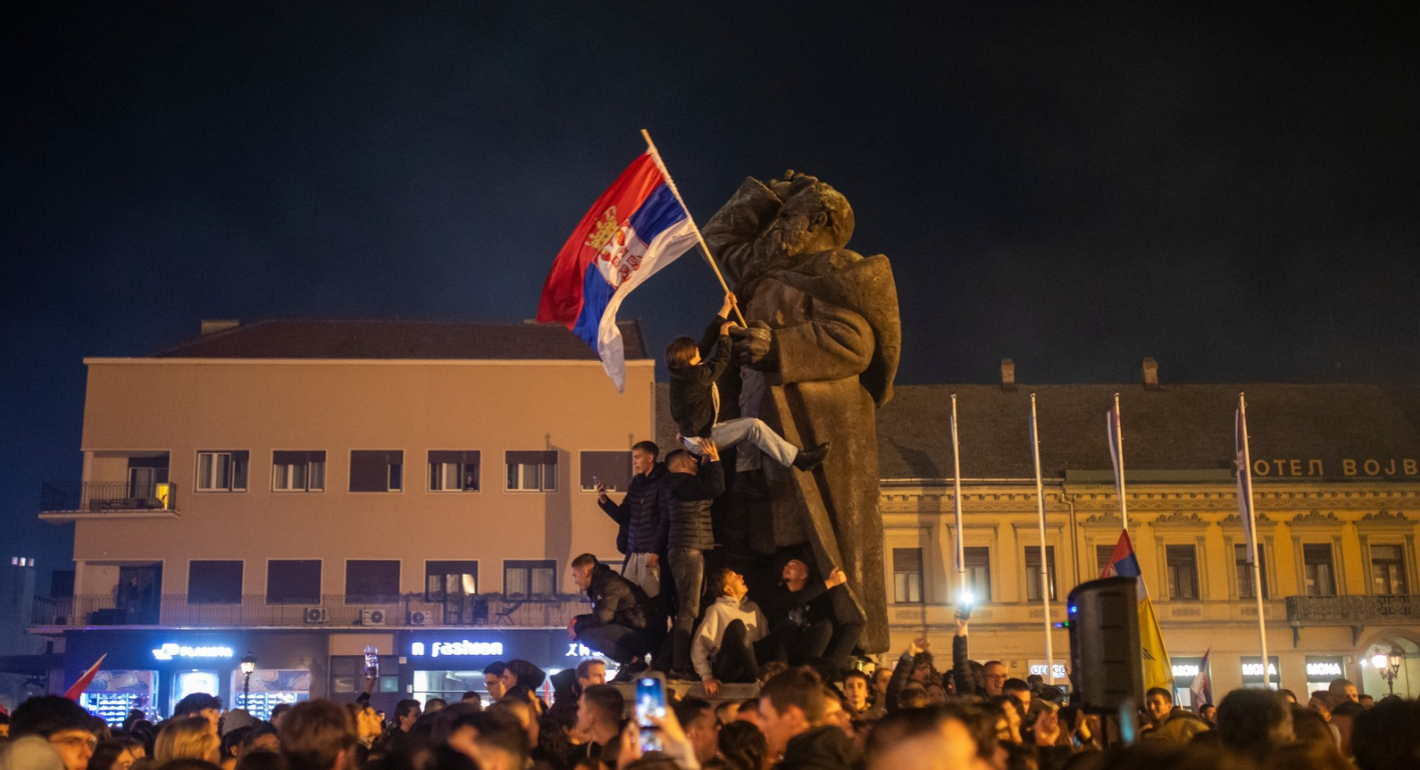
Excitement is in the air following Aleksandar Vučić’s defeat in Serbia. To build a truly democratic state, the movement that unseated the former president must learn from the mistakes of the past.

Ivan Vejvoda

The EU can impose sanctions but struggles to enforce them without the United States. With Washington increasingly disinterested in backing European interests, the bloc must now fend for itself.


Nicu Popescu, Tiago Antunes

Russia is testing the waters of NATO’s mutual defense clause. What do strikes in Romanian territorial waters mean for the alliance’s posture toward Moscow?

Dimitar Bechev

With its public finances in shambles, the far right polling at 35 percent ahead of the 2027 presidential election, and a growing protest movement, is France’s crisis a threat to the EU’s geopolitical awakening?

Rym Momtaz, ed.

Ahead of a tough winter for Ukraine, Donald Trump’s swing back toward Russia bodes ill. But instead of panicking, Kyiv’s European allies are focusing on action.
Rym Momtaz