

Paper
Ashley J. Tellis
{
  "authors": [
    "Ashley J. Tellis"
  ],
  "type": "testimony",
  "centerAffiliationAll": "dc",
  "centers": [
    "Carnegie Endowment for International Peace"
  ],
  "collections": [],
  "englishNewsletterAll": "asia",
  "nonEnglishNewsletterAll": "",
  "primaryCenter": "Carnegie Endowment for International Peace",
  "programAffiliation": "AP",
  "programs": [
    "Asia",
    "South Asia"
  ],
  "projects": [],
  "regions": [
    "South Asia",
    "East Asia",
    "Southeast Asia"
  ],
  "topics": [
    "Economy",
    "Trade"
  ]
}
Source: Getty
Asia’s resurgence is revolutionary; Asia will contribute 43% of world GDP by 2020, is the second global hub of innovation, and has amassed a tremendous amount of military power. But the resurgence is also incomplete. Large swaths remain outside of Asia’s economic “miracle,” political systems remain at various stages of development, and Asian nations face many religious and ideological challenges.
Source: Testimony before French White Paper Commission

Asia’s resurgence is revolutionary; Asia will contribute 43% of world GDP by 2020, is the second global hub of innovation, and has amassed a tremendous amount of military power. But the resurgence is also incomplete. Large swaths remain outside of Asia’s economic “miracle,” political systems remain at various stages of development, and Asian nations face many religious and ideological challenges.
The combination of the strength and weakness of Asian states implies both challenges to and opportunities for cooperation with Europe and the United States, noted Tellis. The U.S. will remain engaged in Asia, as Asian issues continue to be inextricably tied to global issues and the U.S. maneuvers to maintain its primacy. Ultimately, it remains to be seen whether Asia’s multipolarity leaves it “ripe for rivalry” or “primed for peace.”
Tellis said that the four central challenges posed by Asia’s to U.S. and European interests are:
• Will the region produce new rising powers that could disturb the existing power configuration in global politics?
• Will the region’s weaknesses produce threats to our common security and well-being?
• Will the region’s behaviors produce collective action problems that undermine our common security and well-being?
• Will the region produce new partners that can collaborate in the attainment of common goals?
You can watch the video of Tellis' testimony, in French, here.
Former Senior Fellow
Ashley J. Tellis was a senior fellow at the Carnegie Endowment for International Peace.
Recent Work
Ashley J. Tellis
Ashley J. Tellis
Carnegie does not take institutional positions on public policy issues; the views represented herein are those of the author(s) and do not necessarily reflect the views of Carnegie, its staff, or its trustees.

Canadian Prime Minister Mark Carney has twice inspired praise for standing up to U.S. President Donald Trump: at the 2026 World Economic Forum in Davos and on Canada-U.S. trade negotiations. Is Carney showing a third way better than the EU has in dealing with the Trump administration?

Rym Momtaz, ed.
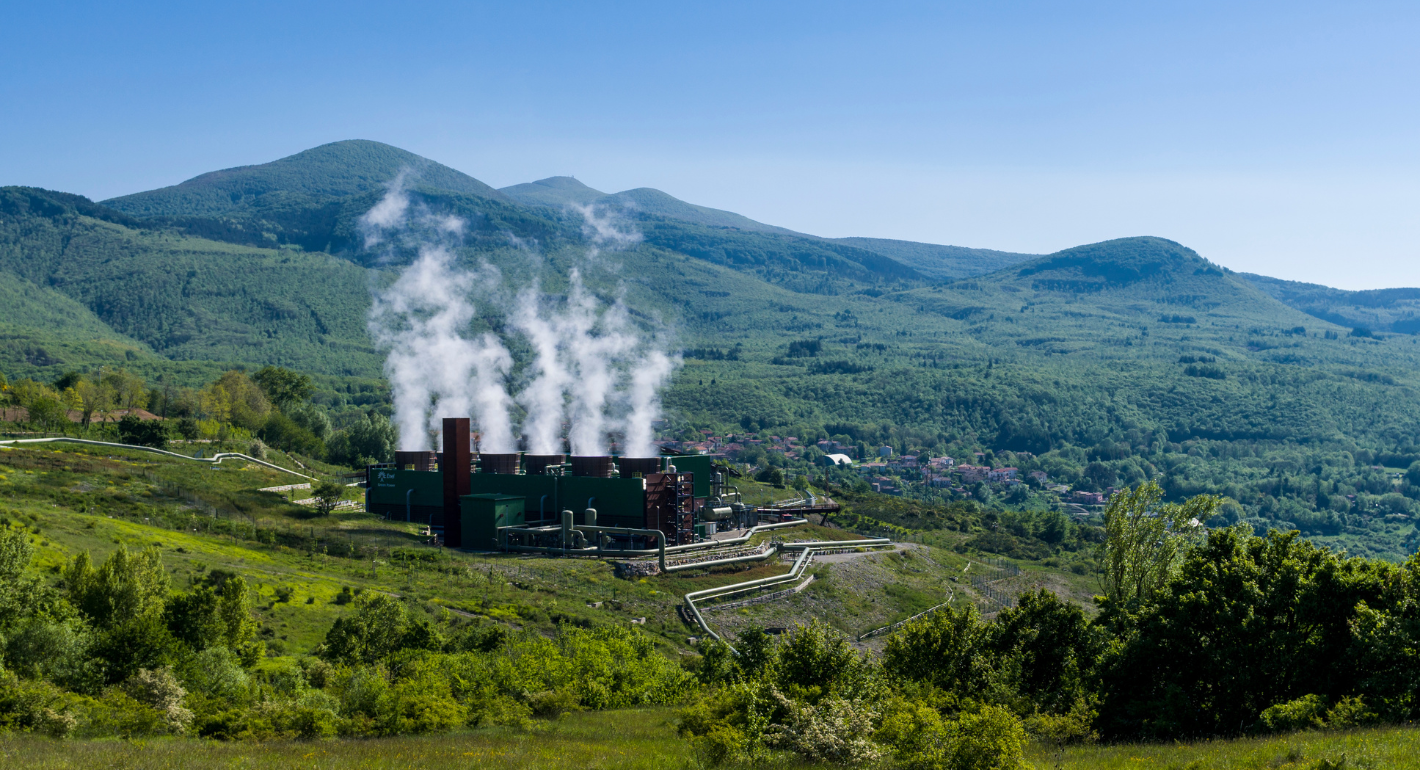
Europe’s industrial supply chains leave it vulnerable to global shocks. The EU needs a pragmatic green industrial strategy that balances durable partnerships and bolsters homegrown clean tech without sacrificing low-carbon ambition.


Milo McBride, Pauline Gerard
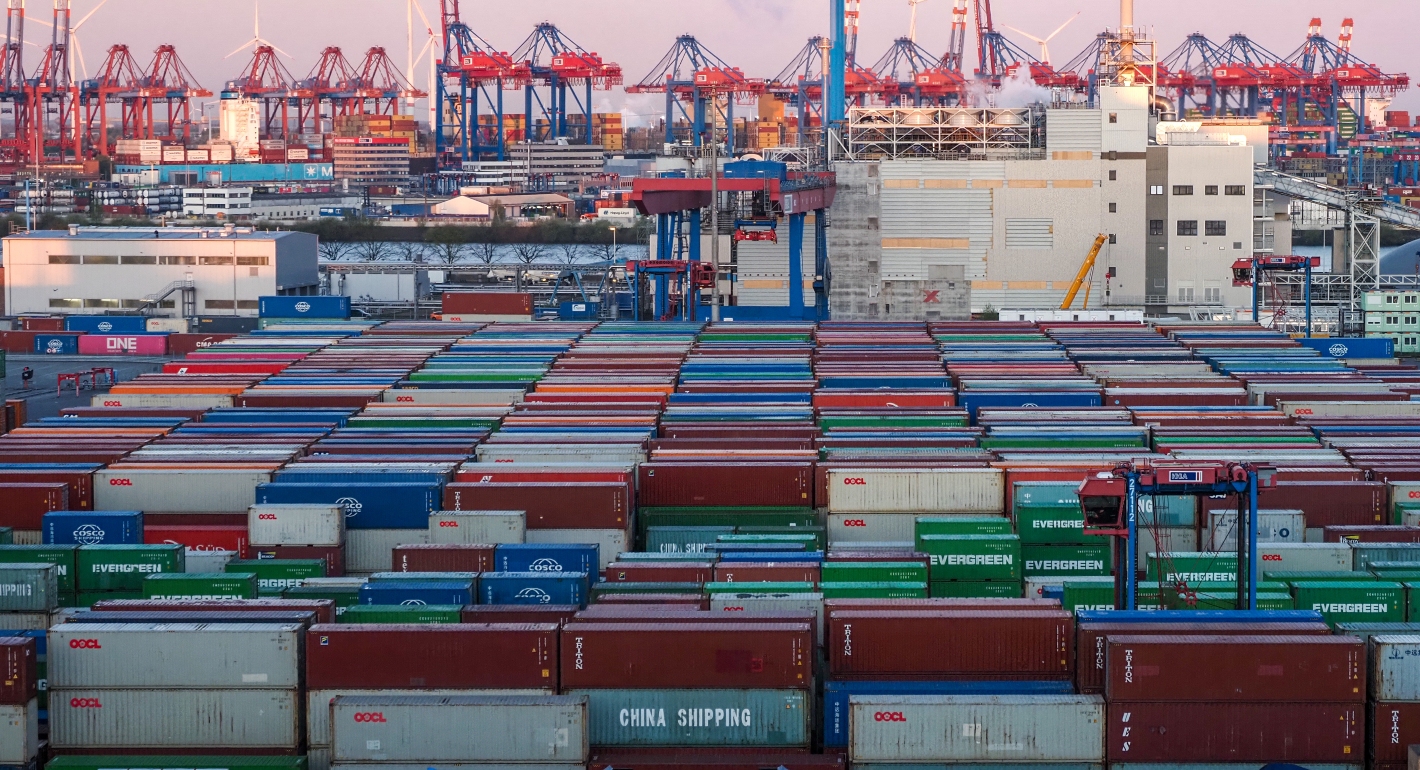
As geopolitical rivalry weaponizes global supply chains, the EU’s true vulnerability lies in emerging-risk imports. For these goods, suppliers are growing more concentrated, substitution more difficult, and political risk is looming.

Sinan Ülgen

The EU is putting together a new security strategy to meet today’s myriad challenges. But for any proposal to be effective, the union needs to grapple with its identity and ambitions.

Pierre Vimont
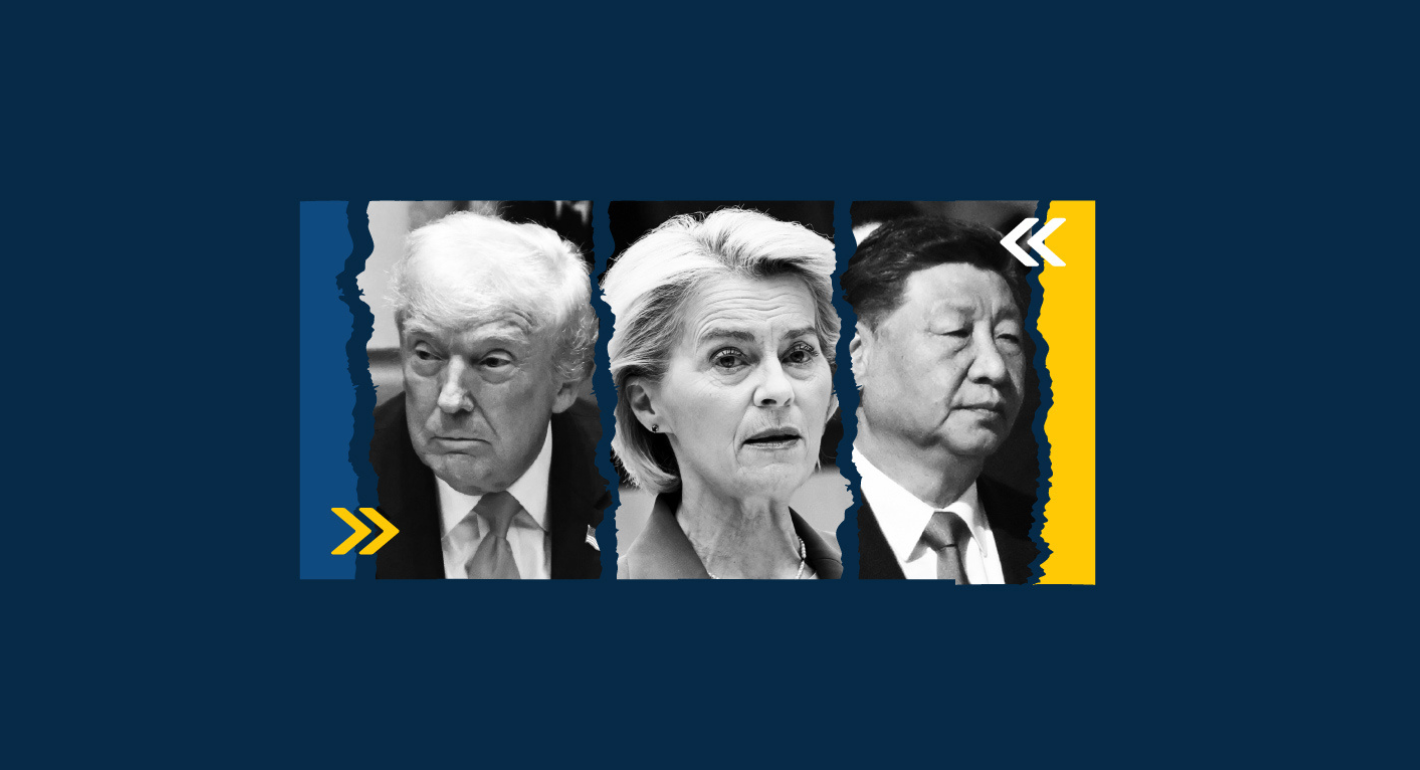
Between the United States’ market-driven approach and China's state-led industrial strategy, Europe is reckoning with how it can remain competitive in the global economy. But is Europe in danger of becoming a U.S. or China colony?

Noah Barkin, Anu Bradford