

Research
- +10
Rosa Balfour, Frances Z. Brown, Yasmine Farouk, …
{
  "authors": [
    "Moisés Naím"
  ],
  "type": "legacyinthemedia",
  "centerAffiliationAll": "dc",
  "centers": [
    "Carnegie Endowment for International Peace"
  ],
  "collections": [],
  "englishNewsletterAll": "asia",
  "nonEnglishNewsletterAll": "",
  "primaryCenter": "Carnegie Endowment for International Peace",
  "programAffiliation": "AP",
  "programs": [
    "Asia"
  ],
  "projects": [],
  "regions": [
    "China"
  ],
  "topics": [
    "Economy"
  ]
}
Source: Getty
You can always count on the Olympic Games to provide drama. Next year’s games in Beijing will be no different; they too will produce powerful stories and riveting television. But this time the images will not just be athletes overcoming the odds or breaking records. They will also focus on the clashes between the Chinese police and the activists who will arrive from all around the world.
Source: Foreign Policy

The athletes are not the only ones training hard for the Olympics. The Chinese government and the activists are getting ready for the battle in Beijing, too. The Associated Press reports that China’s intelligence services, police, and government think tanks are compiling lists of foreign organizations and individuals in what has been described as one of the “broadest intelligence-collection drives Beijing has taken against foreign activist groups.” According to Xinhua, China’s official news agency, Zhou Yongkang, the minister of public security, has ordered the police during the games to “strictly guard against and strike hard at hostile forces at home and abroad.”
And the various “hostile forces” will test China’s mettle. In Prague, an organization called Olympic Watch was established in 2001 with the explicit mission of using the Beijing games as an occasion to challenge China’s policies on freedom of speech, the death penalty, Tibet, religious freedom, and forced labor camps. Darfur campaigners are calling the Beijing games the “Genocide Olympics” and are demanding that China stop supporting the Sudanese government. The Washington Post dubbed the games the “Saffron Olympics” to denounce China’s support for Burma’s murderous regime and the massacre of its saffron-clad monks.
This pressure is already on, a little less than a year before the games. What will happen when the games start and thousands of foreigners travel to Beijing not to watch the games but to try to change China? How will the authorities know that the old lady from Denmark is actually coming with her church group to protest China’s abortion policies, or that the young Australian couple is actually part of a militant environmental organization? In short, what if the $40 billion the government is spending to showcase modern China yields the ugly global image of a thuggish regime?
It’s fair to say that the Chinese government probably had no idea what it was getting into when it applied to host the Olympics in 2000. The world—and China’s place in it—have changed substantially since then, making the challenge for an authoritarian regime hosting the world games far greater than it might have imagined. Back then, Chinese companies had not yet become as active investing in pariah states that no other company would dare touch. In 2004, for example, China surpassed Iran to become the largest military supplier to Sudan. In 2005, a new pope took a strong stance against China’s persecution of Christians and went as far as excommunicating the Catholic bishops sanctioned by the Chinese regime. China’s environmental degradation was far less of a global concern seven years ago. Its exchange rate, tainted products, and aggressive trade practices had not become the lightning rod that they are now.
But perhaps the changes that most threaten China’s political performance during the Olympics are that the number of Chinese cell-phone users has boomed from 140 million to more than 600 million since 2001, while the number of Chinese Internet users has soared from 17 million to 162 million since 2000. Bloggers, chat rooms, social networks, and other online communities were far less prevalent seven years ago than they are today. And the development of Web-enabled cell phones that can double as videocameras is made even more politically consequential by the rise of YouTube, which was founded less than three years ago.
No public relations campaign, regardless of how massive, can alter reality. And the reality is that thousands of protesters with causes that enjoy public support around the world—and in China—will stage highly visible and creative protests during the Olympic Games. It is equally true that the Chinese government will try to suppress them. Inevitably, thousands of videocameras will record the ensuing battle. The path from the streets of Beijing to YouTube will be almost impossible for the regime to monitor and blockade.
Of course, the other option for the Chinese government is to agree to some of what the protesters demand. And slowly, modestly, it has already begun to do so by, for example, nudging Sudan to accept international peacekeepers. But the demands are too many and too varied. Many seek to alter the very nature of the regime and the political and economic power upon which it is based. Therefore, the government will inevitably attempt to control and repress the activists. And that will be a new and frustrating experience for a centralized government that is not used to containing well-organized, media-savvy foreigners who work through highly decentralized, international, nongovernmental organizations that know how to mobilize public opinion to advance their causes.
The 2008 Olympic Games promise to be a great spectacle. And we will all be watching.
Moisés Naím is editor in chief of Foreign Policy.
Distinguished Fellow
Moisés Naím is a distinguished fellow at the Carnegie Endowment for International Peace, a best-selling author, and an internationally syndicated columnist.
Recent Work



Rosa Balfour, Frances Z. Brown, Yasmine Farouk, …
Moisés Naím
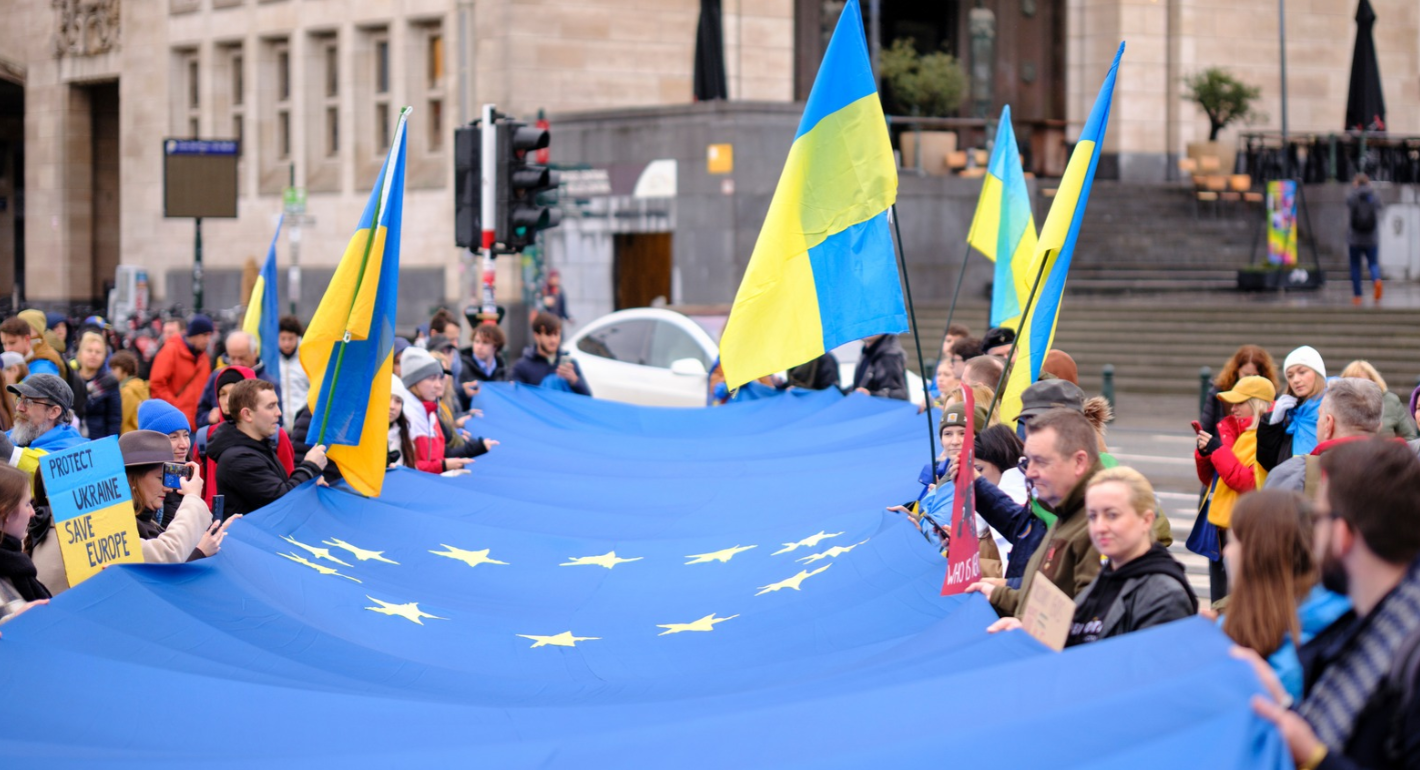
A sizeable funding shortfall looks increasingly likely to hit Ukraine in 2027. Can the Europeans, with their strained budgets and economies, come up with the cash without seizing frozen Russian assets?

Rym Momtaz, ed.
Geoengineering is becoming a geopolitical question as much as a climate one. The way states and the private sector pursue these technologies, assess risks, and drive research increasingly appears focused on gaining a strategic edge. In a field where governance in lagging behind, Europe should keep track of the geopolitical implications if it is to develop effective regulatory frameworks.

Olivia Lazard, ed.
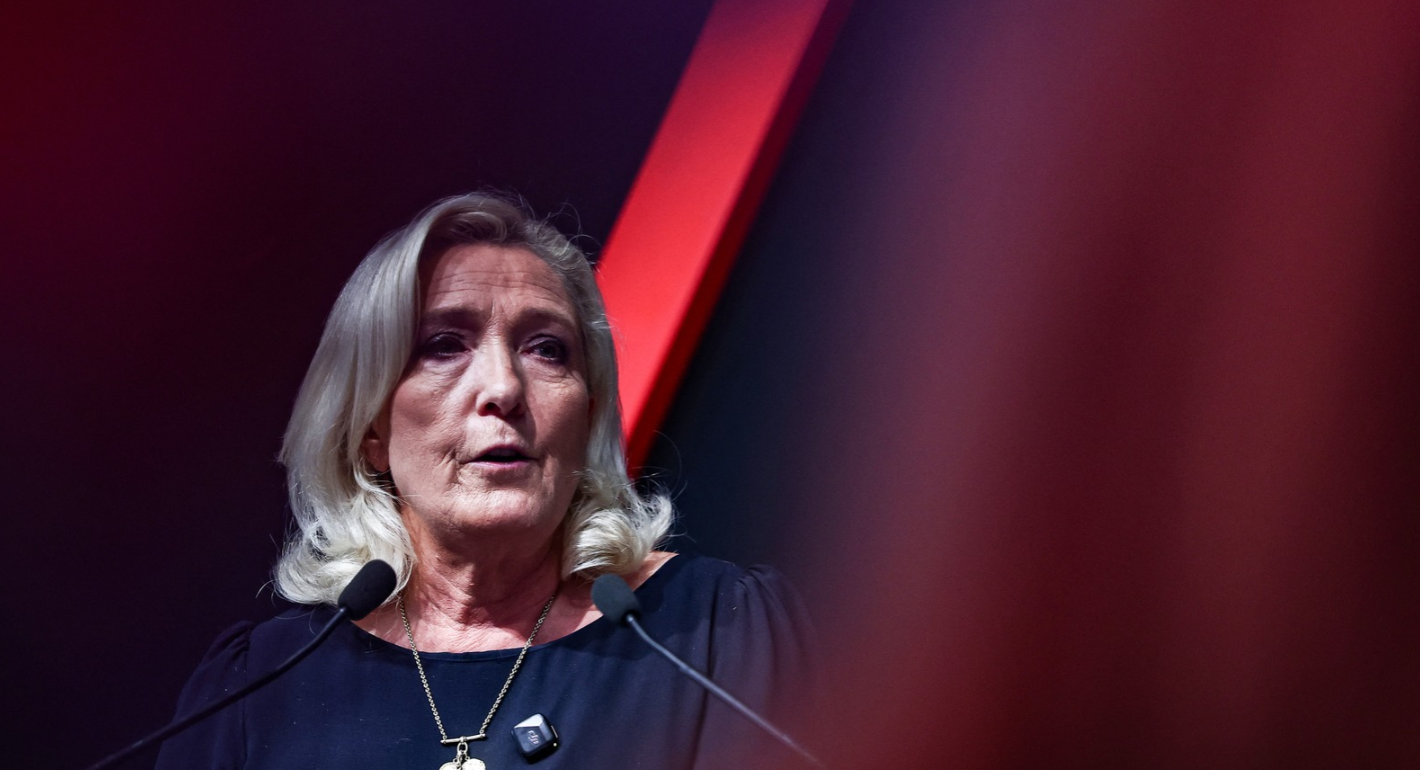
With its public finances in shambles, the far right polling at 35 percent ahead of the 2027 presidential election, and a growing protest movement, is France’s crisis a threat to the EU’s geopolitical awakening?
Rym Momtaz, ed.
While the EU and European governments are embracing the much-lauded middle-power moment, this entails three difficult conundrums.
Richard Youngs
Europe is facing rising populism internally as well as external pressures from Russia, China, Turkey, and the United States.

Dimitar Bechev