

Commentary
Are Germany’s economic, industrial, and political struggles becoming a liability for the EU’s ability to rise to the geopolitical moment?
Rym Momtaz, ed.
{
  "authors": [
    "Michael McFaul",
    "Francis Fukuyama"
  ],
  "type": "legacyinthemedia",
  "centerAffiliationAll": "dc",
  "centers": [
    "Carnegie Endowment for International Peace"
  ],
  "collections": [],
  "englishNewsletterAll": "ctw",
  "nonEnglishNewsletterAll": "",
  "primaryCenter": "Carnegie Endowment for International Peace",
  "programAffiliation": "russia",
  "programs": [
    "Russia and Eurasia",
    "Democracy, Conflict, and Governance"
  ],
  "projects": [],
  "regions": [
    "North America",
    "United States",
    "Middle East"
  ],
  "topics": [
    "Political Reform",
    "Democracy",
    "Foreign Policy"
  ]
}
REQUIRED IMAGE
Bush did not enter the White House with a mission to promote freedom around the world. As a presidential candidate, he put forward a modest foreign policy agenda that eschewed nation building. The events of September 11, 2001, however, radically jarred his thinking on the nature of international threats and triggered a fundamental reevaluation of his administration’s national security policy that elevated democracy promotion as a central objective of his foreign policy agenda.
Source: Washington Quarterly
In his second inaugural address, on January 20, 2005, President George W. Bush used the word “freedom” 25 times, “liberty” 12 times, and “democracy” or “democratic” three times. Bush did not enter the White House with a mission to promote freedom around the world. As a presidential candidate, he put forward a modest foreign policy agenda that eschewed nation building. The events of September 11, 2001, however, radically jarred his thinking on the nature of international threats and triggered a fundamental reevaluation of his administration’s national security policy that elevated democracy promotion as a central objective of his foreign policy agenda.
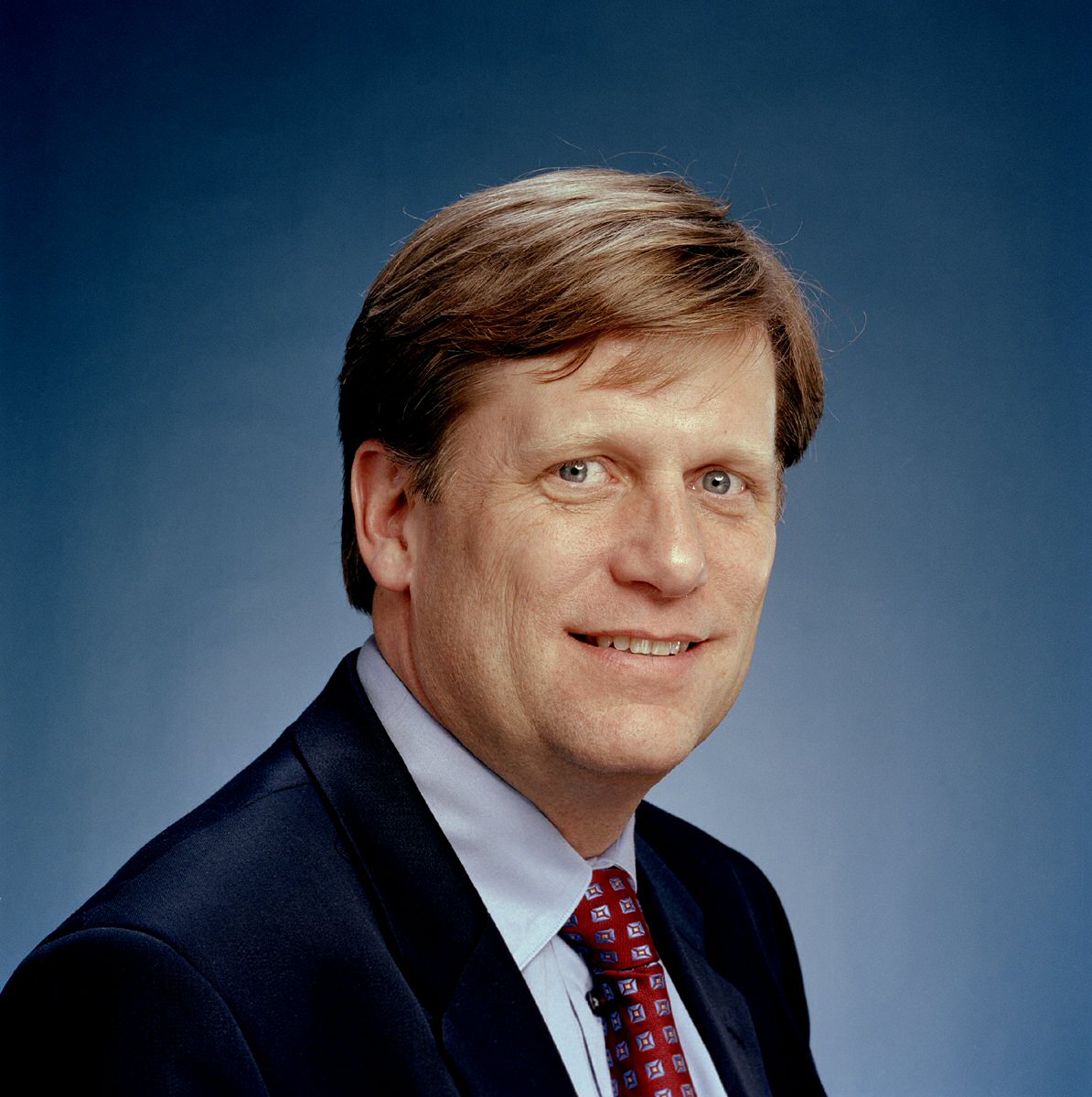
Former Senior Associate
In addition to his role at Carnegie, McFaul is Peter and Helen Bing Senior Fellow at the Hoover Institution and associate professor of political science at Stanford University.
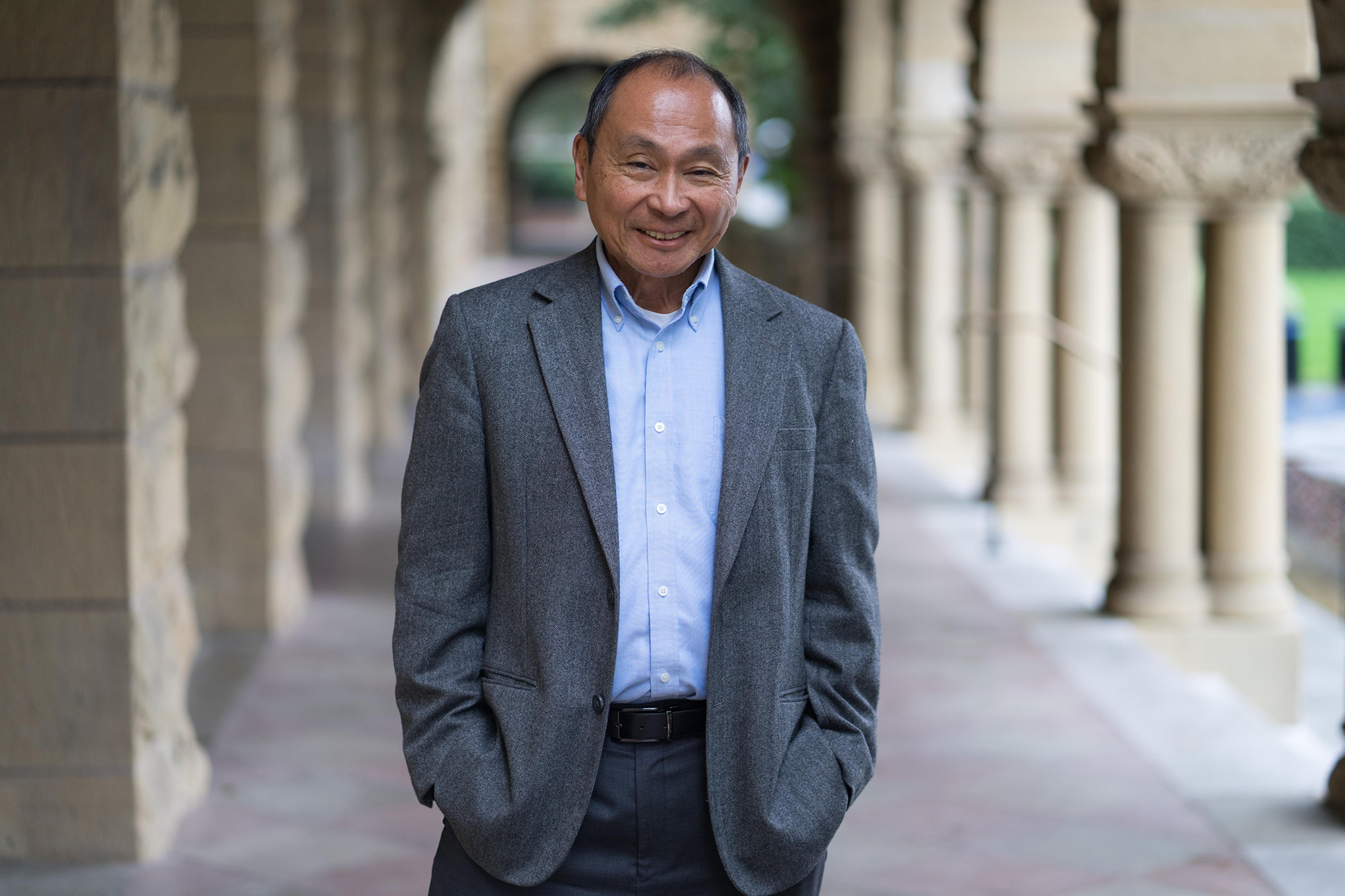
Former Nonresident Scholar, Democracy, Conflict, and Governance Program
Francis Fukuyama was a nonresident scholar in Carnegie’s Democracy, Conflict, and Governance Program, where his research focuses on democratization and international political economy.
Carnegie does not take institutional positions on public policy issues; the views represented herein are those of the author(s) and do not necessarily reflect the views of Carnegie, its staff, or its trustees.

Are Germany’s economic, industrial, and political struggles becoming a liability for the EU’s ability to rise to the geopolitical moment?

Rym Momtaz, ed.

European Commission President Ursula von der Leyen is about to give her annual address on the state of the EU. Here’s what she won’t—but should—say.
Rym Momtaz

Radical-right parties are expected to do well in upcoming elections in four of the EU's biggest member states. If successful, they could prevent the union from addressing key challenges ahead.

Stefan Lehne

The aftermath of the Ceuta crisis shows Europe has drawn the wrong lessons. Rather than doubling down on failed migration policies, the EU needs to address the underlying roots of such episodes.

Richard Youngs

An overwhelming victory by a far-right-wing party in a small state in eastern Germany will have major repercussions for Chancellor Friedrich Merz’s coalition.

Judy Dempsey